Coal-fired generation in Czechia rose again in October. Average spot electricity price topped the crisis-year 2022 level

Czech power plants generated around 15% more electricity year on year in October, mainly thanks to higher output from lignite-fired plants. Electricity consumption, by contrast, fell slightly. The average spot electricity price topped EUR 180/MWh, almost double the level in October 2025 and higher than in October of the crisis year 2022.
Power plants in Czechia supplied 6.82 TWh to the grid in October, compared with 5.91 TWh a year earlier. This represents a year-on-year increase of approximately 15%. Electricity consumption over the same period fell from 5.33 to 5.26 TWh, or by around 1.3%.
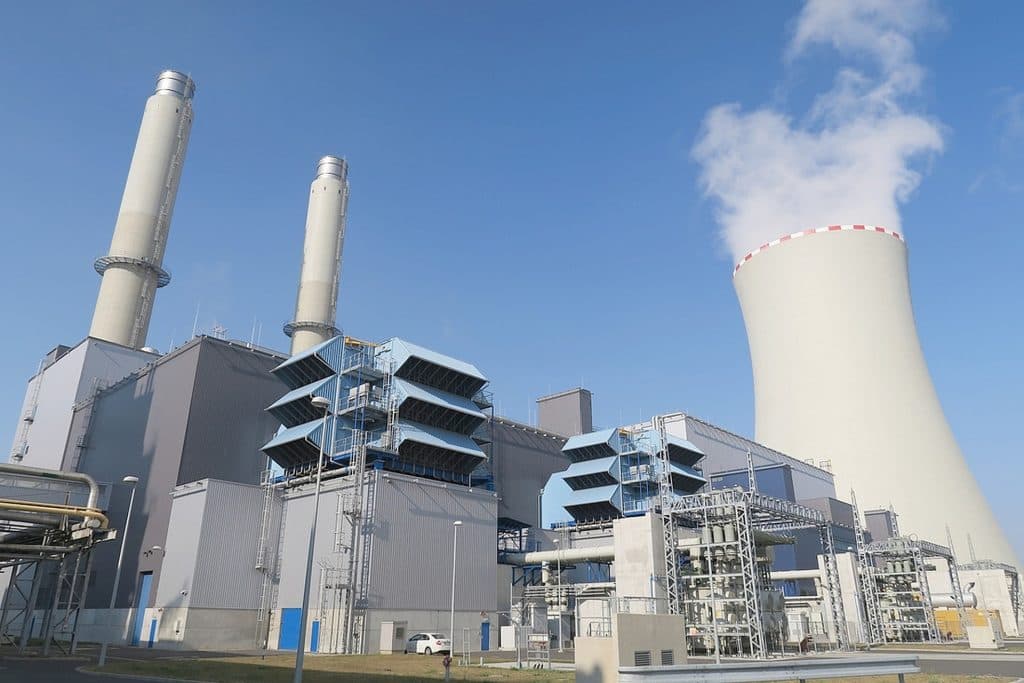
Lignite-fired power plants generated 2.75 TWh in October, up 36% year on year. Their share of total generation reached approximately 40%. Nuclear power plants supplied 2.58 TWh, around one percent less year on year, giving them a share of just under 38% of total generation.
Alongside lignite, output from gas-fired plants also increased despite high natural gas prices, rising from 191 to 329 GWh, a year-on-year increase of 72%. Solar generation rose from 266 to 369 GWh, while hard coal-fired generation increased from 52 to 85 GWh. At the same time, hydropower output fell from 132 to 69 GWh and wind generation from 84 to 63 GWh.
Electricity prices almost doubled year on year
The average price of electricity on the Czech day-ahead market reached EUR 181.1/MWh in October, even exceeding the average spot price in October 2022, when Europe was in the grip of an unprecedented energy crisis triggered by Russia’s aggression against Ukraine. This represents a year-on-year increase of approximately 89%.
Higher natural gas prices contributed significantly to the rise in spot electricity prices. In October last year, the price of natural gas for delivery the following month at Europe’s most liquid trading hub, the TTF, was around EUR 32/MWh. This October, it rose to more than EUR 100/MWh for the first time since the 2022 energy crisis.
Dispute between Italy and Germany
High natural gas prices became the subject of a dispute between Italy and Germany after Alessandro Noce, director general for energy markets and infrastructure at Italy’s energy ministry, said at the Montel Italian Energy Day conference in Milan that Italy had spent hundreds of millions of euros filling its gas storage facilities ahead of winter, while the Germans were only buying gas now.
“We are being hit twice: we spent EUR 300 million filling our storage facilities, and at the same time we are paying higher gas prices because the Germans are only buying now. That is something that really annoys me,” Noce added.
At the same conference, an energy analyst said that Germany had delayed building up its reserves while focusing on the privatization of its energy companies Uniper and SEFE, which play a key role in filling storage facilities.
The German government subsequently rejected the allegations.
“We strongly reject the claim that SEFE’s purchase and storage of natural gas is driving up European gas prices, and that Germany neglected to fill storage facilities during the privatization of SEFE and Uniper. This is unfounded,” a spokesperson for Germany’s Federal Ministry for Economic Affairs and Energy said.
The German regulator said last Thursday that the country’s gas storage facilities were 61.7% full. According to Gas Infrastructure Europe, Italian storage facilities were nearly 91% full, while the EU average was approximately 75%.
Translation disclaimer
This article is a machine translation of the Czech original and has not yet been fully reviewed. In case of any doubt, please refer to the Czech version.