Czech government spokesperson on industry's appeal: government is actively working to address energy prices

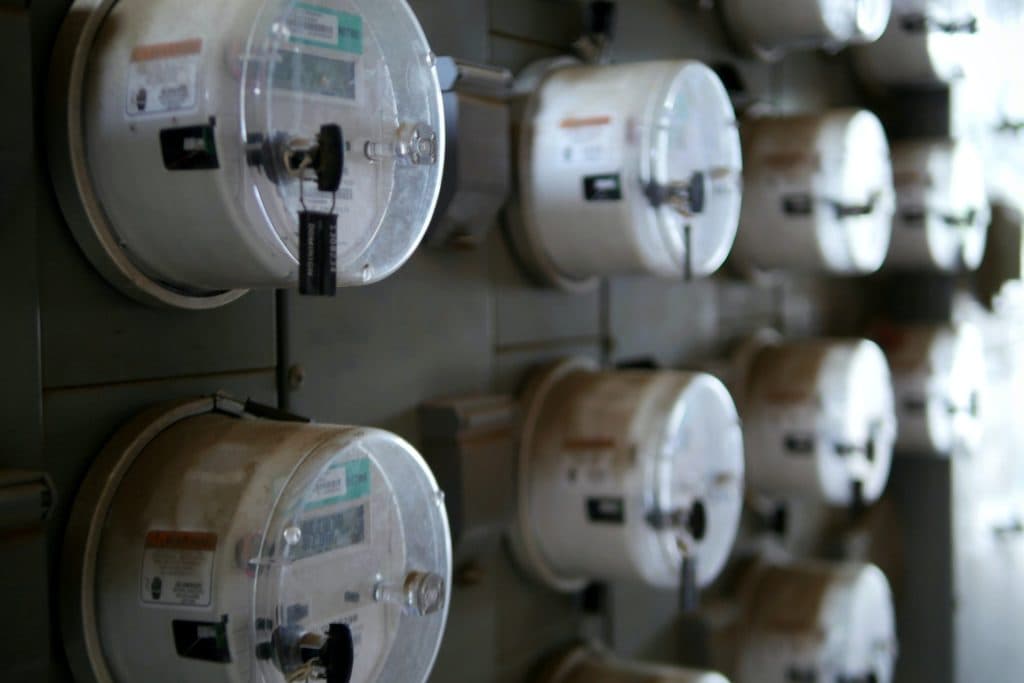
Energy prices are a Europe-wide problem that the Czech government is actively working to address. It holds regular talks with industry representatives on the issue. Government spokesperson Lucie Ješátková told the Czech News Agency (ČTK) in response to an open letter from associations representing businesses in energy-intensive sectors. On Tuesday, the associations called on Prime Minister Petr Fiala (ODS) to address high energy prices and decarbonisation. They say these are undermining the competitiveness of Czech businesses, which are facing a crisis.
"We understand the situation facing energy-intensive industry, which is why last month we also approved an increase in state compensation for companies with highly energy-intensive operations. Around 2.24 billion crowns will be set aside for retrospective compensation for 2024," Ješátková said.
She also recalled that the government is seeking a review of the rules for the new ETS2 emissions allowances for transport and building heating.
"In industry, we also want to ease measures affecting the automotive sector in relation to combustion engines, and we do not support the overly ambitious emissions targets recently proposed by the European Commission. We have recently shown at European level that we are a reliable partner capable of advancing our interests, and we are therefore succeeding in persuading our partners to improve conditions for both Czech and European companies," the spokesperson said.
The letter was published on the website of the Steel Union. In addition to steelmakers, the appeal was also backed by representatives of the chemical and paper industries, foundries, forges and engineering companies. They proposed several measures to the prime minister that they say would help improve the competitiveness of Czech companies.
Many businesses in these sectors are now being forced to invest in decarbonising their production processes because of European plans to cut carbon dioxide emissions, they say. But according to the associations' representatives, the necessary investments are not economically viable for companies and are undermining their competitiveness in the market. Investment in decarbonisation is consequently beginning to be put on hold in Europe, the letter's signatories argue.
Ješátková said the government has long been seeking to invest both in creating new energy sources, such as nuclear power, and in strengthening infrastructure for both gas and electricity. "We managed to secure a change to the European nuclear taxonomy, an important condition for the development of nuclear power. Long-term investment plans should deliver not only affordable energy prices, but I believe they will also help develop domestic industry with high added value," she said.
Among other things, the letter's authors propose introducing a zero tax on natural gas and reducing network charges for electricity and natural gas. Free allocation of emissions allowances should also be maintained and extended, businesses should be given certainty over compensation for indirect costs, and the scheme should be expanded to cover other chemicals, including ammonia. Temporary state support should also be introduced for industrial users of natural gas, electricity and emissions allowances if energy prices remain high.
Translation disclaimer
This article is a machine translation of the Czech original and has not yet been fully reviewed. In case of any doubt, please refer to the Czech version.




