11 October 2026, 20:09
Loading...
Top 10 energy stories of the past week
oEnergetice.cz
11 October 2026, 20:09
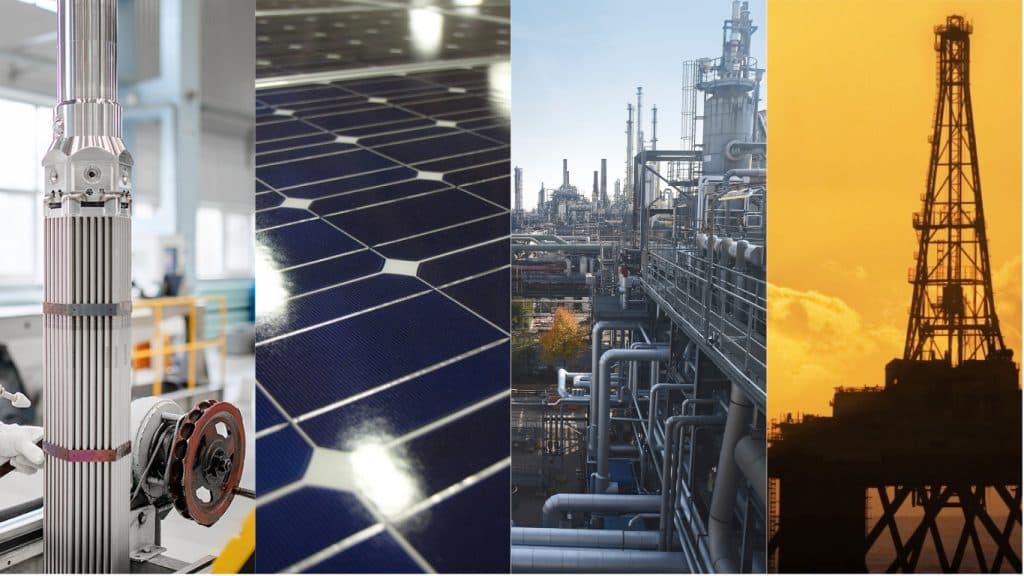
This week, we once again bring you a carefully selected list of the ten most important articles we published on oEnergetice.cz. If you missed any of them, here is a selection of the stories that attracted the most interest from our readers. Good luck in the new week!
1. Solar power is changing how hydropower operates. Pumped-storage plants no longer do most of their pumping at night
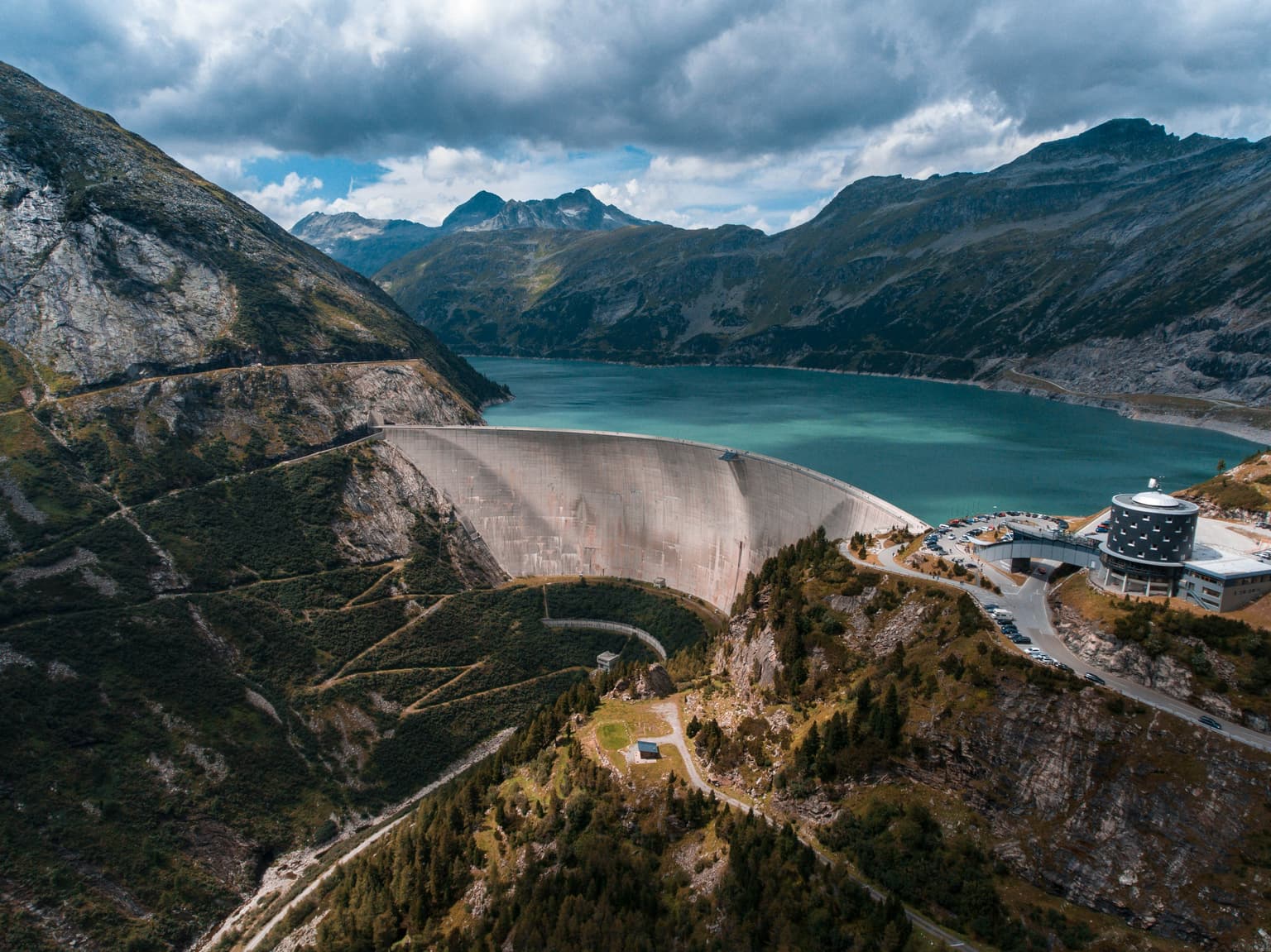
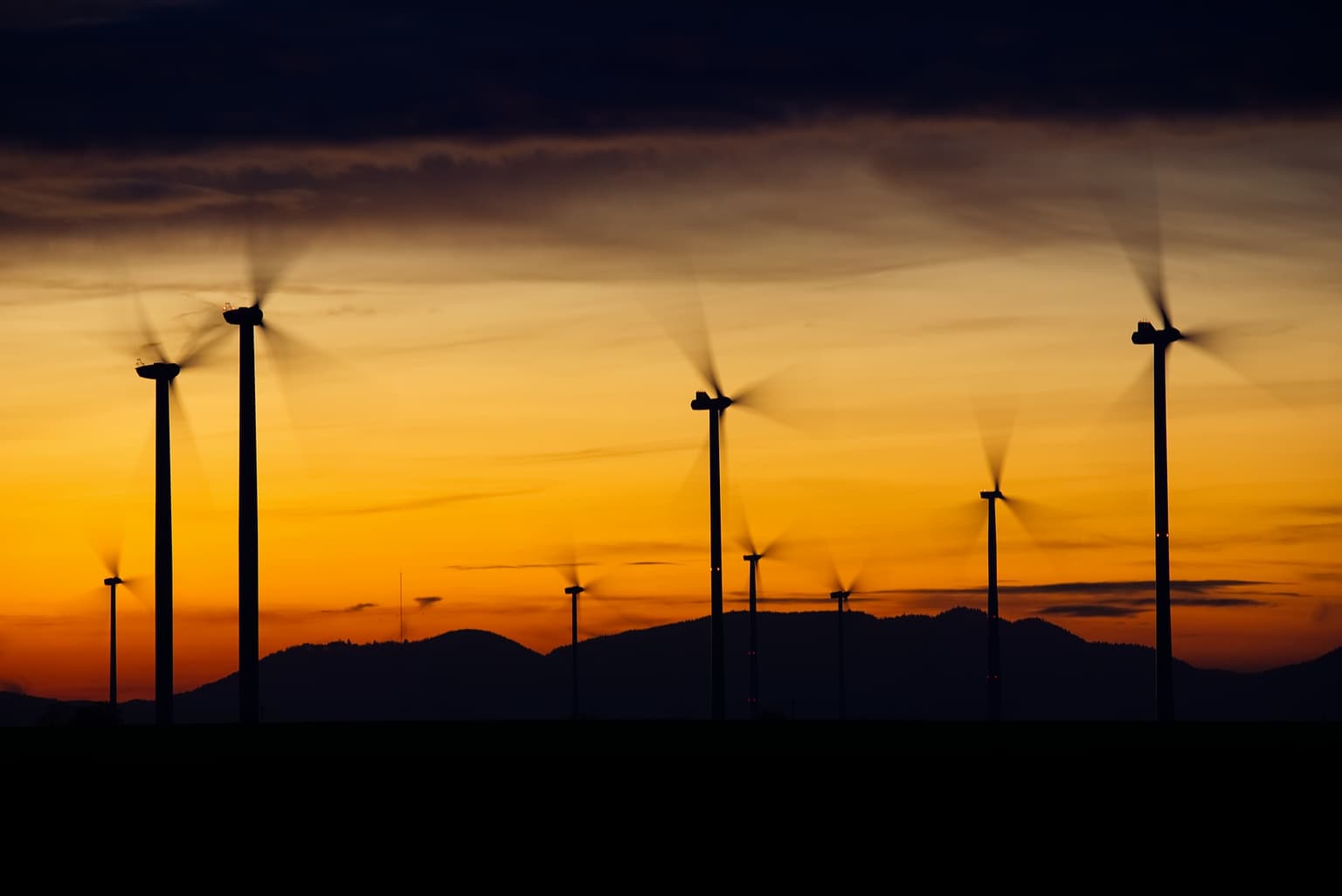
European hydropower plants faced very poor hydrological conditions this summer. Across a sample of ten European power systems, their output between early June and mid-August was even lower than during the dry year of 2022. However, significantly higher solar power generation more than offset this decline in total generation. Even more interesting is the change in how pumped-storage plants operate: they are increasingly pumping water during midday hours instead of at night as they traditionally did.
An analysis by WSP published by pv magazine shows that hydropower generation in ten European systems with complete available data reached just 31.65 TWh between 1 June and 15 August this year. This was the lowest figure in the seven years covered and approximately 6% below the dry summer of 2022. In that year, the same systems generated 33.69 TWh of electricity from hydropower.
Read the full article HERE.
2. Germany changes the rules for using household and electric vehicle batteries to stabilise the grid
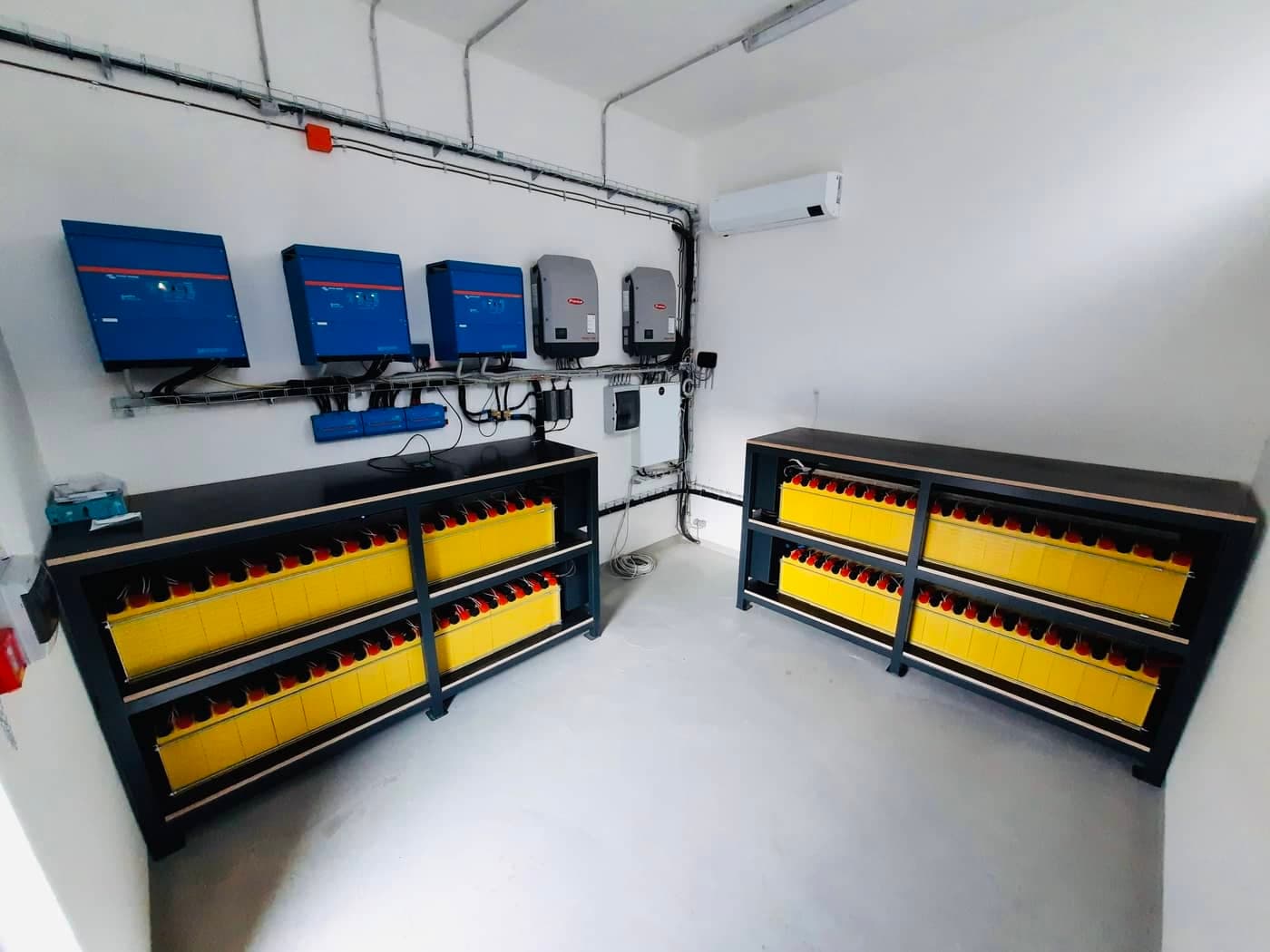
Germany’s network regulator, Bundesnetzagentur, has approved new rules for integrating battery storage systems and bidirectional charging points into the electricity market. Known as MiSpeL, the rules are intended to allow these assets to be used more flexibly in response to market conditions, while also addressing the previously problematic treatment of electricity from different sources stored in a single device. The changes also apply to electric vehicles, whose batteries can be used not only to store electricity but also to feed it back into a home or the grid. The regulator expects the new rules to help make better use of the growing number of batteries to integrate wind and solar power.
The new MiSpeL rules are not limited to allowing electricity from batteries to be fed back into the grid. This was already technically possible. The main change is that batteries can now be used more flexibly in the market and can combine electricity from different sources without automatically losing eligibility for support.
Read the full article HERE.
3. Refineries are recovering. Most new capacity is headed for Asia and Africa
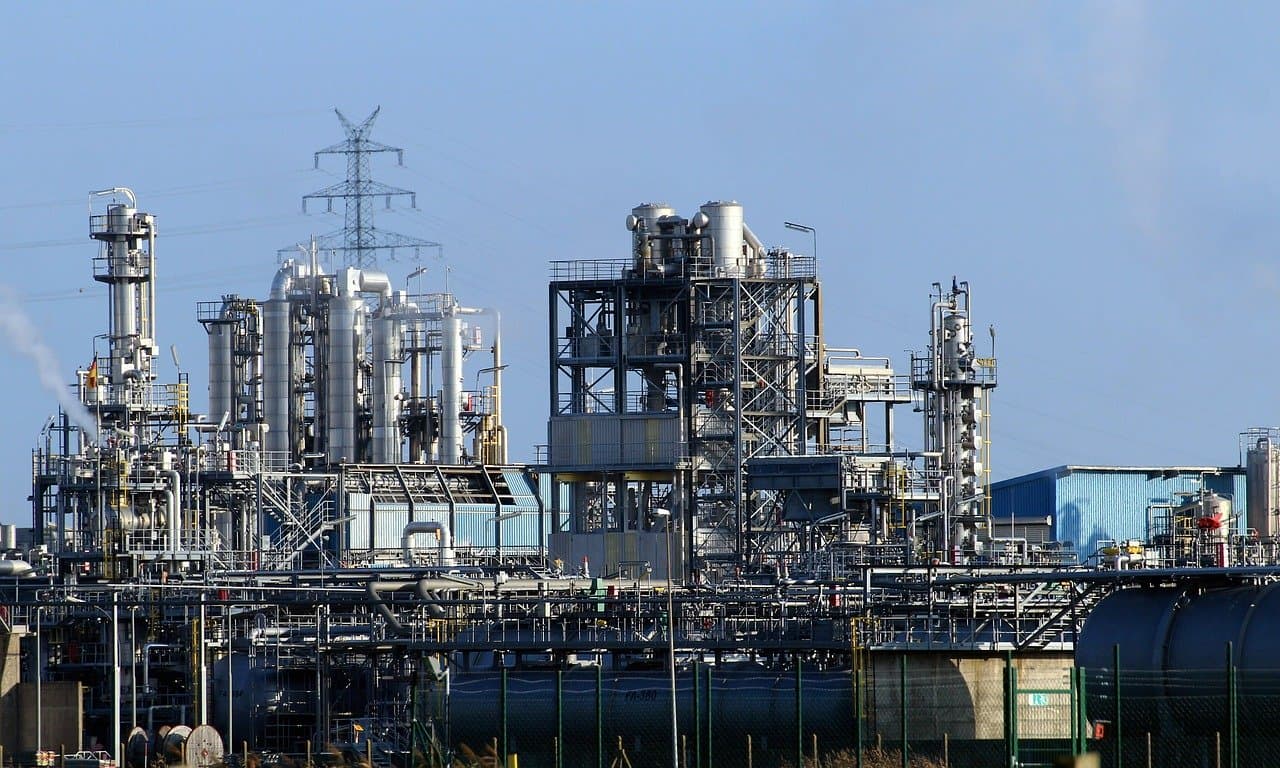
Global refining capacity is set to grow significantly again by 2030, particularly in Asia and Africa. BloombergNEF warns of an oversupply and pressure on margins, while OPEC expects the market to tighten and refinery utilisation to rise. The differing conclusions show how much will depend on actual demand trends and whether planned projects are completed.
BloombergNEF (BNEF) expects global net refining capacity to increase by 4.2 million barrels per day between 2026 and 2030. The forecast is based on tracking individual assets and takes into account both new capacity and closures.
Read the full article HERE.
4. Czech company launches giant wind farm in Romania, aiming to rank among Europe’s biggest
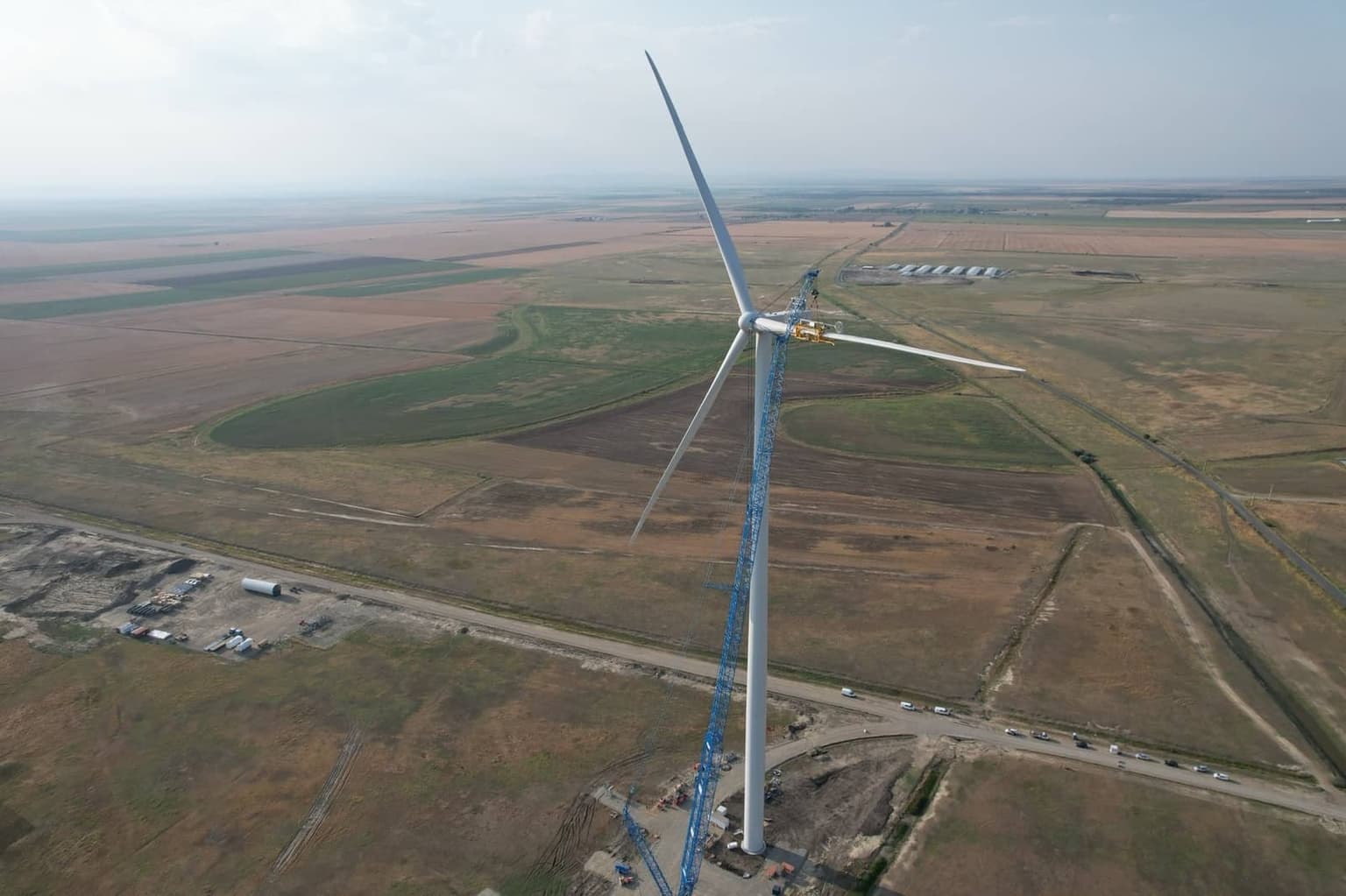
Czech company Rezolv Energy officially launched the first phase of the VIFOR wind farm in Romania last week. Its installed capacity of 192 MW is now supplying electricity to the grid, and the company is already considering adding battery storage and solar panels to the site.
Construction of the second phase, with a capacity of 269 MW, is still under way. Once completed in summer 2027, the complex will have a total installed capacity of 461 MW, making it the European Union’s third-largest onshore wind farm.
Read the full article HERE.
5. Renewables covered a record 61% of Germany’s electricity consumption in the first three quarters
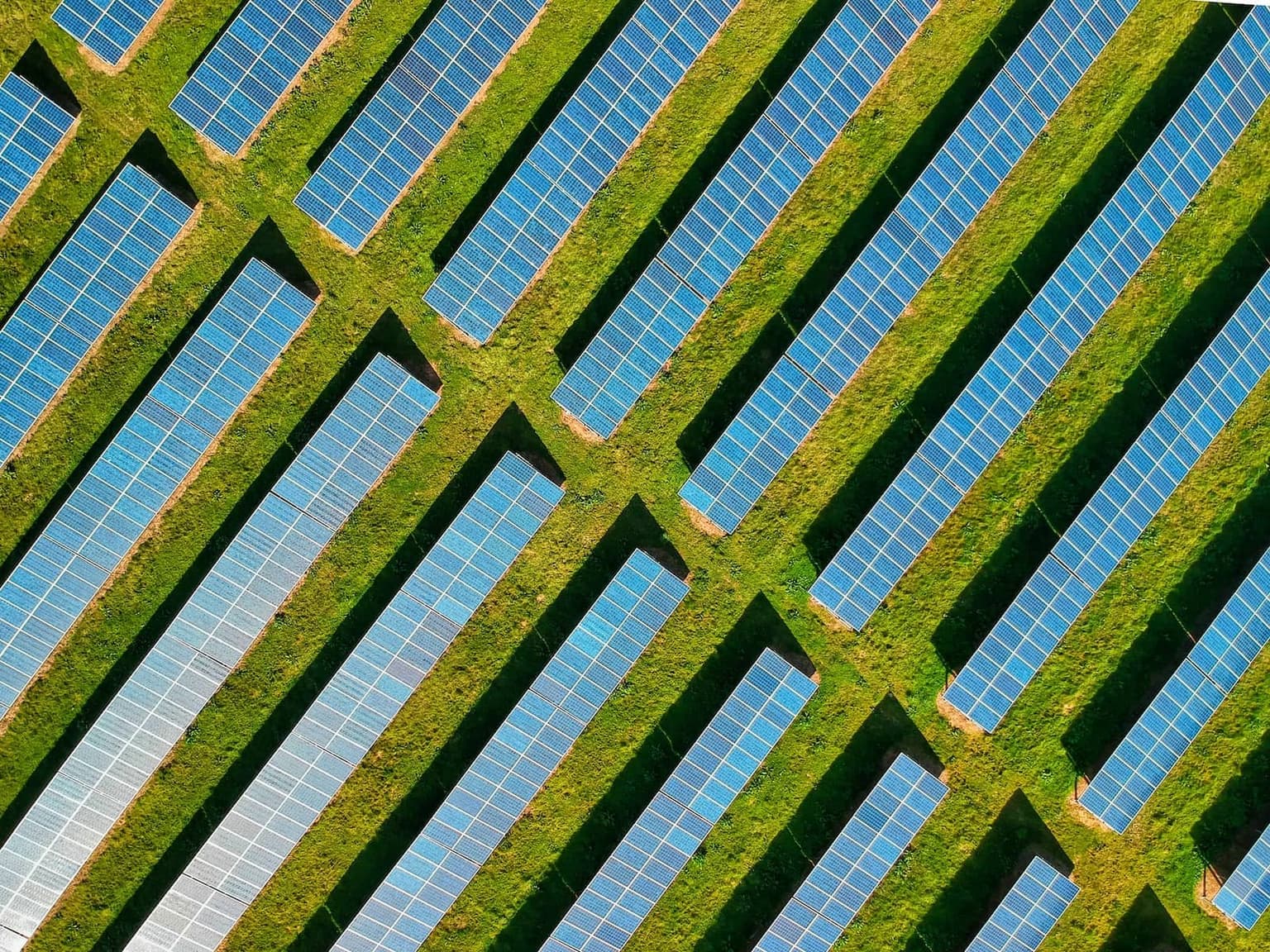
Renewable energy sources covered 60.7% of gross electricity consumption in Germany in the first three quarters of this year, according to preliminary data from ZSW and BDEW. This is a new record and an increase of four percentage points year on year. At the same time, renewable electricity generation rose by 8.7% to 237.5 TWh. Favourable conditions for wind generation and the rapid expansion of solar power made a significant contribution to the increase.
Renewable energy sources generated a total of 237.5 TWh of electricity in Germany from January to September, compared with 218.6 TWh in the same period last year. Gross electricity consumption reached 391.6 TWh, up 1.6% year on year. Although consumption rose slightly, the faster growth in renewable generation increased renewables’ share of consumption from around 57% in the first three quarters of last year to 60.7% this year.
Read the full article HERE.
6. LNG shipments through Hormuz are rising, as is dependence on US LNG
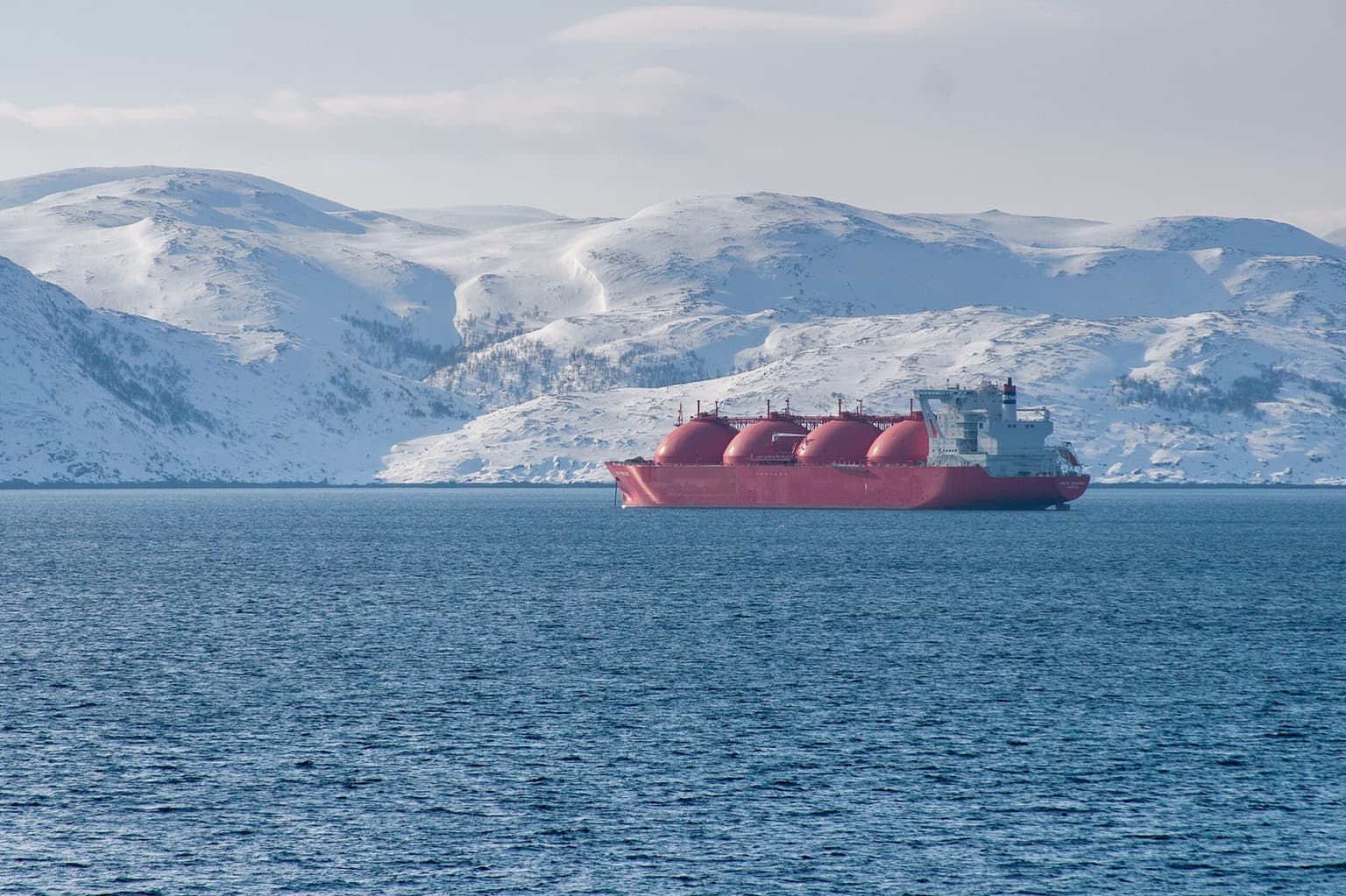
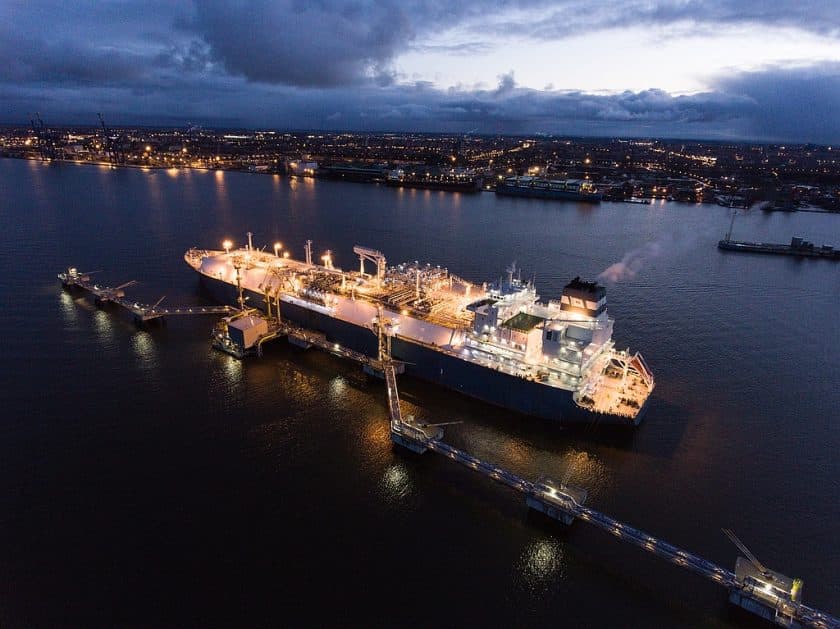
Although the European market has seen a further increase in LNG tanker traffic through the Strait of Hormuz, the volume of deliveries is still nowhere near a return to normal levels before the Hormuz crisis. US LNG is therefore becoming increasingly important. Its growing share is helping to offset the shortfall in supplies from the Persian Gulf, but it also brings new risks.
A total of 21 LNG carriers passed through the Strait of Hormuz in September, the highest number since the war with Iran began. That is still only 25% of the volume transported before the conflict. Before the war, around three LNG carriers passed through the strait each day, and the route handled roughly one-fifth of global supplies of the commodity.
Read the full article HERE.
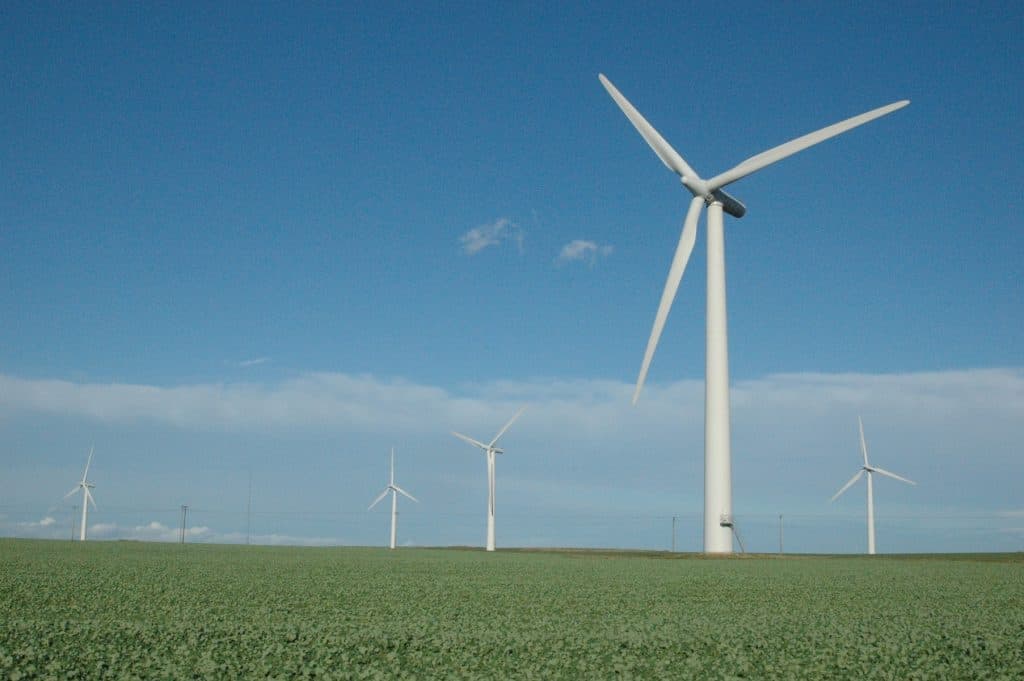
7. Wind turbines with larger rotors are set to boost output, but height limits may hold them back in Czechia
Wind turbine manufacturers are bringing a new generation of turbines to market, designed to generate more electricity even at sites with low or moderate wind speeds. Rather than further increasing rated capacity, design advances are now focused primarily on enlarging rotor swept areas. This could be an attractive option for investors, as it may significantly increase returns from projects at less windy locations and allow available land to be used more efficiently.
The technological shift was on display especially at the WindEnergy Hamburg trade fair, where leading European manufacturers Vestas and Nordex unveiled new models designed specifically for sites with low to moderate wind speeds. A larger rotor allows a turbine to capture more wind energy even at lower speeds, without having to increase the generator size or the turbine’s rated capacity proportionally.
Read the full article HERE.
8. Korea aims to lead the green revolution, mobilising nearly $750 billion by 2035
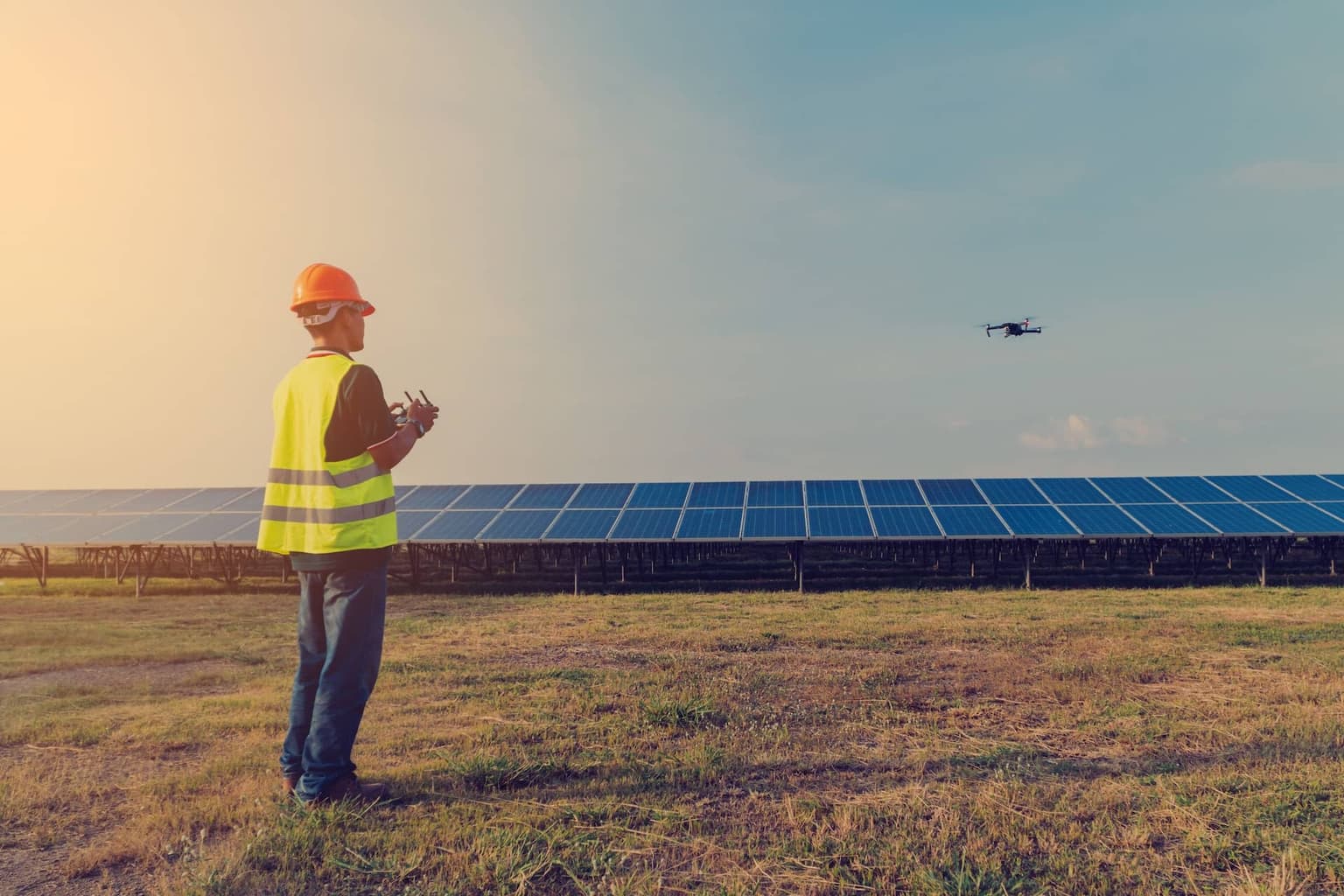
The South Korean government on Wednesday unveiled a 1,000 trillion won energy transition and decarbonisation strategy (747 billion dollars, or roughly 16.3 trillion Kč) running through 2035. Its aim is to expand renewable energy generation, transform heavy industry and create new sources of economic growth.
The K-GX plan, or Korea-Green Transformation, combines public and private funding, as many climate plans do. Under the plan, 200 trillion won is to come from public spending and more than 790 trillion won from climate finance. The plan also includes a separate 220 trillion won investment from the private sector, Finance Minister I Hyeong-il said during a presentation attended by senior government and business representatives.
Read the full article HERE.
9. The Netherlands may extend the life of its only nuclear power plant, and the state will buy a majority stake
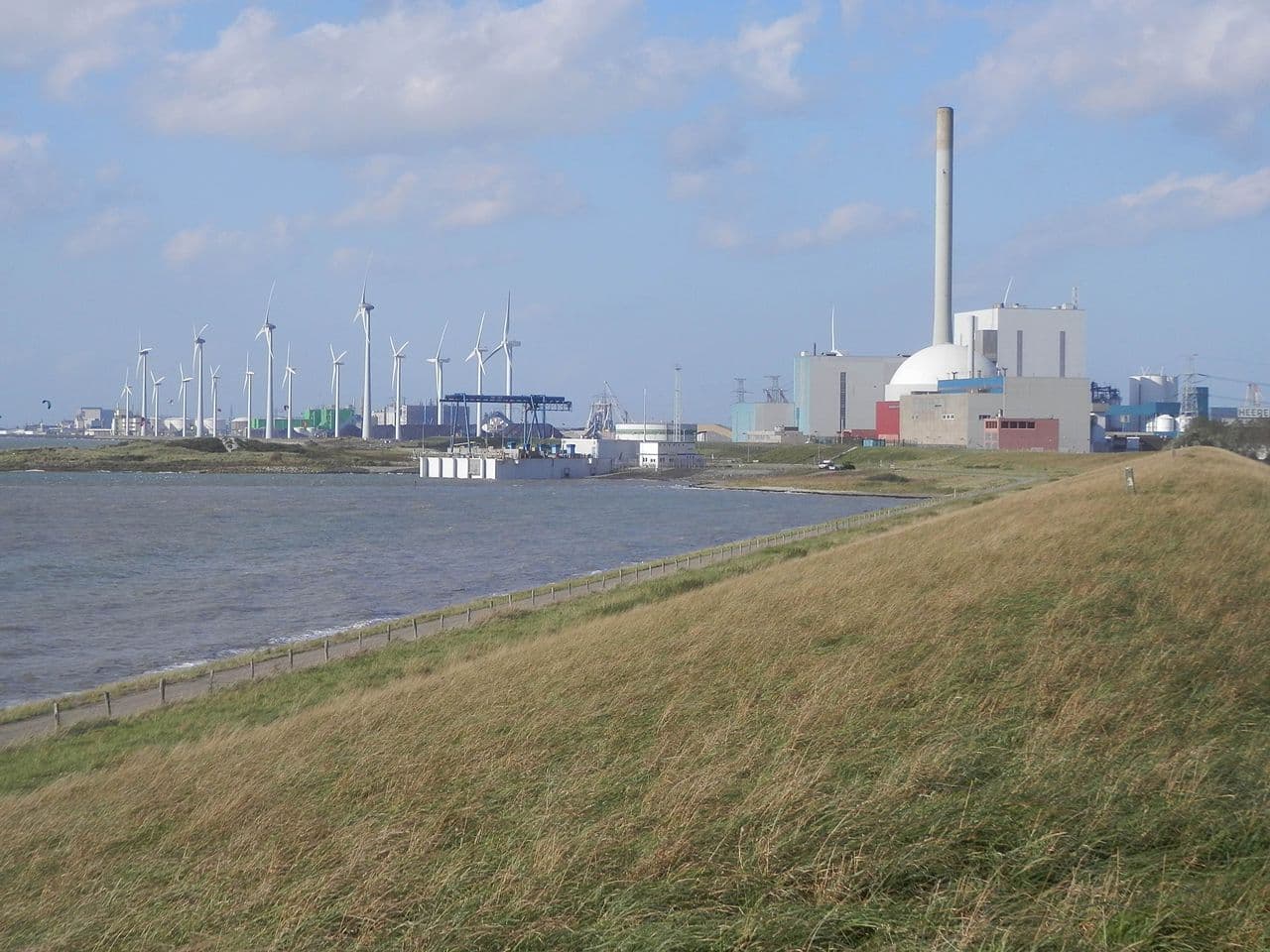
The Dutch Senate has approved an amendment to the Nuclear Energy Act that allows nuclear facilities to extend their operating lives. Borssele, the country’s only nuclear power plant, commissioned in 1973, can now apply for a licence to operate beyond 2033. The Netherlands will also take over 70% of the shares in the operator of the 515 MW plant. The country plans to build two more nuclear units over the next 10 years.
EPZ, the operator of the Dutch Borssele nuclear power plant, announced that the approved amendment to the Nuclear Energy Act will allow the plant to extend its operating life. Until now, the law stipulated that Borssele could generate electricity until 2033 and that obtaining a longer operating licence was not possible.
Read the full article HERE.
10. Holtec applies for a construction permit for two of its modular reactors in the US
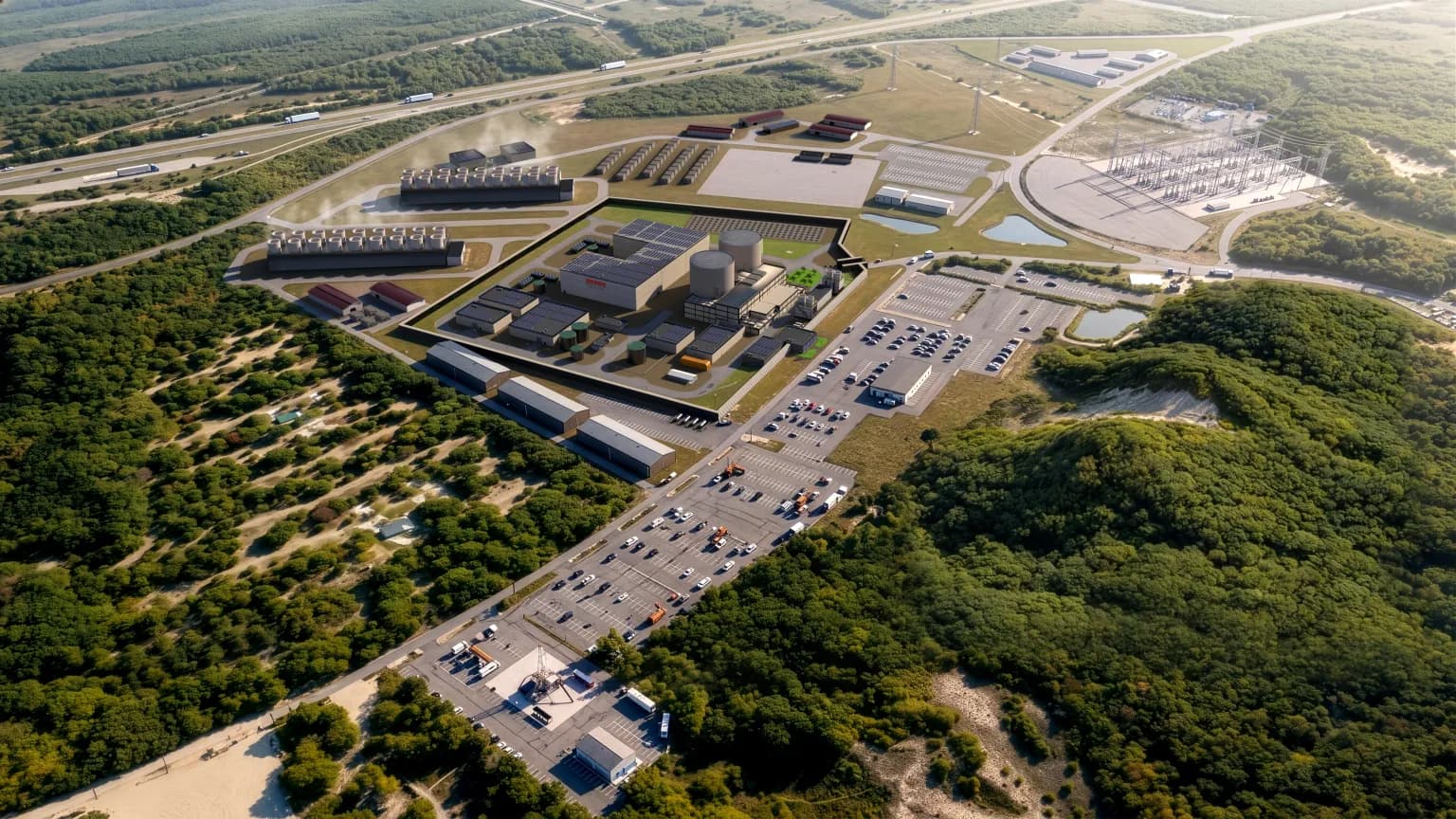
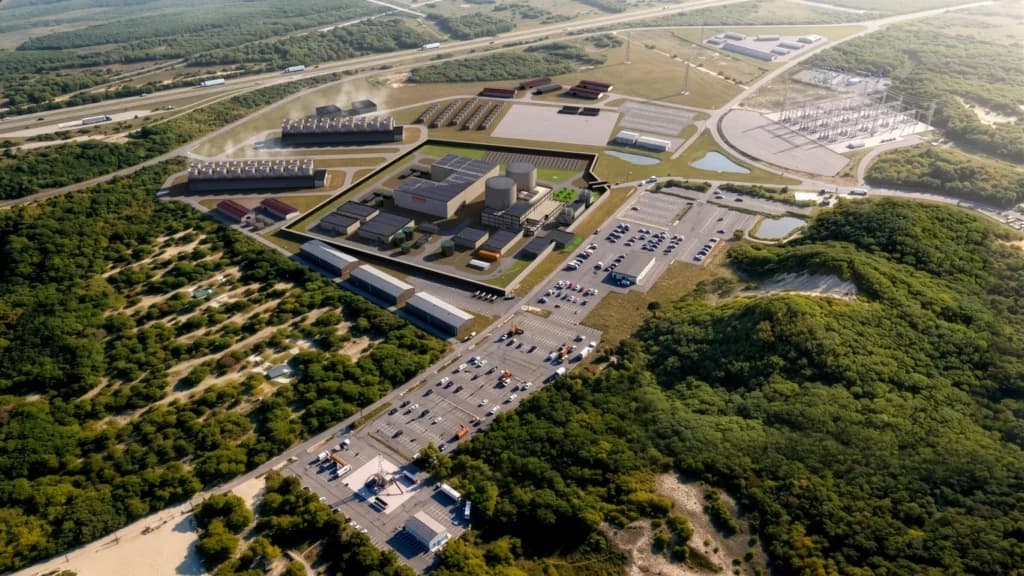
The project to build two modular reactors at the US Palisades plant has reached another milestone. The plant’s owner has submitted another set of documents to the US nuclear regulator, completing the second stage of the construction permit application process. The two Pioneer 1 and 2 reactors (SMR-300) will add a further 680 MW of installed capacity to the plant. The process of restarting the 805 MW reactor, which was shut down four years ago, is currently nearing completion.
US company Holtec International announced that it had submitted a safety analysis report for two new Pioneer modular reactors at the Palisades plant to the US Nuclear Regulatory Commission (NRC). This completes the second stage of the permitting process for construction of the new units. In earlier steps, the nuclear regulator had already received an application for a permit to begin preparatory work, as well as an environmental impact report. The company expects a decision on the first stage this December.
Read the full article HERE.
Topic
Czech solar plants have already surpassed last year’s output and are closing in on a major milestone
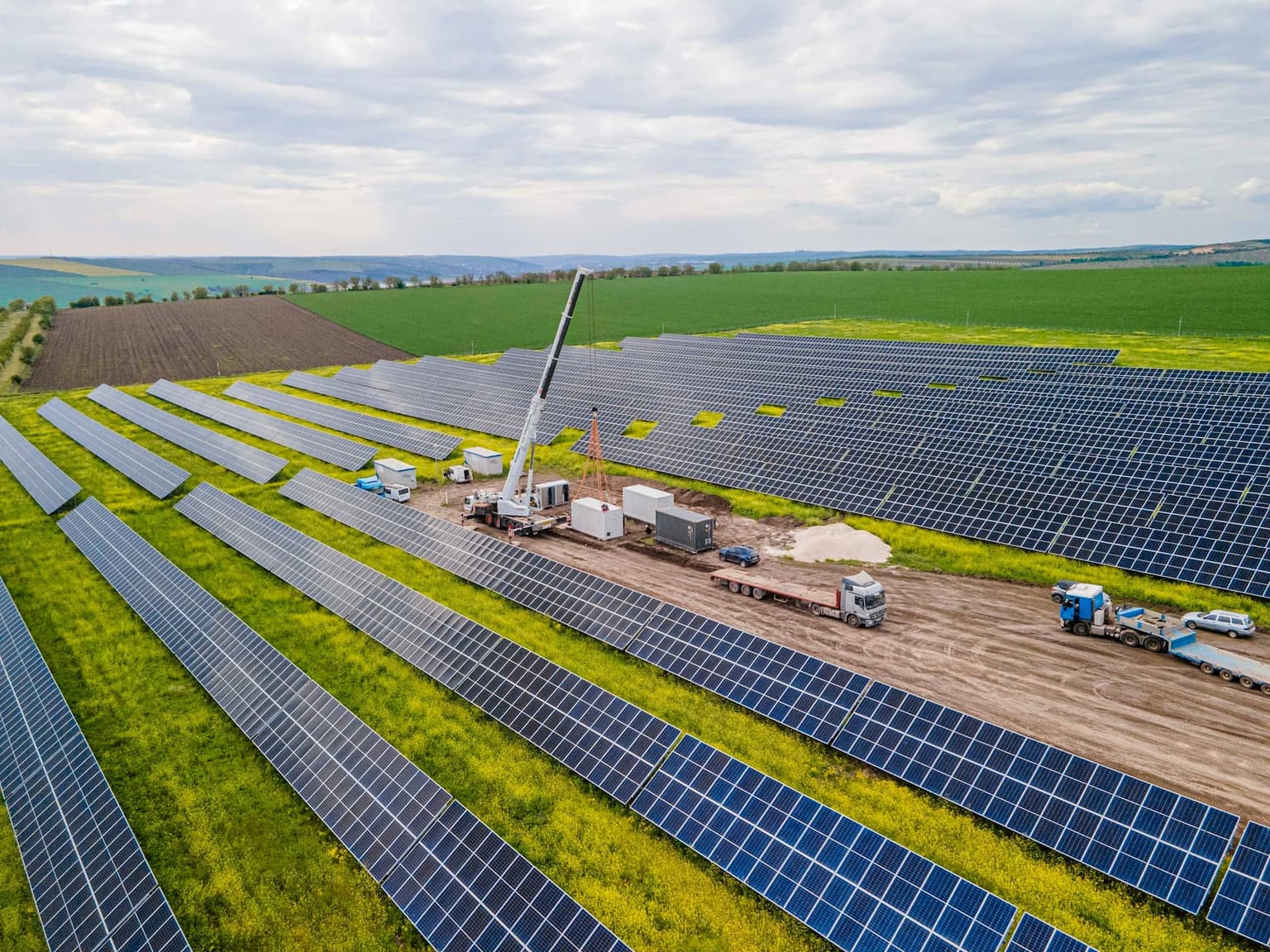
Solar power plants in Czechia had generated more electricity by early October than they did in the whole of last year. However, their output is growing more slowly year on year than it did last year. The increase in newly installed capacity, based on licences granted, was almost the same in the first three quarters. New large-scale solar plants are also beginning to have a more noticeable impact on the statistics.
According to ENTSO-E statistics, solar power plants in Czechia generated around 4.75 terawatt-hours of electricity by 6 October 2026, compared with approximately 4.71 TWh for the whole of 2025. The difference is still small, but significant. Their output surpassed last year’s full-year generation before the end of October.
Read the full article HERE.
Energostat: electricity generation in Czechia
Data in this chart is also available in 15-minute resolution60min15min
Energostat: electricity generation in Germany
Data in this chart is also available in 15-minute resolution60min15min
More up-to-date charts and data are available on Energostat
Translation disclaimer
This article is a machine translation of the Czech original and has not yet been fully reviewed. In case of any doubt, please refer to the Czech version.
Sdílejte článek prostřednictvím:
Topics:Energy Weekly
You might also like
11 October 2026, 08:24

10 October 2026, 13:19
10 October 2026, 07:37