
24 September 2026, 11:23
Loading...
Czech households to pay tens of crowns more next year for regulated energy charges

oEnergetice.cz, ČTK
28 November 2025, 11:12
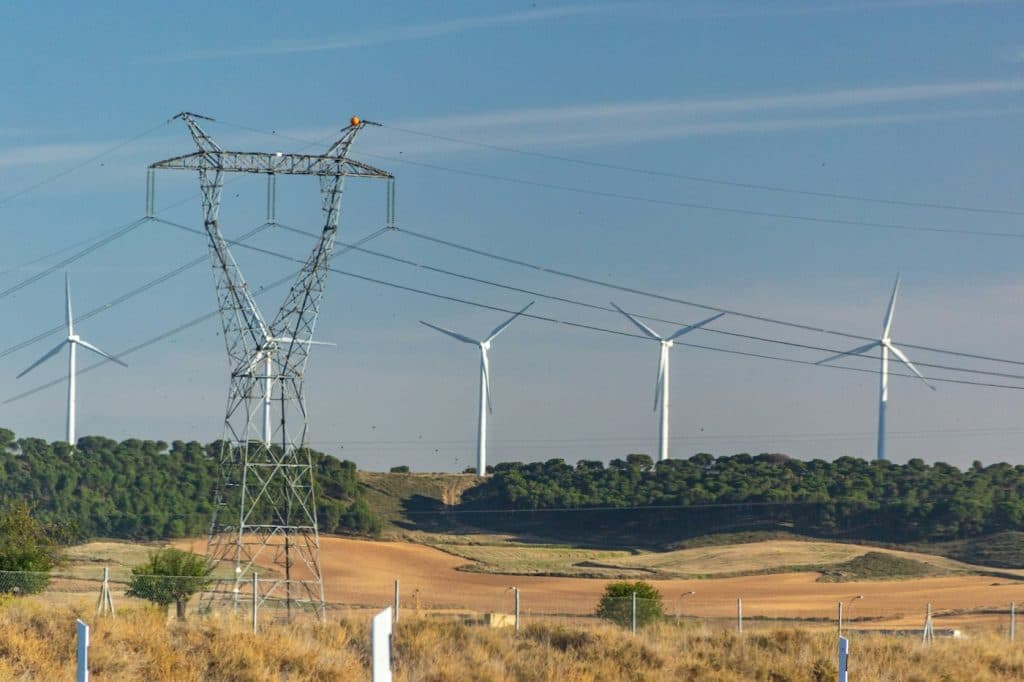
Households will pay tens of crowns more next year for the regulated part of energy prices. The Energy Regulatory Office (ERÚ) has decided. The state-set component of household electricity prices is set to rise by an average of 1.1 percent year on year, while for gas it will increase by 4.7 percent. Jan Šefránek, chairman of the ERÚ Council, said this at a press conference today. However, this may not be the final level of regulated prices. If the new government decides on the promised change to the financing of supported energy sources (POZE), state-set prices will instead fall by more than 15 percent, the authority said.
Today’s ERÚ decision is based on the current conditions, including state subsidies for supported energy sources amounting to 24.6 billion crowns. The ANO movement, winner of the lower house election, had previously indicated that if it forms a government, it would seek to shift all POZE costs to the state, reducing consumers’ expenses by around 20 billion crowns. The ERÚ said it was ready to adjust regulated energy prices immediately should changes be made.
The final energy prices paid by consumers consist of a commercial and a regulated component. The commercial part is set by suppliers, while the regulated part is set by the state through the ERÚ. For electricity, the regulated component will account for 45 percent of the final price for households next year, and around 25 percent for gas. For large consumers, the regulated component’s share of the final price will be lower. The regulated part of the price mainly includes transmission and distribution charges, and for electricity it currently also includes a contribution towards renewable energy sources.
Under the current ERÚ decision, the regulated component of electricity prices at low voltage, primarily for households, will rise by 1.1 percent. This means an increase of around CZK 29 per megawatt-hour (MWh) consumed on average, while average household consumption is around three MWh per year. For larger consumers connected at high voltage, the regulated price will instead fall by 5.8 percent, and by 11.8 percent at very high voltage. This would represent a decrease of several tens of crowns per MWh.
For gas, the ERÚ decided to increase the regulated component by 4.7 percent for small consumers, or around CZK 22 per MWh. For large consumers, the regulated part of the gas price will rise by 4.5 percent, or roughly CZK 10 per MWh.
According to Šefránek, the authority took into account the need for investment in the networks, while inflation was also reflected in the price increase. Conversely, lower costs of covering technical losses and ensuring system services are having a positive effect on prices, he said.
"When setting regulated prices, we must follow the currently valid government resolution, which allocates a subsidy of 24.6 billion crowns from the state budget for POZE. If a decision is made in future to transfer all POZE support to the state, we are ready to issue an amended price decision without delay," Šefránek said.
According to him, such a change could be completed within around 14 days.
Despite the increase in regulated prices, a slight decline in final prices can be expected due to lower prices from suppliers, according to the authority. However, the changes will vary significantly depending on the consumer’s specific contract, the ERÚ warned.
Translation disclaimer
This article is a machine translation of the Czech original and has not yet been fully reviewed. In case of any doubt, please refer to the Czech version.
Sdílejte článek prostřednictvím:
You might also like


24 September 2026, 10:30

24 September 2026, 06:56

23 September 2026, 17:27