Czech power-sector emissions fell 16% last year, while the EU saw its largest-ever decline

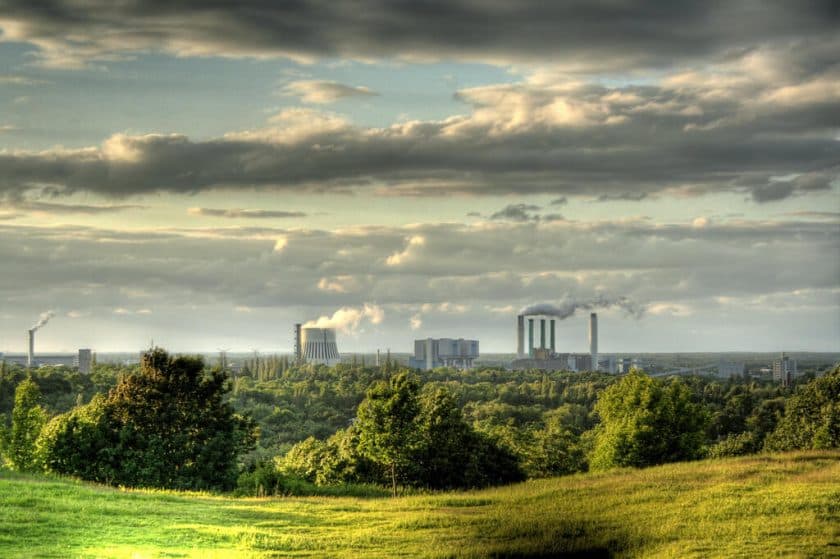
Power-sector emissions in Czechia fell by 16 percent year on year last year. The main reason was lower exports of coal-fired electricity, while lower consumption and the expansion of renewable energy sources also helped. This is according to data from Ember, highlighted today by the Modern Energy Union and the Alliance for Energy Self-Sufficiency. Across the EU, emissions in the energy sector fell by around 19 percent last year, the largest decline on record.
According to the union, the vast majority of European countries recorded a significant drop in power-sector emissions. In 11 of them, it said, the decline was a record. In connection with the emissions drop, the union drew particular attention to the decline in fossil fuel generation in the EU. Fossil fuels now account for less than a third of electricity production. Coal-fired generation fell by 26 percent and gas-fired generation by 15 percent, the union said. This would represent the largest declines for both fuels since 1990.
Lower energy consumption also contributed to the decline in electricity generation from fossil fuels. Demand in the EU fell by 3.4 percent in 2023 compared with 2022 and was 6.4 percent lower than in 2021, when the energy crisis began.
The union also highlighted the growing use of renewable energy sources in Europe’s energy sector. Combined generation from wind and solar power rose by a record 90 terawatt-hours in Europe, while installed capacity increased by 73 gigawatts, it said.
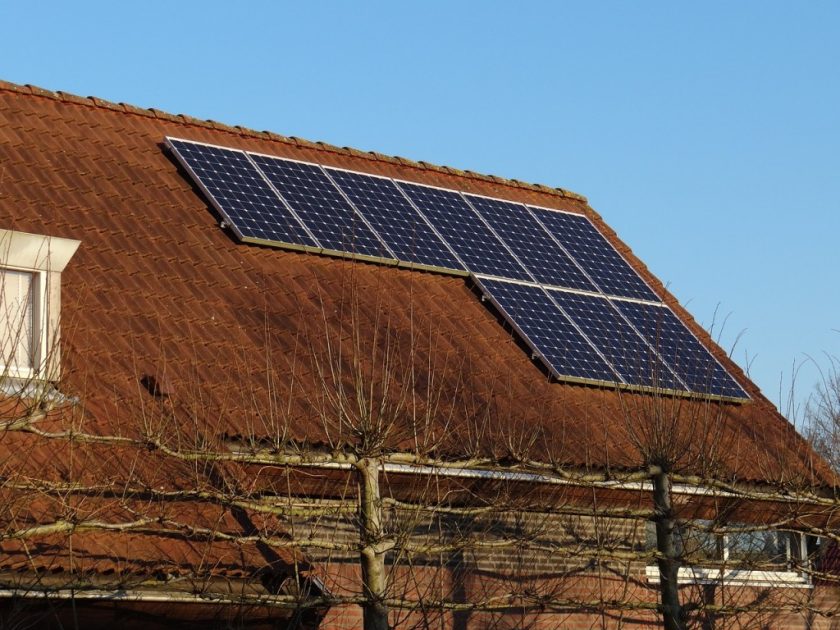
„The significant increase in installed renewable capacity shows that the targets for 2030 can be much more ambitious than we thought until recently. Europe is experiencing a literal energy revolution, and Czechia must not be left behind. Raising the targets in the Czech climate and energy plan to 33 percent green energy by 2030 should be just the beginning, and it is time to start preparing for further milestones too, such as the recently approved 90 percent emissions reduction by 2040,“ said Martin Sedlák, programme director at the Modern Energy Union.
According to the Alliance for Energy Self-Sufficiency, the EU’s current ambition of achieving at least a 45 percent share of renewables in total consumption by 2030 would nearly double the current share. „The targets set by member states in their national climate and energy plans, however, are currently not sufficient to meet this ambition. All Visegrad Four countries have lower targets for the share of renewables by 2030 than the European Commission recommends, and they therefore do not reflect the options currently available,“ said Tatiana Mindeková, a consultant at the Alliance for Energy Self-Sufficiency.
This week, the European Commission proposed that the EU set a target of reducing greenhouse gas emissions by 90 percent by 2040 compared with 1990. Environmentalists say this is an opportunity for Czechia to strengthen its energy security more quickly.
Translation disclaimer
This article is a machine translation of the Czech original and has not yet been fully reviewed. In case of any doubt, please refer to the Czech version.




