6 November 2026, 14:13
Loading...
Expert: Czech wholesale electricity prices to fall for two years, no gas problems expected

oEnergetice.cz, ČTK
20 September 2023, 12:33
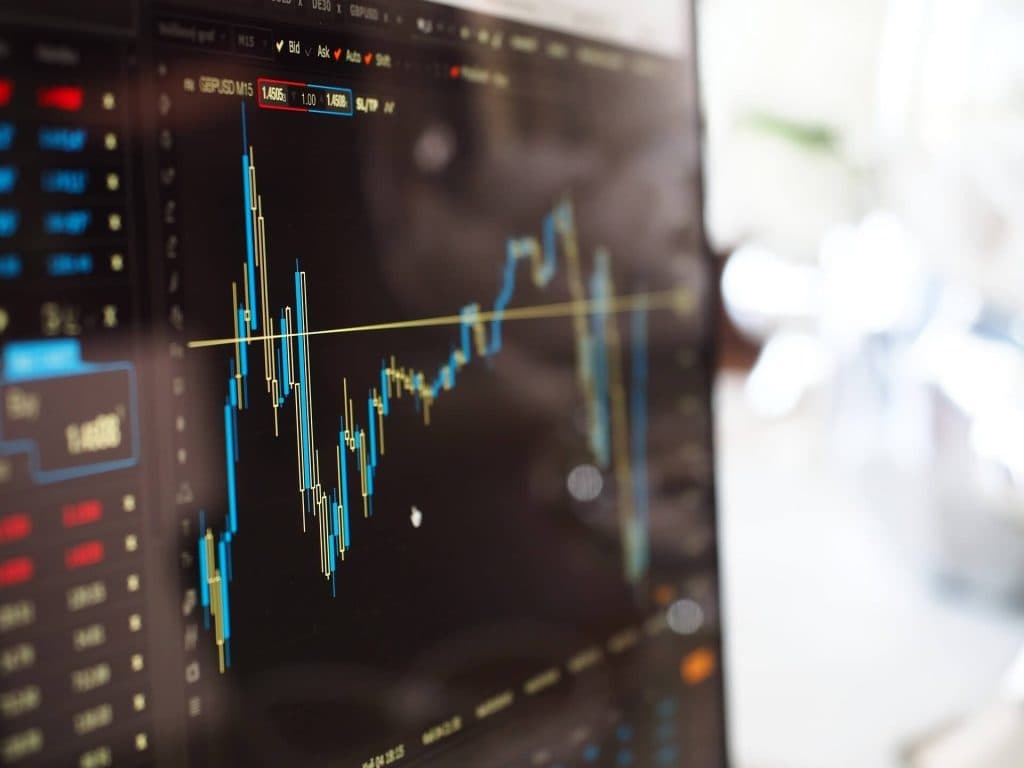
There is no short- or long-term risk of problems with natural gas supplies to European Union countries, and its price could fall to slightly above the long-term average for 2010 to 2021. Wholesale electricity prices will fall, with small consumers also seeing the change after a certain delay. Michal Macenauer, strategy director at consultancy EGÚ Brno, told the Czech News Agency today at the Energetika 2023 conference organised by EGÚ.
„The average wholesale electricity price for delivery in 2023 is around 250 euros (equivalent to 6100 crowns) per megawatt-hour (MWh). But prices for end consumers were capped as if the price were approximately 175 euros (4270 crowns) per MWh. Electricity for 2024 will probably be traded at only 150 euros (3660 crowns) per MWh, and for 2025 the price will be around 130 euros (3170 crowns) per MWh. Small consumers can therefore expect year-on-year decreases in the price of electricity of approximately 15 percent over the next two years,“ Macenauer said.
He stressed that the price of electricity accounts for about 60 percent of the total price for small consumers.
Electricity prices are closely linked to changes in natural gas prices. With no risk of problems with gas supplies to the EU in the foreseeable future, gas prices are gradually falling. Macenauer noted that their further development will depend on the approach taken by the EU’s political leadership. „If it focuses on long-term contracts, it can bring prices down to a level only slightly above the 2010–2021 average,“ he added.
However, two factors will gradually be reflected in household electricity prices. In 2024, the state will probably stop paying the costs of supporting electricity sources on behalf of consumers. Costs for distributing and transmitting electricity will also gradually increase. „For small consumers, the return of payments to support renewable and other energy sources will mean an expense of around 500 crowns per MWh. Rising costs for distributing and transmitting electricity are related to the modernisation and decarbonisation of the energy sector. And it will depend on the pace of that process: whether the EU’s political leadership proceeds hastily, at greater cost, or efficiently, but more slowly,“ said Michal Macenauer.
The pace of energy-sector decarbonisation is the main topic of the conference, the largest of its kind in Czechia. Experts say the targets set by the European Union are too ambitious and are beginning to run up against physical and economic limits. „There is no doubt that decarbonisation is necessary. The problem is the excessive pressure to move quickly, which undermines confidence that the targets can be achieved. Small projects supported by the state will not make much difference, while large projects such as nuclear power or gas-fired generation are very costly and difficult to finance when their returns are hard to predict,“ the EGÚ strategy director warned.
He noted that the same outcome—100 percent decarbonisation of EU countries—could be achieved by reducing CO2 emissions in the rest of the world by just eight percent. Decarbonisation therefore needs to be coordinated more globally, with a focus on the actions of China and India and of emerging economies in Asia and Africa, he said.
Translation disclaimer
This article is a machine translation of the Czech original and has not yet been fully reviewed. In case of any doubt, please refer to the Czech version.
Sdílejte článek prostřednictvím:
You might also like

6 November 2026, 10:25