
24 September 2026, 11:23
Loading...
Experts: Rise in regulated energy price component driven by need for Czech grid investment

oEnergetice.cz, ČTK
28 November 2025, 13:29
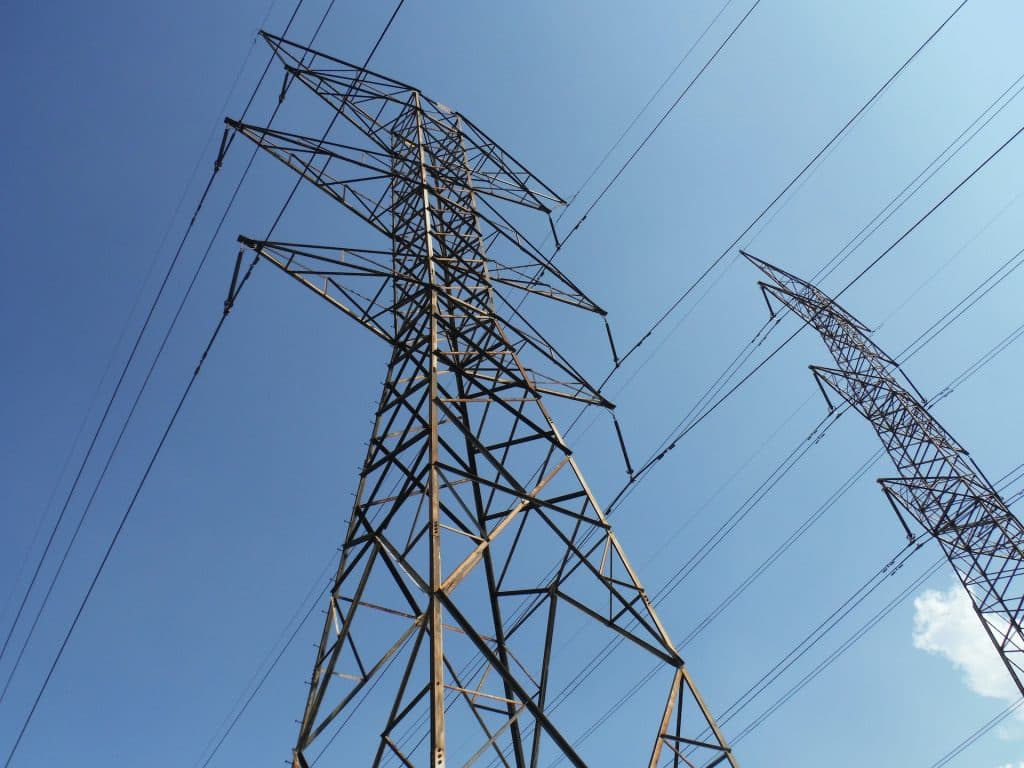
According to analysts, the increase in the regulated component of household energy prices next year is a consequence of the need for massive investment in domestic energy grids. This need will become even more pronounced in the coming years. Nevertheless, final energy prices for households will be somewhat lower next year, as suppliers are cutting prices. This follows from comments by analysts approached by ČTK.
Households will pay tens of crowns more next year for the regulated component of energy prices, the Energy Regulatory Office (ERÚ) announced today. The state-set portion of household electricity prices is to rise by an average of 1.1 percent year on year, and by 4.7 percent for gas. By contrast, the regulated electricity price for large consumers will fall. However, these may not be the final regulated prices.
If the new government decides on the promised change in financing for supported energy sources (POZE), state-set prices will instead fall by more than 15 percent, the authority said.
The Czech Energy Association noted that regulated prices reflect the need for investment in the domestic energy sector, which is undergoing major transformation. “This is why we point out the need to address changes in the tariff structure and the effective use of Modernisation Fund resources in order to mitigate price increases for customers. We likewise support measures to reduce the POZE charge, which should primarily lead to improved competitiveness of domestic industry,” said Josef Kotrba, executive director of the Czech Energy Association.
According to Michal Macenauer, strategy director at consultancy EGU, the ERÚ's pricing decision confirms the direction the authority had previously signalled. In his view, the rise in regulated electricity and gas prices for households is also a consequence of the need for major investment. “Neither distributors nor the ERÚ have any choice but to follow this direction set by politicians,” he noted. For gas, Macenauer expects further price rises in the coming years, particularly as district heating undergoes transformation.
He welcomed the reduction in regulated electricity prices for large consumers. “It is excellent news at a time when major EU industrial countries are massively subsidising, or preparing to subsidise, not only regulated prices for energy-intensive industries but also commodity electricity,” Macenauer said.
According to him, another invisible factor is at work in both electricity and gas. “It is the rapid increase in the price of almost everything that needs to be installed in existing grids as a result of decarbonisation. Compared with equipment currently in operation, the purchase price is often several times higher,” Macenauer added.
According to Lukáš Kaňok of the Kalkulátor.cz website, despite the slight increase in the regulated component of energy prices, households should pay somewhat less for electricity in 2026 than this year. “How much they save will mainly depend on themselves. Suppliers have been reducing prices very slightly, and those who are active can save up to 30 percent,” Kaňok said.
Translation disclaimer
This article is a machine translation of the Czech original and has not yet been fully reviewed. In case of any doubt, please refer to the Czech version.
Sdílejte článek prostřednictvím:
You might also like

24 September 2026, 10:30
24 September 2026, 06:56
23 September 2026, 17:27