
24 September 2026, 11:23
Loading...
Government approves shift of all supported-energy payments to the state, electricity to become cheaper in Czechia

oEnergetice.cz, ČTK
16 December 2025, 15:14
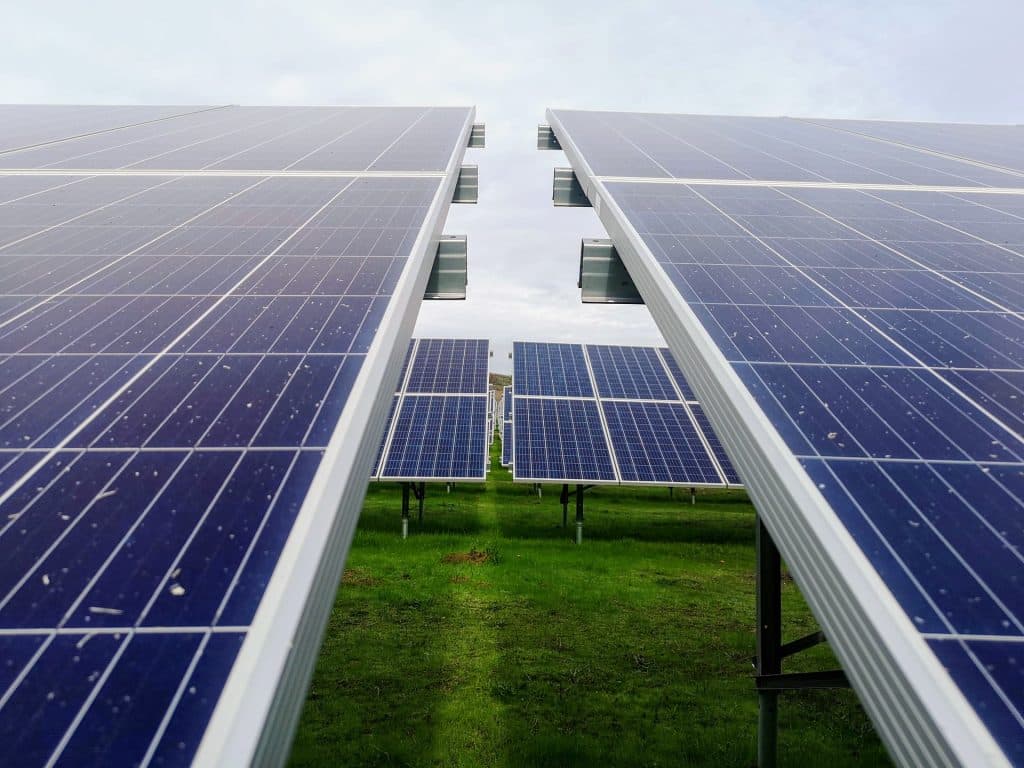
Next year, the state will take over all financing of supported energy sources (POZE). This will newly add around Kč 17 billion to the 2026 state budget, meaning the state will pay more than Kč 41 billion in total for the charges. The government of ANO, SPD and Motorists approved the measure today, aiming to reduce regulated electricity prices. The measure should cut the regulated component of energy bills for households by more than 15 percent compared with this year, and by even more for businesses. Industry and Trade Minister Karel Havlíček (ANO) said this at today’s press conference following the cabinet meeting. Until now, POZE financing had been shared between the state and consumers.
Most consumers should therefore save on electricity next year compared with this year. In addition to the regulated component of the electricity price, the component set by suppliers is also gradually declining.
POZE contributions are intended to support electricity generation from renewable sources and high-efficiency combined heat and power production. Since their introduction in 2006, more than half a trillion crowns has been paid out in total. The state provided part of the subsidies, while consumers paid the remainder through their electricity bills. The exception was 2023, when, due to the sharp rise in prices during the energy crisis, the government decided to shift all payments to the state on an exceptional basis. Under the original resolution approved by the previous government of Petr Fiala (ODS), the state budget contribution to POZE in 2026 was to amount to Kč 24.6 billion, with consumers paying the remaining more than Kč 17 billion.
Today’s government decision will shift all payments to the state. According to Havlíček, the aim is to make electricity cheaper for consumers. According to earlier calculations by the Energy Regulatory Office (ERÚ), the regulated component of the electricity price for households should fall by more than 15 percent next year compared with this year. The decline should be more pronounced for larger consumers: around a fifth at high voltage and up to 30 percent at very high voltage.
"The Czech Republic has by far the highest electricity prices in Europe when adjusted for purchasing power. This affects households and has a devastating impact on companies, making them less competitive," Havlíček said.
In a number of other EU countries, he said, states regulate energy prices in various ways and thus help companies with their costs.
The government has therefore instructed the ERÚ to revise its price decisions for next year, the minister said. In recent weeks, the ERÚ had indicated that it was ready to incorporate any changes in POZE financing immediately. The currently valid price decision, based on the originally planned division of the charges, envisaged an annual increase of 1.1 percent in the regulated electricity price for households, or tens of crowns per megawatt-hour consumed. According to the ERÚ, incorporating the changes should take around 14 days.
Energy companies had also prepared in advance for changes to POZE payments, declaring that they were ready to reflect them immediately, including during the holidays. "If the abolition of the POZE charge takes effect from 1 January 2026, we will reflect the lower prices in customers’ advance-payment settings from 2 January," said ČEZ spokesperson Roman Gazdík.
Other charges included in regulated prices will remain in force, according to Havlíček. These include, for example, charges for distribution and other services.
POZE payments since 2015 (in Kč billions):
| Year | Total costs | Payments covered by the state | Payments covered by consumers |
| 2015 | 43,9 | 15,7 | 28,2 |
| 2016 | 43,5 | 19,3 | 24,2 |
| 2017 | 45,7 | 24,2 | 21,5 |
| 2018 | 46,5 | 26,2 | 20,3 |
| 2019 | 45,6 | 26 | 19,7 |
| 2020 | 45,6 | 26 | 19,6 |
| 2021 | 43,5 | 22,2 | 21,2 |
| 2022 | 39,2 | 26,2 | 13,1 |
| 2023 | 25,4 | 25,4 | 0 |
| 2024 | 37,3 | 14,9 | 22,4 |
Source: ERÚ
Translation disclaimer
This article is a machine translation of the Czech original and has not yet been fully reviewed. In case of any doubt, please refer to the Czech version.
Sdílejte článek prostřednictvím:
You might also like

24 September 2026, 10:30
24 September 2026, 06:56

23 September 2026, 17:27