6 November 2026, 14:13
Loading...
Higher regulated energy prices in Czechia will push up inflation next year, analysts say

oEnergetice.cz, ČTK
1 November 2023, 12:48
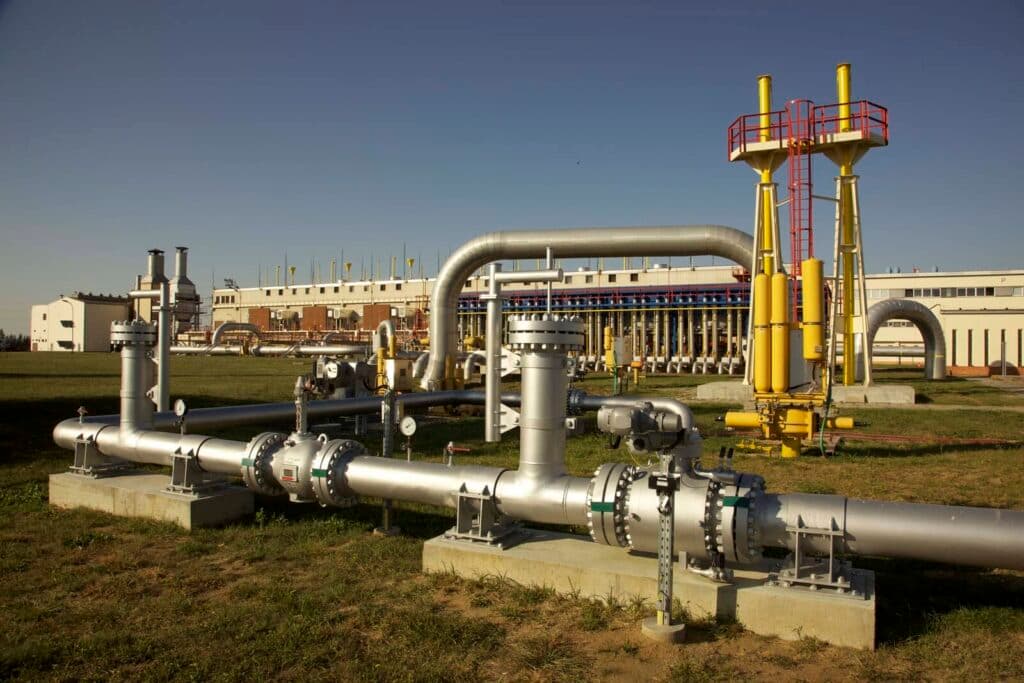
The increase in the regulated component of energy prices proposed by the Energy Regulatory Office (ERÚ) will push up inflation in January and could complicate the return to the Czech National Bank’s (ČNB) two-percent inflation target. Analysts contacted by the Czech News Agency (ČTK) agree. They also point out that the price increase is linked to savings in the state budget, which, unlike this year, will not fully cover the costs associated with supporting renewable energy sources (RES).
Under the proposal put forward by ERÚ on Tuesday, the regulated component of electricity prices would rise by 71 percent year on year, meaning an average increase of around 1408 Kč per megawatt-hour (MWh), including VAT. The regulated component of electricity prices for large consumers will rise even more sharply, by 113 percent year on year at the high-voltage level and 206 percent at the very-high-voltage level. The increase in the regulated component of gas prices is expected to be somewhat lower.
„The increase in the regulated component of electricity prices is quite substantial and will certainly be reflected in overall inflation, potentially complicating the return to the central bank’s inflation target,“ said Deloitte analyst David Marek.
„If the regulated component of household electricity prices rises as proposed by ERÚ, it will add 0.9 to 1.0 percentage points to consumer inflation. The impact may be partly offset by a fall in wholesale electricity prices, but this is more likely to happen gradually than through a sharp price drop in January. The increase in January inflation attributable to electricity prices will therefore be noticeable,“ said UniCredit Bank chief economist Pavel Sobíšek.
Jakub Seidler, chief economist at the Czech Banking Association, pointed out that forecasts for electricity prices next year are subject to considerable uncertainty because of movements in the price of the commodity itself. „Current expectations are that it will become cheaper, thereby reducing the overall impact of the increase in regulated components. For now, we expect the total price of electricity, including the regulated component, to rise by around 15 percent next year, adding approximately half a percentage point to inflation,“ Seidler said.
Marek also pointed to the impact of higher electricity prices on the performance of the Czech economy. Higher electricity prices will reduce Czech households’ disposable income and, the analyst said, could slow or postpone the expected economic recovery next year.
Sobíšek noted, however, that ERÚ’s proposal for large consumers could still change. „Dramatic statements about the possible collapse of Czech industry will be part of interest groups’ lobbying ahead of the government’s final decision,“ he said. On Tuesday, the Confederation of Industry warned that higher energy prices could undermine the competitiveness of Czech companies against foreign rivals.
Marek recalled that the increase in the regulated component of electricity prices is linked to a reduction in the burden on the state budget. „RES charges were temporarily abolished, with the state budget taking on the burden. As part of fiscal consolidation, this cost is being shifted back onto electricity consumers,“ he said. From the outset, the government had planned for the state’s assumption of renewable energy charges to be temporary.
On Tuesday, Minister of Industry and Trade Jozef Síkela (STAN) said the main reason for the increase in the regulated component of energy prices was that the state had subsidised it this year to the tune of around 110 billion Kč. This mainly covered compensation for price caps, payments for renewable energy sources and the costs of system services.
Translation disclaimer
This article is a machine translation of the Czech original and has not yet been fully reviewed. In case of any doubt, please refer to the Czech version.
Sdílejte článek prostřednictvím:
You might also like

6 November 2026, 10:25