Industry group: Energy and emissions allowance prices undermine competitiveness of Czech construction firms

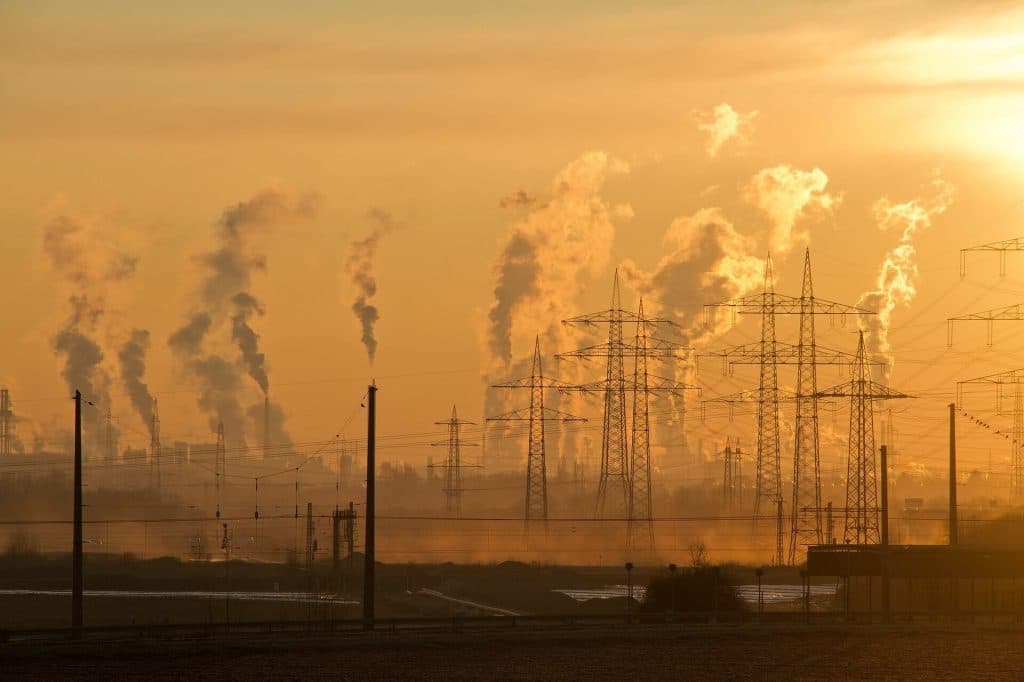
High energy prices and emissions allowance prices are driving up the cost of construction materials, weakening the competitiveness of Czech construction firms in European and global markets. At the same time, housing is becoming less affordable in Czechia, the Association of Construction Entrepreneurs (SPS) said in a press release. According to the association, the enormous increase in costs last year led to a 20 to 50 percent drop in the production of construction materials, depending on the product type. As a result, housing affordability is unlikely to improve significantly in the first half of this year. The government should therefore take action to curb rising costs, the association said.
„The government needs to step up its efforts to rescue and support Czech industry. We can see examples of much more favourable energy price conditions in neighbouring countries. Some countries, Poland for example, are directly intervening to lower mortgage interest rates. We certainly cannot suspect them of being unaware of the construction sector’s macroeconomic importance and its contribution to state budget revenues,“ said Roman Blažíček, SPS vice-president and managing director of ceramic tile manufacturer Lasselsberger.
SPS President Jiří Nouza said that the Czech Statistical Office’s (CZSO) data to date show that Czech construction output fell by more than two percent in 2023 compared with the previous year. According to CZSO, construction output fell by 6.5 percent last November. Month on month, construction output in Czechia was down 3.8 percent.
Energy prices have risen by around 200 percent compared with 2021, according to the association, forcing some employers in the construction materials sector to cut their workforce by more than ten percent. The serious threat extends beyond manufacturers of glass, fired bricks and ceramics to producers of cement and insulation materials, the association said. It said exports outside the European Union are very difficult, and Czech products are no longer competitive in markets outside Europe.
The price of EU emissions allowances fell for the seventeenth consecutive month last November, according to S&P Global’s Purchasing Managers’ Index (PMI). In December last year, it lost around five percent, falling below 72 euros (1755 Kč) per tonne. Statistics show it was at its lowest level in more than a year. Analysts say the decline was driven by weak demand amid problems in industry, as well as falling natural gas prices. Last spring, the allowance price reached a record high of around 105 euros per tonne.
Ten years ago, EU emissions allowances traded at between five and seven euros per tonne, and their price began to rise more significantly in 2017. It climbed from around five euros to about 25 euros by mid-2019, before falling below 15 euros per tonne at the start of the COVID-19 pandemic in spring 2020. By that summer it was above 27 euros, and it then surged to more than 70 euros per tonne by the end of 2021. Last year, the price fluctuated between around 65 and 98 euros per tonne.
Translation disclaimer
This article is a machine translation of the Czech original and has not yet been fully reviewed. In case of any doubt, please refer to the Czech version.




