25 September 2026, 09:51
Loading...
2025 marked by negative electricity prices: new records set in Czechia and beyond

Eduard Majling
24 January 2026, 08:34
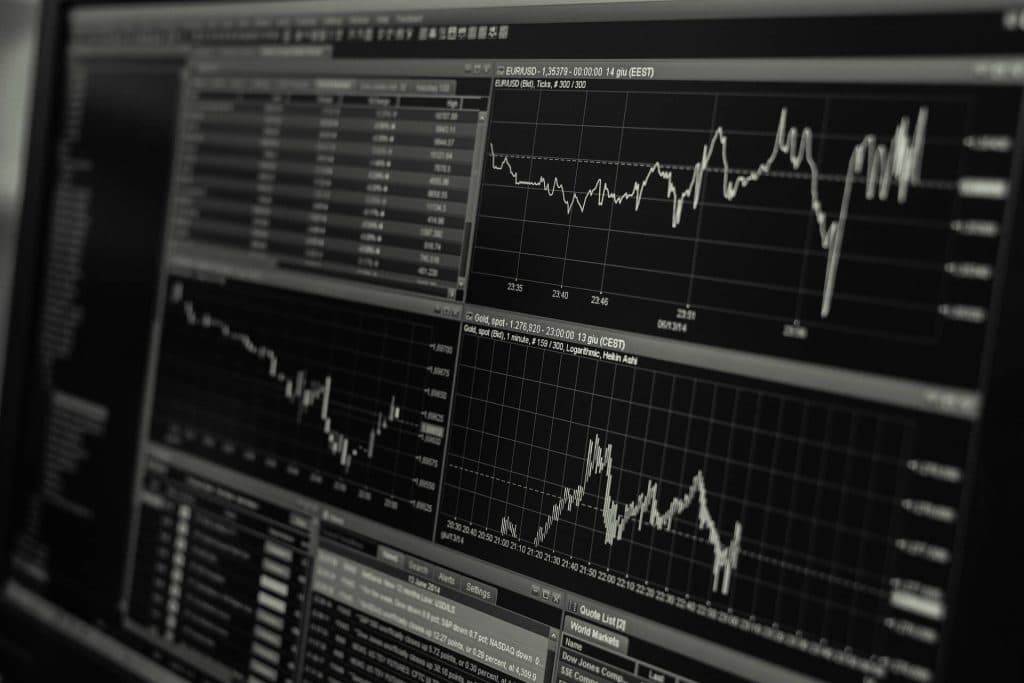
Last year again brought no fundamental change in the trend of the growing occurrence of negative or zero electricity prices on short-term markets. As in the previous two years, the occurrence of negative prices increased, at a faster or slower pace depending on the region of Europe. In the case of the Czech day-ahead electricity market, the increase was not as strong last year as in the previous year; however, the number of such hours grew at a similar pace in neighbouring Germany and other countries.
Negative electricity prices have become an increasingly common phenomenon in a number of European countries in recent years. While negative or zero prices are not new to the past two or three years, their occurrence began to rise sharply during this period. Before the energy crisis, electricity prices on European day-ahead markets fell below zero for tens of hours per year; in recent years, this has already risen to hundreds of hours.
The sharp increase in periods with negative prices is primarily due to growing installed capacity of renewable sources, particularly solar power plants. Although selling electricity at negative prices may seem counterintuitive from a commercial perspective, operating support means that some renewable energy operators across Europe do not need to take market prices into account. While operating support for new sources in the Czech Republic has been halted or severely limited for a number of years, electricity prices also fall below zero on the local market due to the interconnected single electricity market across Europe.
Some European countries, including neighbouring Germany, are seeking to address this situation by limiting support payments during hours, or now quarter-hours, in which prices on the day-ahead market fall below zero. Even in these cases, however, electricity prices can fall to zero, which similarly has a negative impact on the potential operation of power sources on a purely market basis. Since last autumn, the European short-term market has undergone a fundamental change, with the day-ahead market moving to a quarter-hourly trading interval. However, the following data and charts use hourly averages for comparison purposes.
North-western Europe leads in negative prices. But electricity is most often traded for free in the sunny south
In 2025, one of Sweden's bidding zones, specifically SE2, became the leader in terms of negative prices. In Scandinavian countries, it is common for countries to be divided into multiple bidding zones. Elsewhere in Europe, with the exception of Italy, bidding zones generally correspond to individual countries. In the case of the SE2 zone, a combination of high hydropower generation and the inability to transmit this electricity to other parts of Sweden, particularly the more densely populated south of the country, led to a record-high occurrence of negative prices.
At the national level, however, another country led the way: the Netherlands. In the Netherlands, the occurrence of negative electricity prices rose from fewer than one hundred hours in 2022 to nearly 600 hours in 2025. Including hours with a zero price, the total reached as many as 650 hours last year. As in other countries, the cause is the sharp growth in installed solar capacity in recent years, since most negative-price hours occur around peak generation at midday during the spring and summer months.
Germany ranked second last year, having faced negative electricity prices for more than a decade. Germany was not far behind the Netherlands, recording a total of 570 hours with a negative price last year. Including hours with zero electricity prices, the total was 632 hours.
Spain took third place, although until recently the phenomenon of negative electricity prices had not been a significant issue there. Over the past two years, however, their occurrence has risen sharply, reaching 247 hours in 2024 and 590 hours last year. When it comes to hours with a zero electricity price, Spain comfortably surpasses both the Netherlands and Germany, as their number approached 800 hours over the previous two years.
The occurrence of negative electricity prices is also growing on the domestic market
The situation on the Czech market is not yet as dramatic as in the countries mentioned above; nevertheless, the number of hours with a negative or zero price continues to grow here as well. The largest jump occurred in 2024, while last year the number of such hours increased only slightly. Electricity prices on the local market fell below zero for a total of 322 hours last year; including zero prices, the total would be 392 hours.
Further insights from the Czech power sector can be found in our report Power sector in the Czech Republic in 2025here.
Translation disclaimer
This article is a machine translation of the Czech original and has not yet been fully reviewed. In case of any doubt, please refer to the Czech version.
Sdílejte článek prostřednictvím:
You might also like

24 September 2026, 11:23

24 September 2026, 10:30
24 September 2026, 06:56