25 September 2026, 09:51
Loading...
Czech electricity exports rose last year after years of decline

oEnergetice.cz, ČTK
12 January 2026, 14:37
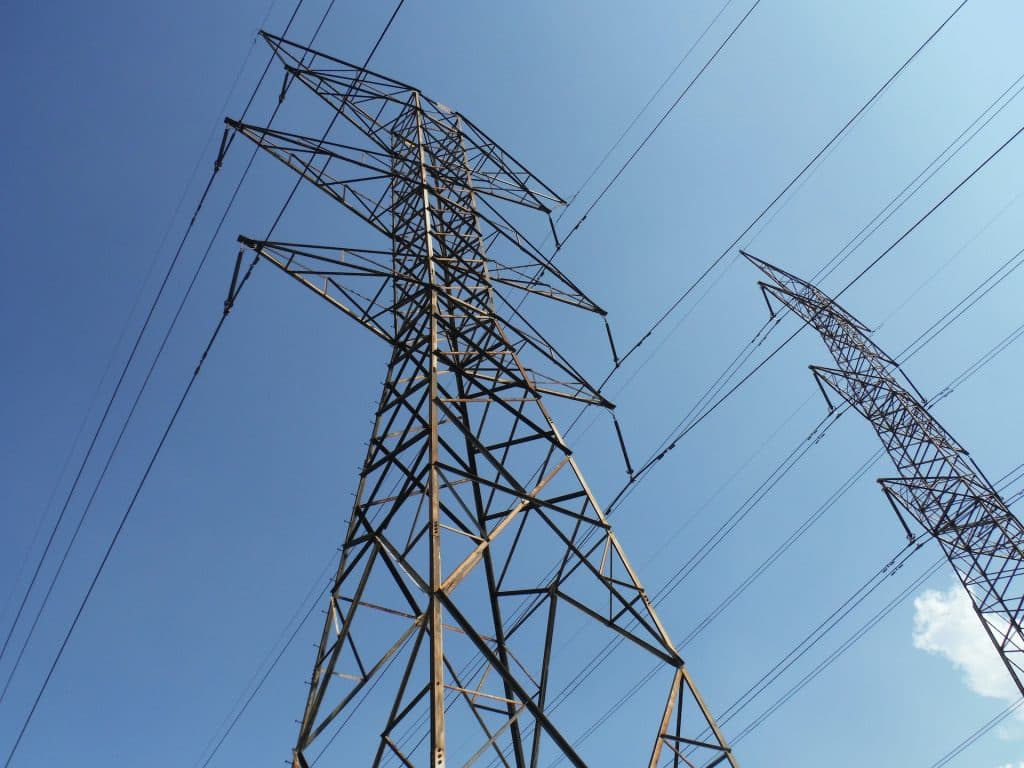
Electricity exports from the Czech Republic rose last year after years of decline. Net exports stood at 7.56 terawatt-hours (TWh) last year, up around 15 percent year on year. The increase was driven mainly by higher output from domestic power plants. Most electricity was exported to Austria, while imports from Germany and Poland outweighed exports. This follows from data from transmission system operator ČEPS and the 2025 report by industry portal oEnergetice.cz.
Last year thus halted the long-term decline in Czech electricity exports, though likely only temporarily. According to an analysis by the Ministry of Industry and Trade published the year before last, the Czech Republic could become a net electricity importer as early as 2027. Electricity imports will rise in the coming years, mainly following the closure of coal-fired sources.
According to the statistics, the largest volume of electricity exported from the Czech Republic last year went to Austria, with net exports reaching 8.27 TWh. Slovakia followed with 4.36 TWh. However, this does not mean that these countries were always the final recipients, as electricity could have been routed onward through their territories. By contrast, imports into the Czech Republic from Poland already outweighed exports last year, with the overall balance amounting to 0.88 TWh of imported electricity. As recently as the year before last, exports had slightly prevailed. The Czech Republic has been a net electricity importer from Germany for longer, with net imports from there rising to 4.2 TWh last year.
Last year's balance of cross-border electricity flows was the result of increased generation at Czech power plants, which rose for the first time since 2021. Net electricity generation in the Czech Republic totalled 71.4 TWh last year, up 3.8 percent year on year.
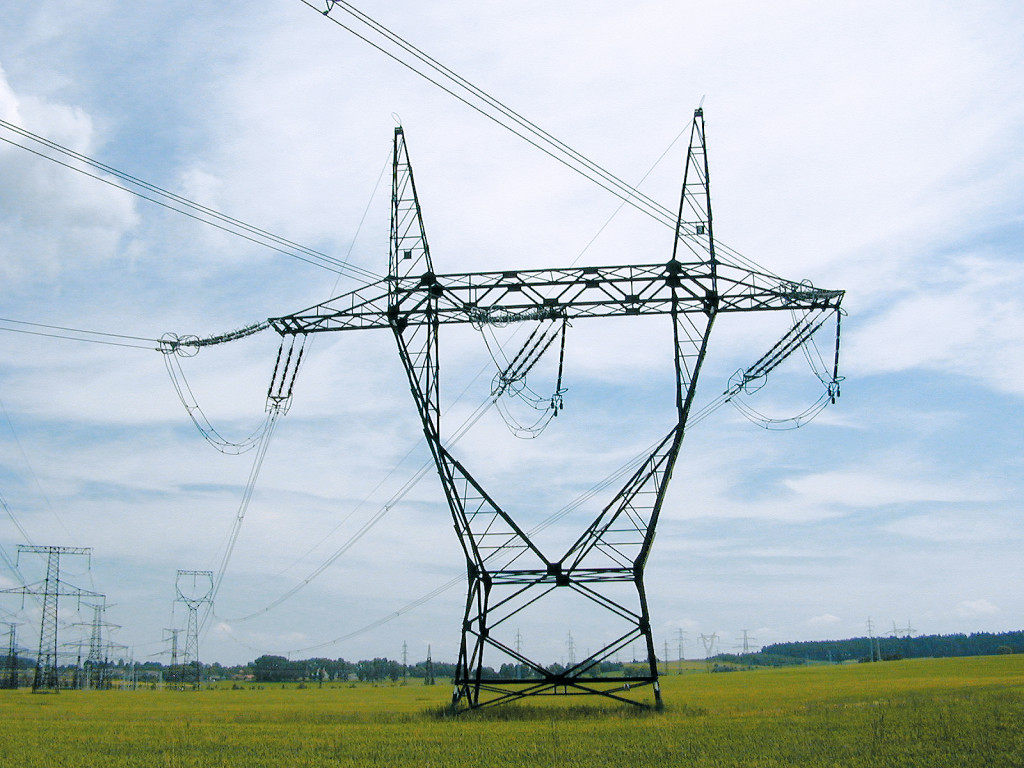
Power line. Source: ČEPS
Jan Palaščák, founder of energy group Amper, noted in this connection that a large number of coal-fired sources remain in operation in the country, meaning the installed capacity of power plants continues to exceed domestic demand. "Essentially, every year in which no major coal-fired unit is shut down adds several TWh of generation, while coal-fired electricity has traditionally been exported to a significant extent," Palaščák said.
However, he also warned that the economics of coal-fired sources are deteriorating rapidly and the Czech Republic's position as an electricity exporter could end within the next few years. "Developments will also depend on ČEPS's decision regarding the operation of Sev.en facilities. Although this is primarily a matter of Czech energy security, the decision will also affect our export capacity," Palaščák noted.
He was referring to the plan of billionaire Pavel Tykač's Sev.en group to end generation at the Chvaletice, Počerady and Kladno power plants around the turn of this year and next year. ČEPS is now assessing the impact of the planned closures on the domestic energy grid.
Translation disclaimer
This article is a machine translation of the Czech original and has not yet been fully reviewed. In case of any doubt, please refer to the Czech version.
Sdílejte článek prostřednictvím:
You might also like

24 September 2026, 11:23

24 September 2026, 10:30
24 September 2026, 06:56