
25 September 2026, 09:51
Loading...
£28bn investment in UK grid: Households face higher bills, Czech Republic follows trend

Lukáš Lepič
10 December 2025, 10:45
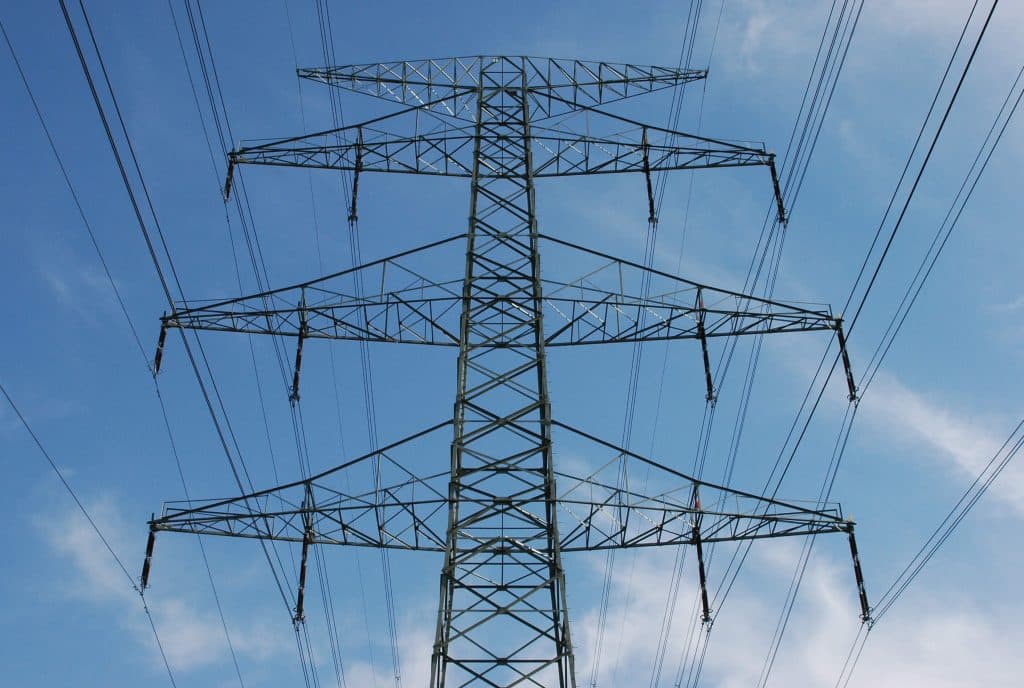
The UK has approved £28 billion in investment to modernise its gas and electricity networks, the biggest upgrade since the 1960s. The ambitious plan is intended to accelerate the transition to renewable energy, but it will also raise household bills by more than £100 a year. The Czech Republic and Germany are likewise facing similar pressure to invest and higher regulated charges as they seek to adapt their networks to rapidly growing demand and new energy trends.
According to the British daily Guardian, households will face higher energy bills after network companies were given the green light to spend £28 billion on UK gas and electricity networks. The increase in investment will be reflected in regulated charges for end consumers.
The modernisation of the UK grid thus fits into a broader European trend, with countries investing heavily in infrastructure to accommodate renewable energy connections and stabilise their energy systems.
Energy regulator Ofgem has approved spending plans worth more than £17.8 billion to modernise gas transmission and distribution networks over the five years from April 2026. A further £10.3 billion will be used to upgrade the nationwide high-voltage electricity grid – the largest grid expansion since the 1960s.
The multi-billion-pound plans exceed the £24 billion budget proposed by the regulator in the summer and represent initial spending under a broader investment plan for new projects and upgrades over the next five years which, if approved, could cost an estimated £90 billion.
The plans will fund more than 80 projects, including new high-voltage cables and upgrades to existing overhead lines, ahead of the government’s plan to become a green energy superpower by the end of the decade.
The projects will be financed through charges on household energy bills. By 2031, network charges are expected to rise by £108 a year, increasing from £222 to £330 annually, according to Ofgem, more than the £104 originally estimated in July.
A similar trend in the Czech Republic and Germany
Similar debates are currently taking place in the Czech Republic and across other European countries. A significant part of the Czech transmission system’s infrastructure is more than four decades old, and its operator ČEPS plans to invest more than CZK 100 billion by 2035. As in the UK, the ambitious plan will also affect end consumers.
In the Czech Republic, the Energy Regulatory Office (ERÚ) announced that the regulated component of the electricity price for low-voltage households rose by 65.7% year on year in 2024. This means that charges for distribution, network operation, renewable energy support and other regulated items increased significantly — in some model household examples, the total regulated component rose from roughly CZK 8,817 to CZK 12,823 a year. Nevertheless, the regulated component still accounts for only part of the total electricity price. In 2024, it accounted for roughly 39.2% for low voltage, ERÚ data show.
The investments include not only the construction or modernisation of lines, but also the installation of smart metering and the development of extensive IT infrastructure used to measure and manage the grid. Modernisation is already reflected in regulated components of electricity prices, which rose by more than 60% year on year in 2024.
A similar trend is also clearly visible in neighbouring Germany, which is undergoing an even faster energy transition and plans to invest up to €320 billion in grid development by 2045, including the Südlink megaproject. It aims to connect the northern and southern parts of the country.
Translation disclaimer
This article is a machine translation of the Czech original and has not yet been fully reviewed. In case of any doubt, please refer to the Czech version.
Sdílejte článek prostřednictvím:
You might also like

24 September 2026, 11:23

24 September 2026, 10:30
24 September 2026, 06:56