
24 September 2026, 11:23
Loading...
ČEPS: July blackout in Czechia caused by a combination of unrelated events

oEnergetice.cz, ČTK
19 December 2025, 10:42
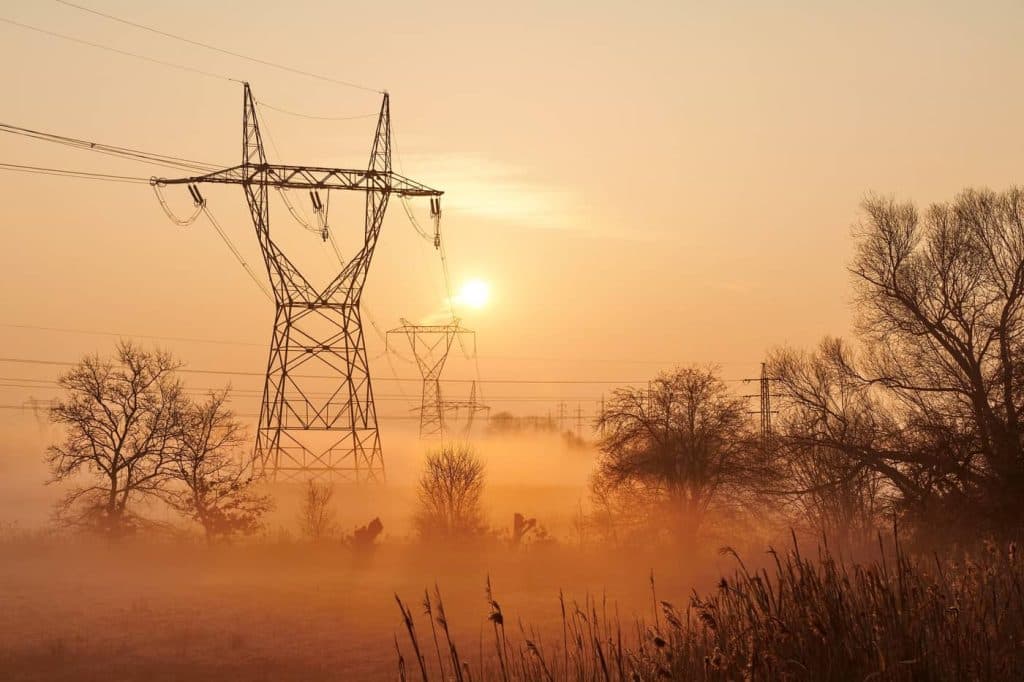
The July large-scale power outage in part of Czechia was caused by a combination of unrelated events. The main cause was a cable falling onto the V411 line, resulting from a faulty repair carried out previously. Further outages occurred alongside this. The system had not been overloaded beforehand. This was stated today by transmission system operator ČEPS. According to the company, it was an unprecedented situation.
The major power outage on 4 July, which lasted several hours, affected around one million customers. Czechia has 6.3 million metering points.
According to ČEPS, the event began with the fall of a phase conductor, which took the V411 line out of service. The line is used to export high output from power plants and transmit electricity over long distances. According to the system operator, the fall was caused by an incorrectly performed repair of a tension joint at the end of last year, which contained a hidden defect. At the same time, output in the grid also fell and other generating sources with a total capacity of around 470 megawatts (MW) in north-western Czechia went offline.
According to ČEPS, summer conditions and high load also contributed to the problems, as the faults occurred during the peak consumption period of the day.
According to ČEPS, it was a unique combination of incidents. "None of the events on its own would have threatened the security of the system; the problem was their combination. Based on historical equipment failure statistics, we calculated the probability of this occurring within a single hour at one in three million," said ČEPS chairman Martin Durčák.
ČEPS also ruled out that any transmission system equipment had been overloaded before the outage. At the same time, according to the grid operator, the N-1 criterion was met, stipulating that the failure of any transmission system element must not overload other equipment. According to ČEPS, this was also confirmed by the European Network of Transmission System Operators for Electricity (ENTSO-E).
After the V411 line failed, dispatchers had just under seven minutes to prepare a solution, according to ČEPS. The series of events led to the overload of the V208 line, which dispatchers chose to disconnect. "At the critical moment, hundreds of system alarms were triggered for the dispatchers, while flows on the lines and calculation results changed extensively from minute to minute. The overloaded V208 line was at risk of overheating, sagging or even a conductor breaking; the line runs, among other places, through the south-eastern part of Prague. In order to protect lives, property and energy infrastructure, it was necessary to disconnect this line," said ČEPS board member Pavel Šolc
In response to the outage, the company adopted several preventive measures. These include tightening reliability standards for operational planning and preparation, reviewing protection settings for intermittent sources, and introducing extraordinary diagnostics after every line-joint repair in addition to standard thermal imaging inspections.
The outage is also being continuously addressed by the National Working Group led by the Energy Regulatory Office (ERÚ), which has tasked ČEPS with certain preventive measures to strengthen the system. "Strengthening the security and reliability of electricity supplies is also linked to optimising investment in the power system, including its timing throughout the year. At the same time, it is clear that the transformation of the energy sector will require a change in the overall approach to operating systems," noted ERÚ chairman Jan Šefránek.
Translation disclaimer
This article is a machine translation of the Czech original and has not yet been fully reviewed. In case of any doubt, please refer to the Czech version.
Sdílejte článek prostřednictvím:
You might also like

24 September 2026, 10:30
24 September 2026, 06:56

23 September 2026, 17:27