11 October 2026, 08:24
Loading...
Congestion on Europe’s transmission grid could double by 2030, analysts warn

David Vobořil
11 December 2025, 06:37
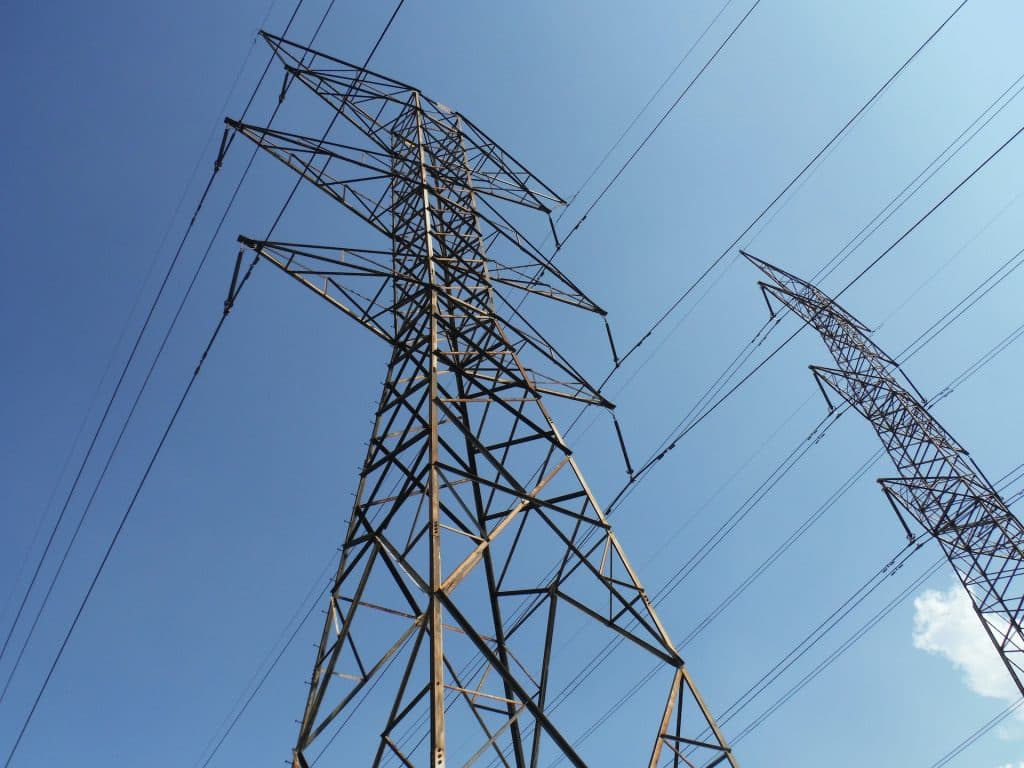
Europe’s transmission grid is facing congestion more and more frequently. The amount of electricity that cannot be safely transmitted because of limited grid capacity could nearly double by 2030, according to a new analysis. The increase is being driven by the much faster pace of renewable energy construction compared with the necessary expansion of the grid. Unless Europe accelerates grid investment, the risk of system instability and the cost of redispatch will continue to rise.
According to estimates by Aurora Energy Research, the volume of electricity that cannot be safely transmitted because of limited transmission capacity could reach 140 TWh by 2030. That is almost double the current 72 TWh, analyst Daniel Boehmer told Montel.
Congestion occurs when the transmission grid cannot carry all the available electricity from wind, solar and other sources to consumers. The electricity then has to be curtailed, or costly redispatch measures must be implemented.
Redispatch is when generators at different locations are brought online instead of the originally designated sources, in order to prevent congestion on parts of the electricity system. These measures are costly because the original generators must be compensated for being unable to feed electricity into the grid, while payment must also be made for the electricity produced by the replacement generators.
Boehmer adds that the expected increase in congestion is equivalent to the Netherlands’ annual electricity consumption, illustrating the scale of the problem. Congestion is rising sharply in particular because the volume of newly installed renewable capacity far exceeds the pace of transmission grid expansion and modernisation.
According to Aurora, Europe would need to invest 81–124 billion euros a year in grid upgrades to curb congestion. However, planned investment in transmission grids is around 28% lower, the analysis finds. Aurora says this could slow the integration of renewable energy and jeopardise climate targets.
Rising redispatch costs
Bottlenecks in transmission grids are also driving a sharp rise in the cost of measures to prevent grid congestion, particularly so-called redispatch. Aurora notes that these measures cost the European energy sector approximately 9 billion euros a year.
In Germany, the cost of these measures reached almost 1.6 billion euros in the first half of 2025, compared with just over 1 billion in the first half of 2024.
“Expanding the grid must be accelerated urgently to keep pace with renewable integration and maintain system reliability,” Felix da Silva said, adding that failure to do so could jeopardise the region’s climate targets.
Electricity consumption set to surge
The expected rise in electricity consumption further underscores the growing importance of transmission infrastructure. Aurora expects European electricity consumption to increase by 71% by 2050, driven mainly by the electrification of transport, the growing number of data centres, industrial electrification and households switching to heat pumps.
Without sufficient grid upgrades, Europe will increasingly face situations where available electricity from renewable sources cannot be used.
Translation disclaimer
This article is a machine translation of the Czech original and has not yet been fully reviewed. In case of any doubt, please refer to the Czech version.
Sdílejte článek prostřednictvím:
You might also like

10 October 2026, 13:19

10 October 2026, 07:37
10 October 2026, 07:02