
23 October 2026, 14:38
Loading...
Rising demands on German grids: How can raw materials and skilled workers be secured?

David Vobořil
21 October 2024, 14:31
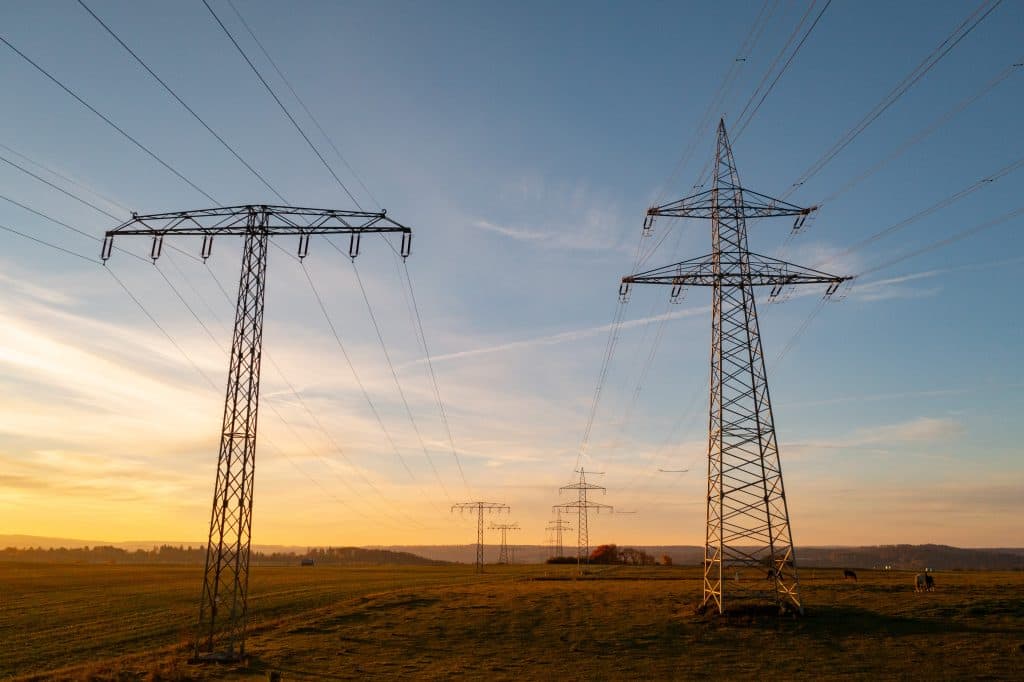
German distribution networks will require significant investment by 2045. Germany should support the establishment of additional production sites to prevent bottlenecks in the supply of essential components, especially cables and transformers. Otherwise, delays in grid expansion could slow the transformation of Germany’s energy sector. This is according to a study by the German energy industry association BDEW and the electrical and digital industry association ZVEI.
German distribution grids face challenges related to connecting new renewable energy sources, storage systems, heat pumps and charging stations. To accommodate these, Germany’s electricity grids need to be expanded, strengthened and, in some cases, modernised. In addition to capital and skilled workers, this also requires the availability of essential materials and equipment, such as cables and transformers.
A new analysis conducted by the University of Wuppertal at the request of BDEW and ZVEI concluded that by 2045, cables and transformers equivalent to around 50-80 % of the current equipment stock will need to be installed or replaced in distribution networks, depending on the voltage level.
This means, for example, that more than half a million kilometres of low-voltage cables will be needed, including replacements for components that have reached the end of their service life, as well as increased transmission capacity on existing lines and additional line length. This will require approximately half a million transformers to convert medium voltage (10 or 35 kV) to low voltage (less than 1 kV).
As the analysis shows, several factors are driving the substantial requirements for distribution network development. On the one hand, many grid components have reached the end of their service life and need to be replaced; on the other, the transformation of the energy sector, the associated electrification and the growing share of renewable energy sources are placing ever greater demands on the electricity grid.
The study says this will require substantial investment and constructive cooperation among all stakeholders. It also calls on German policymakers to support the establishment of additional production sites in Germany by planning for and securing investment in production capacity.
“Planning and approval procedures for distribution grid development must be accelerated further. Skilled workers must also be secured, as must the availability of raw materials, for example through a European raw materials bank or strategic raw materials partnerships. Ultimately, the success of grid expansion always depends on whether the regulatory framework makes it economically viable for network operators to expand their grids,” said Kerstin Andreae, chair of BDEW’s executive board.
The development of distribution grids in Germany is expected to require investment of €220 billion by 2045. This is according to plans by Germany’s 82 largest distribution system operators. Electricity consumers will pay part of the cost of installing new lines through so-called network charges.
Translation disclaimer
This article is a machine translation of the Czech original and has not yet been fully reviewed. In case of any doubt, please refer to the Czech version.
Sdílejte článek prostřednictvím:
You might also like


23 October 2026, 11:01


23 October 2026, 06:34