11 October 2026, 08:24
Loading...
Spain has a structural problem with voltage control, lobby group says

David Vobořil
31 October 2025, 10:36
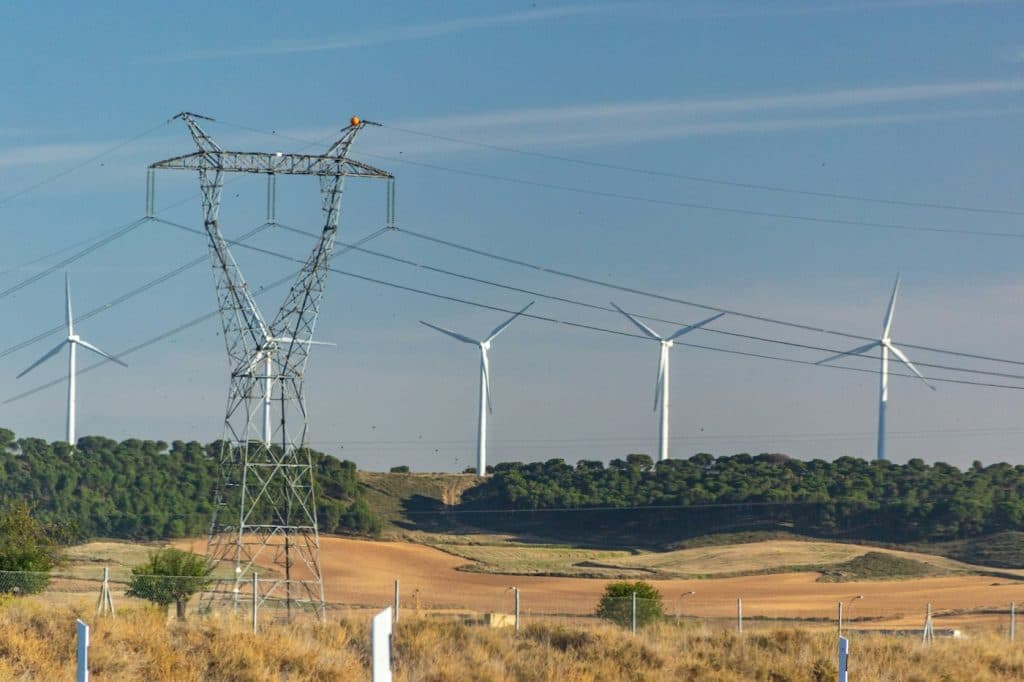
Spain’s power system has a “structural” problem with voltage control, which came to light during the Iberian blackout on 28 April. Smaller issues occurred again in late September, energy lobby Aelec said.
The widespread blackout that hit the Iberian Peninsula at the end of April continues to raise questions about its possible causes. The European Network of Transmission System Operators for Electricity (ENTSO-E), which is investigating the incident, has so far published only a partial so-called factual report. The list of causes will appear in the final report, which the association plans to publish in the first quarter of next year.
The partial report, which provides a factual account of the events leading up to the blackout, says that for the first time in history a chain reaction of power plant disconnections occurred alongside a rise in voltage.
“This outage was the most serious incident to occur in the European power system in more than 20 years and had a significant impact on citizens and society as a whole in Spain and Portugal,” ENTSO-E’s factual report says.
According to lobby group Aelec, one of the causes is a structural problem with voltage control in the Spanish grid. Voltage fluctuations have worsened and intensified in recent years, with voltage deviations gradually increasing during periods of low demand and a high share of renewable energy in electricity generation, Aelec says.
“There is still a lack of infrastructure capable of responding to voltage-control problems,” Marta Castrová, Aelec’s director of regulation, told journalists.
This is particularly concerning because excessively high voltage increases the risk of power plant disconnections, as seen during the blackout, Castrová added. However, Spain also saw sharp voltage fluctuations at the end of September, prompting Spanish transmission system operator Red Eléctrica to call for urgent regulatory changes and seek approval for new voltage-control measures, Aelec noted.
Short-term solution
Red Eléctrica took measures to stabilise the grid after the blackout, including increasing the share of electricity generated by gas-fired power plants. Castrová warns that this is not a long-term solution, as it runs counter to the energy transition and increases system costs.
According to Aelec, one possible solution would be to meet power companies’ request to adjust the maximum voltage limit to the European standard of 420 kV. In Spain, this limit has been set at 435 kV since 1998. According to REE, lowering it would multiply system costs and threaten grid stability. Aelec says it would provide a 20 kV safety margin instead of the current 5 kV.
Castrová also said that renewable energy sources are preparing to provide voltage-control services following a recent change in regulations, but these services will not be available before 2026.
Translation disclaimer
This article is a machine translation of the Czech original and has not yet been fully reviewed. In case of any doubt, please refer to the Czech version.
Sdílejte článek prostřednictvím:
You might also like

10 October 2026, 13:19

10 October 2026, 07:37

10 October 2026, 07:02