23 October 2026, 14:38
Loading...
6 most important energy sources in Germany in the first half of 2015

Martin Voříšek
6 August 2015, 15:06
Energy consumption in Germany rose by 3 % year on year in the first half of the year. According to AGEB, the main reason for the increase in consumption was the colder winter. Meanwhile, renewables moved into fourth place in the ranking of the most important energy sources, overtaking lignite.
Total energy consumption in the first six months of 2015 rose to 6,720 PJ (or the equivalent of 229.3 million tonnes of coal). After accounting for the impact of differing temperatures, consumption changed only minimally. According to AGEB, carbon emissions would decline slightly this year under the same temperature conditions as last year. The slow development of the German economy also had a modest impact on energy consumption.
All energy produced in Germany in the first half of 2015 came primarily from the following sources.
1. Oil and heating oils
A slight increase in energy consumption occurred in the area of oil and heating oils (an increase of 0.4 %). While demand for petrol fell by 2 %, demand for diesel rose by 1 %. Sales of heating oils and kerosene remained virtually unchanged.
Oil remains Germany's most important energy source in terms of energy consumption. Nevertheless, its share fell from 33.5 % to 32.7 % in the first half of 2015 compared with the same period last year.
2. Natural gas
The second most important energy source in Germany is natural gas. Consumption for heating purposes and the operation of CHP plants rose by 13.6 % year on year, giving it a 22.7 % share of the overall energy mix (up from 20.6 % in the first half of 2014). As already mentioned, the most important factor was this year's colder winter.
3. Hard coal
Hard coal retained third place in the ranking of Germany's most important energy sources, despite the amount of energy generated from hard coal falling by 3 %. As a result, its share of total energy production fell from 13.4 % last year to 12.6 % this year. Thanks in particular to this year's favourable conditions for wind power generation, electricity generation from hard coal fell by 4 %.
4. Renewable energy sources
Renewables overtook energy generation from lignite in the first half of 2015, reaching a 12.4 % share, which was an increase of 0.6 % compared with last year's figures. In Germany, renewables enjoy priority access for supplying electricity to the grid, as well as generation subsidies similar to those in the Czech Republic. These are the main reasons driving their rapid development.
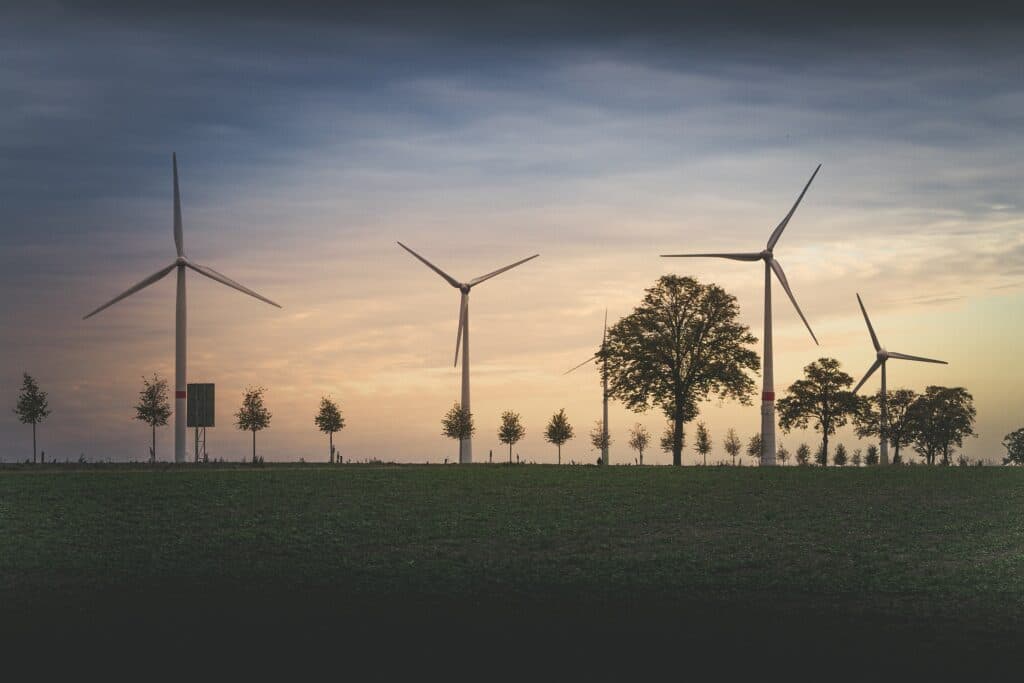
Solar energy remained virtually unchanged in volume year on year, while wind power generation rose by almost 40 % thanks to excellent weather conditions.
5. Lignite
Lignite lost its fourth position to renewables. Its share of total energy remained at 11.3 %. According to AGEB, coal consumption fell by 2.7 %, and electricity generation from lignite-fired power plants declined similarly.
6. Nuclear energy
The share of nuclear energy remained unchanged at 7.9 %. No significant decline was recorded during this period, mainly because no nuclear power plant was shut down (only the Grafenrheinfeld nuclear power plant was shut down on 28 June 2015, which did not yet affect the first-half results).
Translation disclaimer
This article is a machine translation of the Czech original and has not yet been fully reviewed. In case of any doubt, please refer to the Czech version.
Sdílejte článek prostřednictvím:
You might also like
23 October 2026, 11:01
23 October 2026, 06:34