
23 October 2026, 11:01
Loading...
Current Czech heatwave has raised electricity consumption by up to seven percent compared with last week

oEnergetice.cz, ČTK
15 August 2025, 13:18
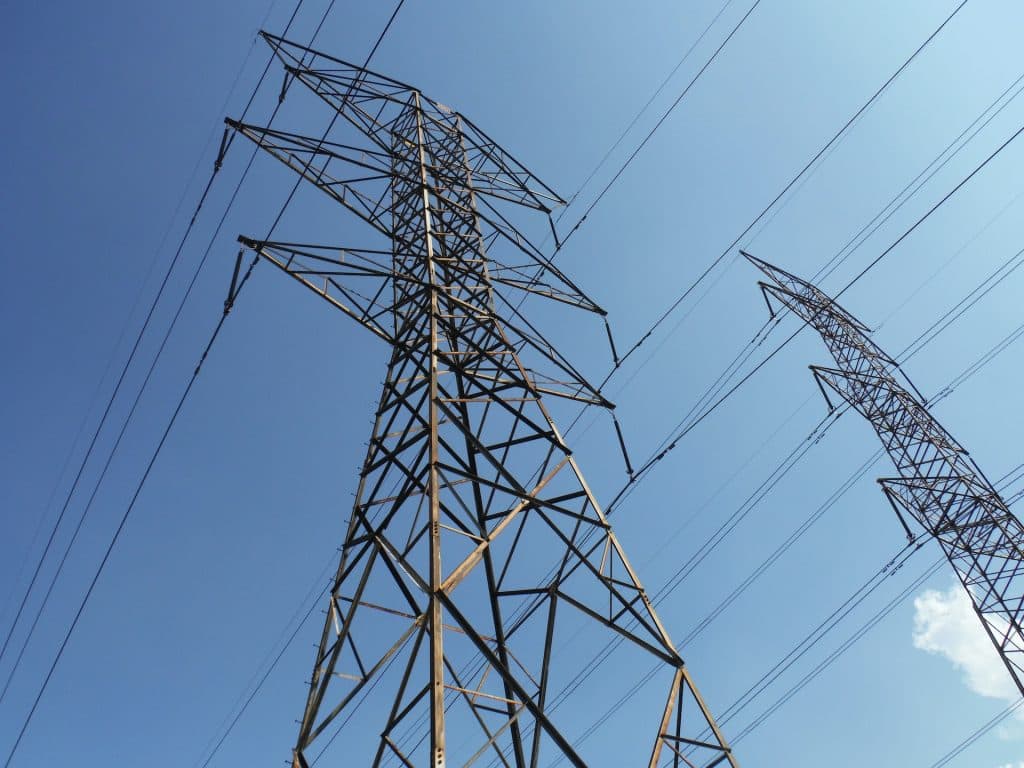
The current heatwave has increased electricity consumption by up to seven percent compared with the previous week. This is mainly due to greater use of cooling equipment, particularly air conditioning in buildings. Ladislav Kříž, a spokesperson for energy company ČEZ, told the Czech News Agency (ČTK). High temperatures also reduce the efficiency of solar power plants.
Meteorologists warn that the influx of very warm air from the south will peak today, with afternoon temperatures most commonly ranging from 32 to 36 degrees. In the lowlands of Bohemia, they may reach 37 degrees.
Warm weather in Czechia generally does not significantly change electricity consumption. People do use air conditioning and other cooling equipment more often, but their share of consumption is low compared with southern European countries. The rapid onset of tropical temperatures this time has nevertheless had an impact.
"The current heatwave, mainly due to air conditioning but also greater use of other cooling equipment, has increased electricity consumption by up to seven percent compared with the previous week," Kříž said.
Despite the increase, long-term energy consumption during the summer is around 30 to 40 percent lower than in winter. Energy companies are seeing higher consumption mainly in larger cities, led by Prague, where the high number of office buildings contributes to the so-called urban heat island effect.
According to statistics, air conditioning accounted for an average of 2.5 percent of household energy consumption in the European Union in 2022. This share was driven up particularly by southern European countries. In terms of consumer groups, most energy consumption attributable to air conditioning comes from commercial and office buildings. According to ČEZ statistics, supermarkets and data centres have the highest consumption of this type. The household share, by contrast, remains relatively low.
Current high temperatures also reduce the efficiency of solar power plants, in some cases by more than a tenth. Sunlight is the most important factor in generating electricity from solar power, and panels work best at temperatures around 25 degrees. At higher temperatures, panels overheat, industry representatives say. "Each degree the panel temperature rises above 25 degrees reduces output by around 0.35 percent," Markéta Chrbolková, co-owner of photovoltaic company Schlieger, said earlier. She noted that the design and tilt of the panels, as well as wind, also matter.
On Thursday, temperature records were broken at 15 of the 169 Czech measurement stations with records spanning more than 30 years. The highest temperature was recorded at the Plzeň, Mikulka station, where the thermometer showed 36.2 degrees Celsius. Temperatures exceeded 35 degrees in Tušimice, in the Chomutov region.
Translation disclaimer
This article is a machine translation of the Czech original and has not yet been fully reviewed. In case of any doubt, please refer to the Czech version.
Sdílejte článek prostřednictvím:
You might also like


23 October 2026, 06:34

