Czech firms ČEZ and EPH must wait to buy coal plants

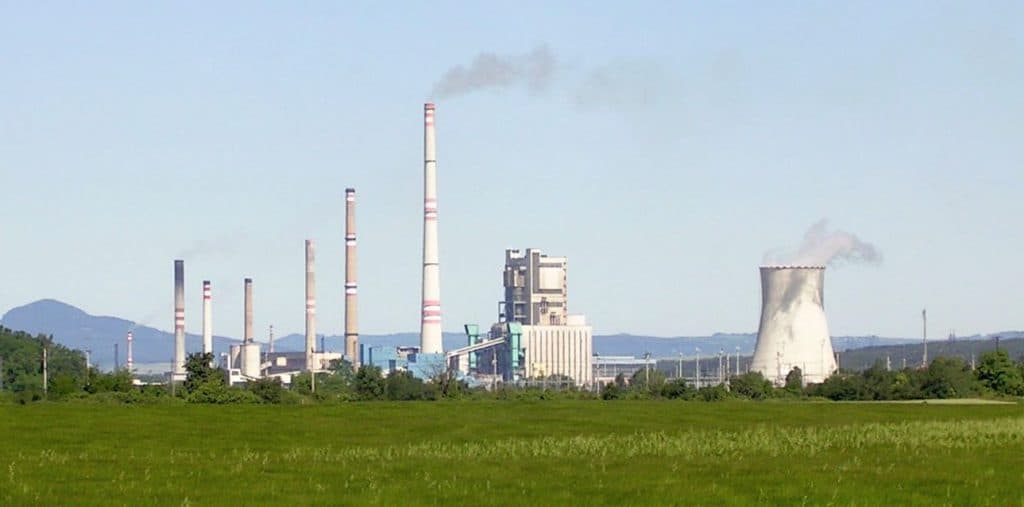
Two Czech energy companies that have previously expressed interest in buying German lignite-fired power plants from Swedish company Vattenfall will have to wait a little longer for the purchase itself. Germany is considering introducing a tax on certain lignite-fired power plants. This is raising considerable concerns in the conventional power sector and is behind the delay to the entire sales process. Czech companies EPH and ČEZ have so far publicly expressed interest in the purchase.
Information memoranda for potential buyers were due to be sent out in April this year. In light of the new developments, they are not expected until the summer. Vattenfall, which is due to present its first-quarter results on 28 April, declined to comment on the situation.
The company already announced the possible sale of the plants last year. The plants being offered for sale are located in eastern Germany and have a total installed capacity of 9000 MW. Vattenfall decided to sell the assets because of its previous acquisition policy, which is the main cause of its current losses. In 2014, it reported a loss of almost 880 million euros.
Emissions tax to target the biggest CO2 power producers
The planned tax, which is currently holding up the sale, applies to lignite-fired power plants producing the largest amounts of CO2. Germany is seeking to force them out of the market through high costs and thereby reduce emissions. According to German minister Sigmar Gabriel, the tax will apply only to the oldest and „dirtiest“ power plants.
The introduction of additional charges for electricity generation at lignite-fired power plants could significantly affect the sale price. It is currently estimated at 3.5 bn euros, but could fall substantially. Everything depends on the final form of the penalties for carbon dioxide emissions.
Germany moved to impose the tax on power plants after meeting its carbon emissions target came under threat. As a member of the EU, Germany is obliged to cut CO2 emissions by 40 % by 2020 compared with 1990. The aim of the new tax is to reduce emissions by 22 million tonnes annually.
Translation disclaimer
This article is a machine translation of the Czech original and has not yet been fully reviewed. In case of any doubt, please refer to the Czech version.