Natural gas prices are at multi-year highs. Yet EU still wants to prevent fossil fuel extraction in the Arctic

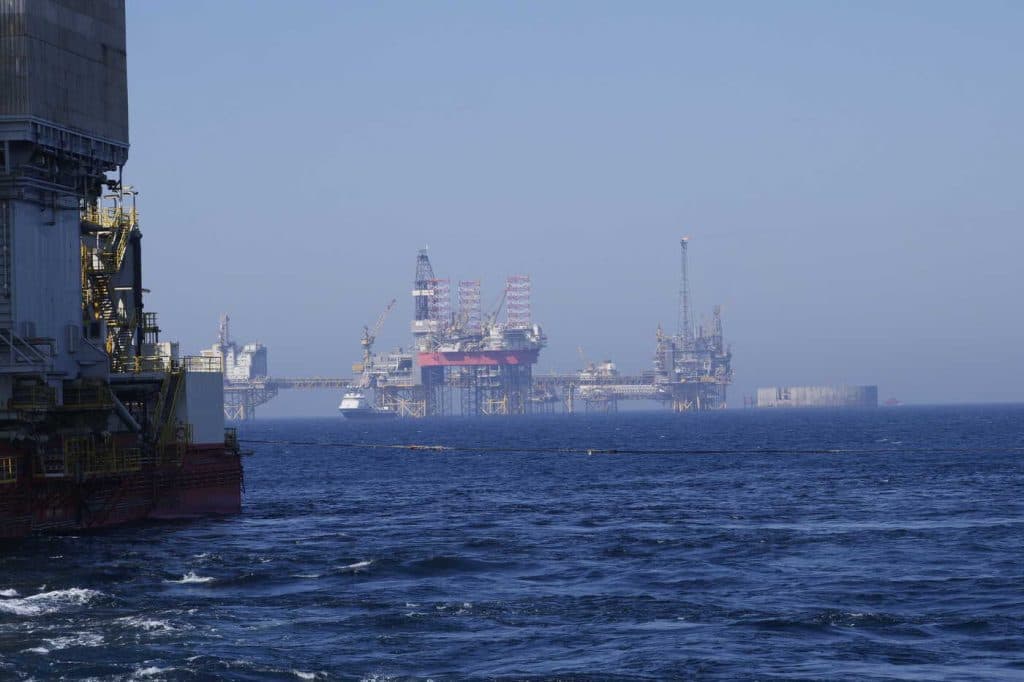
In its new Arctic strategy, the European Commission has again rejected the development of oil, coal and gas extraction in sensitive polar regions. However, unlike in its 2021 document, it no longer says it will seek a multilateral legally binding commitment to ban further extraction. Meanwhile, the European natural gas market is facing a sharp rise in prices this year, with prices testing multi-year highs in recent weeks.
The European Union’s position matters to Norway, which wants to explore for new deposits in the Arctic and warns that production will decline after 2030. The EU also faces the question of how to reconcile climate protection with ensuring the security of energy and fuel supplies.
The strategy presented by the European Commission and EU foreign policy chief Kaja Kallas says the EU remains committed to ensuring that oil, coal and gas “stay in the ground”, including in Arctic regions. The Commission wants to work with partners to protect the local environment and prevent the development of deposits that threaten Arctic ecosystems.
According to Reuters, however, the document does not carry over wording from the previous strategy, which said the EU should seek a multilateral legal obligation not to authorise further development of fossil fuel deposits in the Arctic and neighbouring areas, or to buy products from such extraction. EU officials explain the change by saying that securing a joint decision has become more difficult because of differing positions among the parties involved.
This is not an abandonment of the stated goal, but a less specific outline of how the EU intends to pursue it. The updated strategy also gives priority to renewables over fossil fuels from the Arctic and envisages the EU opposing projects that damage the environment.
Norway seeks room for new deposits
Norway is pushing back against the EU’s position, urging the bloc to stop rejecting new drilling in the Arctic. The country supplies around 30 percent of the EU’s gas imports, and the Norwegian government wants Norway to remain a major supplier in the years ahead.
Norwegian Energy Minister Terje Aasland warns that without new deposits outside established areas, Norway’s oil and gas production will start to decline in the next decade. Potential areas include the Barents Sea. The Norwegian industry argues that further deposits could help stabilise the European market.
New extraction, however, is not a quick response to price fluctuations. Developing projects in challenging Arctic conditions can take years, meaning their output would reach the market only after a considerable delay. This adds to uncertainty over whether deposits opened today would still be economically and politically viable given demand at a time when fossil fuel consumption is expected to fall under European climate targets.
Greenland between resources and nature protection
The debate over Arctic resources also intersects with remarks by US President Donald Trump about exploring deposits of oil, gas and minerals in Greenland. Trump recently said that extensive exploration activities were being prepared there, but provided no details about specific projects, companies or permits.
The agreement between Greenland, Denmark and the United States on 22 September covers defence, cooperation on mineral resources and broader economic ties, but does not grant the US or American companies rights to extract oil, gas or minerals. Greenland’s government told Argus that it halted future oil exploration in 2021, but did not ban mineral extraction and can still approve new mining projects under its own rules.
As part of its position on fossil fuels, the EU also opposes deep-sea mining until it can be demonstrated that it does not cause environmental damage. For mineral resources, the EU strategy envisages projects that will strengthen European supply chains and benefit local communities.
Translation disclaimer
This article is a machine translation of the Czech original and has not yet been fully reviewed. In case of any doubt, please refer to the Czech version.