Electricity generation in Germany fell in the first quarter, imports surged

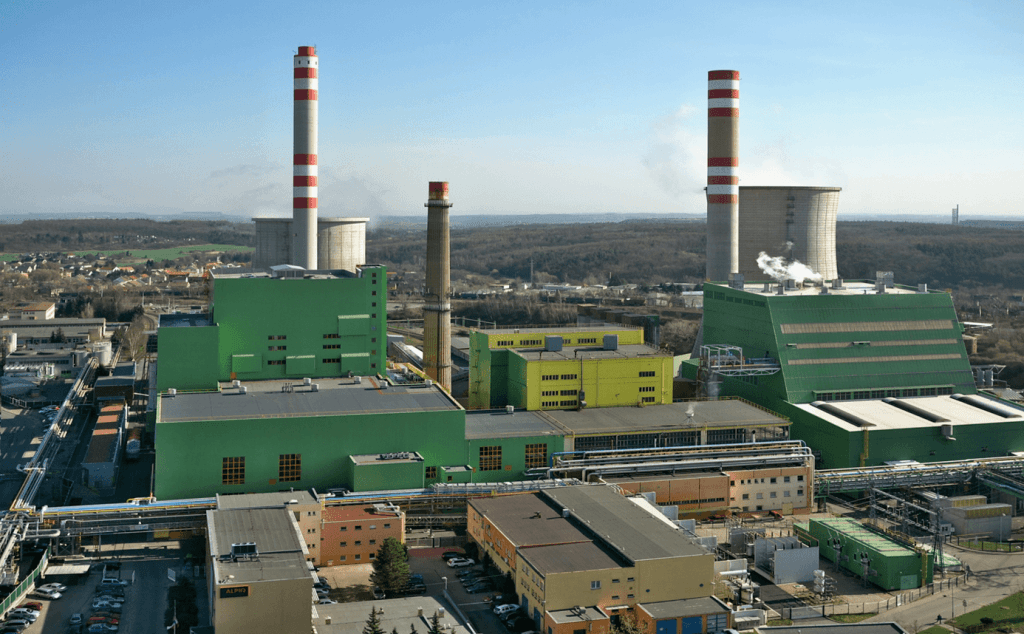
Electricity generation in Germany fell by 7.5 percent year on year in the first quarter to 121.5 billion kilowatt-hours. However, renewable electricity generation increased, and its share of total output rose to 58.4 percent from 48.5 percent a year earlier. It thus reached its highest level yet for the first three months of the year, the Federal Statistical Office reported today. Its data also showed that electricity imports to Germany rose by 38.5 percent year on year to 16.8 billion kilowatt-hours, while exports fell by 21.7 percent to 16.7 billion kilowatt-hours.
Renewable electricity generation in Germany increased by 11.6 percent year on year in the first quarter to 71 billion kilowatt-hours. By contrast, electricity generation from conventional sources fell by 25.4 percent to 50.5 billion kilowatt-hours. This was mainly due to lower coal-fired power generation and the shutdown of nuclear power plants in Germany. Gas-fired power generation also recorded a slight decline.
Wind power plants generated the most electricity in Germany in the first quarter, with their share of total output rising to 38.5 percent from 31.8 percent a year earlier. Coal-fired power plants came second, despite their share falling from 29.7 percent to 23 percent. They were followed by gas-fired power plants, with a share of 15.8 percent.
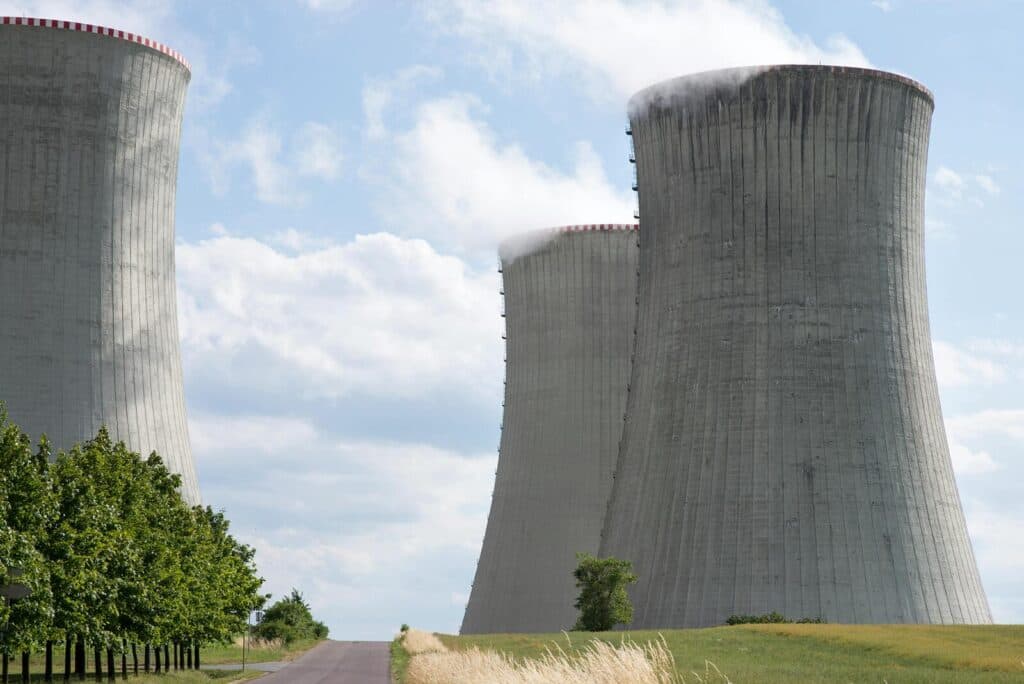
Germany disconnected its last nuclear power plant from the grid in mid-April last year, ending more than 60 years of nuclear power generation. Nuclear electricity generation was therefore zero in the first quarter of this year, compared with 5.8 billion kilowatt-hours in the same period last year.
Translation disclaimer
This article is a machine translation of the Czech original and has not yet been fully reviewed. In case of any doubt, please refer to the Czech version.