EU issues new guidelines on preparing electricity grids for the future through anticipatory investment

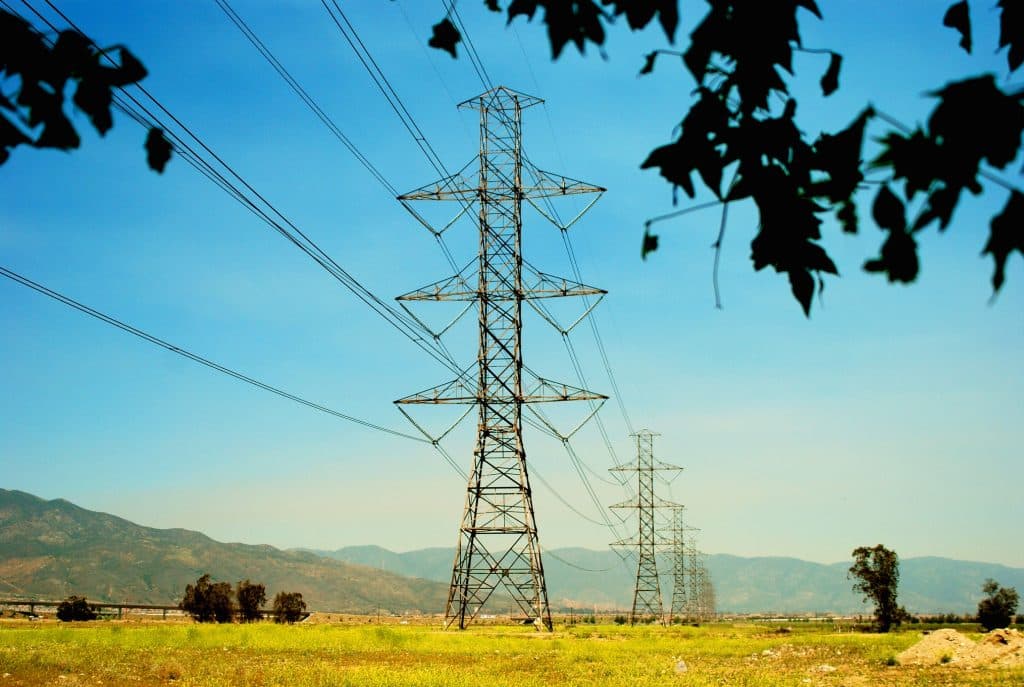
The European Commission has issued new guidelines to help future-proof the EU’s electricity grids through so-called anticipatory investments. These investments aim to meet long-term energy demand and achieve decarbonisation targets.
The document, intended for EU member states, regulators and grid operators, describes how to align investment planning with the EU’s energy and climate strategies. The European Commission announced the new version on its website.
The main principle of the new guidelines is that anticipatory investments should be based on national and EU-wide grid development plans while also supporting the expansion of renewable energy sources. The document stresses the need to develop infrastructure for offshore wind farms and renewable energy acceleration areas. Examples of measures include proactively modernising substations and installing spare cable ducts for future infrastructure.
Grid planning, regulatory oversight and effective cost management
Grid planning must be based on robust, forward-looking scenarios that take national energy and climate plans into account. Countries should seek to involve stakeholders early in the planning process so that new infrastructure reflects actual needs. The guidelines emphasise the need for long-term planning and offer recommendations on the composition and work of national regulatory authorities. These authorities should have sufficient technical capacity to assess investment plans at both transmission and distribution level.
Sufficient regulatory oversight should ensure that project risks, particularly those relating to future use, are clearly identified in advance. To speed up grid development and manage costs, the guidelines propose a two-stage approval process. Under this process, the design and permits would be approved first, followed by construction.
On costs and incentives, the Commission supports tariff design that takes into account not only current capacity but also infrastructure prepared for future needs. This approach could attract renewable energy developers. Public support instruments, such as state guarantees or direct budget support, can also be used to offset the additional costs resulting from accelerated investment, provided they comply with EU state aid rules.
The recommendations in the guidelines are consistent with studies assessing current infrastructure as inadequate. The guidelines build on the 2023 EU Action Plan for Grids and the 2024 electricity market design reform, which emphasise the role of anticipatory investment in ensuring that the EU meets its decarbonisation and energy security targets. The Commission plans to present a European Grids Package by the end of 2025 to further support the modernisation of electricity grids.
Translation disclaimer
This article is a machine translation of the Czech original and has not yet been fully reviewed. In case of any doubt, please refer to the Czech version.