
23 October 2026, 14:38
Loading...
EURELECTRIC: The future lies in electrifying transport and heating

Martin Voříšek
24 April 2017, 12:28
According to a recent analysis by EURELECTRIC, electrifying the heating and transport sectors offers tangible benefits for the European Union. The report identifies five key areas on which the EU as a whole should focus to achieve electrification, which it describes as a winning strategy.
The Paris Agreement is already in force, but the means of implementing it remain somewhat remote. The targets that must be met to fulfil it are currently very difficult to achieve. It is clear that, by 2050, the energy sector as well as other sectors will have to undergo major changes in order to meet the Paris commitments.
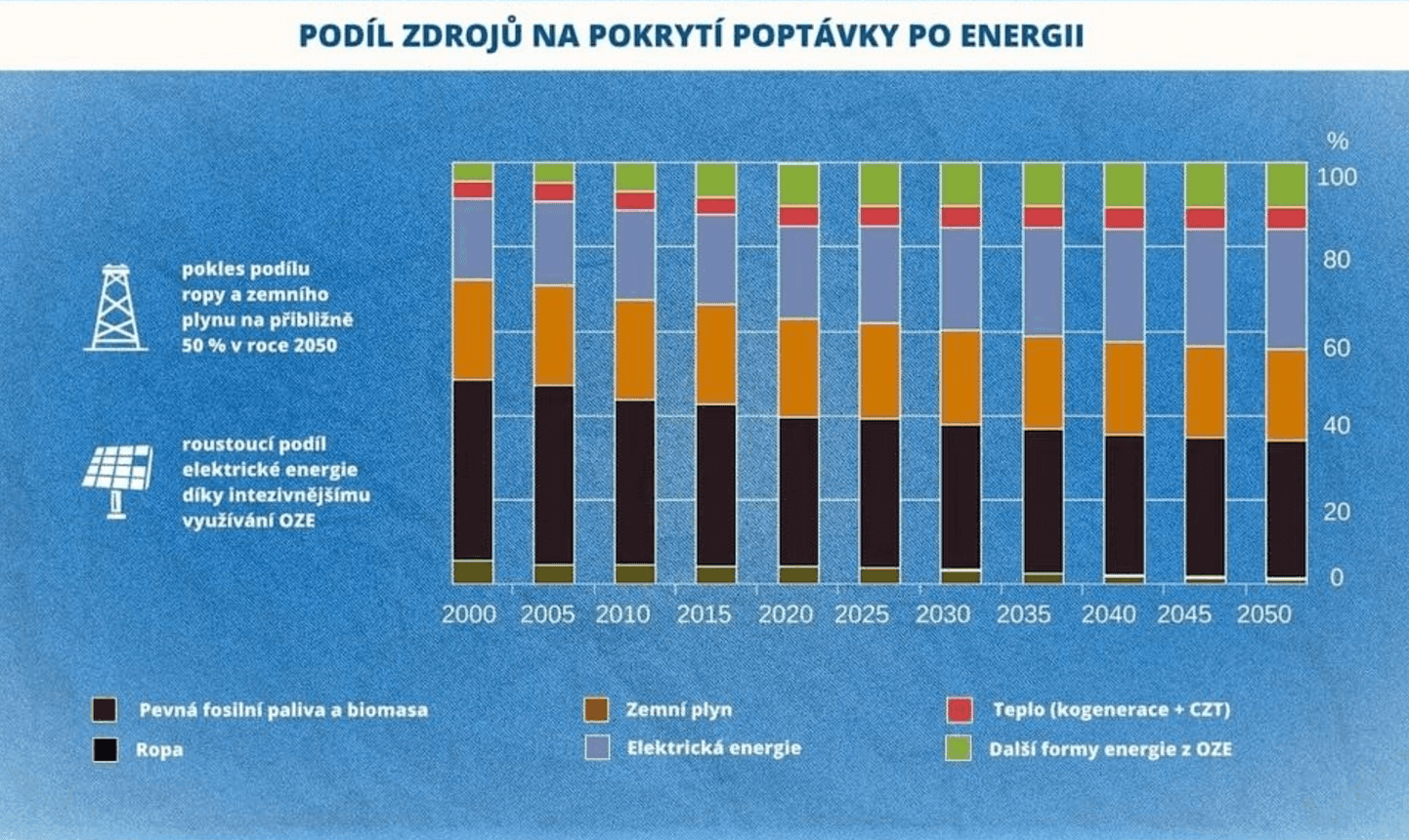
As regards energy, EURELECTRIC sees the future in significantly strengthening the power sector and the gradual expansion of its influence into transport and heating.
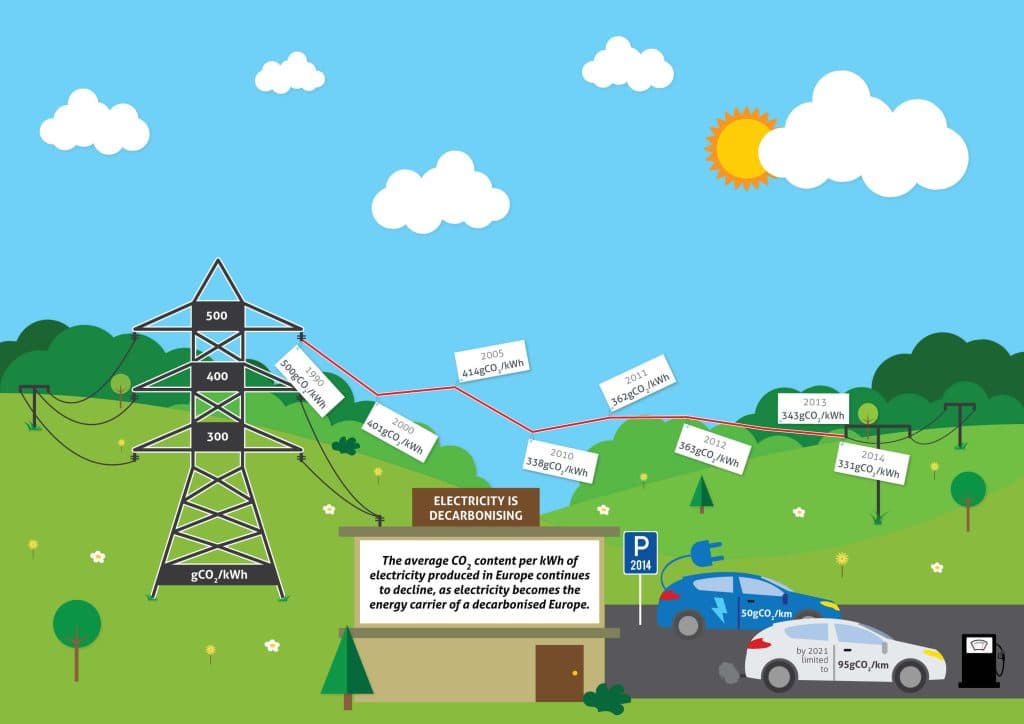
The decarbonisation of the power sector is continuing, raising the question of how this sector could also help in transport and heating. According to the report, the carbon footprint of the power sector has fallen by 35 % since 1990, and the decline is continuing.
“Electrification has enormous potential for Europe. Switching to electricity will not only reduce CO2 emissions, but also reduce dependence on oil imports. At the same time, it will improve quality of life in cities through cleaner air.”Kristian Ruby, Director of EURELECTRIC
Increasing the share of electric vehicles in the transport sector therefore appears logical. According to calculations in the report, CO2 emissions using the current electricity mix stand at 50 g CO2/km, while the EU's current target for 2020 is 95 g CO2/km.
The benefit for the heating sector also lies in economic terms, among other things. Savings on fuel imports could reach as much as EUR 45 billion in the most ambitious scenario.
EURELECTRIC proposal: 5 necessary regulatory changes
For the energy sector to successfully transition towards greater use of electricity, work is needed at EU level primarily on regulation and reform of emissions allowance trading. Other points include taking flexibility into account and introducing a clear energy-efficiency strategy.
- Reduce the cost of energy-sector decarbonisation for final customers and ensure that these costs are allocated to entities on the basis of a market mechanism such as the EU ETS.
- Increase the reduction factor in the EU ETS after 2020 to at least 2.4 %.
- Introduce an energy-efficiency strategy that supports innovation and enables consumers to actively participate in savings.
- Ensure that sectors currently exempt from the EU ETS also contribute to financing decarbonisation.
- Create instruments to ensure that the market adequately reflects requirements for flexibility and reserve installed capacity. At the same time, support market integration and make efficient use of cross-border transmission capacity to integrate renewable sources into the grid.
According to the organisation, these points are key to expanding the use of electricity further into other sectors. The share of electricity is already rising, and EURELECTRIC considers this trend a winning strategy.
Translation disclaimer
This article is a machine translation of the Czech original and has not yet been fully reviewed. In case of any doubt, please refer to the Czech version.
Sdílejte článek prostřednictvím:
You might also like
23 October 2026, 11:01
23 October 2026, 06:34