
23 October 2026, 14:38
Loading...
Europe is becoming saturated with solar parks. Returns on new projects are uncertain

Eduard Majling
25 December 2024, 11:41
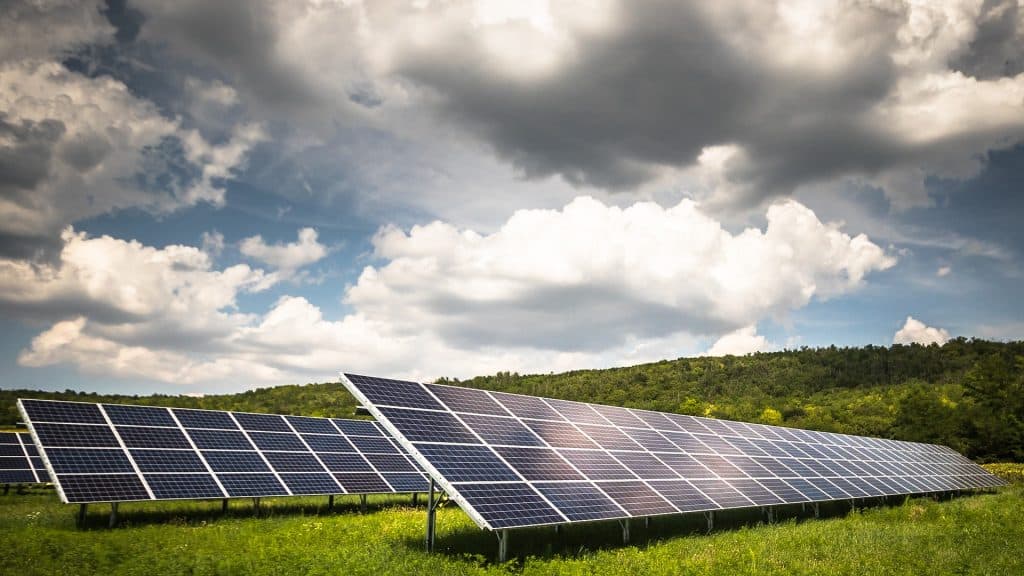
The sharp increase in installed solar capacity in recent years is beginning to have real consequences for the future of further projects in Europe. A week ago, Danish developer Better Energy sought protection from creditors, having been one of the biggest players in the local market in recent years. In addition to the worsening economics of operating projects amid low spot electricity prices during the spring and summer, local projects are also facing rising grid connection costs, according to experts. Europe has seen a sharp rise in new solar installations in recent years, accelerating with the onset of the energy crisis and rising energy prices. But as solar capacity on the grid grows, so too does the number of hours when electricity prices on spot markets fall to zero or below. Grid constraints are also becoming more apparent, making it increasingly difficult to export surplus generation from some countries.
"There are limits to how much installed capacity of a particular technology you can fit into an electricity grid where demand is lagging and where bottlenecks in the system prevent surplus energy from being exported during hours of high generation,"Flemming Sorensen, senior vice president for Europe at consultancy LevelTen Energy, told Montel.Industry groups have been warning for some time about the negative impact of falling prices on short-term wholesale markets. According to the CEO of the SolarPower Europe association, the current solar boom in Europe is unsustainable and demand for new solar installations will slow.
"The level of saturation with solar installations in Denmark is too high, which is having an adverse effect on electricity prices and therefore on project economics," Sorensen added.According to Montel, the electricity prices solar parks can secure by selling their output on the short-term organized market have fallen over the past year in Denmark to 75% of the average prices on the local spot market. This is caused by spot prices falling precisely during periods of peak solar generation. In Denmark, as elsewhere, solar power can often push spot prices close to zero or even into negative territory during the spring and summer months.
Spot electricity prices are increasingly falling to zero
While negative prices on the Danish market were relatively rare in 2021 and 2022, their frequency rose sharply last year and this year, reaching hundreds of hours. Prices most often fell into negative territory around midday, during peak solar generation. The following two charts show how the situation has evolved on the Danish market: the first gives the number and distribution of hours with zero or negative prices in 2021, and the next shows 2024.Thomas Aarestrup-Jensen, policy director at Danish renewable energy lobby group Green Power Denmark, made a similar point. He said the local solar sector faces a dual challenge: the market is becoming saturated with solar power sources, while the cost of connecting them to the grid has also risen. These factors are creating problems for developers of new sources, such as Better Energy.
Translation disclaimer
This article is a machine translation of the Czech original and has not yet been fully reviewed. In case of any doubt, please refer to the Czech version.
Sdílejte článek prostřednictvím:
You might also like


23 October 2026, 11:01


23 October 2026, 06:34