IEA: Nuclear and renewables to be main sources of electricity this decade

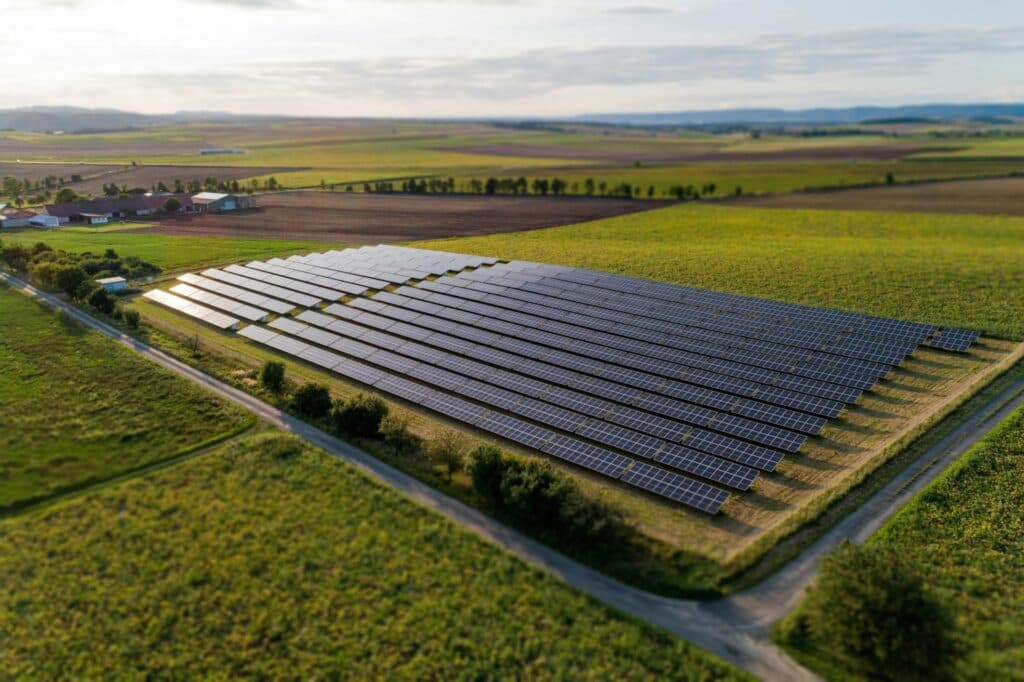
Renewable energy and nuclear power will play a leading role in electricity generation this decade. The International Energy Agency (IEA) expects these two sources together to account for 50% of global electricity generation by 2030.
Renewables Now reported on the analysis. The IEA analysis shows that renewable energy will overtake coal-fired generation after reaching parity in 2025, according to the latest available data. The trend is being driven primarily by solar power, which saw rapid growth last year, while electricity generation from hydropower and wind was weaker, as conditions were not particularly favourable last year (especially in Europe, according to the IEA).
The agency expects global renewable electricity generation to grow at an average annual rate of 8% through 2030, an increase of approximately 1000 TWh per year, with solar photovoltaics alone contributing more than 600 TWh annually. Nuclear power, meanwhile, is expected to play a stabilising role in the system and support the growing share of low-emissions generation.
These changes on the supply side are taking place alongside a structural transformation in global electricity demand. For most of the past three decades, electricity consumption largely tracked economic growth, rising and falling in line with GDP. That trend is now changing. The IEA expects global electricity demand to grow by an average of 3.6% a year between 2026 and 2030, approximately 50% faster than the average growth rate of the previous decade and at least 2.5 times faster than total energy demand.
This acceleration reflects the increasingly broad range of applications for electricity. Demand is rising thanks to technologies such as electric vehicles, heat pumps, data centres and digital infrastructure. In 2024, global electricity demand growth outpaced GDP growth for the first time in three decades. After a brief decline in 2025 due to weather conditions, the IEA expects this trend to become the norm.
Emerging economies drive growth
Demand growth remains concentrated in emerging economies, which are expected to account for approximately 80% of the additional global electricity consumption by 2030. China alone is forecast to contribute almost half of this global increase. Strong growth is also expected in India and Southeast Asia, driven by economic growth as well as the increasing use of air conditioning.
After more than 15 years of stagnation, demand is also set to rise again in advanced economies. This increase is being driven by electricity-intensive sectors such as data centres, artificial intelligence, electric vehicles, heat pumps and air conditioning.
Translation disclaimer
This article is a machine translation of the Czech original and has not yet been fully reviewed. In case of any doubt, please refer to the Czech version.




