25 September 2026, 09:51
Loading...
Infographic: Outlook for the Czech power sector to 2050

David Vobořil
25 October 2016, 10:41
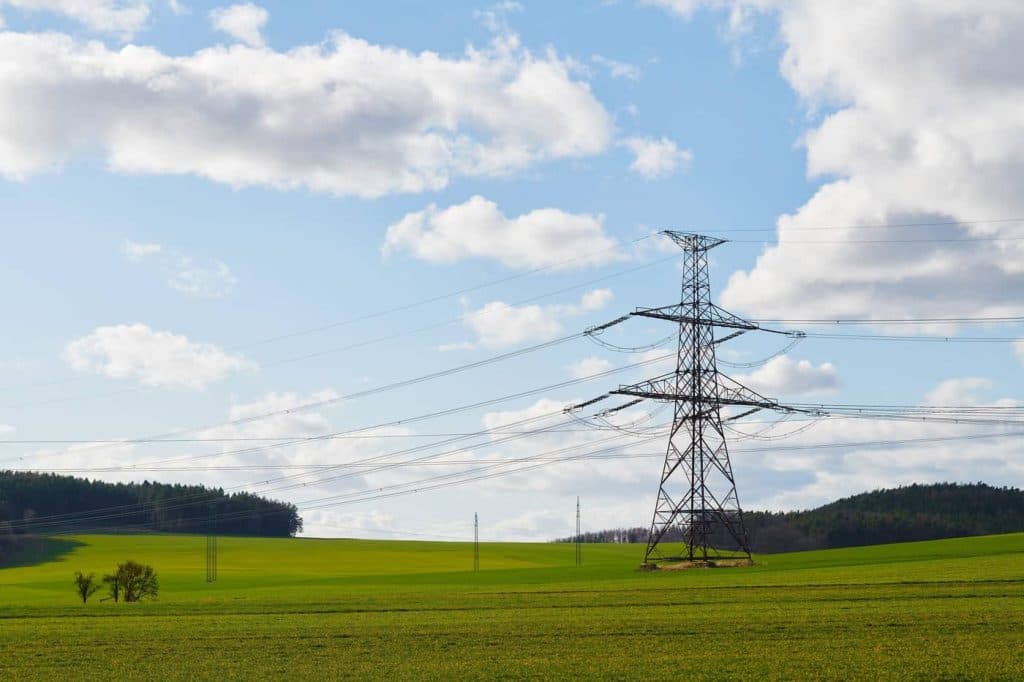
The main trends that will have a decisive impact on the future development of the power sector in the Czech Republic are decentralisation, decarbonisation and the ever-increasing use of information technology. Long-term growth in electricity consumption is expected, further boosted by the development of electromobility.
The aforementioned future development of the Czech power sector is based on the following assumptions:
- Czech Republic’s self-sufficiency in electricity supply
- reliable operation of energy sources
- sufficient balancing capacity
- operation of the existing Temelín nuclear power plant units beyond 2050
- operation of existing pumped-storage hydropower plants (PSHPPs) beyond 2050
- a functioning EU ETS emissions allowance market
- renewal and development of grid infrastructure in line with the operators’ long-term development plans
A correction of the current situation in the electricity market and a gradual return to market principles in the medium term are assumed. The current positive approach to low-emission energy and a gradual strengthening of the emphasis on it are also assumed to continue.
Consumption
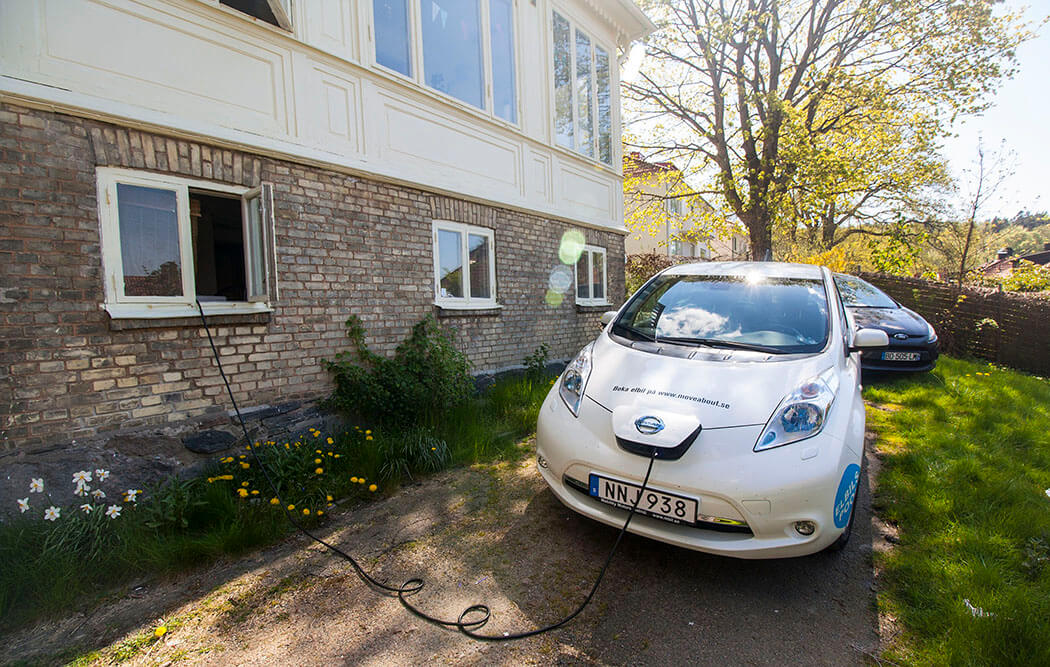
The study envisages long-term growth in electricity consumption, driven mainly by advancing automation and mechanisation in the manufacturing sector and increased use of appliances in households. Another significant growth factor is the replacement of primary fossil sources with renewable energy sources and the use of, for example, heat pumps.
In the medium term, the scenario envisages net consumption rising to 64 TWh in 2020 and 67 TWh in 2025. By 2050, projected net electricity consumption will exceed 80 TWh, with electric vehicles accounting for 6% of electricity consumption growth in 2050 (4,6 TWh).
Generation
The baseline scenario is based on the optimised scenario of the State Energy Policy (SEP). It envisages the existing Dukovany nuclear power plant units operating until 2035 to 2037. At the same time, 2 new 1 200MW units are expected to enter service at this site, followed by two further units of the same capacity at the Temelín site in 2039 and 2042.
The scenario does not envisage lifting the mining limits at the ČSA mine. It anticipates the commissioning of a new 660 MW lignite-fired unit at Počerady by 2024 and, from 2038, a hard coal-fired unit using imported coal. To regulate the grid, the current role of coal-fired power plants is expected to be replaced by combined-cycle gas turbine units, with new 430MW units expected in 2031 and 2045.
In relation to gas-fired sources, the development of micro-cogeneration units is envisaged, which will account for 10 % of gas connection points. By 2050, this represents 799 MW of installed micro-cogeneration capacity.
In district heating, the scenario envisages a slight decline in the share of district heating (DH), with heat from lignite-fired sources to be replaced by generation from sources burning natural gas, hard coal or biomass.
Of the total potential installed capacity of renewable energy sources (RES), at the very limit of their potential, the scenario envisages using part of it:
- solar power plants – potential limit of 18 000 MW, with 5 900 MW installed in 2050
- wind power plants – 5 660 MW, with 1 140 MW installed
- biomass power plants – 5 000 MW, with 1 155 MW installed
- hydropower plants (excluding PSHPPs) – 1 205 MW, with the full 1205 MW installed
- biogas sources – 860 MW, with 660 MW installed
- geothermal sources – 496 MW, with 31 MW installed
- sources using biodegradable municipal waste (BMW) – 199 MW, with the full 199 MW installed
The scenario also envisages developing installed capacity of technologies for electricity storage and demand-side response. By 2050, 1 500 MW of new installed capacity is envisaged for daily storage purposes (excluding PSHPPs). For downward demand-side regulation, the use of electric boilers in DH is envisaged.
Emissions
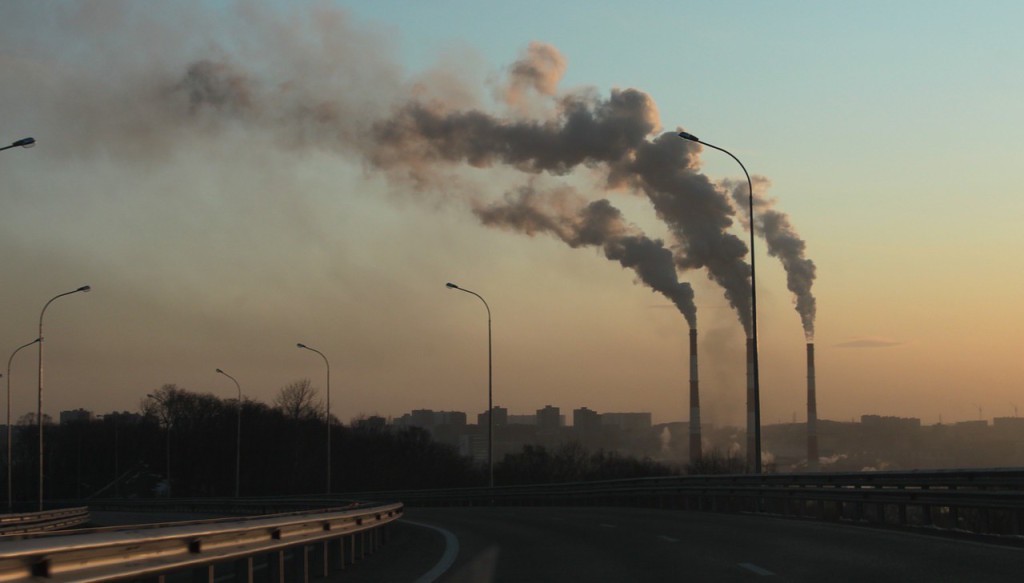
The future generation mix of the Czech electricity system will be largely influenced by European Union policy. The target for 2020 is to reduce greenhouse gas emissions by 20 % compared with 1990 levels. This target is very likely to be met. However, the EU’s targets for 2050 are considerably more ambitious. The proposed reduction of greenhouse gas emissions from energy by more than 90 % would, in Czech conditions, mean almost complete decarbonisation through the exclusion of fossil sources and possible application of carbon capture and storage (CCS) technology.
This scenario is reflected in the study’s low-carbon variant, which fully exploits the above-mentioned potential limit of RES, supplemented by nuclear sources and gas-fired sources to provide ancillary services.
By contrast, a potential fossil-fuel variant envisages the earliest possible shutdown of the Dukovany nuclear power plant and the construction of new units, to enter service in 2035, at only one of the sites. The scenario envisages lifting the territorial limits on lignite mining at the ČSA mine, constructing new coal-fired units, extensive development of micro-cogeneration units and development of RES.
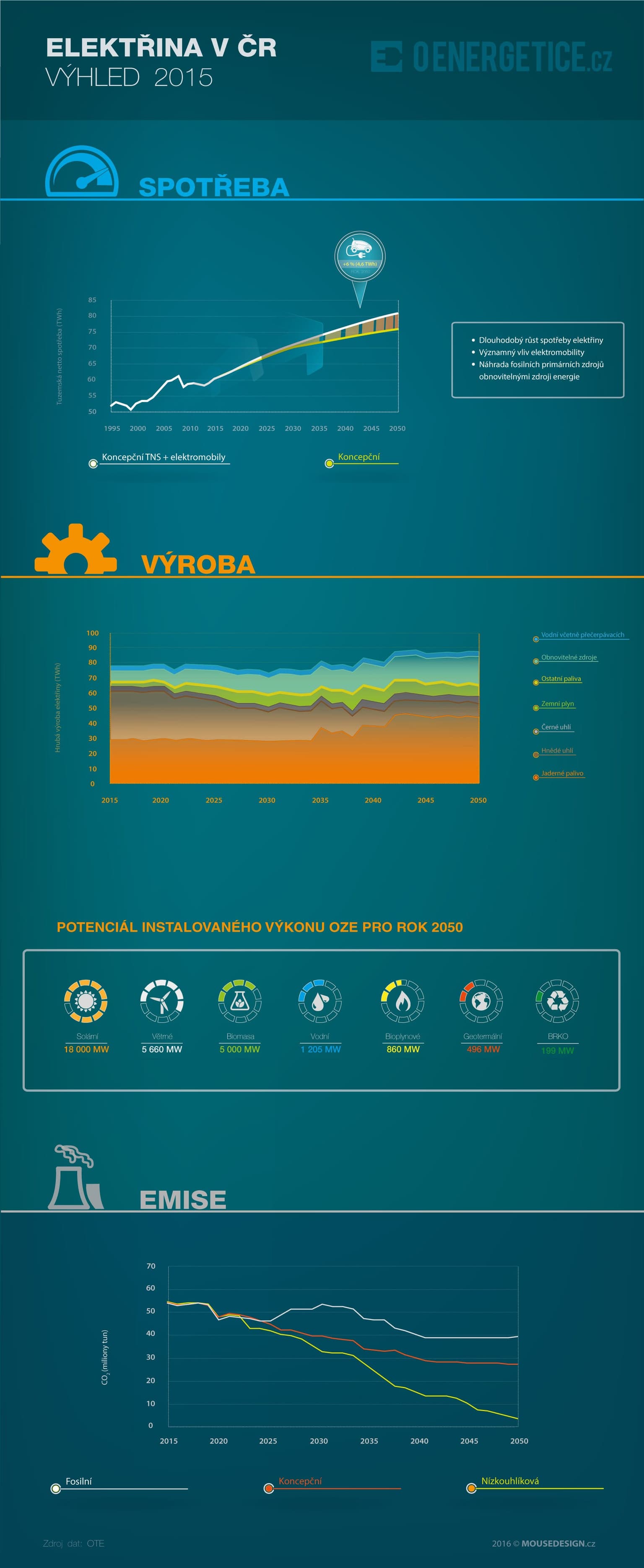
Source: Report on the expected long-term balance between electricity and gas supply and demand (OTE)
Translation disclaimer
This article is a machine translation of the Czech original and has not yet been fully reviewed. In case of any doubt, please refer to the Czech version.
Sdílejte článek prostřednictvím:
You might also like
24 September 2026, 11:23
24 September 2026, 10:30
24 September 2026, 06:56