
23 October 2026, 14:38
Loading...
LNG surplus on markets to reduce coal's share in energy generation

Martin Voříšek
2 November 2015, 12:54
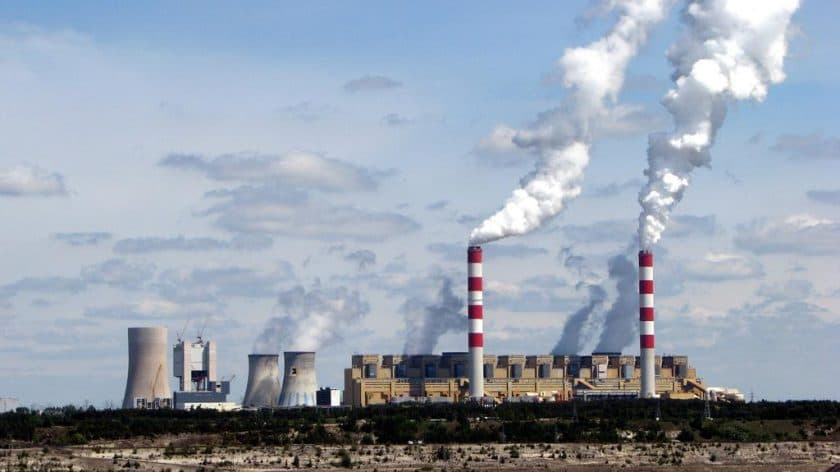
The surplus of liquefied natural gas (LNG) on global markets will affect its prices in the coming years. It will soon become another factor in decisions on the construction of new coal-fired plants. According to Reuters, global LNG production will increase by 35 million tonnes in 2016.
„Purely from an economic perspective, it must be noted that coal is significantly cheaper. But with this volume on the market, (LNG) will begin to be used for electricity and heat generation in some parts of the world. This will come at the expense of coal-fired generation.“
a commodity trader told Reuters
There is currently a surplus of both coal and LNG on the markets, as a result of high prices in the previous decade that encouraged investment in new projects and production expansion.
The gap between LNG and coal prices has narrowed considerably, primarily due to political pressure and economic disadvantages imposed on coal to reduce its competitiveness.
„The construction of new coal-fired plants is becoming less and less likely at a time when such volumes of new LNG are coming onto the markets.“
Changes depend heavily on China.China is one of the most significant factors influencing the future position of coal and LNG. Concerns over climate change and air quality in China led to a year-on-year decline of almost one-third in coal imports in the first nine months.
„Natural gas will be very cheap in China and there will be a surplus of it for several more years. This will be an opportunity to create a regulatory environment that enables a shift from coal to gas. But that will take several years.“
Torbjörn Törnqvist, chief executive of Gunvor
Changes may also affect Europe
Besides China, Europe is another region that may be affected by the current market situation. According to Trevor Sikorski, an analyst at consultancy Energy Aspects, up to 130 million tonnes of coal per year could be replaced by electricity generation from natural gas.
Considering the number of projects due to come online over the next two years, gas prices are likely to fall significantly. In 2017, gas-fired generation could therefore replace part of coal-fired electricity generation.
Energy Aspects expects gas supplies to rise by 16 % year on year, meaning an additional 35 million tonnes of LNG in 2016.
Translation disclaimer
This article is a machine translation of the Czech original and has not yet been fully reviewed. In case of any doubt, please refer to the Czech version.
Sdílejte článek prostřednictvím:
You might also like


23 October 2026, 11:01

23 October 2026, 06:34