Low water, expensive electricity: Norway considers oversight of hydropower plants

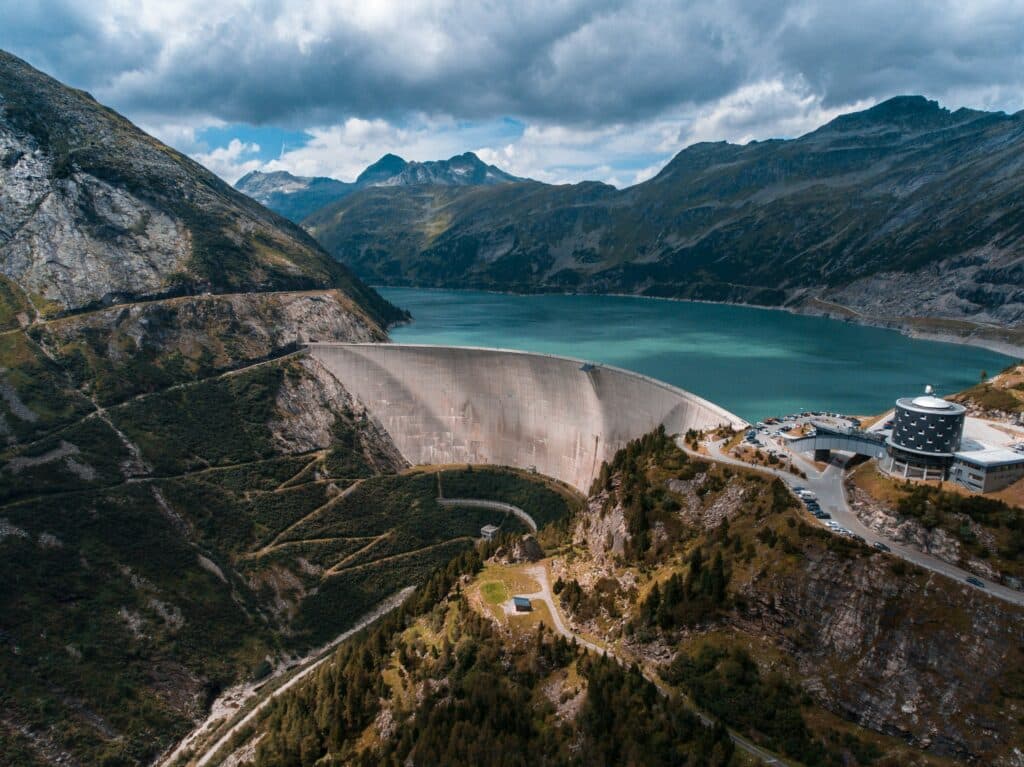
Norwegian water reserves in the southeast of the country have fallen due to persistent drought to their lowest level in the past 30 years. Norway's energy regulator NVE is therefore considering introducing mandatory reporting for hydropower plant operators in certain price zones to gain a better overview of how water reserves are being managed.
Norway's water resources and energy regulator, NVE, is considering introducing a special reporting system for hydropower electricity generators. The reason is persistently low reservoir levels, particularly in central and southern Norway, which are limiting the amount of water available for electricity generation.
In its regular assessment of the situation, NVE said it would assess in the coming days the possibility of requiring energy companies in certain price zones to introduce reporting that would give regulators a better overview of how operators manage water reserves. However, the authority has not yet disclosed the specific price zones or details of the potential system.
Norway has long generated around 90 % of its total electricity output from hydropower, giving the country considerable flexibility but also creating a strong dependence on hydrological conditions. A large share of Norwegian power plants use reservoirs, which make it possible to store water and shift electricity generation to periods when its market value is higher.
Chart from Energostat: /energostat/power/generation-share/norway/2025-01-01/2025-12-31
Water management is therefore crucial to the functioning of the Norwegian market. Depending on expected price developments, generators can decide whether to use water for current generation or retain it in reservoirs for a later period. However, in a situation where reserves are significantly below normal levels, it may be important for the regulator to obtain more detailed information on these decisions.
Norwegian reservoir filling currently stands at 63,9 %, while the median for this period is 79,5 %. The situation is even markedly worse in the southwestern NO2 price zone, which is home to a large share of Norway's hydropower plants. Reservoir filling there has fallen to 46,6 %, only slightly above the historic low of 45 % recorded in 1996.
A similar problem is emerging in central Norway in the NO3 zone. Reservoirs there were filled to approximately 63,7 %, only two percentage points above the historic minimum.
Low water availability is already being reflected in electricity prices. The NO3 price zone recorded the highest average prices on the Nordic market in the given week, with the average day-ahead electricity price climbing to 177,36 EUR/MWh, a four-month high.
If the drought continues, the significance of low water reserves may increase further. Norway does have cross-border interconnections with neighbouring countries, but reservoirs are one of the main sources of flexibility for the entire Nordic energy system. Low filling levels may therefore affect not only the domestic Norwegian market, but also neighbouring countries through cross-border trading.
Translation disclaimer
This article is a machine translation of the Czech original and has not yet been fully reviewed. In case of any doubt, please refer to the Czech version.