Major acceleration in EU electrification by 2030: reality or utopia?
The European Union wants to increase the share of electricity in final energy consumption from around 24% today to 32% by 2030. This is not just a matter of climate policy. Electrification is increasingly becoming a question of energy security, the competitiveness of European industry and protecting consumers from fluctuations in fossil fuel prices. According to a new analysis by the International Energy Agency (IEA), achieving this target would significantly reduce dependence on imports and generate savings of tens of billions of euros a year.
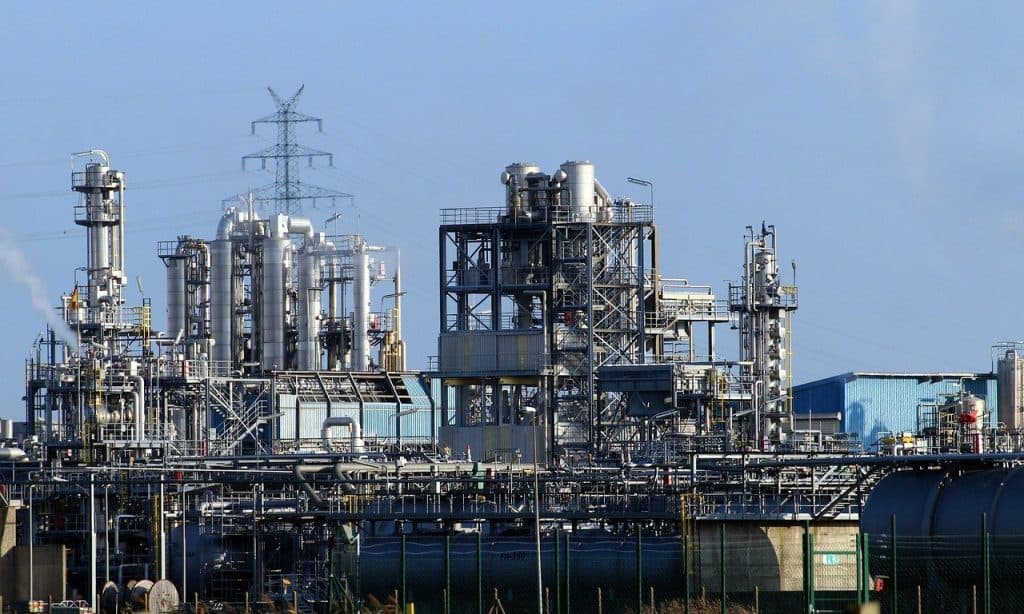
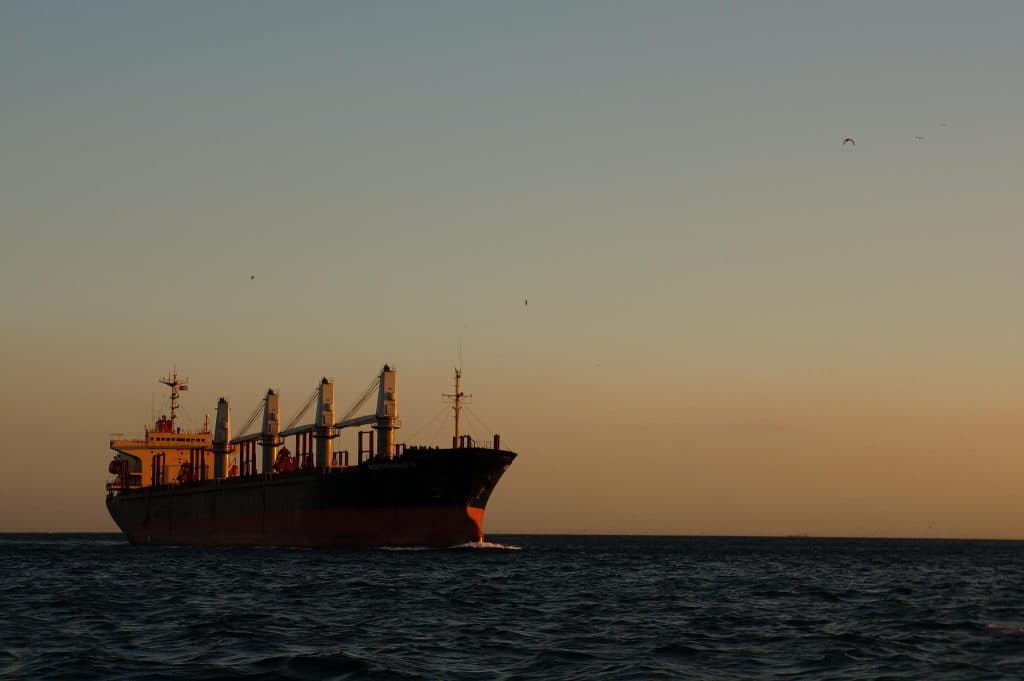
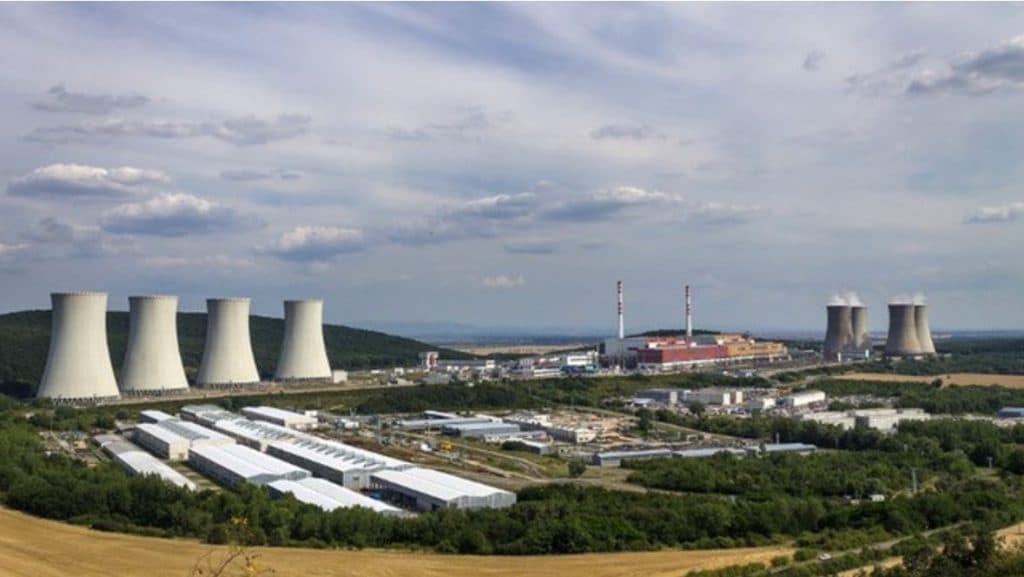
The reason is clear. Around 60% of the European Union’s energy needs are currently met by imported fuels, and the bill for these imports reached roughly 380 billion euros in 2024. Recent turmoil in energy markets linked to tensions around the Strait of Hormuz has once again highlighted the vulnerability of this model. Electricity generated from domestic renewable and nuclear sources can replace some of these imports.
To reach a 32% share of electricity, the EU will have to increase its use across all major sectors. In industry, the level of electrification would rise from 32% today to around 40%, mainly through the electrification of low- and medium-temperature processes. In buildings, the share of electricity would increase from 37% to 43%, primarily through faster expansion of heat pumps. According to the IEA, their sales would have to reach roughly twice the previous record set in 2022 by 2030.
What will be needed in transport and buildings
Transport will also undergo significant change. The level of electrification would have to rise from around 2% to almost 10%. Electric car sales should double compared with 2025, while sales of medium- and heavy-duty electric trucks should increase thirteenfold. Although their market share exceeded 4% in 2025, growth is not yet fast enough to meet European targets.
Electrification, however, is not just a cost. The IEA estimates that switching to electric technologies could cut households’ annual spending on heating and transport by up to 60%, while also reducing their exposure to fossil fuel price fluctuations. Across the EU, greater electrification could reduce gas imports by 45 billion cubic metres and oil imports by 1.7 million barrels per day, representing annual savings of around 55 billion euros at 2024 prices.
Czechia: a major producer, a hesitant consumer
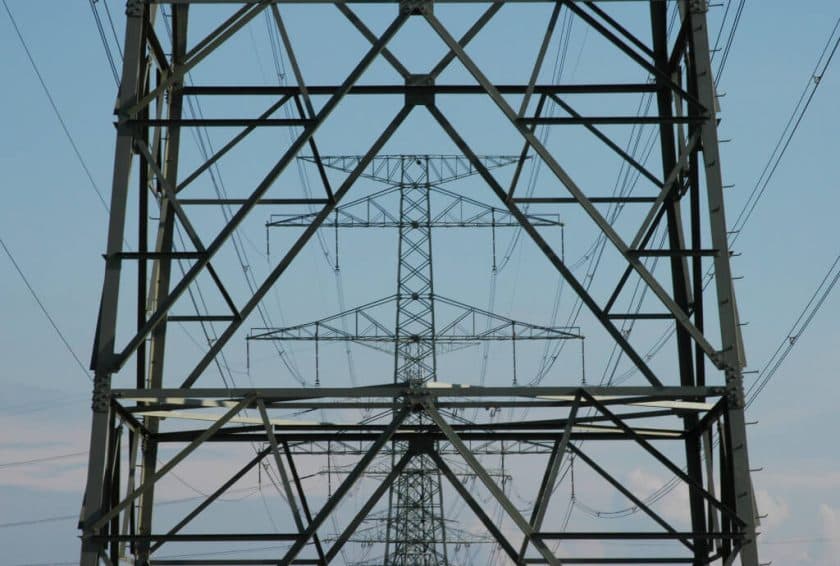
This trend represents both an opportunity and a challenge for the Czech Republic. The country is one of Europe’s major heat pump producers, but domestic use of electric technologies is growing more slowly than would be expected given Europe’s ambitions. Investment in distribution networks, flexibility and the modernisation of energy infrastructure will therefore be essential to success.
The electrification of the European economy is therefore not a distant vision, but a concrete project for the coming years. The question is no longer whether it can contribute to greater energy security in Europe, but how quickly the obstacles that have so far held back its development can be removed.
Translation disclaimer
This article is a machine translation of the Czech original and has not yet been fully reviewed. In case of any doubt, please refer to the Czech version.