
23 October 2026, 14:38
Loading...
Germany: Bidirectional EV charging expected to be operational as early as next year

Zuzana Vrbová
29 October 2024, 13:57
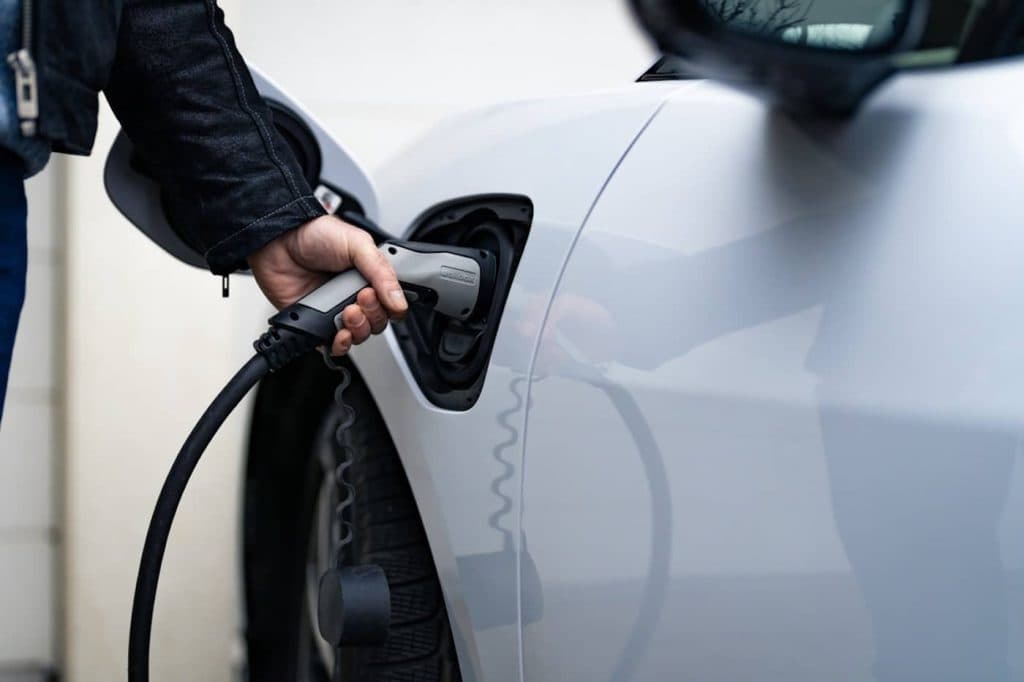
Germany is preparing to enable bidirectional charging of electric vehicles from 1 January. EV owners will be able both to draw electricity from the grid and feed it back into the grid. The measure is an important step towards increasing grid flexibility.
The ability to feed electricity back into the grid is often blocked by legislation. As reported by Clean Energy Wire, this is set to change in Germany from next year. After a long period of preparations, conditions will be put in place at the beginning of 2025 to allow electric vehicles to feed electricity back into the grid. This should enable users to help stabilise the power system and receive financial compensation for doing so.
“Mobile electricity storage systems such as electric vehicles can make a significant contribution to stabilising the power system,” said Economy and Climate Minister Robert Habeck at the second European Summit on Bidirectional Charging. “Their batteries can be used to temporarily store electricity, creating additional flexibility. This benefits both sides—car owners can also earn money from it.”
Many electric vehicles can already technically feed electricity back into the grid, but until now there have been no incentives for EV owners. Electricity taxes and grid fees have instead discouraged this. To support bidirectional power flows, the German government plans to provide relief on electricity taxes and reduce these fees by 60 to 85%, depending on the EV owner's contract with their electricity supplier.
From 1 January 2025, suppliers will be required to offer variable-price tariffs. This will encourage consumers to charge their car batteries when electricity prices are low, while allowing them to feed electricity back into the grid when prices are high.
Ahead of the summit, Minister Habeck said representatives of the European electromobility industry support the commercial availability of bidirectional charging from 2025 and are working together to establish the technical and legal conditions. Conference participants developed a proposal for an ideal technical and legal framework and also recommended a simplified electricity metering concept for this purpose in Germany.
Germany aims to have at least 15 million electric vehicles on its roads by 2030, a target that appears unlikely to be achieved given the recent decline in EV registrations in the country. Bidirectional charging could therefore provide a much-needed boost to market development.
Translation disclaimer
This article is a machine translation of the Czech original and has not yet been fully reviewed. In case of any doubt, please refer to the Czech version.
Sdílejte článek prostřednictvím:
You might also like


23 October 2026, 11:01


23 October 2026, 06:34