7 October 2026, 19:33
Loading...
More than 2 million cars sold in the UK. Nearly a quarter electric
Klára Čeperová
8 January 2026, 13:52
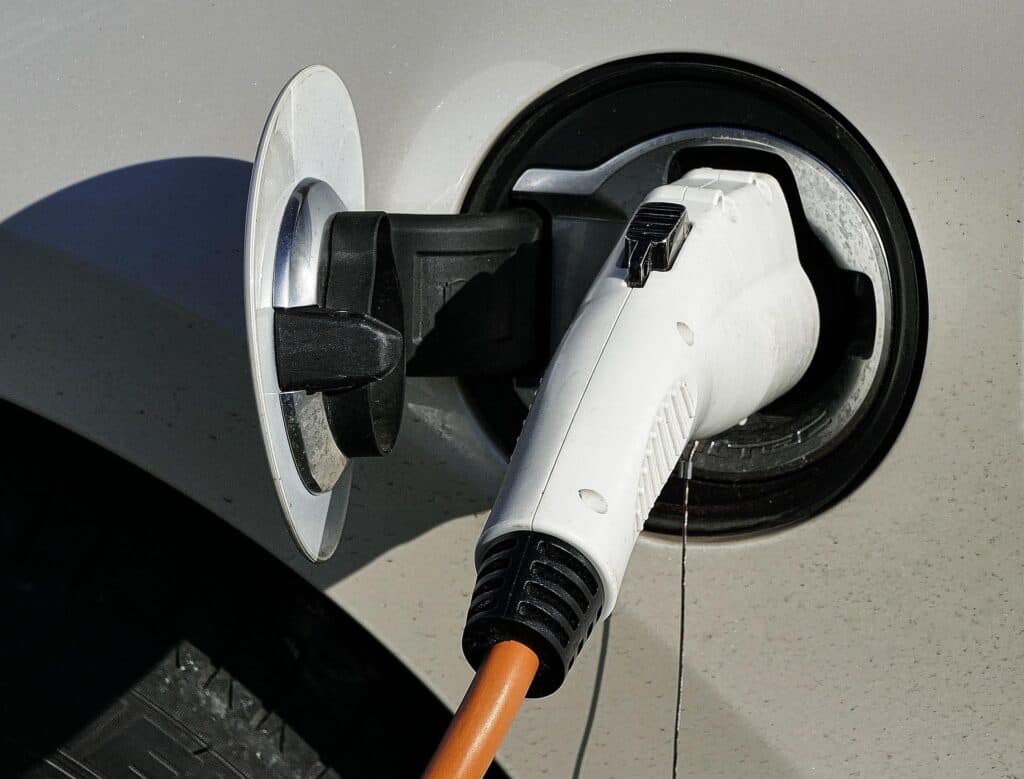
Electric car sales in the UK rose by a quarter year on year in 2025 to 473,000. Chinese carmakers accounted for 41% of sales.
Figures show that total car sales in the country exceeded 2 million for the first time since 2019 last year. Electric car sales in the UK rose by almost a quarter year on year to a record 473,000, accounting for 23.4% of the total market, four percentage points more than the previous year. The Guardian reports.
Mike Hawes, chief executive of the Society of Motor Manufacturers and Traders (SMMT), said that sales in 2025 represented “a fairly solid result despite adverse economic and geopolitical conditions”.
The increase in the number of electric cars helped reduce average emissions from new cars sold in the UK by 10% compared with the previous year. SMMT says this represents a “strong surge” in electric cars, but the association says the 28% sales quota for 2025 was nevertheless not met.
Minimum quotas
The UK government introduced minimum quotas for zero-emission car sales in 2023. They set a mandatory share of electric car sales in total car sales through to 2030. The rule applies to all manufacturers selling cars in the UK. Those that fail to meet it face fines.
But they have another option too: credits, which sellers earn for every zero-emission car sold. If they have a surplus of credits, they can carry them over between years or buy and sell them to other carmakers.
Thanks to this flexibility and the exemptions introduced by the UK government as early as April last year, the quotas are likely to have been met. The non-profit Energy and Climate Intelligence Unit said the automotive sector needed to achieve electric car sales of just 20.4% to avoid fines.
China’s contribution
According to preliminary figures, Chinese carmakers accounted for 9.7% of the 2 million new car registrations last year, or 196,000 vehicles. That is almost double the 4.9% market share achieved by British carmakers in 2024.
Led by brands including MG, BYD and Chery, which also operates Jaecoo and Omoda, Chinese manufacturers have made inroads into the UK market, which, unlike the US or EU, has not imposed import tariffs on them. Tesla, the US manufacturer led by Elon Musk, also makes cars in Shanghai for export to the UK, further increasing the market’s emerging reliance on imports from China.
For example, BYD sales rose to 51,000, six times the figure from the year before last, while Chery sales increased thirteenfold to 54,000. MG sold 85,000 cars, only slightly fewer than Germany’s Mercedes-Benz or South Korea’s Hyundai.
The Guardian says that competition from China has made it harder for European manufacturers to meet the quotas.
Recent developments
In recent years, carmakers have faced lower UK demand for new vehicles in the years since coronavirus lockdowns were introduced in early 2020. The decline came at a particularly difficult time, as carmakers try to switch from petrol and diesel engines to electric models under pressure to meet sales targets. Now it is the UK government that is under pressure, with calls for further loosening of the rules following German efforts to soften the planned EU ban on combustion engines.
Meanwhile, China’s Communist Party is strongly backing electric car manufacturing in the hope of securing a significant share of the global automotive market. Chinese manufacturers have also made gains in Europe with sales of plug-in hybrid electric vehicles (PHEVs), which combine a petrol engine with a smaller battery that can be charged from the grid.
Translation disclaimer
This article is a machine translation of the Czech original and has not yet been fully reviewed. In case of any doubt, please refer to the Czech version.
Sdílejte článek prostřednictvím:
You might also like

7 October 2026, 16:15

7 October 2026, 11:20