Executive summary
- Total electricity generation in the Czech Republic recorded a significant year-on-year decline for the second consecutive year in 2024, this time by around 4%. This was mainly due to lower generation at coal-fired power plants.
- During the crisis year of 2022, coal-fired power plants still supplied more than 33 TWh of electricity to the grid; in 2023 it was just under 27 TWh, and last year just under 24 TWh.
- In future, the dispatchable capacity of coal-fired power plants should be replaced by new gas-fired CHP plants and power stations. According to the outlook of the transmission system operator ČEPS, electricity generation from these sources could triple by 2035.
- Net electricity consumption last year reached approximately 57.9 TWh. Total electricity consumption in the Czech Republic stagnated in 2024, following the downward trend of previous years.
- Consumption in 2024 remained below its pre-pandemic level (2019), reflecting persistent savings and changes in industrial and household consumption. Overall, consumption stabilised after the more pronounced previous declines, albeit at a lower level than in the past.
- In 2024, the Czech Republic exported 7.68 TWh and imported 1.26 TWh of electricity. Domestic generation exceeded consumption for 6,732 hours; during the remaining 2,052 hours, consumption was also partly covered by foreign sources.
- The net export position of 6.43 TWh is the lowest in at least 10 years and 30% lower than in 2023. The declining export position suggests that the Czech Republic may become a net electricity importer in the coming years.
- From the perspective of wholesale energy markets, 2024 was not as turbulent as the preceding period from 2021 to 2023, although conditions cannot be described as entirely calm.
- Long-term contracts were primarily affected by fuel prices, particularly natural gas, and emission allowances, which responded to geopolitical developments and ongoing conflicts, including the war in Ukraine and events in the Middle East. Short-term markets were influenced by the continued growth of installed renewable capacity, accompanied by a sharp rise in the number of hours with zero or negative electricity prices.
- Renewable energy sources remain the fastest-growing source of electricity. Growth was driven mainly by solar power, with 967 MWp of installed capacity added in 2024. Total solar capacity in the Czech Republic therefore grew by approximately 28% to 4,430 MWp.
- The year 2024 brought numerous legislative changes intended to support further renewable development. In addition to the launch of the Electricity Data Centre, which enables electricity sharing, approval of Lex RES 3 is expected at the beginning of the year; it should finally introduce energy storage and flexibility into Czech legislation. A methodology for introducing acceleration zones was also presented, together with faster permitting for power plants with greater installed capacity. The Ministry of Industry and Trade will also seek to support such plants by offering operating support between 2025 and 2027 for up to 350 MW of new installed capacity per year.
- As installed renewable capacity grows, so does the number of hours with negative or zero electricity prices. In this respect, 2024 was a record year, with 361 such hours. New installations will therefore have to address this issue. Besides negative electricity prices, strengthening the power system—particularly the distribution system, whose capacity is exhausted in most parts of the Czech Republic—also presents a challenge.
- In 2024, power and gas prices in acquisition offers for new customers declined. According to Ušetřeno.cz, the largest Czech comparison website, the average commercial component of the electricity price fell from CZK 3,401/MWh excluding VAT in January to CZK 2,667/MWh excluding VAT in December. Over the same period, the gas price fell from CZK 1,429 to CZK 1,117/MWh excluding VAT.
- According to Ušetřeno.cz data, the average saving from switching electricity supplier in 2024 was approximately CZK 5,000 per year, and around CZK 7,000 per year for gas.
- According to OTE, a total of 579,344 electricity supplier switches and 204,696 gas supplier switches took place in 2024.
Key indicators for 2024
Total electricity generation
Total electricity consumption
Coal-fired generation
Share of renewables in electricity generation
Solar power generation
Average spot price
Cross-border balance
Electricity price for households
Introduction
Developments in European energy markets and the Czech energy sector are attracting increasing interest from both experts and the wider public. In recent years, the energy sector has been undergoing an extensive transformation that affects businesses as well as households. Topics such as the coal phase-out, construction of new nuclear units and the solar boom are now common in public debate, business and everyday conversation.
This report, produced jointly by the analytical portal oEnergetice.cz and comparison website Ušetřeno.cz, therefore aims to summarise the past year's developments in the Czech energy sector through data and explain the principal milestones and their effects on businesses and households. It helps readers better understand how the widely discussed energy transition affects end consumers—our readers and users.

Dear readers, we are delighted to have joined our colleagues at oEnergetice to prepare the 2024 Energy Yearbook for you. We believe its content will provide valuable information on energy prices, current trends and legislation. Careful monitoring of consumer prices remains our priority this year. Thank you for joining us.
Petr Hošek
CEO, Ušetřeno.cz

Dear readers, we are pleased to present the 2024 Energy Yearbook. We believe it offers a high-quality, comprehensive overview of current developments in the Czech energy sector. Our aim is to provide the clearest possible information and make this rapidly changing field easier to navigate. Ušetřeno.cz has also contributed its focus on the retail segment. Thank you for following developments in the energy sector.
Martin Voříšek
website analyst, oEnergetice.cz
Electricity generation
Total electricity generation in the Czech Republic declined year on year for the second consecutive year, this time by around 4%. Czech sources generated a total of 68.7 TWh in 2024. The decline was mainly caused by lower coal-fired generation: lignite plants generated around 8% less electricity and hard-coal plants as much as 64% less than in 2023. Nuclear generation also fell, supplying 2% less electricity to the grid year on year. By contrast, solar generation rose significantly; thanks to increased installed capacity, solar plants generated 40.5% more electricity than in 2023, according to ENTSO-E data.
Electricity generation also fell significantly compared with the crisis years; against the pre-pandemic year of 2019, it was almost 15% lower last year. The decline was largely due to the continuing reduction in domestic electricity consumption and lower electricity exports, which fell by around one third for the second consecutive year.
Nuclear and lignite sources traditionally provide the largest shares of electricity in the Czech Republic, accounting for 40.8% and 33.5% of total generation respectively. Solar moved into third place after increasing its output for the second consecutive year. With a 5.7% share of total generation and year-on-year output growth of more than one third, it overtook gas-fired sources, which accounted for 5.1%. Hydropower, other renewables and biomass followed, each contributing between 3% and 4% of total generation.
Electricity generation in the Czech Republic is traditionally highest in winter and lowest in summer, mirroring seasonal fluctuations in consumption. In 2024, generation was the lowest of recent years in almost every month. Over the past six years, only generation in May, June, July, September, November and December 2023 was comparable with 2024.
Future electricity generation
The Czech Republic will continue to rely on nuclear power plants in future, with their installed capacity expected over the next ten , while coal-fired plants will be progressively decommissioned from 2030. Although the Czech Republic has not yet set a coal phase-out date, many coal plant operators plan to close their facilities for economic reasons. After 2030, coal is therefore expected to be burned mainly in smaller CHP plants or . The current government plans to achieve a coal phase-out by 2033.
Renewable generation is expected to grow as installed capacity increases. According to solar generation should roughly triple by 2030, while wind generation should be about five times higher. Generation from gas-fired sources should approximately double.
The Czech Republic's dependence on imported electricity is expected to grow in the coming years. It should peak around 2035, when the country will import roughly 20% of its electricity consumption. Once new nuclear units are completed, however, the need for imports should subsequently decline.
Electricity consumption
Total electricity consumption in the Czech Republic stagnated in 2024, ending the downward trend of previous years. Net consumption reached 57.9 TWh last year. According to the Energy Regulatory Office, the year began with a broad increase in consumption. In January, electricity consumption rose by 5% year on year because of cold weather during the first month of the year.
In the following months, consumption gradually fell compared with the previous year. Weather was again the cause, as temperatures were above the long-term average. Colder conditions only began to increase electricity consumption slightly in the final months of 2024.
Energy conservation in Czechia has now continued for two years. Alongside the weather, rising energy prices have contributed significantly. Savings were evident across all customer categories.
Monthly consumption data clearly show seasonal fluctuations, with higher consumption in winter and lower consumption in summer. A long-term decline has been evident since 2020, driven by improved energy efficiency and conservation measures, particularly at the peak of the energy crisis in 2022. Consumption in 2024 remained below its pre-pandemic level (2019), reflecting persistent savings and changes in industrial and household consumption. Overall, consumption stabilised after the more pronounced previous declines, albeit at a lower level than in the past.
The largest decline in consumption in 2024 occurred among small consumers, including small and medium-sized businesses and households. Year-on-year consumption in this category fell by around 9%. In 2024, large high-voltage consumers—industrial enterprises, commercial and logistics sites and data centres—also joined the conservation trend. They account for more than one third of total consumption, and their consumption fell by more than 5%, according to Energy Regulatory Office data.
Consumption trends in the coming years
Electricity consumption in the Czech Republic is expected to stagnate or grow slightly in the coming years, mainly because of transport electrification and higher demand in sectors such as battery manufacturing and digital technologies. According to electricity consumption could increase by 30–76% by 2040 compared with 2022, depending on the development scenario selected. The progressive scenario, for example, estimates consumption including grid losses at approximately 90 TWh in 2035 and as much as 98 TWh in 2040.
Developments in recent years nevertheless show that the future is uncertain. Consumption will be influenced by several factors, including economic recovery, increasing electrification of transport and heating, and the transformation of industrial production. The European Commission has also set ambitious 2030 targets for decarbonisation, renewable development and greater energy efficiency, to which the Czech Republic has committed. Forecasts indicate that increasing numbers of heat pumps and electric vehicles will be an important driver of demand by 2030, gradually raising energy consumption across sectors.
| Factor | 📈 Impact on consumption | 💬 Comment |
|---|---|---|
| 🔋Transport electrification | Increases | Growth in electric vehicles places significant additional demands on grid capacity. |
| 🔥Heating electrification | Increases | Heat pumps replace fossil fuels and increase demand for electricity supply. |
| 📊Economic recovery | Increases | More industrial output and digital technology add to demand. |
| 💡Improved energy efficiency | Decreases | Better technology and energy-efficient appliances reduce energy demand. |
| 🌞Renewables development | Decreases (partly) | Decentralised generation, such as solar panels, reduces dependence on the grid. |
| 👥Changes in consumer behaviour | Decreases | Energy savings and environmental awareness curb consumption. |
| 🏙️Urbanisation | Increases | Urban areas require more energy for lighting and air conditioning. |
| 🏭Deindustrialisation | Decreases | A shift away from energy-intensive industries reduces demand. |
| 💻Data-centre development | Increases | Growing demand for cloud technology and server services requires more electricity. |
Commercial and physical cross-border flows
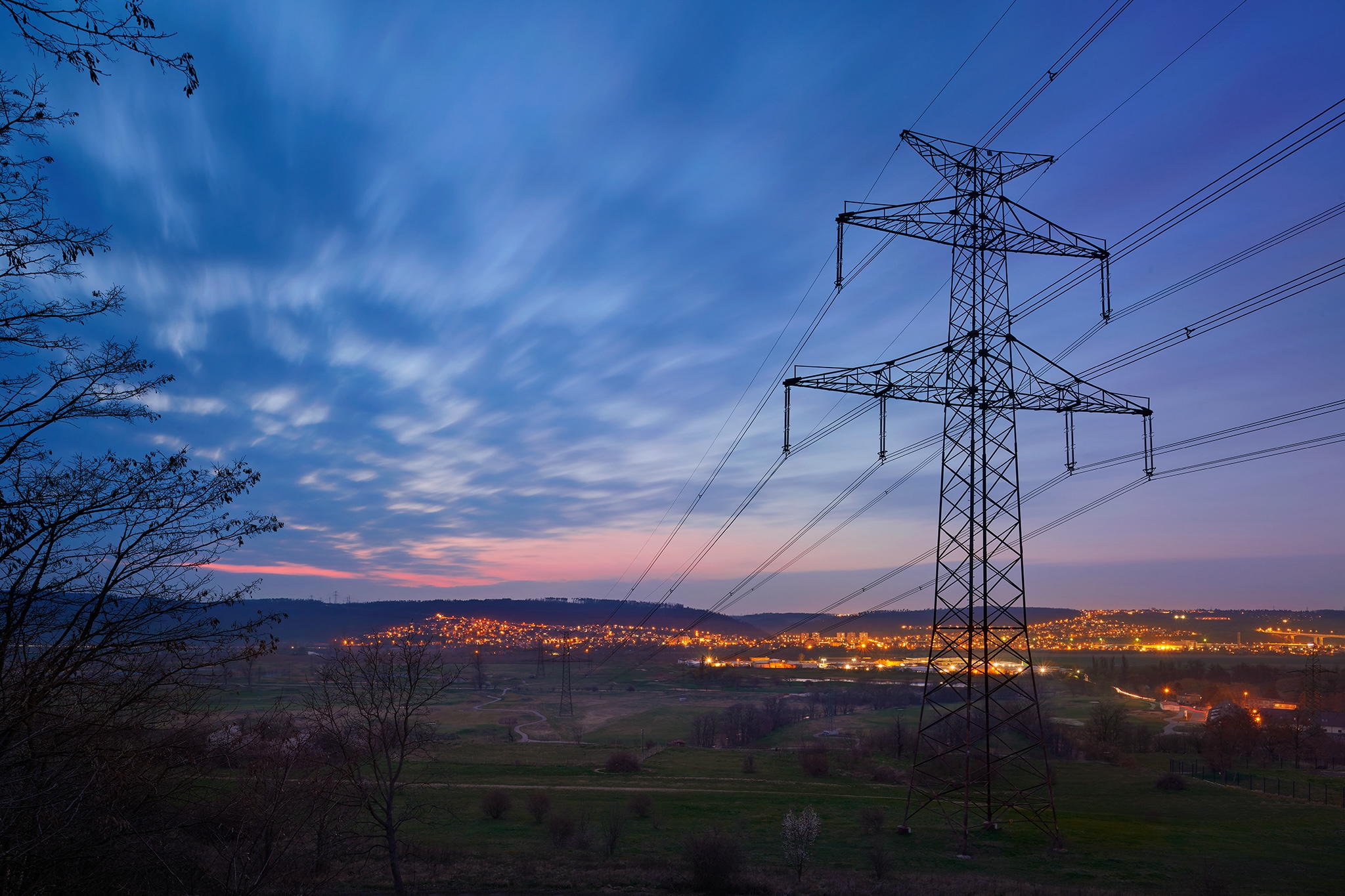
The year 2024 was marked by declining electricity exports from the Czech Republic to neighbouring countries. The Czech net commercial balance was 6.43 TWh, a 30% decline compared with 2023. Total electricity exports amounted to 7.68 TWh and total imports to 1.26 TWh.
Over the past 10 years, the Czech Republic recorded its highest export balance in 2014, at 16.3 TWh; between 2015 and 2022 it always ranged from 10 to 14 TWh. The lower utilisation of coal-fired sources is now becoming clearly visible, supporting the transmission system operator's scenario in which the Czech Republic becomes a net electricity importer within the next few years.
On an hourly basis, the Czech Republic exported electricity for a total of 6,732 hours last year and imported it for 2,052 hours (an export-to-import ratio of roughly 77:23). In 2023, exports occurred during 7,285 hours and imports during 1,475 hours (a ratio of roughly 83:17).
To illustrate the volume of energy involved, during export hours in 2024 the Czech Republic exported an average of 1,141 MWh/h; during import hours it imported an average of 612 MWh/h.
Commercial exchanges with neighbouring countries
Austria (AT) – the overall balance with the Czech Republic's southern neighbour in 2024 was a net export of 4.43 TWh, the largest net exchange with any neighbouring country. Exports to Austria were nevertheless significantly lower than in the preceding year (the net export position with Austria reached 5.95 TWh in 2023).
Germany (DE) – the balance with the Czech Republic's western neighbour changed most significantly compared with 2023. While the overall balance one year earlier was a net electricity export of 0.11 TWh to Germany, in 2024 the Czech Republic imported a total of 2.80 TWh from Germany.
Poland (PL) – commercial exchanges with the Czech Republic's northern neighbour reached 0.7 TWh in 2024, 9% more than in 2023. Of all neighbouring countries to which electricity from Czech power plants was exported, however, exports to Poland were the lowest.
Slovakia (SK) – the overall 2024 balance with the eastern neighbour reached an export position of 4.11 TWh, ranking second by volume behind Austria. Compared with 2023, the export position between the Czech Republic and Slovakia rose by 65%, from 2.48 TWh to 4.11 TWh.
Physical exchanges
Because physical energy flows do not correspond to commercial exchanges, and because the Czech Republic lies at the centre of Europe, the volume of electricity exchanged physically is also shown below. These exchanges include so-called loop or transit flows: energy that the Czech Republic imports during an hour while simultaneously exporting it across another border.
The substantial difference between commercial and physical exchanges is caused mainly by significant transit flows from the north-west (Germany and Poland) to the south-east (Austria and Slovakia). In 2024, the Czech–Polish border showed the greatest difference: the Czech Republic was commercially due to export a net 0.7 TWh, but physically imported a net 4.75 TWh. The Czech–Slovak border had the second-largest difference, with a net commercial export of 4.11 TWh but net physical exchanges of 9.22 TWh. The comparison is shown in the following table.
| Country | Commercial exchange [TWh] | Physical exchange [TWh] | Absolute difference [TWh] |
|---|---|---|---|
| AT | -4.43 | -5.76 | 1.34 |
| DE | +2.8 | +3.79 | 0.98 |
| PL | -0.7 | +4.75 | 5.45 |
| SK | -4.11 | -9.22 | 5.11 |
Generation from conventional power plants
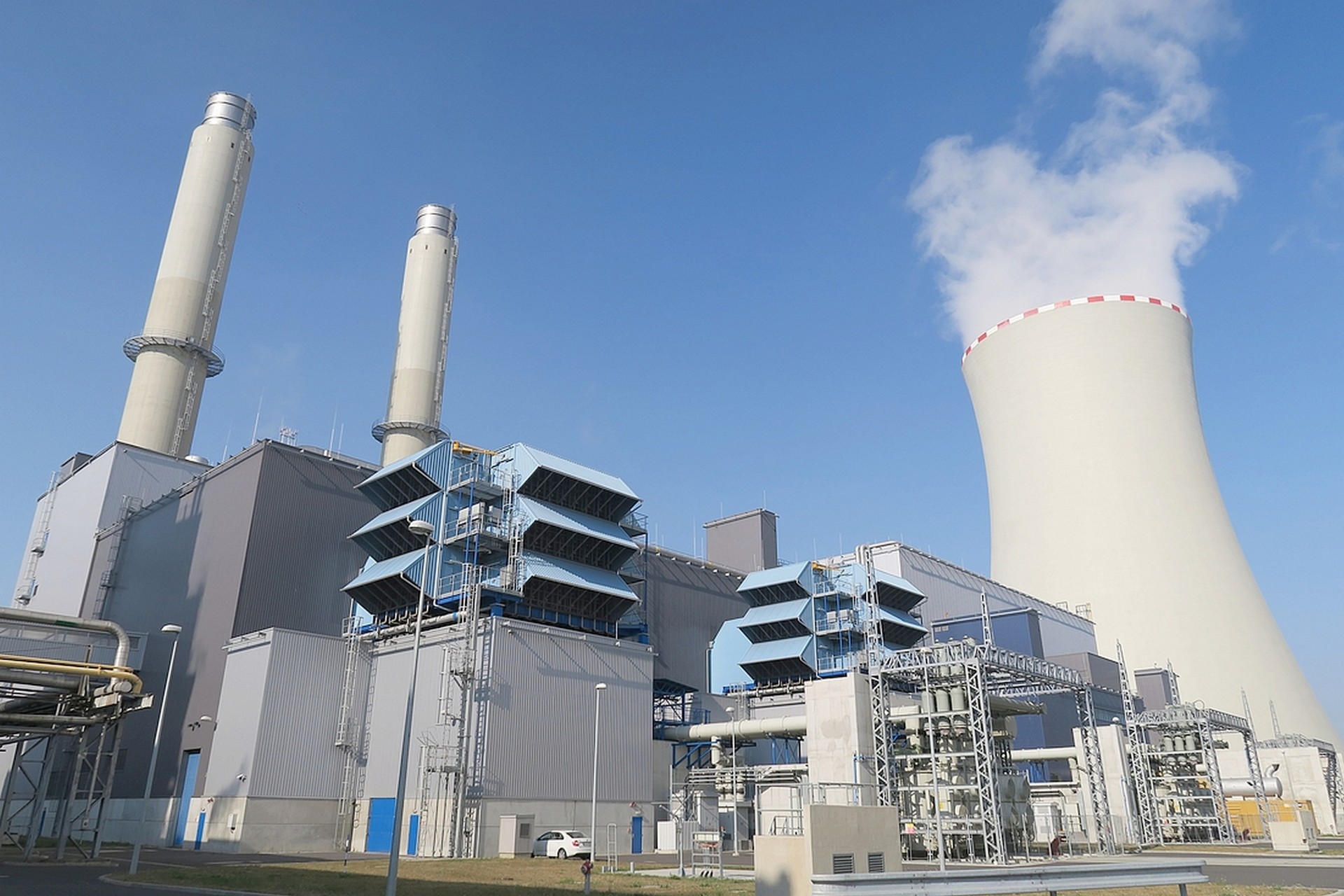
Conventional power plants—defined in this report as nuclear, coal-fired and natural-gas-fired plants—have long generated more than 80% of electricity in the Czech Republic. Last year was no exception, with these sources accounting for 80.3% of net electricity generation.
Nuclear power plants supplied 28 TWh of electricity to the grid in 2024, a year-on-year decline of 2.3%. Despite this decrease, nuclear remained the largest source of electricity in the Czech Republic, as coal-fired generation fell by more than 3 TWh (-12%) year on year to 23.7 TWh.
Coal-fired power plants have experienced the steepest decline in output in recent years. During the crisis year of 2022, these sources still supplied more than 33 TWh of electricity to the grid; in 2023 it was just under 27 TWh, and last year the 23.7 TWh stated above. The main reason is economic: the combination of high emission allowance prices, falling natural gas prices and growing solar and wind generation means that coal-fired power plants are increasingly less competitive on the wholesale electricity market.
The decline in coal-fired electricity generation is also evident at major coal plants. Net generation fell year on year at Tušimice, Chvaletice, Dětmarovice and Počerady. Prunéřov 2 was the exception, generating 0.29 TWh more year on year. Taken together, however, output from these selected plants declined by 7%.
| Power plant | 2021 [TWh] | 2022 [TWh] | 2023 [TWh] | 2024 [TWh] |
|---|---|---|---|---|
| Tušimice (ETU2) | 3.55 | 3.64 | 3.87 | 3.76 |
| Chvaletice (ECHV) | 3.32 | 4.47 | 2.81 | 2.48 |
| Dětmarovice (EDET) | 1.15 | 1.08 | 0.76 | 0.55 |
| Počerady (EPC1) | 4.26 | 5.01 | 3.97 | 3.38 |
| Prunéřov 2 (EPR2) | 3.58 | 3.61 | 3.13 | 3.42 |
Electricity generation from natural-gas-fired plants was virtually unchanged year on year at 3.5 TWh. This was around 2 TWh less than in the crisis year of 2022.
Sources for the winter months
Coal- and gas-fired power plants play an important role not only in the overall annual electricity balance, but also in covering seasonal and daily fluctuations in consumption. Nuclear generation remains approximately constant throughout the year, whereas generation from natural gas and especially lignite- and hard-coal-fired plants rises significantly in winter. This reflects both operating economics, with higher electricity prices occurring in winter, and the fact that many coal-fired sources also supply district-heating systems and are therefore used more heavily during winter.
As the following chart shows, electricity generation from lignite-fired plants reached roughly 2.5 TWh per month during last winter, while falling as low as 1.4 TWh per month in summer. Seasonality was even more pronounced at natural-gas-fired plants, whose winter electricity generation was more than twice the level recorded during summer.
The end of coal is in sight
As is clear from the coal-fired generation trends above, developments in the wholesale electricity markets are highly unfavourable for these sources, and no improvement is in sight. Current prices for long-term electricity contracts and emission allowances indicate that the potential gross margin of lignite-fired power plants should continue to decline in the coming years, together with their utilisation.
The negative outlook is also supported by the recently published "Assessment of the resource adequacy of the Czech electricity system to 2040" (MAF CZ 2023), which presents possible trajectories for the Czech electricity sector from the perspective of transmission system operator ČEPS. The analysis contains two scenarios: Respondent and Progressive. Under the Respondent scenario, based on data obtained from coal plant operators, most coal-fired power plants will be shut down in the early 2030s. The Progressive scenario assumes faster decarbonisation and an even earlier coal phase-out.
As net installed capacity declines, MAF CZ 2023 projects that coal-fired electricity generation will also fall sharply. While it could still amount to approximately 18.5 TWh in 2025, it is expected to drop to 1.6–2.4 TWh by 2030. Compared with generation from these sources in 2024, this would represent a decline of around 90%.
Replacement by nuclear and gas
Retiring capacity and the associated decline in coal-fired generation are to be replaced gradually by a combination of nuclear, renewable and gas-fired sources. Dedicated chapters discuss the expected development of renewables; this chapter therefore focuses solely on nuclear and gas.
The Czech Republic currently operates two nuclear power plants with six units and a combined net installed capacity of 4.1 GW. Under both possible development scenarios (Respondent and Progressive) in the MAF CZ 2023 outlook by the Czech transmission system operator, one small modular reactor with a net installed capacity of 285 MWe is expected to enter service around 2035. Significant development is expected at Dukovany, where two new large units, each with net capacity of almost 1 GW, are to be built. Commissioning is planned between 2036 and 2038.
While the Respondent and Progressive outlooks for nuclear sources in MAF CZ 2023 are virtually identical, the results for gas-fired sources differ slightly. The Respondent scenario anticipates net installed capacity increasing from 2.1 GW in 2025 to 3.4 GW in 2040. The Progressive scenario assumes faster growth to 3.8 GW in 2040. Growth in gas-fired capacity is expected to be driven mainly by converting coal-fired sources that supply district-heating systems to natural gas. This is also supported by European Commission approval granted to the Czech Republic this year for an operating-support scheme covering electricity from high-efficiency combined heat and power generation.
Electricity generation from natural-gas-fired sources is therefore expected to grow in the coming years, with faster growth under the Progressive scenario. From around 3 TWh in 2025, gas-fired generation under this scenario should rise to almost 10 TWh in 2035. A slight decline is expected after 2035.
The stated growth in net installed capacity and gas-fired generation may not be final. Both scenarios indicate resource-adequacy problems in the second half of the period and thus a need for additional capacity. Although ČEPS states that it does not specify particular sources for this requirement, a large share can be expected to comprise natural-gas-fired plants. The identified need is 1.6–1.9 GW, while sensitivity analysis for a climatically "unfavourable" year indicates a need for 3.5–4.1 GW of additional dispatchable capacity. Given the low utilisation of these sources, however, their construction will probably depend on capacity payments. The Czech Republic cannot yet offer these through capacity auctions because it has no capacity mechanism approved by the European Commission.
Renewable energy sources: the future mainstay of the Czech energy sector?
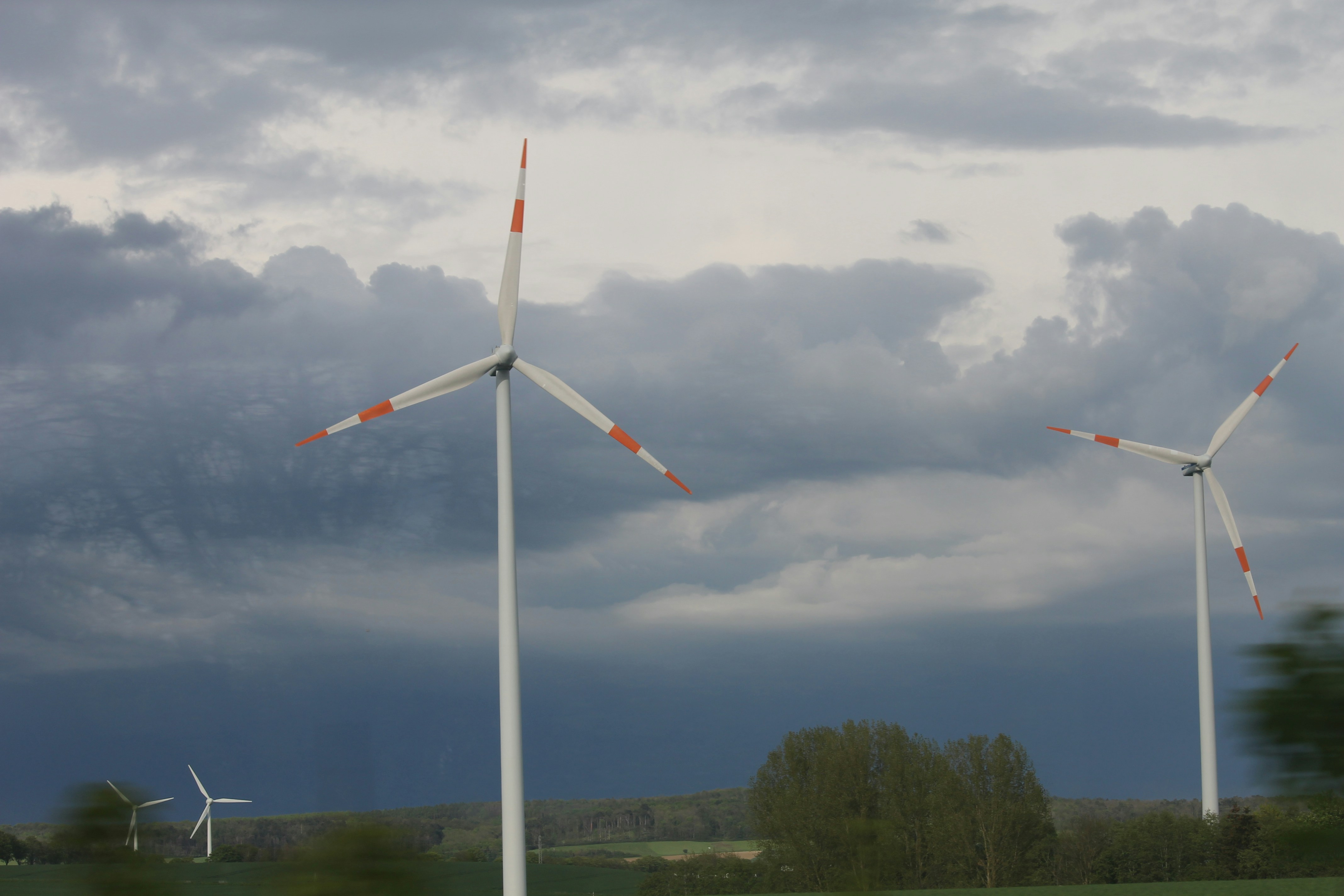
Renewable energy sources have traditionally played a secondary role in the Czech Republic, both in total energy consumption and electricity generation. The Czech energy sector has long relied primarily on nuclear power and fossil fuels, particularly lignite. The country has persistently lagged behind its European neighbours in renewable development, as EU statistics also demonstrate.
At the end of 2024, the Czech government approved the national climate and energy plan. It raises the target share of renewables in final energy consumption from 18% in 2024 to 30% in 2030. To meet this target, the government will have to provide further support for renewable development alongside greater energy savings. For comparison, the EU-wide target for 2030 is 42.5%.
Reasons for slow development
There are several reasons why renewables have not developed more extensively in the Czech Republic. One is the legislative barriers to construction: obtaining all permits for a source with several MW of installed capacity and a greater impact on its surroundings takes several years. The lengthy permitting process, with its uncertain outcome, increases development costs and discourages potential commercial investors.
Another reason is the Czech climate. Although untapped potential remains, conditions in most locations are not attractive enough to generate greater investor interest.
For solar power plants, the amount of sunlight at a particular site is crucial and varies considerably by location. Nevertheless, the average annual solar capacity factor in the Czech Republic is 12.6%. For wind power plants, wind speed and consistency are decisive and have the greatest effect on the average capacity factor, which averages 23% for Czech wind farms.
Little potential remains for hydropower development, at least for larger schemes on the lower reaches of rivers with high and stable flows. Such construction could also face environmental limits and opposition from environmental organisations. Smaller and medium-sized watercourses offer some potential, as do new pumped-storage plants, which in most cases are planned at sites where other water infrastructure already exists.
The use of biomass is growing slowly and is expected to develop further, serving alongside waste as a partial replacement for coal, particularly in district heating. Geothermal energy is used only on a small scale in the Czech Republic.
Generation in the Czech Republic also varies more markedly with the seasons. July is traditionally the best month for solar generation. Wind generation, by contrast, is stronger in autumn and winter, with the year's highest output recorded in January.
Hydropower generation is relatively stable throughout the year, although output is stronger in winter and autumn and reached its annual high in January. Generation in 2024 was affected by severe flooding, which is also visible in the higher output during September and October.
Another factor is the lack of political support from previous governments. Solar energy in particular had a poor reputation in the Czech Republic for many years, mainly because of the mishandled solar boom of 2009 and 2010. Almost 15 years later, it remains a highly sensitive political issue, as that boom is still viewed predominantly negatively. Taxpayers continue to feel the consequences of the 2010 boom, or more precisely the design of its support scheme. Between 2013 and 2021, few senior politicians therefore openly championed renewables.
Acceleration in recent years
Installed renewable capacity has increased in recent years, driven by solar. The energy crisis of 2022 triggered a new solar construction boom. During the crisis, gas and electricity prices rose to record levels and the entire market faced uncertainty over security of supply.
Consumers consequently became more engaged with energy, which was the dominant issue at the time. Rising prices led them to reduce consumption and seek secure, affordable supplies. Higher prices also improved the returns on renewable projects, increasing investor interest.
As installed capacity grows, so do the amount of electricity generated and its share of total Czech generation.
2024: a year of renewable-energy legislation
The legislative environment in 2024 favoured renewables, with several acts either entering into force or being introduced. The Lex RES 3 amendment was among the most important, while Lex RES 2 only took effect at the beginning of 2024. The Act on Accelerating the Use of Renewable Energy Sources, a proposed methodology for selecting renewable acceleration areas, and the amendment to the Infrastructure Act effective from the start of 2024 are just some of the measures intended to support renewable development.
Czech legislation therefore introduces significant measures to accelerate renewable construction. The Ministry of the Environment issued a methodology for so-called acceleration zones, enabling faster project approval. These zones aim to reduce preparation and approval of renewable projects to no more than 12 months. The Act on Accelerating the Use of Renewable Energy Sources, introduced in July 2024, proposes raising the installed-capacity threshold below which no building permit is required from 50 kW to 100 kW. For projects approved under simplified building procedures, the threshold rises to 250 kW.
Lex RES 3 is based primarily on three elements—aggregation, storage and flexibility—intended to support the power system. It newly allows electricity to be stored in battery systems that are not directly connected to a generation source. Aggregation makes it possible to combine multiple energy resources into a single unit that can provide services improving grid flexibility. Flexibility itself enables generation and consumption to be adjusted to grid needs, although this applies to sources above 1 MW of installed capacity.
The ability to share electricity through the Electricity Data Centre provided a major boost for renewables, especially solar. The centre plays a key role in implementing community energy in the Czech Republic and is expected to be used more extensively in future. Since August 2024, it has registered participants interested in electricity sharing, currently through an interim solution, enabling consumers to use renewable energy more effectively. Electricity can be shared not only between neighbours or within families, but also in wider communities such as municipalities or businesses. Community energy creates new opportunities particularly for towns and companies, which can optimise energy use in their buildings.
Renewable development outlook
Legislative changes, subsidy incentives and advancing decarbonisation continue to favour renewable development. As storage systems develop, construction of larger solar parks can be expected eventually to outpace additions of rooftop solar. The introduction of acceleration zones and the Ministry of Industry and Trade's plan to hold an auction supporting 1,000 MW of new wind capacity should also drive stronger growth in this field. Hydropower—especially pumped storage, which can also stabilise the grid—offers development potential. According to MAF 2023, combined solar and wind capacity should exceed 10 GW in 2030.
Respondent scenario
| Source | 2030 installed capacity (GW) | 2030 generation (TWh) | 2040 installed capacity (GW) | 2040 generation (TWh) |
|---|---|---|---|---|
| Solar sources | 10.7 GW | 11.7 TWh | 11.5 GW | 12.3 TWh |
| Wind sources | 1.4 GW | 3.4 TWh | 2.5 GW | 6.4 TWh |
| Biomass, biogas, waste | 0.8 GW | 3 TWh | 0.6 GW | 2.7 TWh |
Progressive scenario
| Source | 2030 installed capacity (GW) | 2030 generation (TWh) | 2040 installed capacity (GW) | 2040 generation (TWh) |
|---|---|---|---|---|
| Solar sources | 12.5 GW | 13.6 TWh | 14.3 GW | 15.5 TWh |
| Wind sources | 1.5 GW | 3.7 TWh | 2.9 GW | 7.6 TWh |
| Biomass, biogas, waste | 0.7 GW | 2.7 TWh | 0.5 GW | 2.1 TWh |
Respondent scenario
Progressive scenario
The increasing frequency of negative market prices may impede renewable development by worsening project returns. This is another reason why introducing the concept of energy storage into Czech legislation was crucial.
The distribution system—and specifically the ability to connect the output of new sources—presents a challenge that could slow renewable development. Larger sources must connect at higher voltage levels, whose capacity is limited, as is distribution-system capacity generally. According to distributors, connection capacity for new sources is currently exhausted across most of the country. The power system must therefore be modernised, or inactive generation-connection applications for which distributors are legally required to reserve capacity must be cancelled.
Solar power: the fastest-growing source
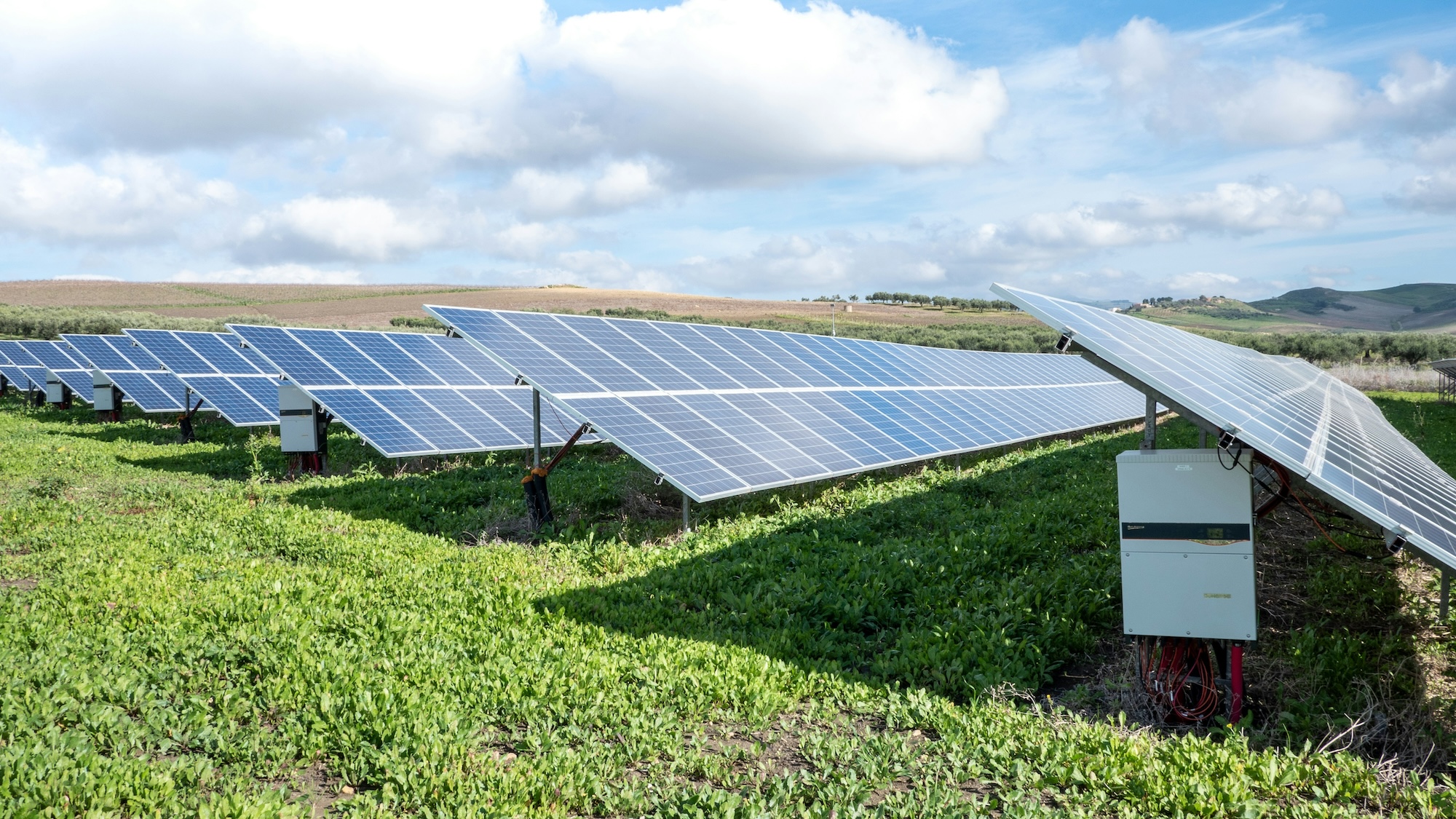
Solar power has experienced one of the largest booms of any source over the past two years and is now the fastest-growing source of electricity in the Czech Republic. The price increases associated with the energy crisis shortened payback periods for solar projects. Many solar installation companies used this in their marketing, further increasing interest in rooftop solar.
The new solar boom continued in 2024. According to ČSRES data, installed solar capacity reached 4,430 MWp after 967 MWp was added during the year—an increase of approximately 28%. In 2024, the modern solar boom gradually shifted from the residential to the commercial sector.
Because permitting larger solar parks can take several years, greater additions in the category above 1 MW can be expected in the coming years. This is also indicated by the list of projects approved by the Modernisation Fund in recent years, which includes grants worth tens or even hundreds of millions of Czech crowns for numerous solar projects. Probably the most interesting project this year is ČEZ’s Prunéřov 1 solar plant, which should achieve .
Several larger solar parks with capacities of several MW were also commissioned in 2024. Among the largest is the Dolní Litvínov solar plant, with installed capacity just under 10.2 MW, followed by Kaznějov at 9.5 MW and Elektrárna Mělník 2 at 7.2 MW.
According to ČSRES data, installed solar capacity grew to 4,430 MWp in 2024. This was reflected in monthly output, which has exceeded the preceding year for three consecutive years. Czech solar generation reached 3.9 TWh in 2024, making it the third-largest electricity source. Solar plants generated approximately 1 TWh more than in 2023.
Approximately 45,000 solar power plants with combined capacity of 967 MWp were connected in the Czech Republic during 2024, comparable with the capacity added in 2023. Despite fewer installations on family homes, the market is shifting towards commercial installations, whose greater capacity compensates for the residential slowdown. Positively for the distribution grid, around 84% of installations on family homes included battery storage, with an average capacity of around 12 kWh.
The end of 2024 brought record demand for grants for rooftop solar on family homes. Concern over planned changes from 2025, when solar support would be reduced, encouraged households to apply under the existing, more favourable conditions. More than CZK 2 billion was therefore exhausted within four days, and applications closed under the New Green Savings Standard programme. This should support installed-capacity growth in the first half of 2025 as well.
The leading solar category by share of generation therefore changed. Installations up to 10 kW recorded the largest capacity increase and accounted for 32% of solar generation. Plants above 1 MW and up to 5 MW moved into second place with a share of approximately 29%. In future, this share can be expected to rise further, as can the share of plants above 5 MW.
Negative and zero electricity prices are increasingly associated with solar development because they occur when generation from this source is highest, around midday. The number of negative- and zero-price hours is also rising in the Czech Republic, reaching a record 361 in 2024. This trend affects project returns, meaning generation often has to be complemented by storage or on-site consumption. Published data show that almost 15% of solar generation last year occurred during hours when the day-ahead market price was zero or negative. At the same time, solar plants generate least when day-ahead prices are above average—during only around 20% of such hours. The average day-ahead market price in 2024 was approximately EUR 85/MWh.
Wind turbines: a longstanding outsider in the Czech energy sector
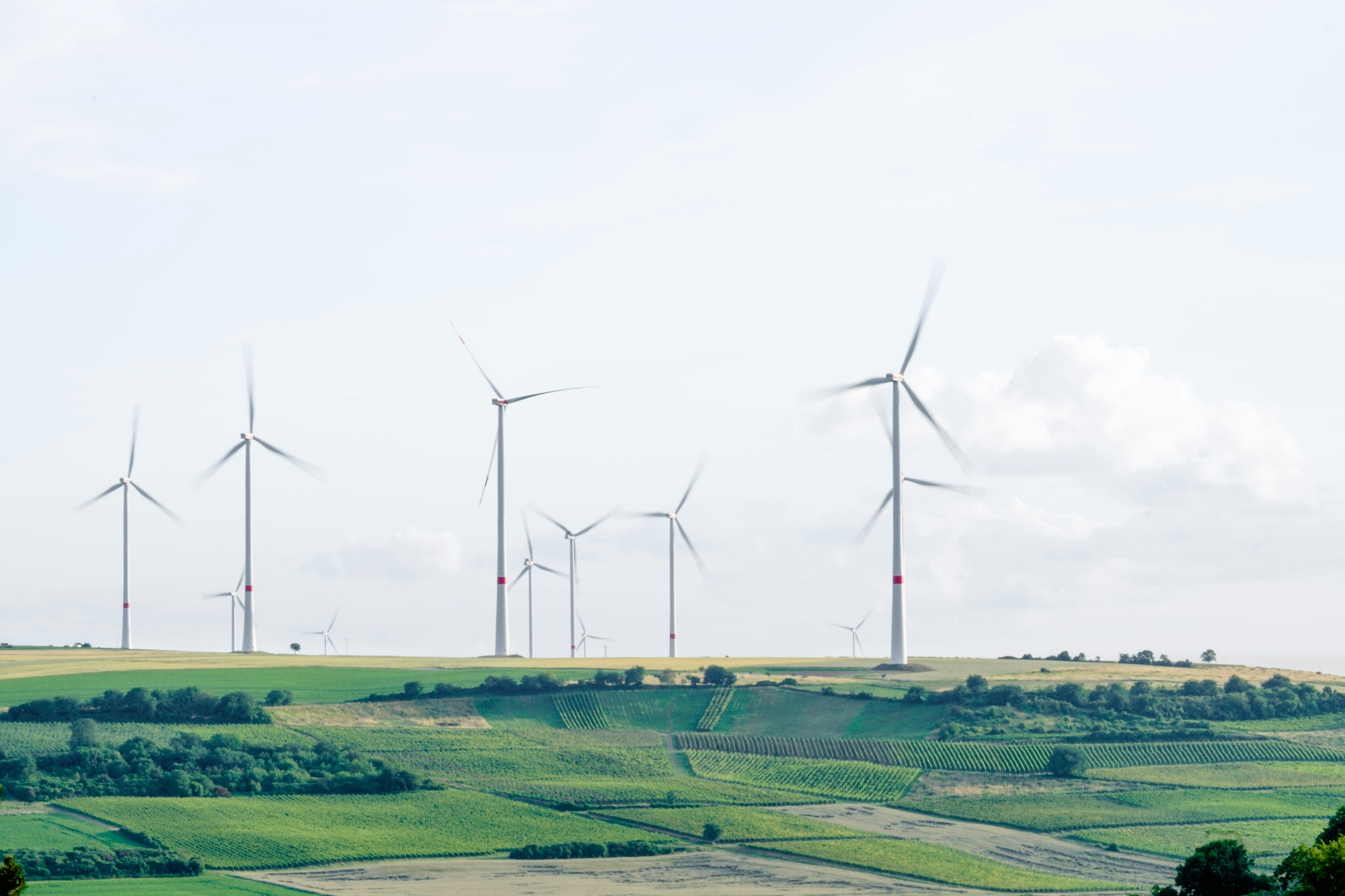
Wind turbines have long been an outsider in the Czech energy sector. By the end of 2024, a total of 371 MW of wind capacity had been installed across the regions, generating . Since 2006, when the largest expansion took place, approximately .
For comparison, neighbouring Austria installed 331 MW in 2023 alone and now has approximately ten times the Czech Republic's installed capacity. A strong upward trend is also evident in Poland, where wind power had likewise stagnated until recently but added more than 1,150 MW in 2023 alone. Slovakia is the exception, with virtually no wind-power sector.
These figures show that, with the exception of Slovakia, the Czech Republic lags not only behind its neighbours but also behind European trends. Europe installed 18.3 GW of wind capacity in 2023, and WindEurope expects that between 2024 and 2030 Europe will install . Only 6.4 GW of wind capacity was added in Europe in the first half of 2024, so the second half of the year had to be above average for new installations even to match the preceding year’s level.
Given their total installed capacity, wind turbines account for only around 1% of total electricity generation in Czechia. January was the strongest month of the year, with total wind generation of 95.17 GWh. August was the weakest, with just 28.3 GWh generated over the entire month.
A new operating-support scheme has stimulated the market in recent years
Despite the current situation, Czechia is seeking to expand wind power in line with the wider European trend. Under the draft updated National Energy and Climate Plan, total installed capacity of 1,500 MW is to be operational by 2030. Between 2025 and 2027, the Ministry of Industry and Trade is expected to hold operating-support auctions for wind farms with total installed capacity of approximately 1,000 MW.
Support for wind farms changed direction in recent years with the approval of a new renewable-energy support scheme and an amendment to the Act on Supported Energy Sources. Support can now take the form of an auction premium based on a two-way Contract for Difference, giving investors a guaranteed price for 20 years from the plant's commissioning.
Wind-power auctions have taken place four times in total. The first took place at the end of 2022 and ended in failure, as incorrectly set parameters meant that not a single project entered. The second auction awarded support for around 20 MW and the third for 24.8 MW. In November 2024, the Ministry of Industry and Trade evaluated the fourth operating-support auction. It set a volume record, awarding support to wind farms with a total capacity of 88.8 MW.
The new Building Act, an amendment to the Linear Infrastructure Act, an amendment to the Environmental Impact Assessment Act and the so-called Lex RES 1 amendment are all intended to support renewable construction in Czechia. One anticipated change is the possibility, under certain conditions, of building renewables outside built-up areas or of exempting smaller wind farms with up to three turbines from requirements.
At first glance, legislative changes therefore appear capable of getting wind development moving. The problem is that this is possible only if turbines are not located in protected areas or within three kilometres of other turbines. The rule requiring more than three kilometres of separation also constrains the development of larger wind farms in locations offering ideal conditions.
Many obstacles remain
Growing investor interest indicates that, despite the country’s limited overall potential, many promising sites remain unused. The best known are wind farms in the Ore Mountains and Jeseníky Mountains. The Vysočina Region also has relatively favourable conditions, with several locations where average wind speeds above 100 metres reach around 6 m/s. This is the threshold that enables economically viable plant operation.
| Region | Number of wind turbines in 2040 |
|---|---|
| Vysočina Region | 121 |
| South Moravian Region | 113 |
| Ústí nad Labem Region | 101 |
| Moravian-Silesian Region | 101 |
| Olomouc Region | 64 |
| Central Bohemian Region | 53 |
| Pardubice Region | 53 |
| Plzeň Region | 50 |
| South Bohemian Region | 50 |
| Karlovy Vary Region | 41 |
| Liberec Region | 25 |
| Hradec Králové Region | 12 |
| Zlín Region | 12 |
Technical potential is, however, substantially constrained by other factors that prevent construction. Protected areas are among those most frequently cited, even though they often offer ideal wind speeds. By 2016, Czechia had designated 26 protected landscape areas covering 10,761.11 km², or 13.6% of the country's area. The proposed Ore Mountains Protected Landscape Area, potentially the largest at up to 1,200 km², is also expected to be added to the list. This is unlikely to help further development.
Military radar is another constraint that receives little attention. Radar sites are distributed throughout Czechia and their precise locations are undisclosed for security reasons. Wind turbines should stand at least 30 km from radar. This radius, combined with the lack of location data, creates considerable uncertainty for developers seeking suitable sites.
If these constraints are combined with the prohibition on construction in mining areas (just under 1,259 km²), military training areas (823 km²), airspace zones or within range of military radar, the amount of suitable land for wind turbines rapidly diminishes.
Finally, there is an obstacle frequently discussed in Czechia: high population density and separation from homes. This condition often leaves projects on paper. Yet population density is very similar to Austria, where wind power is thriving, and roughly three times lower than in the Netherlands, where wind turbines generated 29 TWh last year—approximately the same amount of electricity supplied to the grid by Czech nuclear plants in 2023.
Hydropower: A stable source with development potential
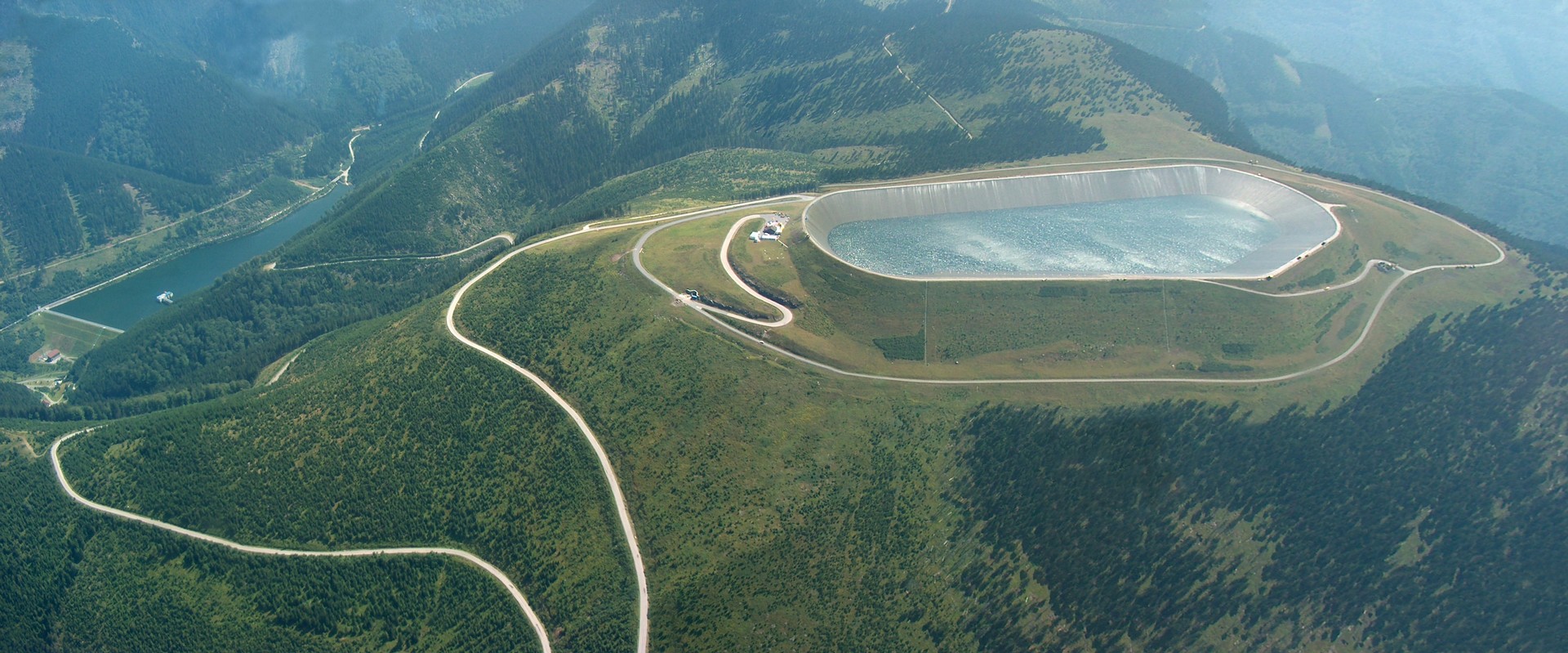
Hydropower capacity has remained virtually unchanged in recent years. Czechia’s hydro potential has largely been exhausted, so efforts focus mainly on modernising existing facilities. This does not mean that no new capacity is being added: upgrades to existing plants are intended to increase efficiency by several percentage points. The owner of the Czech hydro fleet with the greatest installed capacity— ČEZ—modernised more than 22 plants over the past 15 years, and the upgrade of the country’s largest conventional hydroelectric plant, Orlík, was completed in 2024.
Alongside conventional reservoir and run-of-river plants, hydro resources also include pumped-storage plants. These have long helped stabilise the Czech power system, primarily by balancing the grid. Pumped-storage capacity has nevertheless remained unchanged for several years, mainly because of the complexity and cost of such investments.
Czechia still has potential for small and medium-sized hydroelectric plants. This is one reason a support call with an allocation of CZK 500 million remains open until 30 June 2025. For the development of the Czech power sector and the challenges it will face in future, however, pumped-storage plants are of greater interest.
The Ministry of Agriculture and Ministry of the Environment identified six suitable sites for pumped-storage construction. The selected locations are Orlík, Slapy, Pastviny, Libochovany, Vinice and Slezská Harta. These new sites offer 1,222 MW of installed-capacity potential. Existing waterworks were assessed for pumped-storage development because this would reduce impacts on nature and simplify permitting. Former lignite mines may also offer future potential, as most will be flooded after closure. These sites also have suitable terrain or are located close to other waterworks. Another encouraging development is that the Ministry of Agriculture secured planning permission for the Nové Heřminovy dam, whose construction is due to begin in 2027.
The outcome of the Renewable Energy Sources – Small Hydroelectric Plants – Call I will make it possible to estimate interest in building this type of plant and the possible capacity increase. The most likely project at present is the Orlík–Kamýk pumped-storage plant announced by ČEZ in 2023, which is expected to be operational by 2030.
Extreme weather affected generation this year
Hydroelectric plants benefited at the start of the year from an exceptionally wet first quarter, with above-average precipitation continuing later in the year. Hydro generation consequently rose by more than 4% year on year. Higher rainfall also produced exceptional monthly generation figures. January was the strongest month for conventional hydroelectric plants, at 414 GWh, while March was strongest for pumped storage, at 103 GWh.
September was exceptionally wet, which was reflected in hydroelectric generation. Operators released water from reservoirs as a precaution to increase their storage capacity and prevent greater flood damage. In numerical terms, hydroelectric plants generated 145% more electricity than in September of the previous year.
Biomass and biogas: Hope for decarbonising district heating
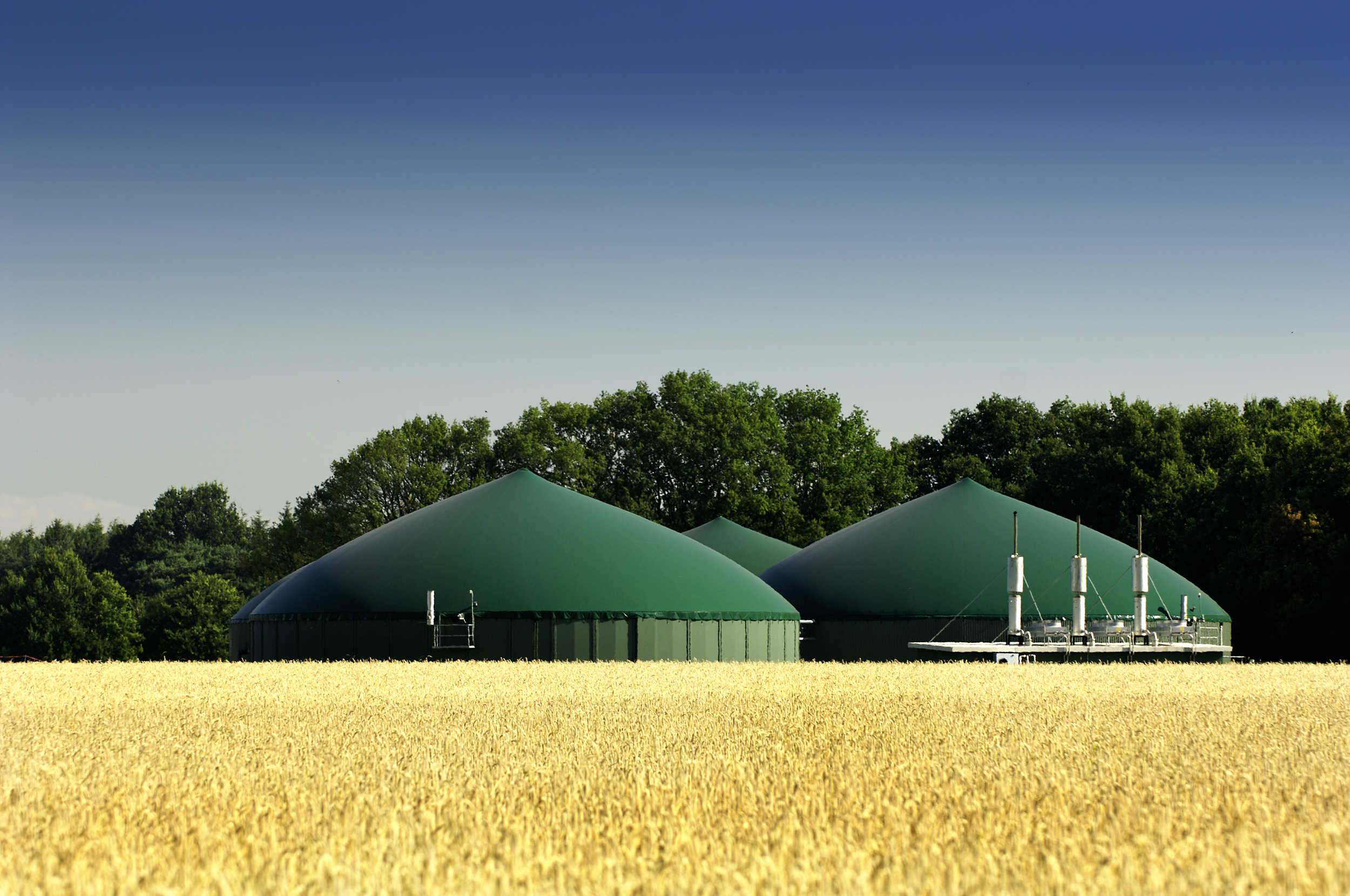
Bioenergy is a broad category encompassing diverse solid, liquid and gaseous sources. The most frequently mentioned include solid wood and wood chips, collectively referred to as biomass, as well as biogas and liquid biofuels. Pellets are probably the form best known to households, where biomass is widely used. Because these sources are so diverse, their level of use also varies across different parts of the energy sector.
The use of biomass for electricity generation has grown steadily over the years. At the end of 2024, Czechia had 76 licensed facilities with installed capacity exceeding 2,300 MW. Since 2020, biomass has generated more than 2.2 TWh of electricity annually, accounting for roughly 3.2% of total generation. Electricity generation from biogas plants is at a similar level, reaching 2.39 TWh in 2024. Unlike biomass, however, output has tended to stagnate and has not grown significantly since 2015.
While solid biomass and biogas contribute almost equal shares of electricity generation, the situation is entirely different for heat. Biomass accounted for almost 90% of all renewable heat production, or roughly 10,000 TJ. Recent developments, as district-heating operators intensively decarbonise their facilities, indicate that heating will be one of the areas where biomass consumption continues to grow.
Biomass consumption will grow, but feedstock availability is a challenge
Many consider biomass an important renewable source for the future. Its growing popularity in industry is reflected in an increasing number of projects seeking to . Among households, the trend is reflected in growing interest in boiler grants, which can also fund modern biomass boilers. From June 2023 to May 2024, 4,172 households submitted applications totalling CZK 626 million. Given the technical characteristics of biomass combustion, its principal use can be expected in smaller decentralised sources, particularly combined heat and power units, both in households and at industrial sites.
As consumption and installed capacity grow, larger users in particular are increasingly concerned about where all the necessary biomass will come from. Czech forestry and agriculture have their limits, and rising consumption raises the question of whether supply can meet demand. The Ministry of Industry and Trade and ČEPS have previously examined the issue and reached two key conclusions.
First, demand should rise significantly by 2030 in at least three regions—Ústí nad Labem, Karlovy Vary and Moravian-Silesian—because of their historical dependence on coal. Second, domestic biomass production will not be sufficient in future, and around 1.5 million tonnes will need to be imported by about 2030.
Biogas support is ending; biomethane may offer a new direction
The trend for biogas appears to be moving in the opposite direction, because operating support is crucial to smaller sources in particular given their high cost relative to output. Operating support for Czechia’s first biogas plants will end in late 2025, and by 2031 more than half of the current 540 biogas plants will lose it. An extension remains uncertain, and many operators say they are likely to close. ČEPS reflects this trend in its forecasts, according to which installed biogas capacity will fall over the next five years from .
New directions are emerging for biogas plants as well. One of the main options is conversion to biomethane production, which could partly replace imported natural gas in future. There are currently only ten biomethane plants in the country. The operating support approved last year for biomethane plants, totalling CZK 60 billion, could fundamentally change the situation. State support allows producers to receive a green bonus—a premium on their biomethane selling price—for 20 years. If biomethane production in Czechia can be increased successfully, it is likely to support decarbonisation alongside biomass.
Authors
oEnergetice.cz
For ten years, the oEnergetice.cz online portal has brought together news, specialist information and data from the energy sector, commodity markets and policy on a single platform. It gives specialist and general audiences an overview of current developments in Czech, European and global energy and helps readers better understand key issues shaping Czech society.
Ušetřeno.cz
Ušetřeno.cz is an independent online comparison service that helps people reduce expenditure in different areas of life. It provides detailed, clear comparisons of services including energy, travel and motor insurance, mobile operators and financial products such as accounts and mortgages. Ušetřeno.cz compares providers not only by price but also by other criteria, helping consumers choose and arrange the product best suited to them. Through trained specialists, it also provides expert advice and education so consumers can make smart financial decisions that lead to better services and long-term savings. Part of the ČSOB financial group, Ušetřeno.cz has helped people save money, time and effort since 2015.
Data used to prepare the report
This report on the Czech energy sector in 2024 was compiled using the most up-to-date information available on its publication date. All data, analyses and conclusions are based on verified sources, including:
- Transparency ENTSO-E;
- the Energostat platform operated by oEnergetice.cz;
- operation reports from the Energy Regulatory Office;
- Resource Adequacy Assessment of the Czech Power System through 2040 (MAF CZ 2023);
- our own analyses and calculations.
Unless expressly stated otherwise, generation figures for individual sources represent net generation.
The data in this report are valid as of the publication date and may be updated as new information becomes available. Figures may therefore change as the energy sector develops or datasets are revised. The report's authors accept no liability for damage caused by improper use of the information in this document.
Readers are advised to verify key information directly in the original sources before using it.
For questions or feedback on the report's content, please contact us at report2024@oenergetice.cz.