Battery capacity keeps rising across the EU; large-scale storage drove growth for the first time last year

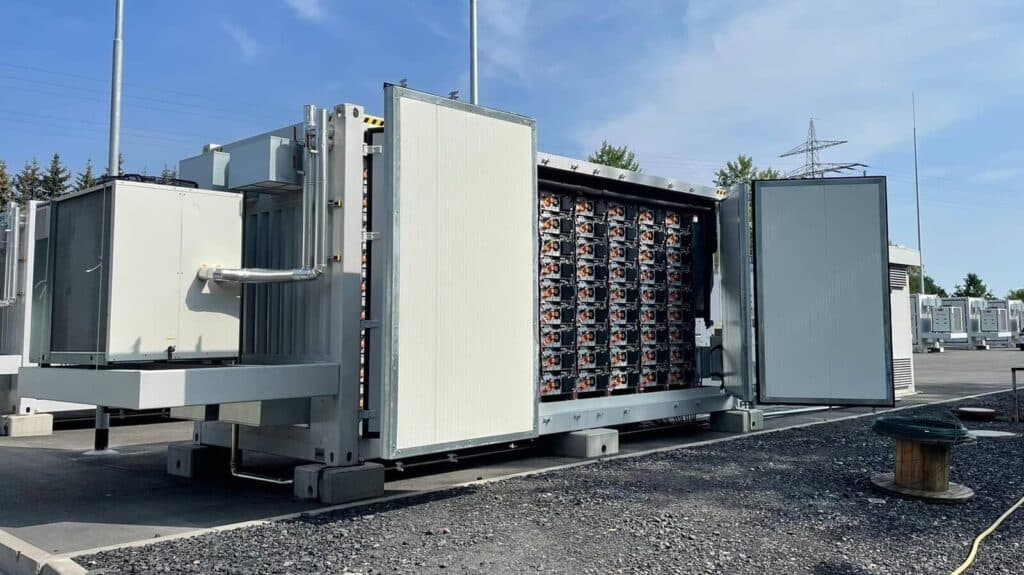
Alongside the sharp increase in installed solar PV capacity in Europe in recent years, the need for flexibility has also grown. Both generators and electricity consumers can offer flexibility to grid operators and the market. Increasingly, however, a segment that brings these two sides together is coming to the fore: energy storage. According to data from the SolarPower Europe association, last year was another record year for growth in storage capacity. Unlike in previous years, however, growth was driven not by households and industry, but by large-scale battery storage facilities.
Installed solar PV capacity in Europe has risen significantly over the past few years. The energy crisis also played a major role, as electricity prices surged to multiples of their levels in previous years. This led to expectations that investments in solar power plants would pay off quickly. However, the sharp increase in their installed capacity has led to intense cannibalisation, which is also reflected in the increasingly frequent occurrence of zero or negative electricity prices on day-ahead markets.
One solution to this situation could be faster development of flexibility and storage, although, as in other sectors, strengthening the supply chain here could take many years. Nevertheless, the growth of battery storage in Europe has been evident for years, with particularly significant progress over the past five years.
Tenfold growth in five years—and another tenfold increase ahead
According to the SolarPower Europe association, batteries with a total storage capacity of 27.1 GWh were commissioned in Europe last year. This represents an increase of almost half compared with the previous year. The total capacity of battery storage facilities across the EU therefore exceeded 77 GWh last year, almost ten times the 2021 level. However, this figure would have to increase tenfold again by the end of this decade to meet the EU countries’ expected flexibility needs.

The market is also undergoing a significant shift in terms of its individual segments. While households and industry accounted for 80% to 90% of storage capacity growth between 2021 and 2023, strong growth in standalone large-scale battery storage facilities has been evident over the past two years. Last year, large-scale battery storage facilities were even the main driver of storage capacity growth, with a share of around 55%.

Translation disclaimer
This article is a machine translation of the Czech original and has not yet been fully reviewed. In case of any doubt, please refer to the Czech version.