Not just electricity sales: How aggregation is changing the economics of small-scale energy sources in Czechia
Electricity prices on European markets are rising, and the gap between cheap and expensive hours remains wide. An energy asset therefore earns money not just from how much it generates, but increasingly from when it generates and how flexibly it can adjust its output. For combined heat and power units, batteries and biogas plants, flexibility is becoming a separate source of revenue. A calculation by aggregaat shows that aggregation can increase revenue at a district heating plant by more than CZK 5 million, or 38%.
A market that rewards timing
Data from the day-ahead market show just how significant intraday price fluctuations can be: in the first eight months of 2025 alone, market operator OTE recorded 207 hours with negative prices on the day-ahead market. The ability to respond to current market conditions is therefore becoming more valuable: what matters is not just how much an asset generates, but above all when.
Electricity trading is also shifting to ever shorter time intervals. Trading in 15-minute products on the intraday market has been possible since July 2024, and since October last year the interconnected day-ahead market has also operated in 15-minute intervals. Activity on short-term markets is growing, too – according to OTE, trading volumes have repeatedly reached record levels in recent years.
What asset owners can get paid for
Flexibility is an asset’s ability to adjust its output in response to prices and the needs of the power system. Commercial flexibility means selling electricity on the day-ahead market during the most expensive hours, responding to intraday market movements and helping manage imbalance. Technical flexibility consists of balancing services (SVR) for transmission system operator ČEPS, for which owners are paid both for reserving capacity and for its actual activation.
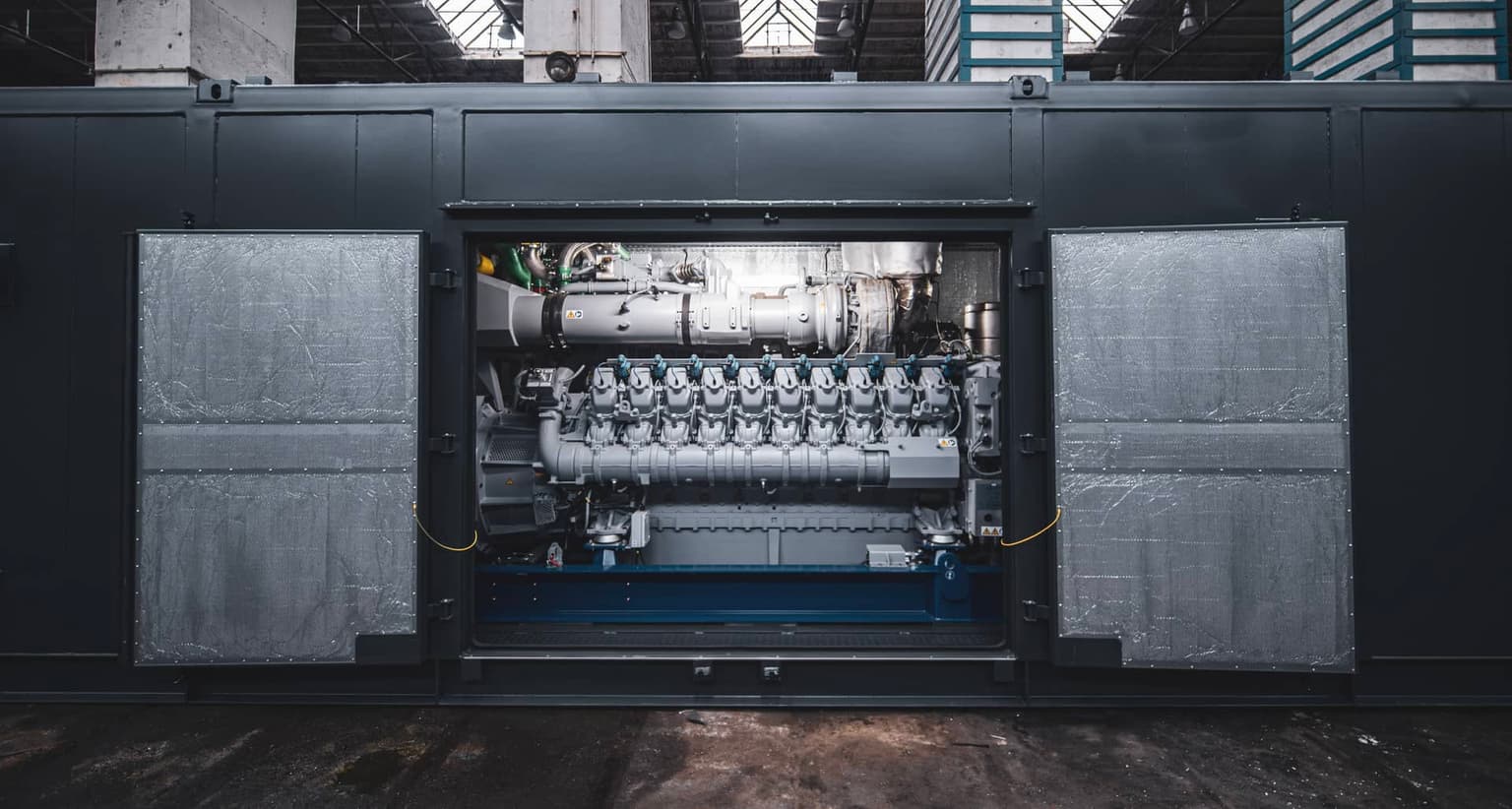
This flexibility can be provided by combined heat and power units with heat storage, battery storage systems, biogas plants and controllable industrial consumption.
How much can aggregation bring in?
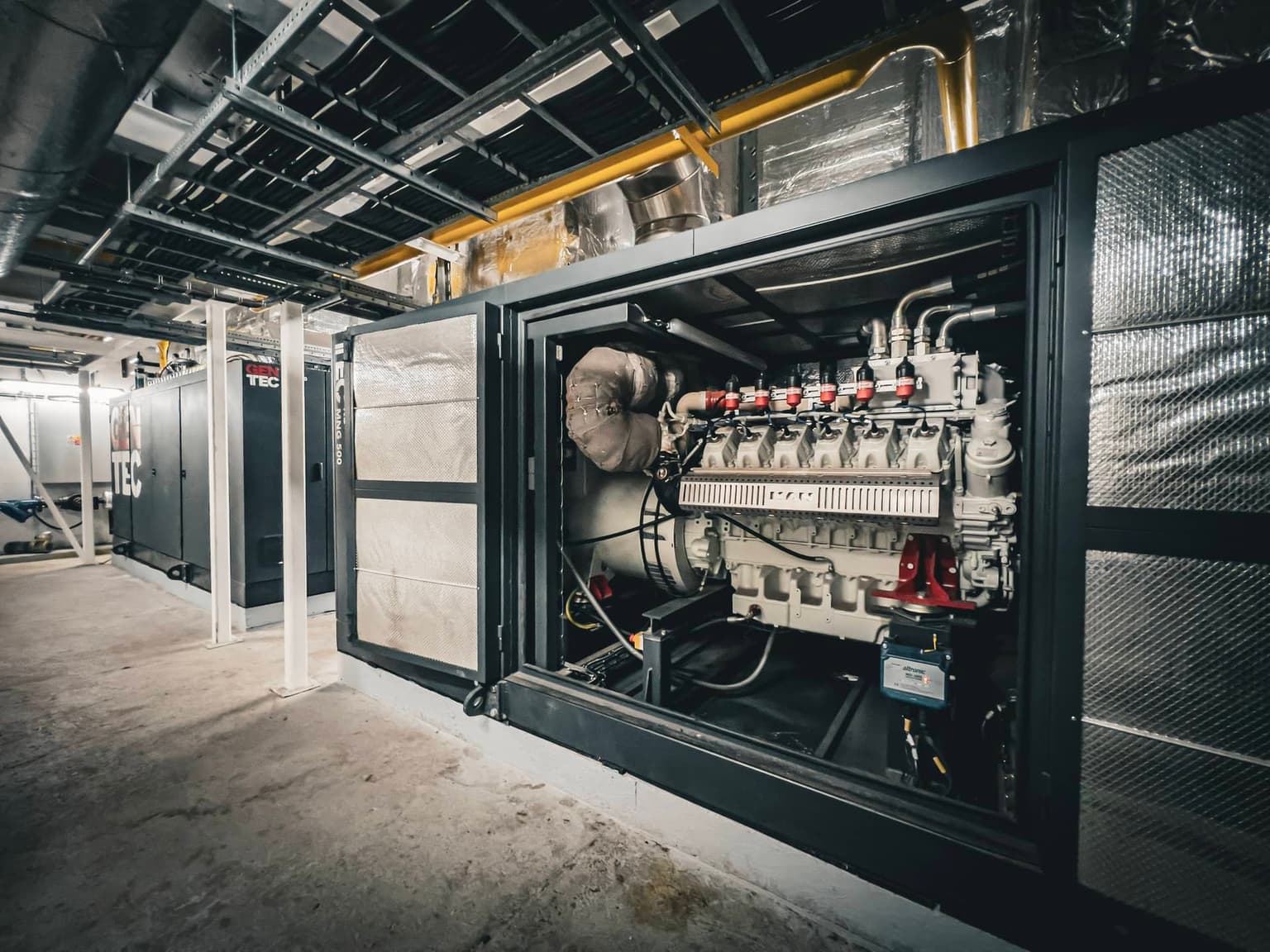
A calculation by aggregaat shows what this means in practice for a district heating plant with a combined heat and power unit with an installed capacity of 1 MW over one year of operation. Under normal operating conditions, when the plant sells electricity regardless of the current price, it earns around CZK 13.5 million from electricity and heat. If the same plant is managed by an aggregator, which markets its output when it can fetch the best price, revenue rises to CZK 18.6 million – an increase of CZK 5 million, or around 38%.
Why small-scale assets need an aggregator
For smaller assets, active trading on their own at 15-minute intervals is challenging, both technically and commercially. Aggregaat therefore groups individual assets into a larger portfolio and markets their flexibility on the day-ahead and intraday markets, in imbalance management and through balancing services. It currently manages more than 65 assets in this way.
Decision-making is handled by its proprietary Virtuel platform, which incorporates artificial intelligence and combines asset status with market prices, ČEPS data and weather forecasts.
New flexible capacity cannot be built overnight
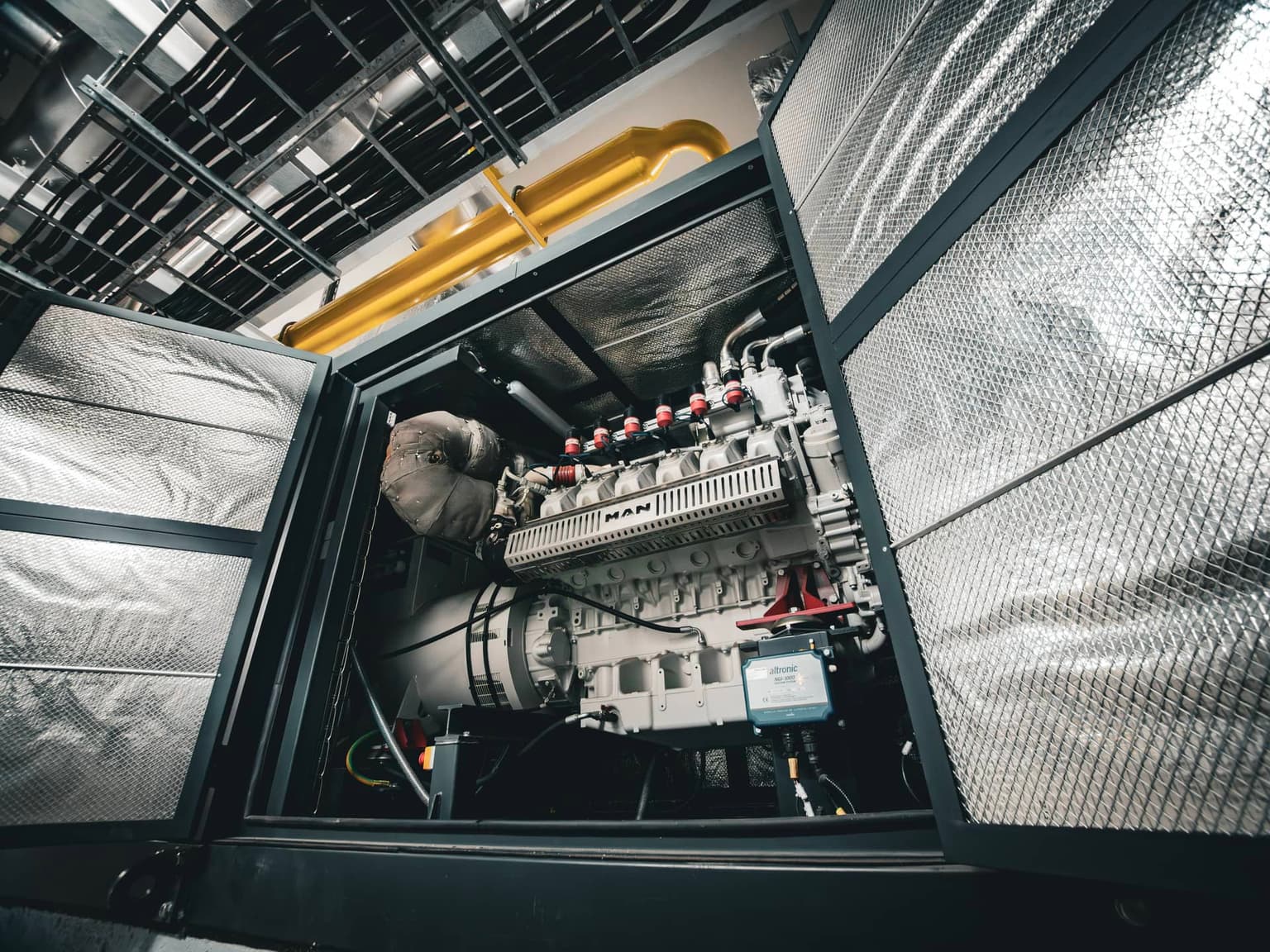
New flexible capacity cannot be built quickly. Demand for gas turbines is rising sharply, partly because of data centres and AI, and manufacturers have order books stretching several years ahead.
“Demand for new assets in the US is currently being driven by data centres for artificial intelligence. But they have to wait four to seven years to connect to the grid, so around a third will have to build their own gas-fired power plant, with speed – not efficiency or cost – the deciding factor. Europe is competing for the same manufacturing capacity, and anyone who fails to secure engines in time may not get a new plant before the end of the decade,” says Jiří Novák, CEO of aggregaat.
For the European market, this means that new assets will be added more slowly than needed.
“The phase-out of coal, the modernisation of district heating plants and capacity mechanisms in Czechia, Poland and Germany are all happening at the same time. That makes capacity already in the grid all the more valuable, if someone knows how to trade it effectively,” Novák adds.
Batteries: the most flexible players
Alongside combined heat and power plants, aggregaat is now also integrating battery storage systems, the most flexible assets in the power system. They can store electricity during cheap hours and sell it when prices are highest, so combining several markets is also the most profitable approach for batteries. Aggregaat can also supply storage systems to customers without their own battery and integrate them into its control system straight away.
“Batteries are well suited to trading flexibility. They respond instantly and take advantage of the price difference between cheap and expensive hours, or provide balancing services. We offer battery owners the same service as operators of combined heat and power plants: we ensure the battery is used effectively for both commercial and technical flexibility, thereby achieving the highest possible return for its owner,” Novák adds.
The same trend abroad
“Abroad, we often meet customers with small flexible assets or batteries that they have not yet been able to use effectively. They often do not realise that the phase-out of coal-fired power plants is increasing demand for flexibility, and that their assets already have value on the market today,” says Nikola Štěpánková, who heads international trading at aggregaat.
About aggregaat
aggregaat is a Czech energy company focused on aggregating and trading the flexibility of energy assets and operating virtual power plants. It integrates its own and partner assets into its aggregation blocks, primarily combined heat and power units and battery storage systems, and manages them using its proprietary Virtuel system. It currently operates more than 65 assets. The company is part of AKURAT GROUP.
Translation disclaimer
This article is a machine translation of the Czech original and has not yet been fully reviewed. In case of any doubt, please refer to the Czech version.