The US is rapidly expanding battery storage systems
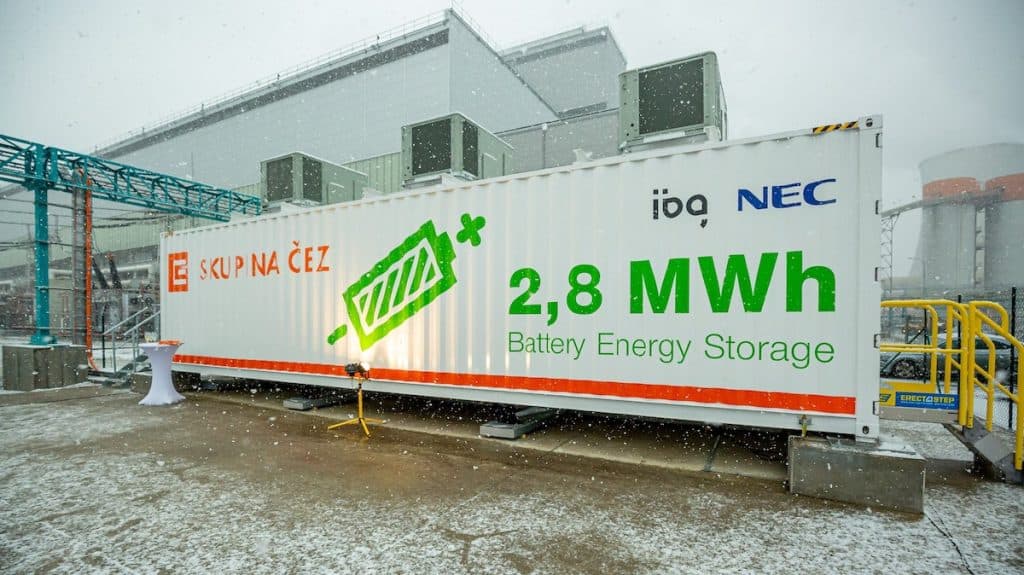
Renewable energy sources contribute to decarbonization and support sustainable electricity generation, but their rapid growth—which is not being matched by grid development—makes power systems more difficult to manage. In extreme cases, this can even lead to blackouts. The United States is seeking to prevent potential outages by expanding battery systems.
California and Texas are the main drivers of growth in total battery capacity. Both states are also seeing relatively rapid growth in renewable generation. New batteries help keep the grid stable during periods when new solar and wind power plants dynamically change the amount of electricity they feed into the grid as a result of favorable (or, conversely, unfavorable) conditions.
According to the federal Energy Information Administration (EIA), batteries with a capacity of 20.7 GW are currently connected to the US grid, with 5 GW added in just the first seven months of this year. By comparison, only 4 MW of utility-scale battery storage was added in the United States in 2010—more than a thousand times less.
“This is extraordinary growth,” said John Moura, director of reliability assessment and performance analysis at the North American Electric Reliability Corporation.
In just four years, battery storage with a capacity equivalent to that of 20 nuclear reactors has been installed on US power grids. The EIA predicts that if further planned expansion goes ahead, this capacity could double again to 40 GW by 2025.
A key role in the power system
Battery systems provide services such as balancing supply and demand, shifting electricity generation from periods of low prices to periods of high prices, and storing electricity from renewable sources until it is needed on the market.
The substantial increase in battery capacity, for example, helped maintain stable electricity supplies in California this summer. In previous years, the state had to curtail electricity supplies or face outages during intense heatwaves.
“We can use this stored energy and deploy it when we need it,” Patti Poppe, CEO of PG&E, California’s largest utility, said last month.
Maintaining grid reliability
Although it is clear that the US and the rest of the world are heading toward a radical reduction in greenhouse gas emissions from electricity generation, the rapid growth of renewable generation brings greater volatility, which must be actively managed to maintain a reliable grid.
“Batteries can help smooth out some of this volatility when the wind isn’t blowing or the sun isn’t shining. The Germans have a term for this: Dunkelflaute,” Moura said. “So if you have a four-hour battery, it can get you through a Dunkelflaute.”
Periods with little wind or insufficient sunshine can, of course, last longer than the longest-lasting batteries currently available. In other words, batteries are not a cure-all yet. A fully renewable grid will also require extensive modernization of US transmission systems—for example, to quickly move electricity from renewable sources across the country to where it is needed. Reforming the permitting process for new power lines to make this possible is a hotly debated issue, with many environmental groups opposed to looser regulations that they say would only strengthen traditional energy companies.
A provider of flexibility
However, batteries should be able to play an increasingly important supporting role in the energy transition. Last week, the International Energy Agency described them as a “key global source of dispatchable capacity.”
The IEA expects batteries to provide around 40% of all short-term power system flexibility needs worldwide by 2050.
“A lot is changing, but much still needs to be done if we are to make this energy transition happen,” Moura said.
The situation in Europe
According to SolarPower Europe, 17.2 GWh of new battery energy storage systems were installed in Europe in 2023. This represents a 94% increase on 2022.
The total operating capacity of battery storage in Europe thus reached around 36 GWh. The residential segment accounted for 63% of this capacity, followed by large-scale battery systems (21%) and commercial and industrial systems (9%).
Although battery deployment is expected to continue growing in 2024, forecasts still fall short of the estimated 200 GW of battery capacity needed by 2030 to unlock the EU’s solar potential. Battery storage across Europe faces barriers including a lack of targets, insufficient market signals, double taxation and restrictive grid policies for hybrid renewable installations.
Translation disclaimer
This article is a machine translation of the Czech original and has not yet been fully reviewed. In case of any doubt, please refer to the Czech version.