14 September 2026, 11:30
Loading...
Top 10 energy events of the past week
oEnergetice.cz
13 September 2026, 20:45
This week, we once again bring you a carefully selected list of the ten most important articles published on oEnergetice.cz. If you missed any of them, here is a selection of the articles that attracted the most interest from our readers. Good luck in the new week!
1. Filling gas storage is not economically viable. German operators call for fees to be scrapped
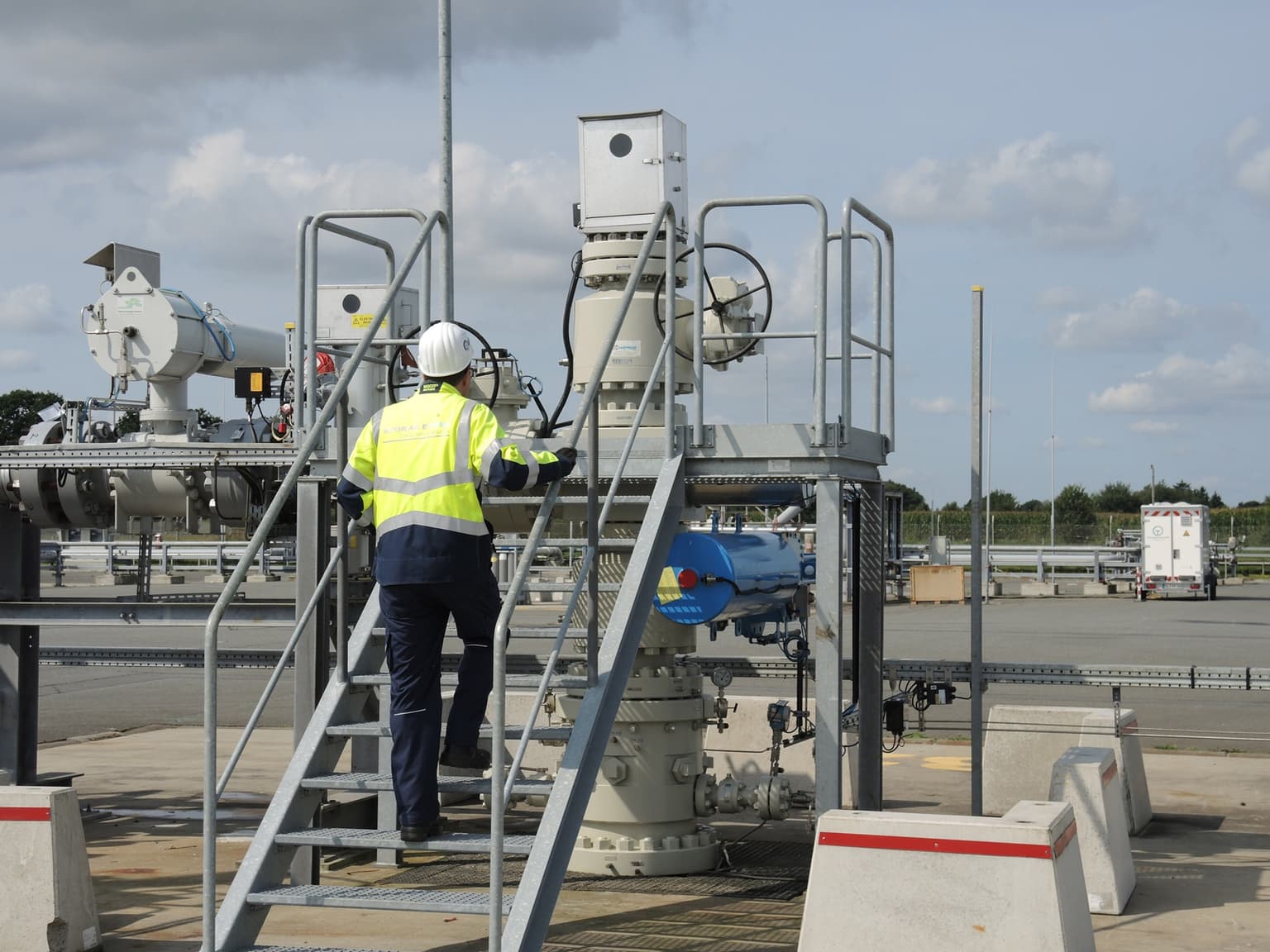
German gas storage facilities are at their lowest level for this time of year since records began ahead of the coming winter. The storage operators’ association Ines has therefore called on the government to take swift measures to increase the economic incentive to refill them. Among other things, it proposes a full waiver of network charges for storage facilities and the abolition of the conversion levy. According to the association, current market prices give traders virtually no reason to buy and store gas before winter.
According to data from the German network regulator Bundesnetzagentur (BNetzA), German storage facilities were only 54.3 % full as of 5 September. This is the lowest level for this period since monitoring began in 2011. The situation is problematic not only in Germany but also in the wider European context, where inventories are likewise at historically low levels.
Read the full article HERE.
2. Return to operation after four years: US Palisades nuclear plant heads for restart
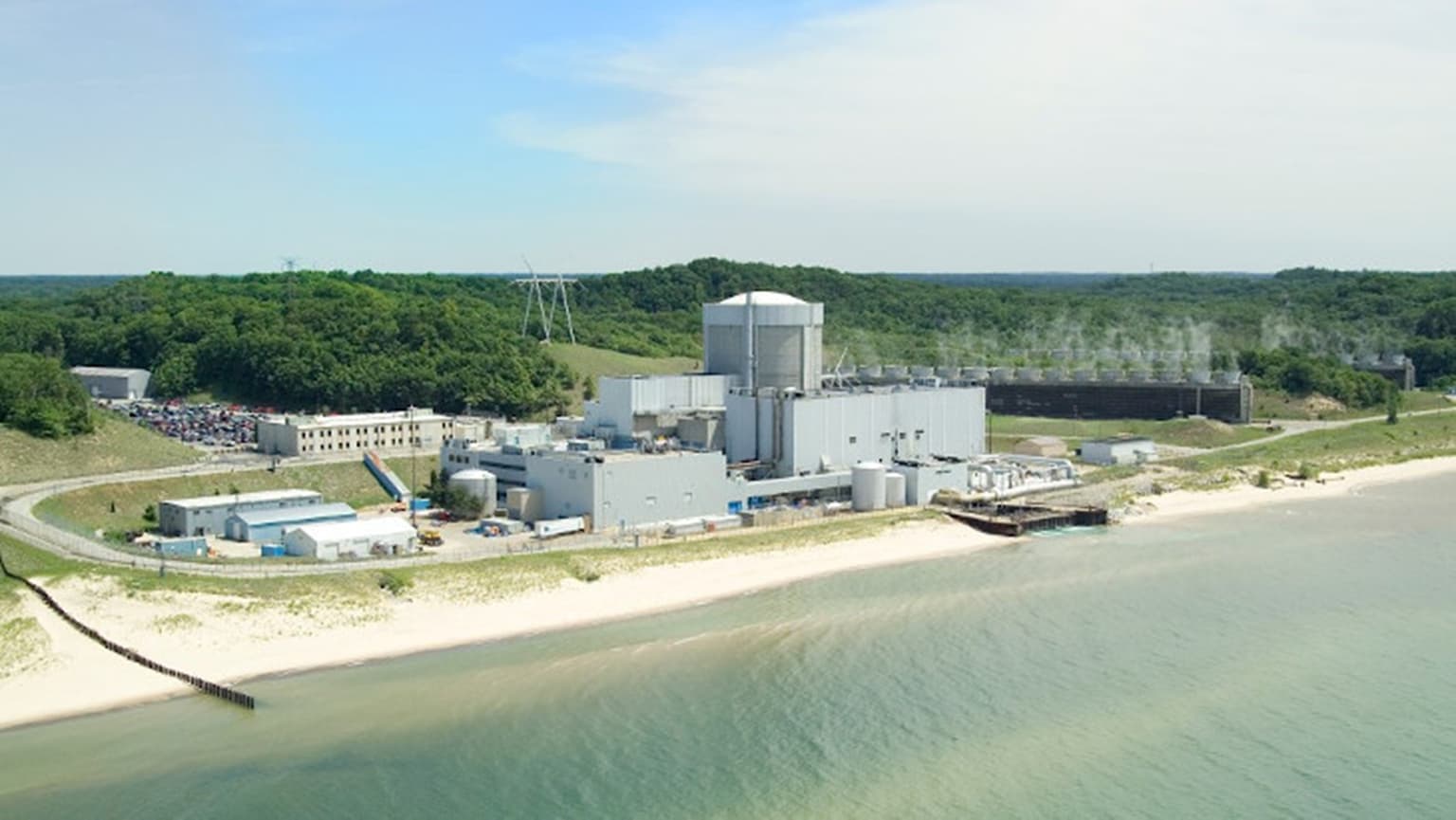
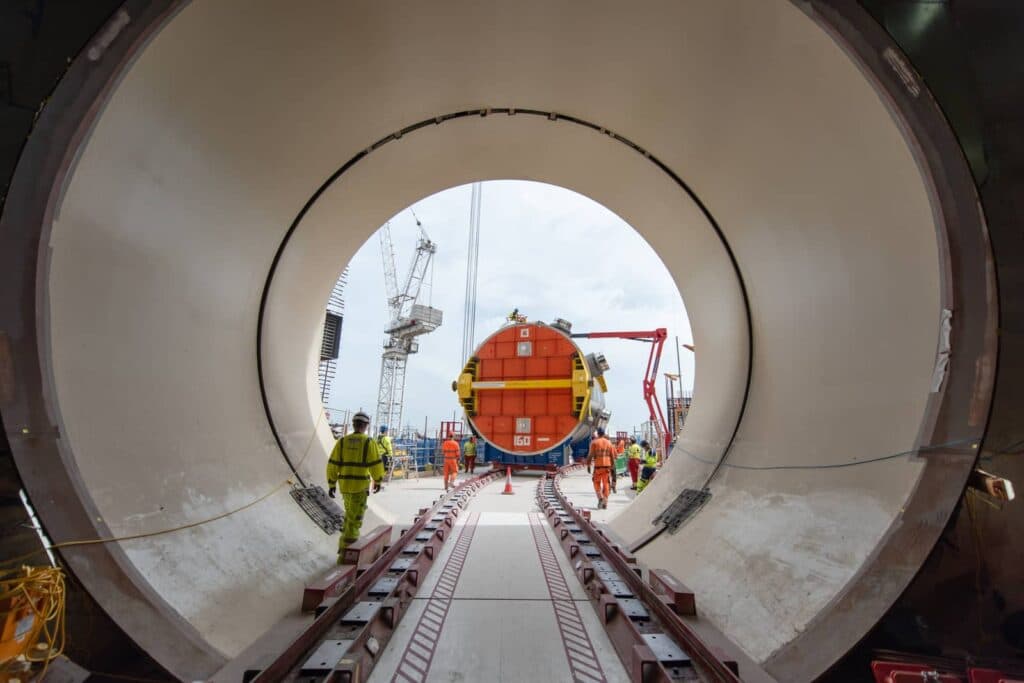
The US Palisades nuclear power plant has moved closer to restarting after four years without generating electricity. Technicians have begun loading nuclear fuel into the reactor of the 805 MW unit. If progress is smooth, the nuclear unit should return to operation later this year. Restarts of US nuclear plants are being driven mainly by growing electricity consumption from data centres.
US energy company Holtec International announced that it has begun loading nuclear fuel into the Palisades plant reactor. Technicians will load a total of 204 fuel assemblies into the reactor, some of which were already partially used before the unit was shut down in 2022.
Read the full article HERE.
3. Emissions head beneath the seabed. Europe’s largest CO2 storage facility opens in the Netherlands
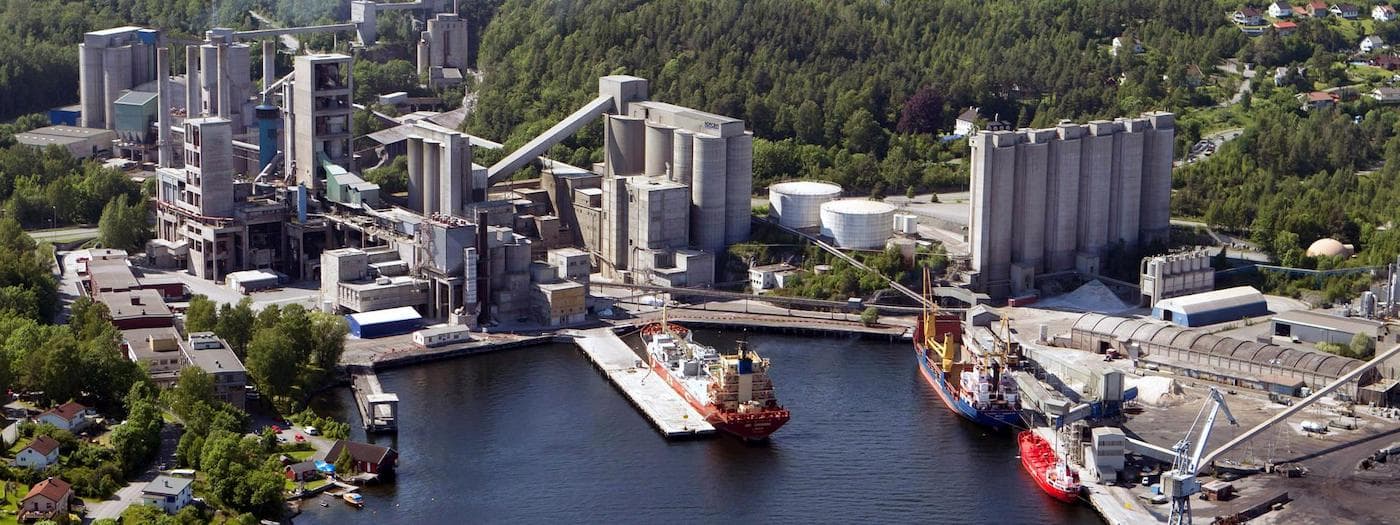
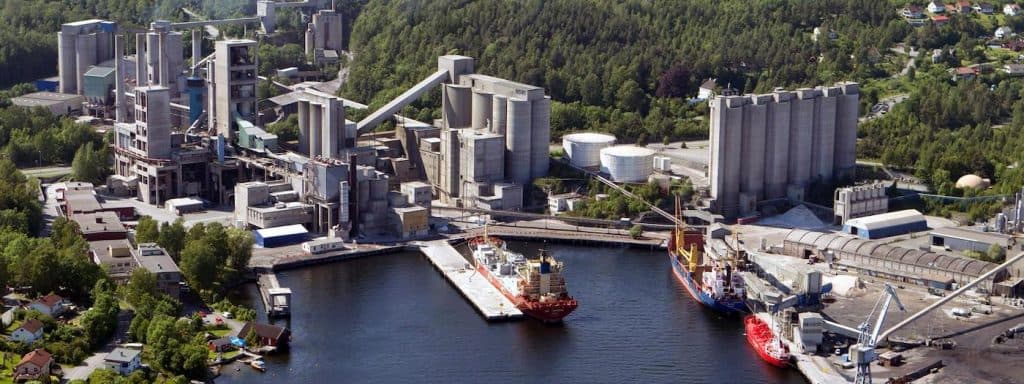
Europe’s largest commercial carbon capture and storage project has begun operations in Sluiskil, the Netherlands. It is backed by Norwegian multinational Yara, one of the global leaders in fertiliser and ammonia production. The project, resulting from the EU-Norway Green Alliance, is expected to prevent up to 12 million tonnes of CO₂ from being released into the atmosphere over the next 15 years. Instead, part of Dutch industry’s emissions will be sent beneath the Norwegian seabed.
The carbon capture and storage (CCS) facility in Sluiskil, in the Dutch province of Zeeland, began operations on Monday, 7 September. The project is backed by Norwegian company Yara International and represents Europe’s first complete cross-border chain for the capture, transport and permanent geological storage of CO₂.
Read the full article HERE.
4. Germany approved thousands of new batteries last year. Their capacity rivals pumped-storage plants
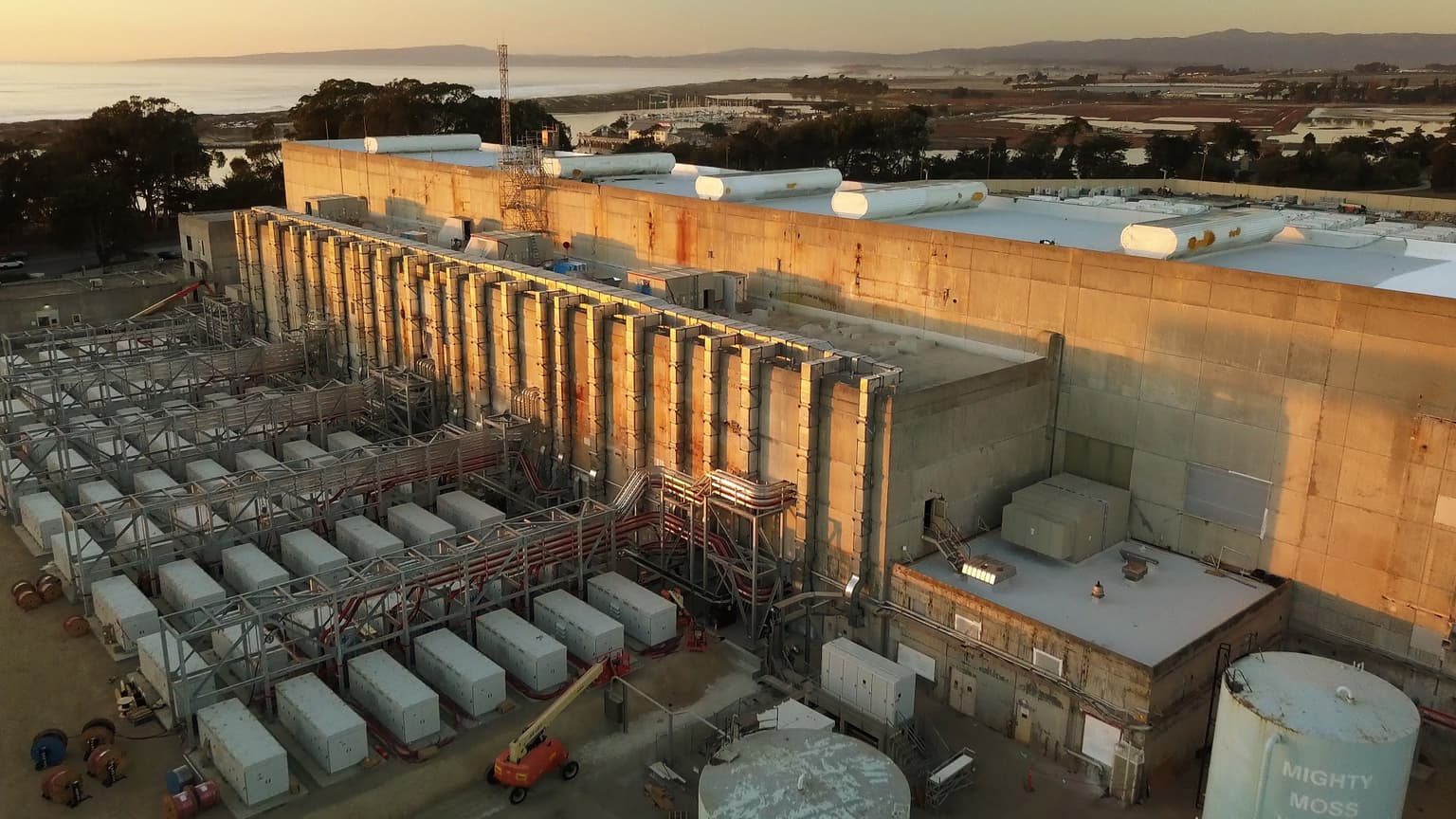
German grid operators signed connection agreements last year for large battery storage facilities with capacity approaching the total storage capacity of Germany’s pumped-storage plants. However, these projects are still only on paper, and it is uncertain how many will ultimately be built. Rapid growth in the battery storage sector is increasing pressure not only on grid capacity but also on the economics of new investment. The Czech market faces a similar test.
According to Clean Energy Wire, German grid operators signed nearly two thousand grid connection agreements last year for battery storage facilities with 54.2 GW of power and 142.4 GWh of capacity. The volume of approved capacity demonstrates how rapidly battery storage is moving to the forefront of Germany’s power-sector transformation.
Read the full article HERE.
5. How the world is coping with the war in Iran: Europe mitigates impacts, China bets on self-sufficiency
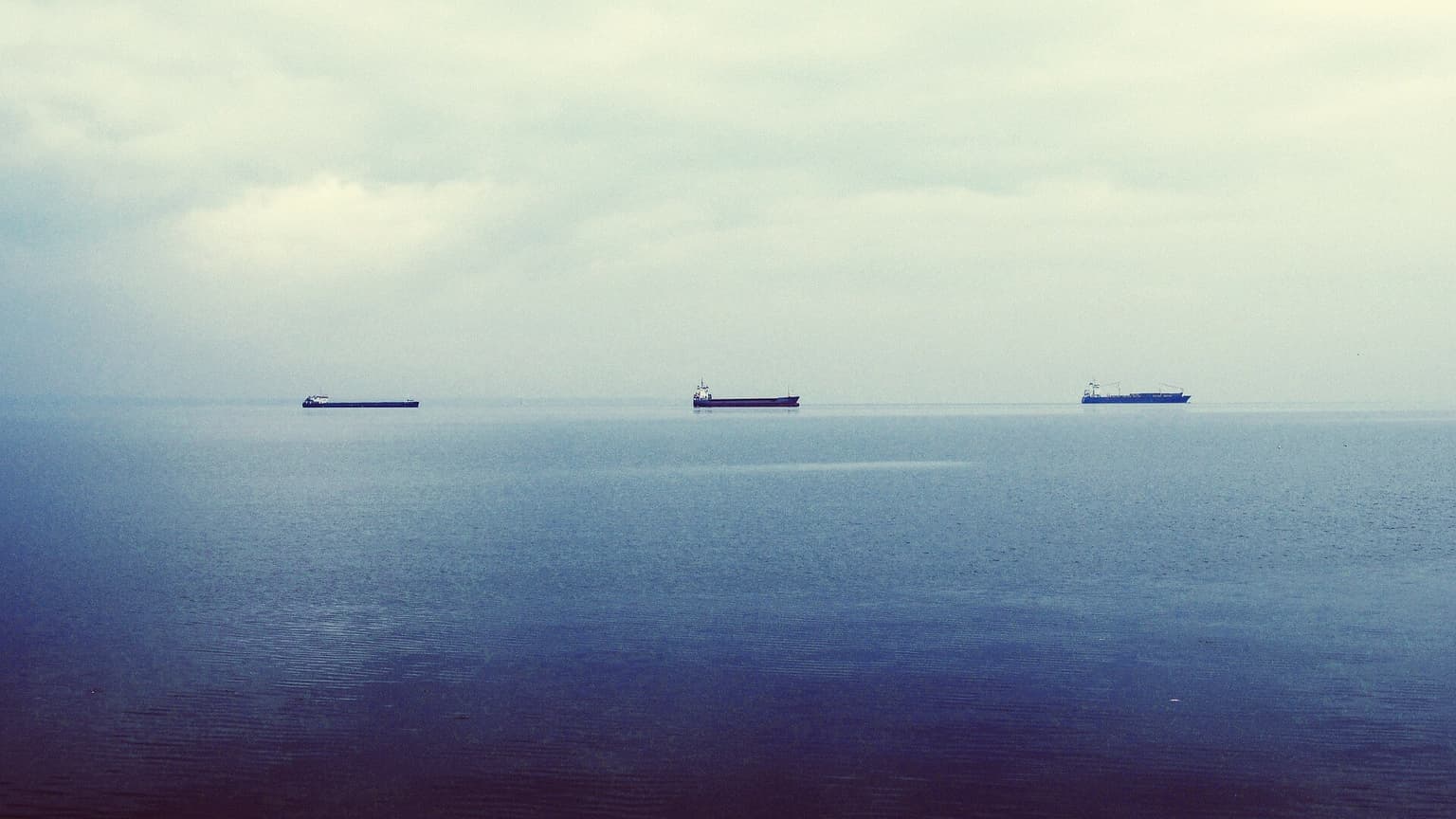
Six months after the start of US and Israeli attacks on Iran, the consequences of the conflict are affecting the energy transition in virtually every region of the world. They differ most according to the degree of import dependence, domestic resources and governments’ ability to reconcile efforts to ensure energy affordability, security of supply and long-term sustainability.
Europe has been significantly affected by the conflict, primarily due to its reliance on petroleum products from the Persian Gulf, with almost half of EU jet fuel imports and around a fifth of diesel imports passing through the Strait of Hormuz. However, the impact on jet fuel supplies was milder than initially expected, partly thanks to weaker demand, alternative imports and higher output from European refineries.
Read the full article HERE.
6. China takes more liquefied gas from Russia. Arctic LNG 2 gains new markets and logistics
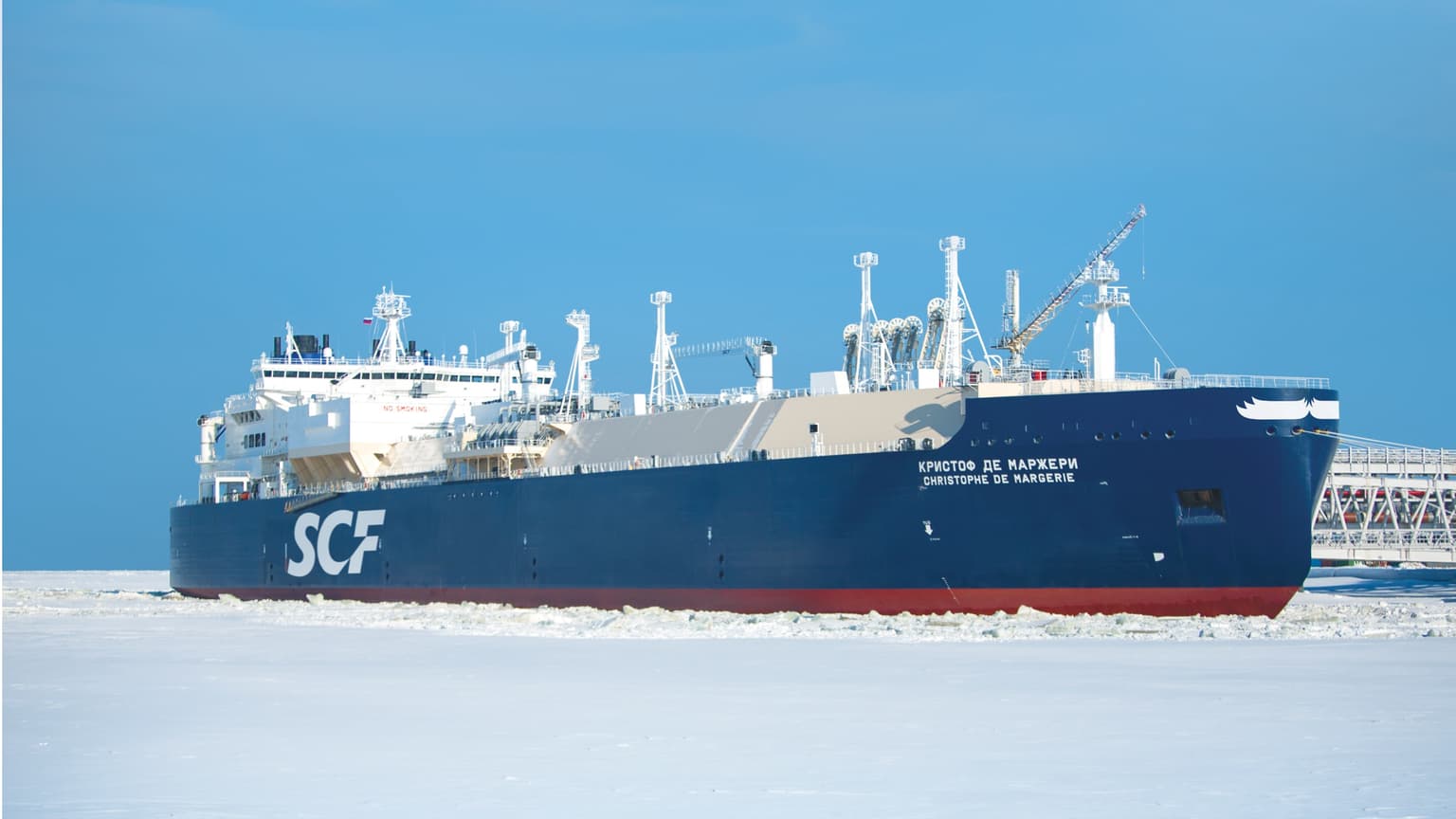
China’s imports of Russian liquefied natural gas (LNG) are growing this year despite a decline in the country’s overall LNG intake. The main source of growth is the sanctioned Arctic LNG 2 project, aided by lower prices and faster expansion of transport capacity.
China imported 4.23 million tonnes of Russian LNG between January and July, a quarter more year on year, while its total LNG imports over the same period fell by 4.6 % to 33.8 million tonnes. Russian LNG’s share of Chinese imports has thus risen to more than 12 % this year, from 9.5 % last year.
Read the full article HERE.
7. China produces 85 % of lithium-ion batteries. Why Chinese manufacturing now dominates the world
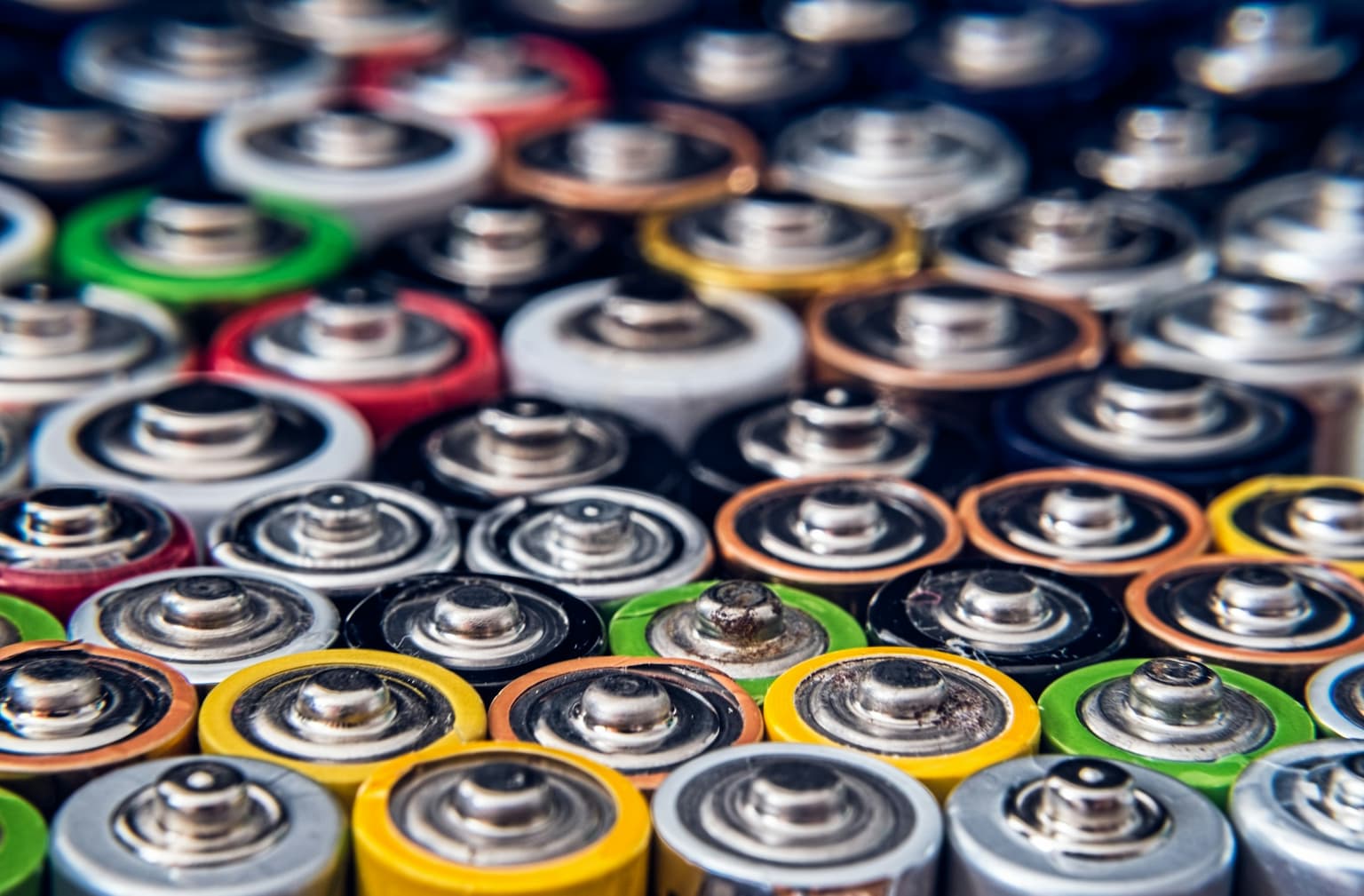
Lithium-ion batteries are now one of the key technologies of modern energy systems. They underpin the development of electric mobility, help stabilise power grids and are increasingly finding their way into data centres, robotics and drones. According to the International Energy Agency (IEA), the global lithium-ion battery market is now worth more than $150 billion. Their journey from laboratory research to an industrial sector took several decades.
Modern lithium-ion battery research accelerated after the 1973–1974 oil crisis. Publicly funded universities and laboratories in the US, Europe and Japan began looking for ways to reduce dependence on imported oil. Advanced batteries were intended to enable the electrification of road transport and the storage of electricity from renewable sources.
Read the full article HERE.
8. Batteries are no longer just an add-on: they are helping Belgium manage price spikes
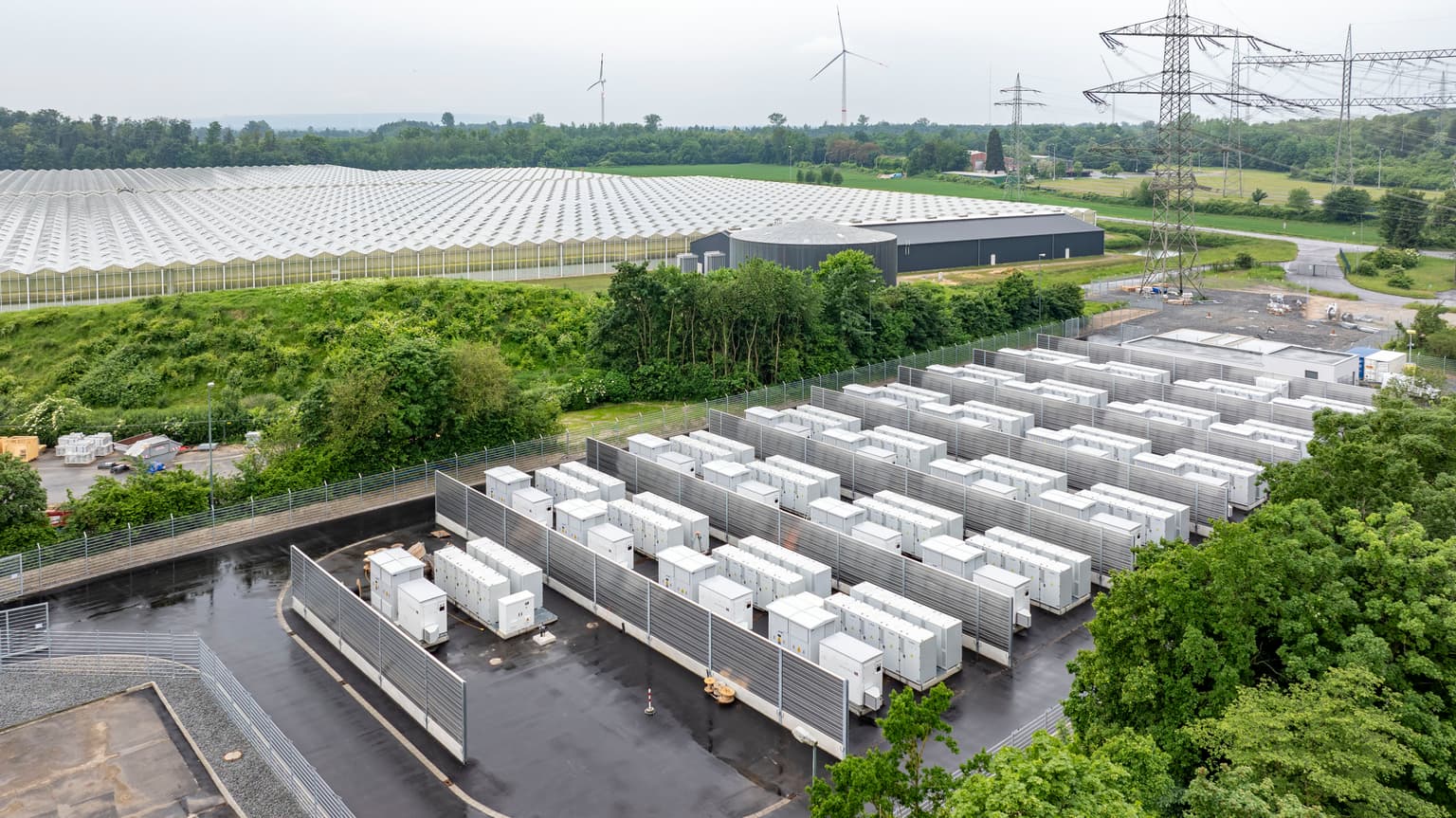
Belgium’s battery storage market has rapidly reached a stage where battery projects with capacities of hundreds of MW are being added. The trend is also evident in operational grid injection data. While batteries typically delivered only tens of MW at the beginning of last year, their output repeatedly exceeded 500 MW this year. They delivered a record 640 MW in August this year, covering more than 7 % of the Belgian grid load. Further large projects are under construction.
Belgium is undoubtedly among the European leaders in the pace of electricity storage deployment. What is also noteworthy is the availability of data on their electricity supply and consumption. Belgian transmission system operator Elia publishes battery storage data separately, making it available on the oEnergetice.cz Energostat as well.
Read the full article HERE.
9. EU approves German support for new backup power plants
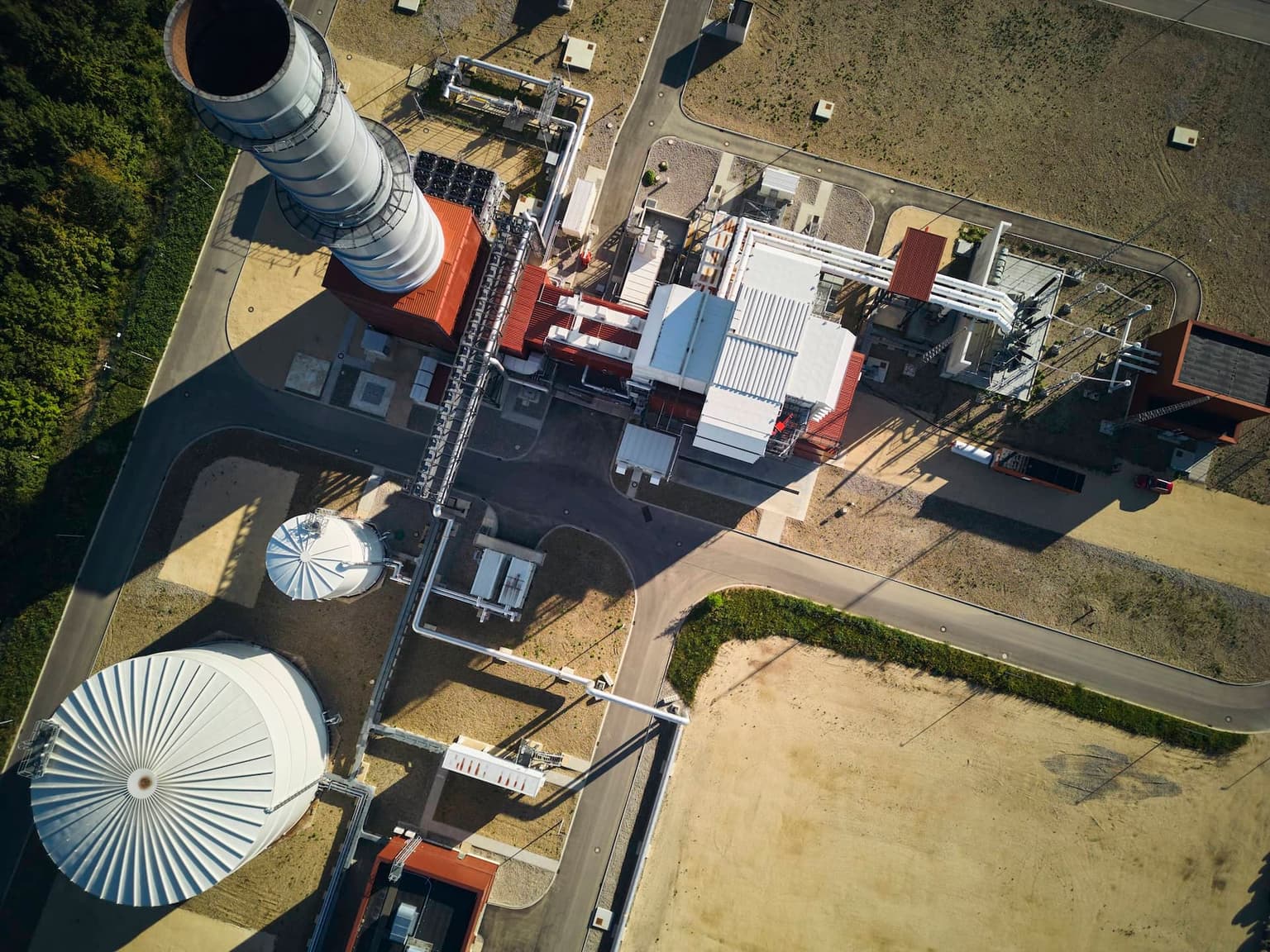
The European Commission has approved a German support mechanism for new backup power plants and electricity storage facilities intended to ensure sufficient electricity during periods when wind and solar generation do not meet demand. The first two auctions for long-term available backup capacity will take place later this year, and new gas-fired power plants are expected to dominate.
The European Commission has given the green light to Germany’s plan to support capacity for security of supply as a replacement for retiring coal-fired power plants. Approval under EU state-aid rules paves the way for auctions for state support for new dispatchable power plants, battery storage facilities and demand-side flexibility. Germany aims to ensure sufficient capacity through the mechanism in situations where generation from wind and solar power plants is insufficient.
Read the full article HERE.
10. ČEZ to significantly increase solar capacity, with battery storage also planned
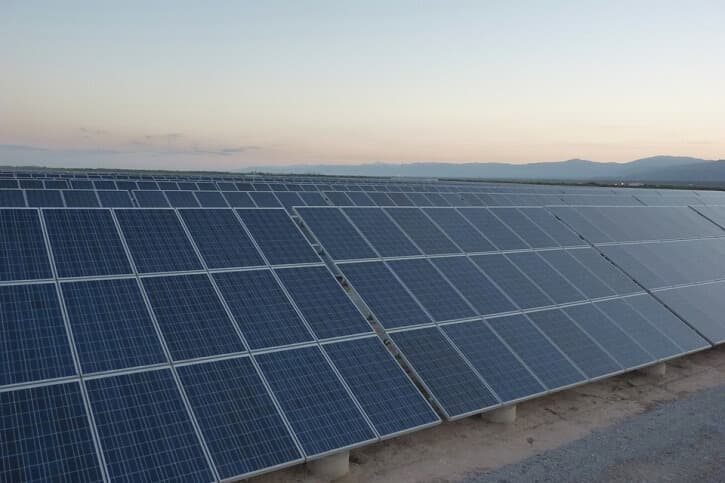
Energy company ČEZ will significantly accelerate solar power plant construction in the coming years. It will commission power plants with 200 megawatts (MW) of capacity next year, followed by facilities with total capacity exceeding 500 MW in 2028. It will focus, for example, on large-scale parks. The company wants to invest up to CZK 40 billion in renewable energy sources by the end of the decade. ČEZ informed ČTK of this today. The company has so far commissioned five new solar facilities with combined capacity of 23 MW this year, and ČEZ’s portfolio should include photovoltaic power plants with a combined capacity of 240 MW by the end of this year.
“Each year, we are succeeding in bringing new photovoltaic power plants into operation and increasing solar generation. Photovoltaics help steadily complement the output of other emission-free sources and support the transformation of the Czech energy mix. We expect a significant acceleration in the pace of construction in 2027 and 2028, when new projects will add capacity amounting to hundreds of megawatts,” said ČEZ vice-chairman of the board Pavel Cyrani.
Read the full article HERE.
Energostat: electricity generation in Czechia
Data in this chart is also available in 15-minute resolution60min15min
Energostat: electricity generation in Germany
Data in this chart is also available in 15-minute resolution60min15min
More up-to-date charts and data are available on Energostat
Translation disclaimer
This article is a machine translation of the Czech original and has not yet been fully reviewed. In case of any doubt, please refer to the Czech version.
Sdílejte článek prostřednictvím:
Topics:Energy Weekly
You might also like
13 September 2026, 20:45

13 September 2026, 08:47
12 September 2026, 12:58