Top 10 energy stories from last week
1. The world’s largest floating wind farm officially launches in Norway today
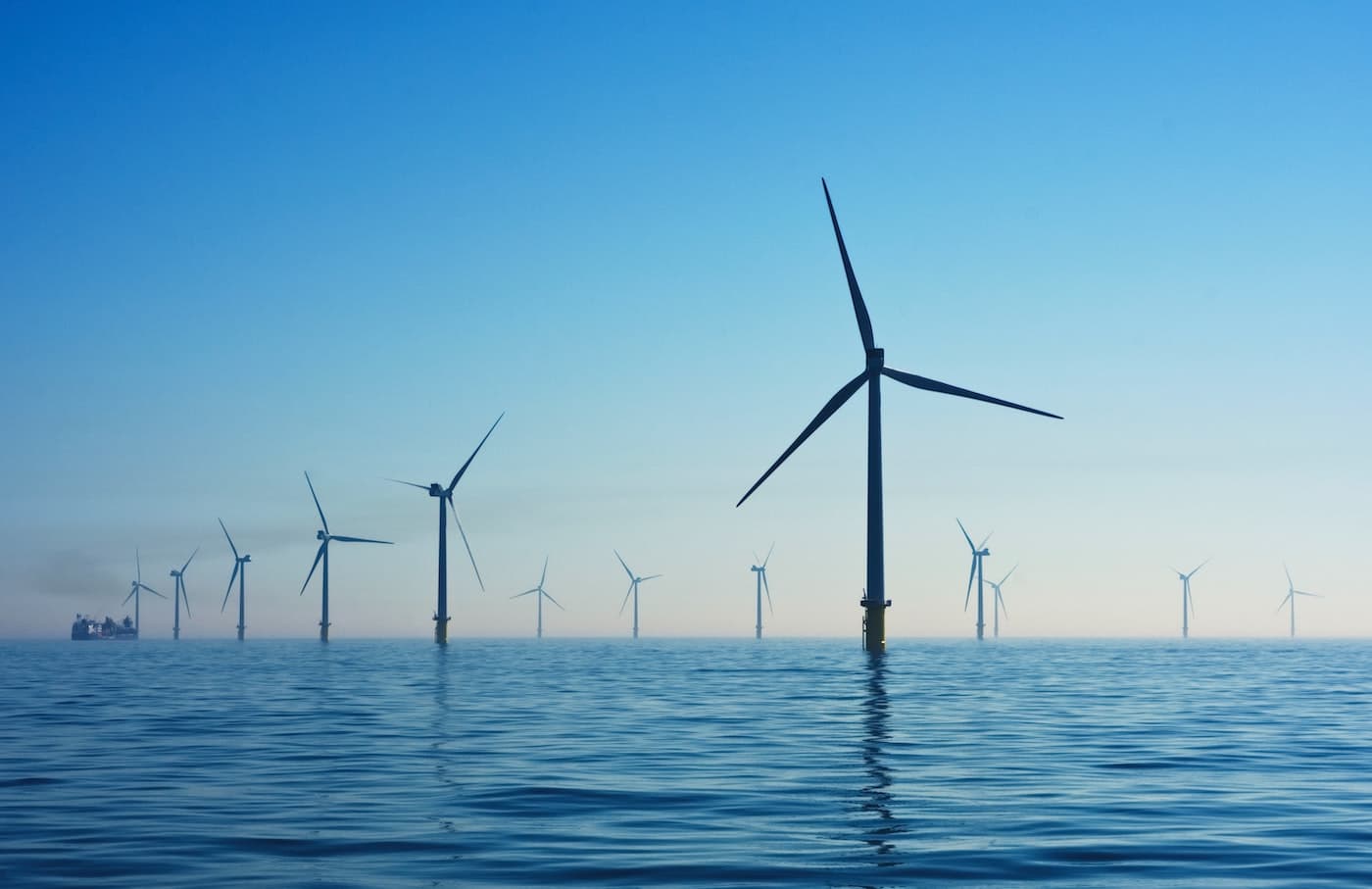
Norwegian energy company Equinor and its partners are officially launching the world’s largest offshore wind farm today, using floating wind turbines. The Hywind Tampen wind farm, with more than a dozen turbines, supplies some of the energy needs of several nearby oil and gas platforms.
Floating wind technology could become an important element in the power mix of some regions in the future. Unlike conventional turbines, which are fixed to the seabed, it could make it possible to generate offshore wind power in areas where the water is too deep for traditional fixed-bottom turbines. In this case, the turbines use floating foundations that are anchored to the seabed.
2. Energy prices for consumers could continue to fall, analysts expect
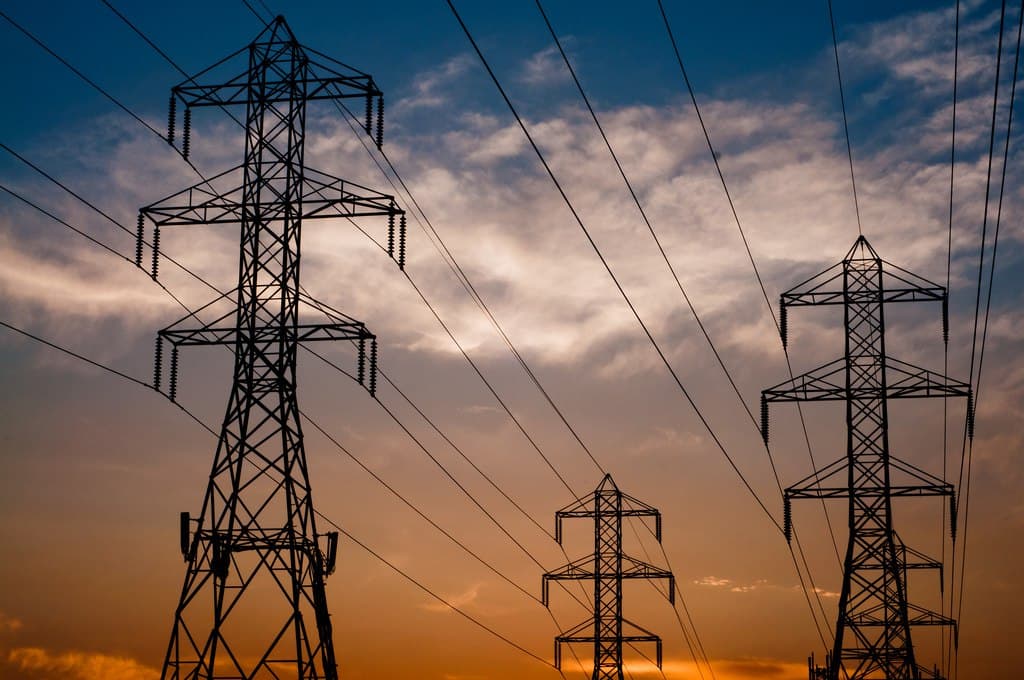
According to analysts’ current expectations, energy prices for consumers could continue to fall in the coming weeks. Recent fluctuations on the wholesale market are unlikely to have a significant impact for now, as major suppliers in particular set prices based on long-term market trends, which have been favourable since the start of the year. This is according to comments by analysts to the Czech News Agency (ČTK). Suppliers in Czechia began offering new tariffs below government-set price caps at the start of the year, and some have presented new offers again in recent weeks.
Competition among energy suppliers, which is pushing prices down, is expected to continue in the coming weeks, according to Jiří Gavor, an analyst at ENA and executive director of the Association of Independent Energy Suppliers (ANDE). This is despite the recent rise in wholesale gas prices. “Suppliers do not set prices for small consumers based on immediate fluctuations in the short-term market. What matters is the long-term trend in the price of supply for next year, and that has been very favourable since the beginning of this year,” Gavor explained. He said that offers well below the government price cap are already available on the market, while many suppliers are still expected to prepare more competitive deals.
3. Germany’s most populous state scraps controversial minimum distance rule for wind turbines near homes
Germany’s most populous state, North Rhine-Westphalia, has scrapped the controversial minimum distance rule for wind turbines near homes, the Frankfurter Allgemeine Zeitung reported. It is now one of three German states that do not apply such a rule across the board.
The governing coalition in North Rhine-Westphalia, made up of the conservative CDU and the Green Party, pushed through the abolition of the rule requiring wind turbines to be at least 1,000 metres from residential buildings. Critics considered the rule one of the main reasons for the slow development of wind power in the state in recent years.
4. France’s Tricastin 1 becomes first reactor to receive approval to operate beyond 40 years
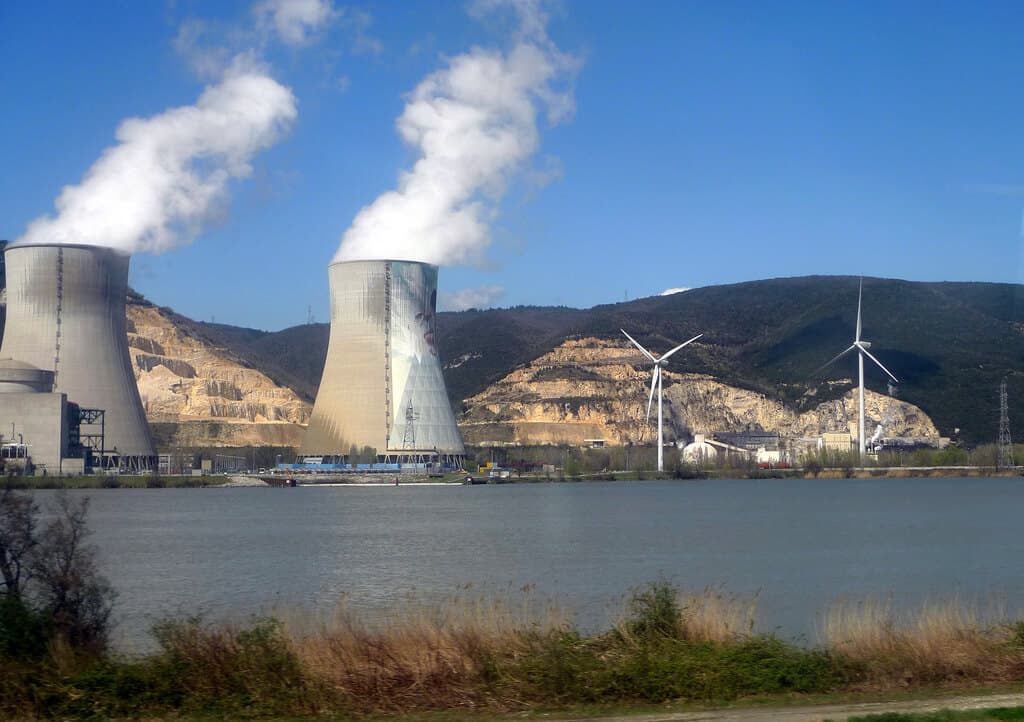
EDF’s French nuclear reactor Tricastin 1 has received approval to operate for another 10 years. It is the first PWR reactor in France permitted to generate electricity beyond 40 years of operation. France’s nuclear regulator opened the way for extending reactor lifetimes to 50 years in 2021. Two new EPR2 units could be built at the Tricastin plant site in the future.
France’s nuclear regulator, the Autorité de Sûreté Nucléaire (ASN), decided that Tricastin 1 can continue operating for another 10 years. The ASN issued its decision following the reactor’s fourth periodic safety review. It also issued further recommendations on seismic safety and measures to address heatwaves.
5. Latest UK renewables auction could disappoint as price caps are low
The United Kingdom is currently assessing this year’s auction round to support the development of renewable electricity sources, with results expected at the beginning of September. However, low maximum bid prices have raised concerns that the auction, in which developers compete for two-way contracts for difference (CfDs), may be undersubscribed. Even winning support in the auction may not ultimately lead to a project being built, as illustrated by one planned offshore wind farm.
Like many countries, the United Kingdom has ambitious targets for developing low-emission power sources, particularly nuclear and renewable sources. Auctions are one of the support mechanisms through which developers can compete for a guaranteed power price in the form of a contract for difference (CfD).
6. EU continues joint gas purchasing, but Russian gas cannot be bought this way
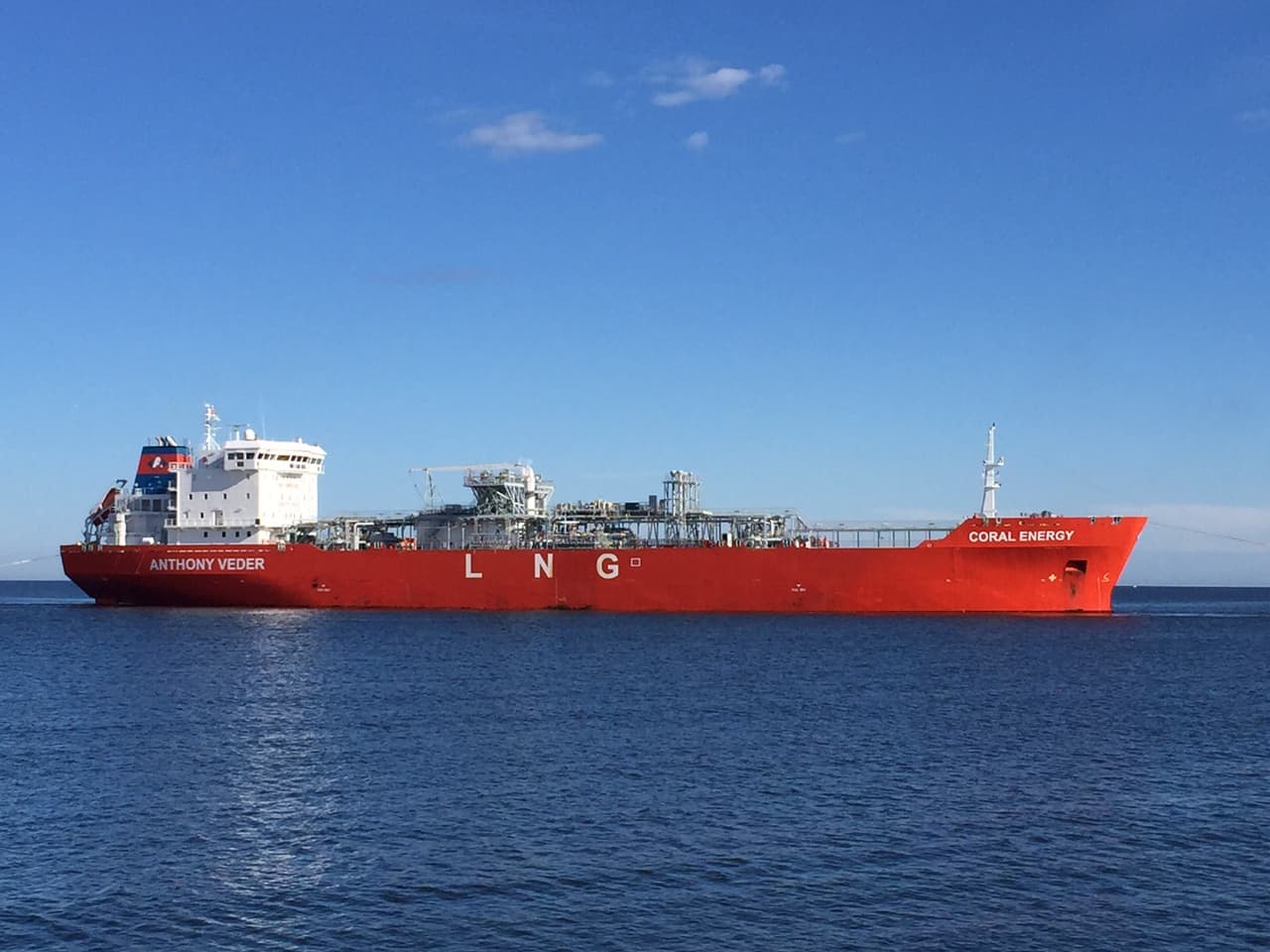
The European Union will launch another round of joint natural gas purchases on 21 September this year. This will be the third round of these purchases, launched after the outbreak of the energy crisis and the start of the war in Ukraine.
Although the energy crisis eased significantly after last year and natural gas storage facilities reached the required 90% well before the statutory deadline, the European Union will organise a third joint natural gas purchase.
7. What lies behind preparations to discharge treated water from the Fukushima Daiichi nuclear power plant
On 22 August 2023, the Japanese government asked Tokyo Electric Power Company (Tepco) to begin preparations to discharge treated water into the ocean. The water is currently stored at the site of the damaged Fukushima Daiichi nuclear power plant. The discharge of treated water from the Fukushima Daiichi nuclear power plant began on 24 August 2023.
At the Fukushima Daiichi site, contaminated water, some of which has been used to cool melted nuclear fuel, is treated using the ALPS (Advanced Liquid Processing System). The system removes most radioactive substances, with the exception of tritium. The treated water is now stored in more than 1,000 tanks at the plant site. The tanks have a total capacity of approximately 1.37 million cubic metres, and are expected to be full by the end of 2023 or early 2024.
8. Germany: Electric and alternative-fuel vehicle shares keep growing despite lower subsidies
The share of fully electric passenger cars in Germany continues to rise rapidly, with registrations up by more than 37% in the first seven months of 2023 compared with the same period a year earlier, according to data published by the Federal Motor Transport Authority (KBA). This is despite the country reducing purchase subsidies from January. With almost 270,000 new vehicles, electric cars accounted for one-sixth of all newly registered vehicles.
The reduction in the previously generous subsidies for electric car purchases meant that their share of newly registered vehicles fell to just 10% in January before gradually climbing to 20% by July. This was because many people who intended to buy an electric car did so in December, when purchase subsidies were higher. Electric cars accounted for a third of newly registered vehicles in December 2022.
9. The true state of Russia’s energy sector is unknown as the country hides or manipulates data
Analysts contacted by international energy news outlet Montel about the state of Russia’s energy sector say that the detailed data needed to draw an accurate conclusion are unavailable, especially on exports. They also question the reliability of the data that are available and continue to be published by the country’s energy ministry and other government bodies.
“A lot of data sources are missing. It’s bizarre, and the [energy] ministry is altering statistics and hiding the real figures,” says a Moscow-based commodities analyst, noting that much of the data is classified. “It is quite difficult to get information about Russia’s energy sector now.”
10. European gas prices fall as risk of strikes in Australia recedes

The wholesale price of gas on the European market temporarily fell by more than 20% this morning, reaching 29.50 euros (710 Kč) per megawatt-hour (MWh). This was the steepest drop since March last year. The market is reacting to reports that labour disputes at Australia’s largest liquefied natural gas (LNG) export plant can be resolved. Australia is a key LNG exporter.
At around 8:30 CEST, the price of the key September gas futures contract at the Title Transfer Facility (TTF) virtual trading hub in the Netherlands was close to 31 euros, down by around 16% on the day. Prices for contracts for delivery in the winter months are significantly higher, however, with the February contract above 52 euros per MWh. TTF is the benchmark for gas prices in Europe.
Energostat: electricity generation in Czechia
Energostat: electricity generation in Germany
Translation disclaimer
This article is a machine translation of the Czech original and has not yet been fully reviewed. In case of any doubt, please refer to the Czech version.