
25 October 2026, 08:20
Loading...
Top 10 energy stories from the past week
oEnergetice.cz
24 December 2024, 13:45
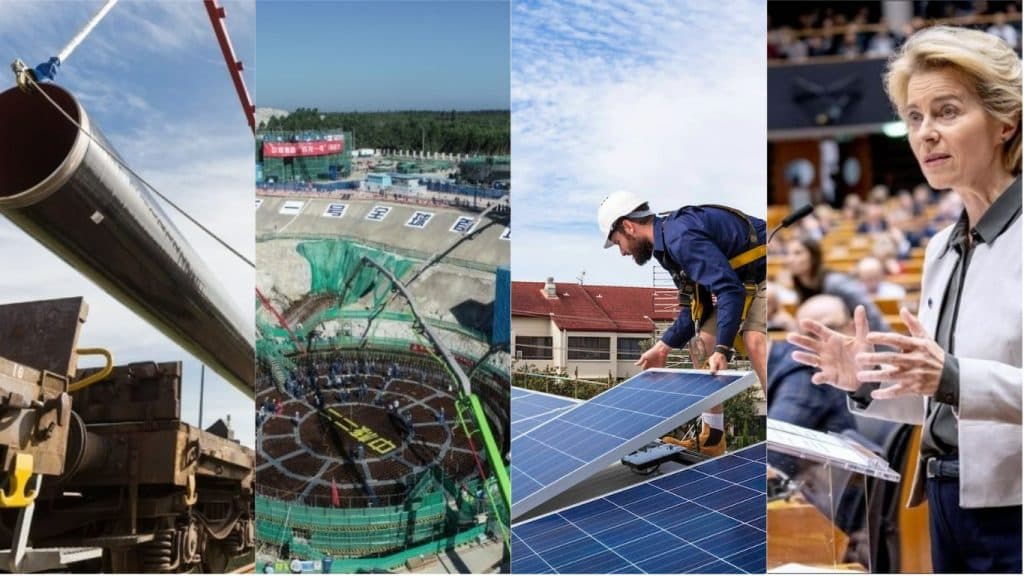
This week, we once again bring you a carefully selected list of the ten most important articles published on the oEnergetice.cz website. If you missed any of them, here is a selection of the articles that attracted the most interest from our readers. Good luck in the new week!
1. Dismantling of Germany’s Brokdorf nuclear power plant has begun
Dismantling of the decommissioned Brokdorf nuclear power plant officially began on 13 December. The information was released by PreussenElektra, the plant’s majority owner. Brokdorf was the last nuclear power plant in Germany where dismantling had not yet begun.
PreussenElektra, a subsidiary of the E.ON Group, applied in December 2017 for permission to decommission and dismantle the Brokdorf plant, which has a KWU PWR-1300 pressurised water reactor with an installed capacity of 1410 MWe. The plant itself was permanently shut down on 31 December 2021.
Read the full article HERE.
2. Hinkley Point C nuclear power plant construction: reactor pressure vessel in place
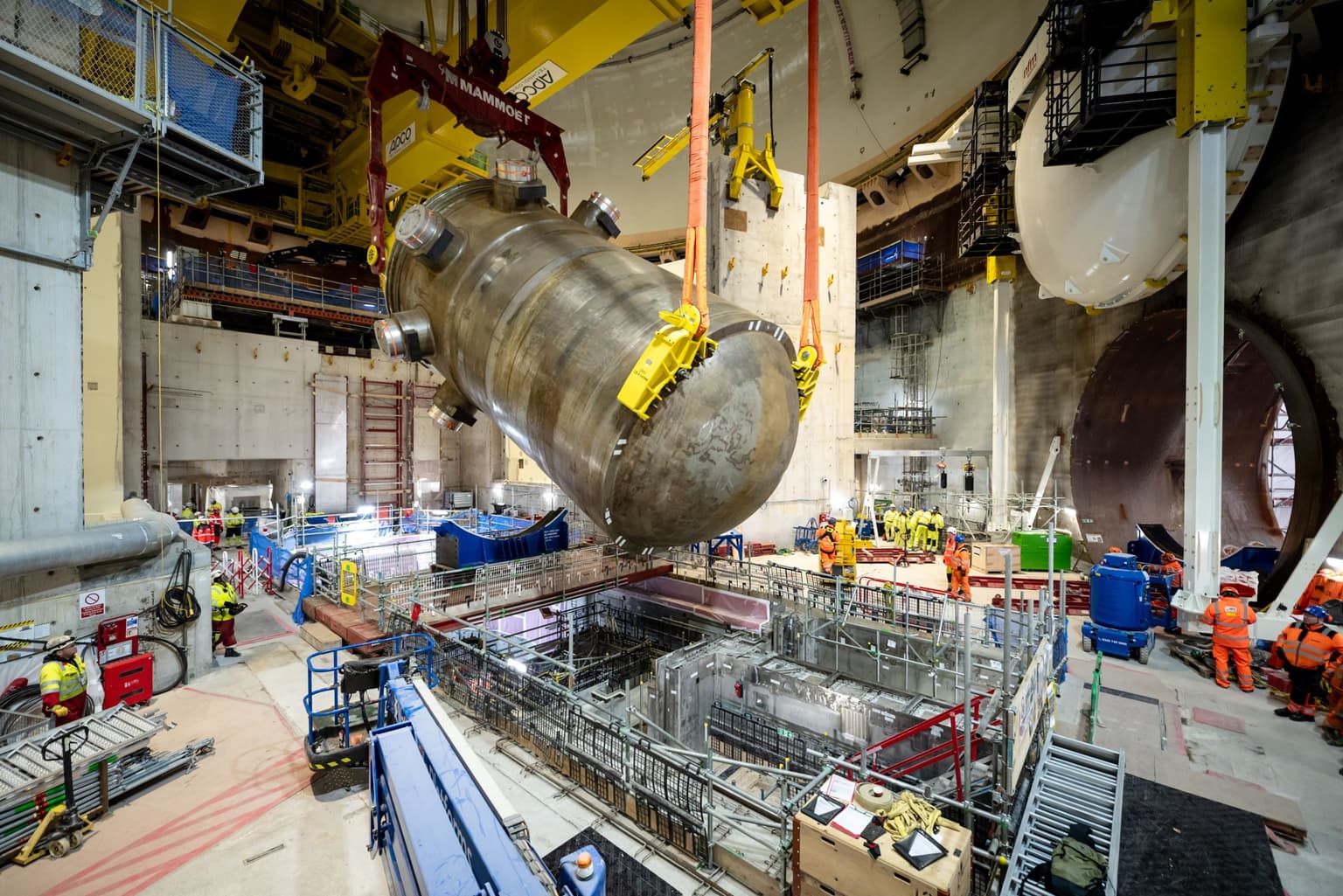
Construction of a new nuclear power plant in the United Kingdom has reached another major milestone. Technicians have installed the 500-tonne reactor pressure vessel in the first unit of Hinkley Point C. According to the latest plans, the two-unit plant, with an installed capacity of 3.2 GW and construction starting in 2018, will enter commercial operation no earlier than 2030.
Energy company EDF Energy announced that construction of the first unit of the British Hinkley Point C nuclear power plant has reached an important milestone. Workers successfully installed the 13-metre-high, 500-tonne steel EPR reactor pressure vessel. EDF Energy says the milestone comes less than a year after the final section of the reactor building was put in place.
Read the full article HERE.
3. Ukraine is willing to continue gas transit—just not Russian gas
Prime Minister Denys Shmyhal said on Monday that Ukraine was willing to work out an agreement that would allow gas to transit through its territory to Western Europe. However, he ruled out any extension of the existing agreement with Russia.
The current Russia-Ukraine agreement expires in about two weeks. Under it, around 42 million m3 of Russian gas continues to flow to Europe every day through the Sudzha interconnection point on the Ukrainian border.
Read the full article HERE.
4. Dispute with the EU: Germany calls off hydrogen auction worth hundreds of millions of euros
Germany has cancelled a planned 350-million-euro renewable hydrogen auction that was to use the European “Auctions-as-a-Service” scheme. The auction, designed on the European Hydrogen Bank model, foundered over disagreements between Germany’s economy ministry and the European Commission on strict specifications, Bloomberg reports.
The hydrogen auction is a key tool of the European Hydrogen Bank (EHB), providing financial support to producers of renewable hydrogen that meets the criteria for renewable fuels of non-biological origin (RFNBO). The aim is to support the production of hydrogen from renewable energy sources for European consumers.
Read the full article HERE.
5. Czech solar boom continues, but support is set to change
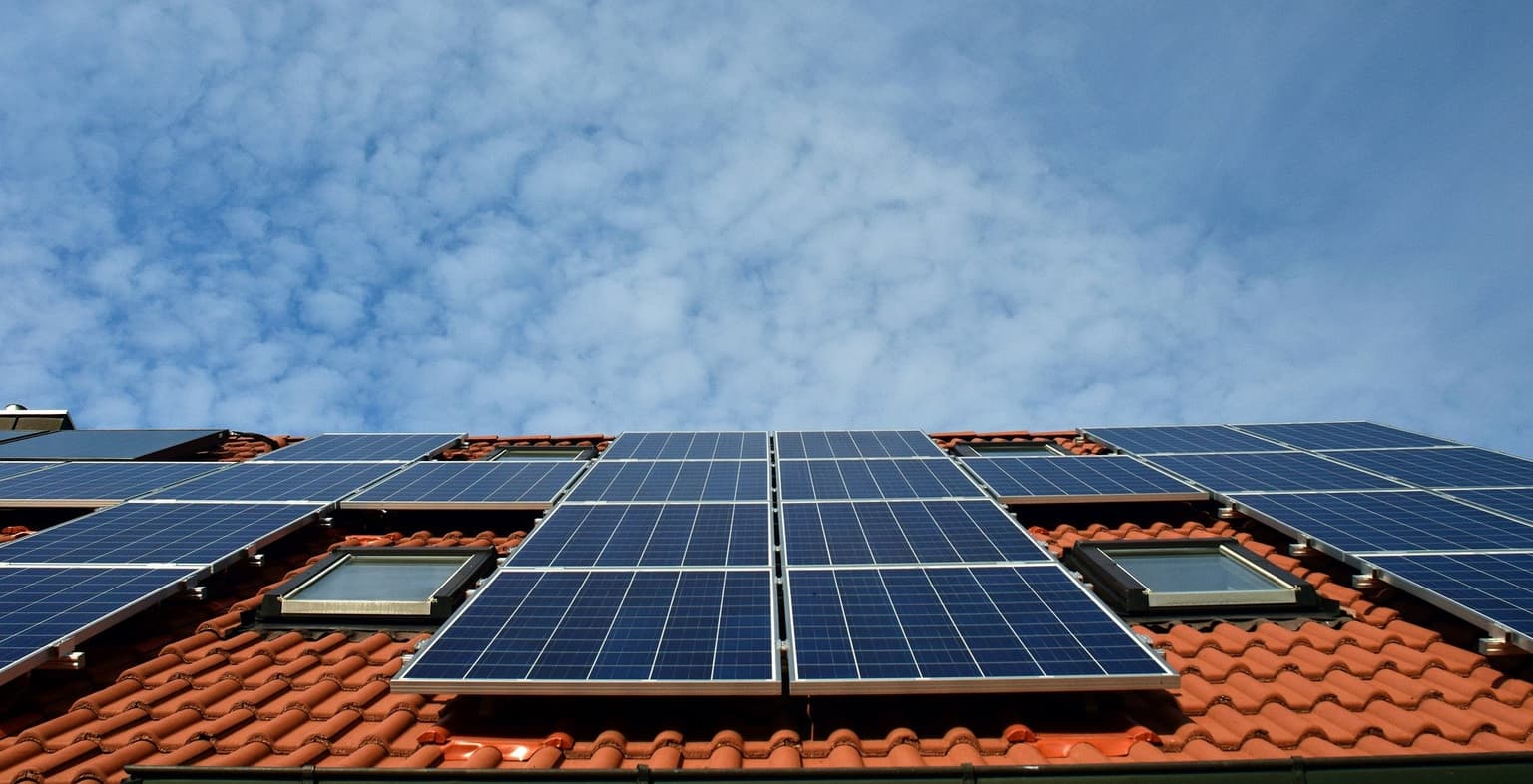
In 2024, ČEZ Distribuce connected new generation sources with a total installed capacity of 658 MW to its network, reflecting record interest in renewable energy sources in the Czech Republic in recent years. The vast majority of this new capacity came from rooftop solar power plants, which have become a key tool for decentralised energy generation and have contributed to the growth of sustainable energy.
In total, almost 133,000 renewable energy installations are connected to the ČEZ distribution network, with a combined installed capacity of 8 GW. The largest number of new rooftop solar power plants (PV plants) commissioned this year were in the Central Bohemian Region, confirming the region’s importance to the Czech energy sector.
This growth has been supported to a large extent by government subsidies from programmes such as New Green Savings, as well as legislative changes that make it easier to connect new installations.
Read the full article HERE.
6. High electricity prices during Dunkelflaute: German regulator to investigate possible market manipulation
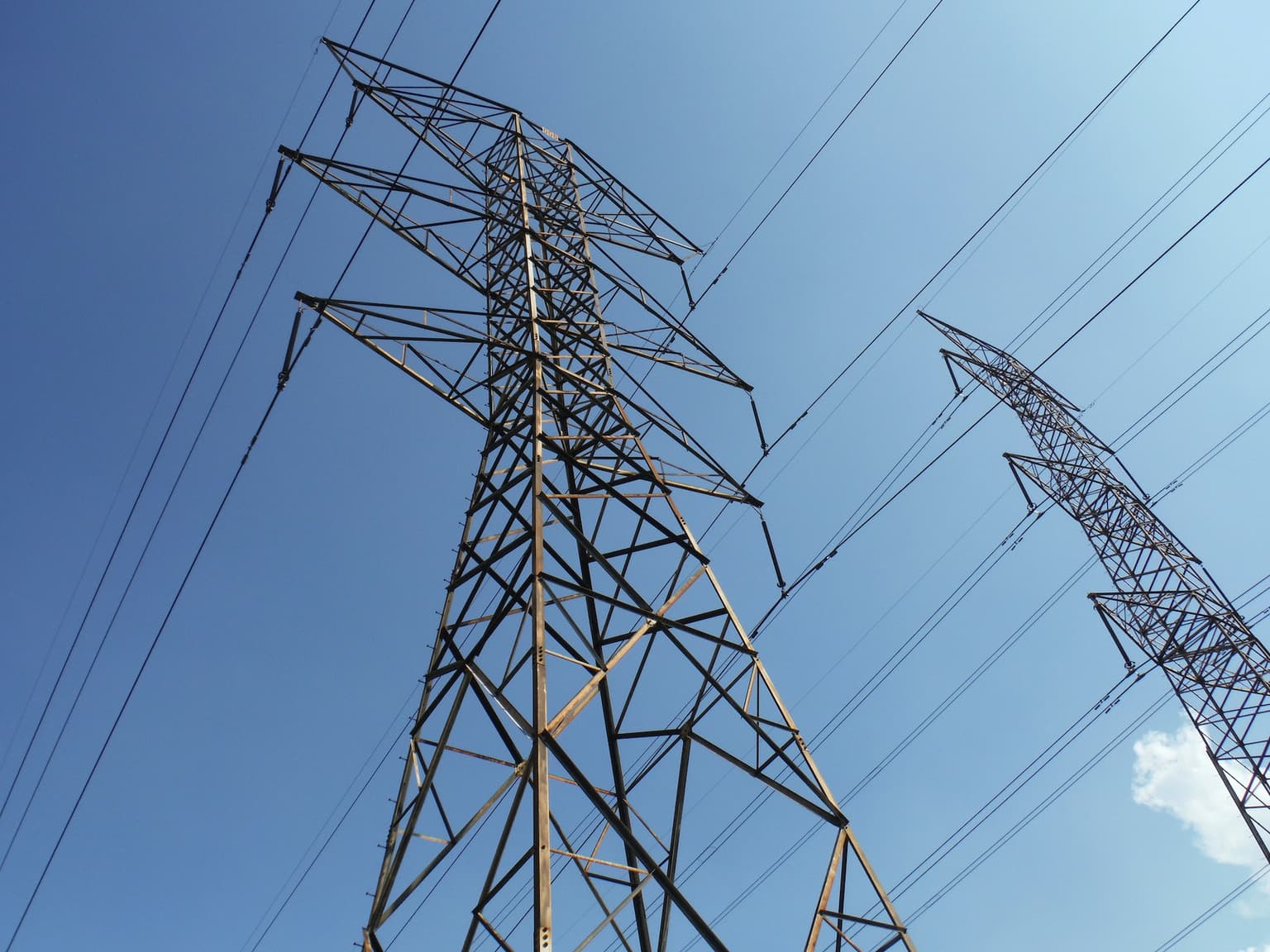
A sudden and sharp rise in electricity prices in Germany on 12 December prompted the country’s regulator to investigate possible market manipulation. According to the regulator, conventional power plants were not operating at sufficient levels when wind and solar power plants were generating little electricity, contributing to the price increase. German electricity prices also affected neighbouring markets and drew criticism, including from Sweden.
On 12 December, Germany experienced a so-called Dunkelflaute—a period with insufficient wind and sunshine, and therefore low output from solar and wind power plants. Wholesale electricity prices briefly climbed above 900 EUR/MWh amid high demand, low renewable energy generation and high gas prices. Germany’s Federal Network Agency (BNetzA) said possible market manipulation may have contributed to the price increase and that it would investigate the situation.
Read the full article HERE.
7. New reactor at France’s Flamanville plant connected to the grid
A new reactor at the Flamanville nuclear power plant in France was connected to the grid today. Its construction was marked by delays and cost overruns. President Emmanuel Macron welcomed the step as a major event for France, AFP reported. France has connected a new nuclear reactor to the grid for the first time in 25 years.
The reactor at Flamanville is a new EPR (European Pressurized Reactor) type. Only three other reactors of this type are operating worldwide—one in Finland and two in China. Its capacity is 1600 megawatts.
Read the full article HERE.
8. Czechia will seek to soften EU ETS II, which it helped push through

Prime Minister Petr Fiala and Environment Minister Petr Hladík jointly announced at a press conference this week that Czechia would seek to revise the terms and delay the full implementation of the second emissions trading system (EU ETS II). Its introduction was approved in December 2022 during the Czech Presidency of the Council of the EU. Government officials at the time considered reaching agreement on changes to the emissions trading system a major success of the Czech presidency.
The Czech Republic will seek to revise the terms and delay the full implementation of the EU ETS II. The system is to cover the heating and road transport sectors. Its full implementation is currently planned for 2027, with a one-year delay possible under the agreed terms in the event of exceptionally high energy prices. The monitoring phase to collect data on emissions under the second system will begin next year.
Read the full article HERE.
9. Solar interest surges ahead of subsidy changes as households seek old terms
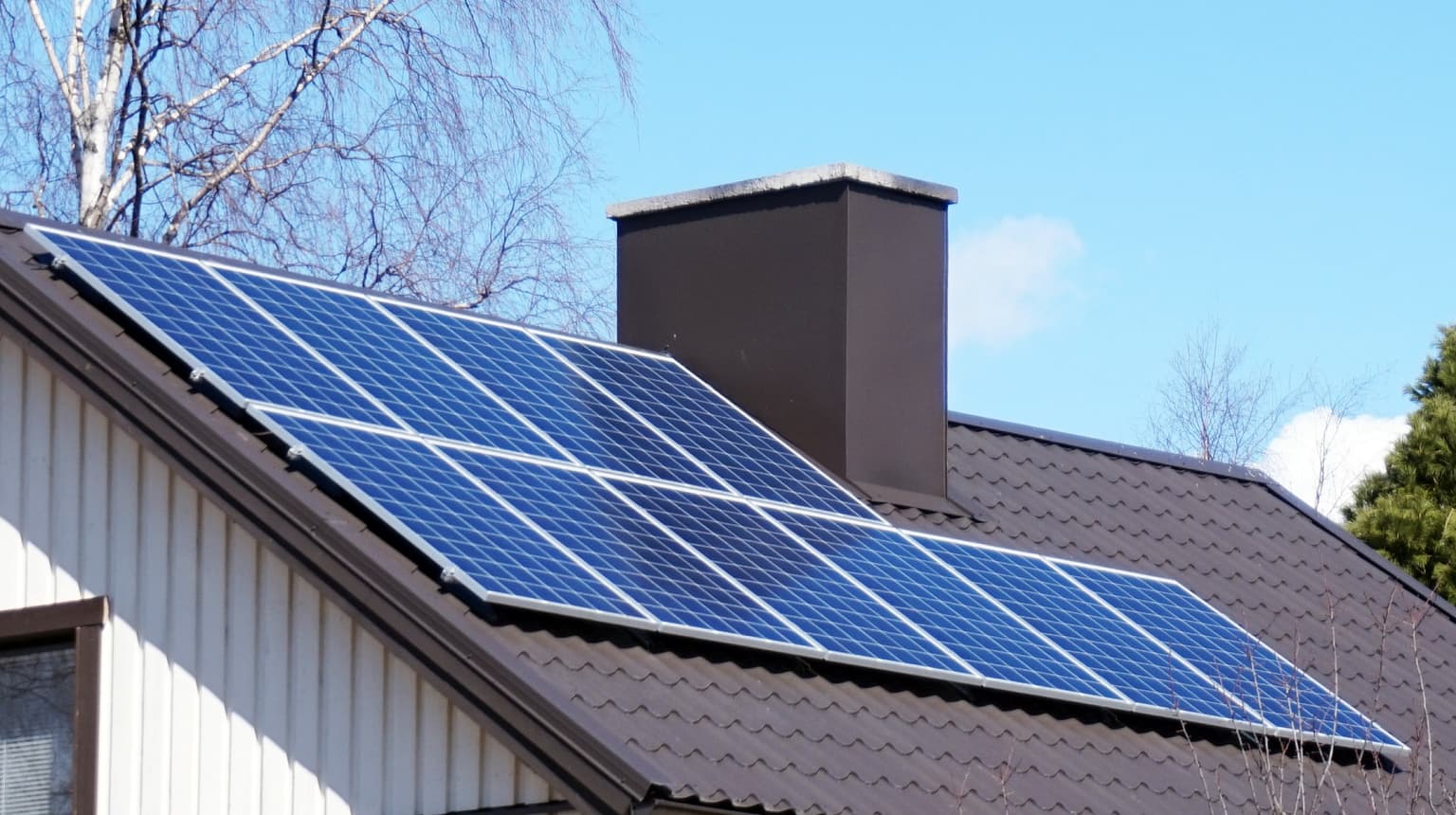
Planned changes to state support for household solar installations, which is set to be reduced next year, have sharply increased orders for new solar systems—by as much as several times in recent weeks. Households wanted to take advantage of the existing subsidy terms, and funding for solar installations on family homes has already run out. This is according to information from companies, industry associations and the State Environmental Fund (SFŽP).
At the beginning of December, the Ministry of the Environment announced planned changes to the New Green Savings (NZÚ) subsidy programme. The ministry plans to limit support for solar power plants. Going forward, subsidies will be available only for systems with a maximum capacity of five kilowatts, half the capacity supported so far.
Read the full article HERE.
10. Switzerland’s first nuclear power plant to generate electricity until 2033
The operator of Switzerland’s Beznau nuclear power plant is investing nearly CZK 10 billion to extend its operating life and ensure it can safely generate electricity until 2033. The two-unit plant, with a capacity of 730 MW, is Switzerland’s first nuclear power plant and the world’s oldest commercially operating nuclear power plant. Its total operating life since it began operation in 1969 will thus reach 64 years, with annual electricity generation of around 6 TWh.
Swiss energy company Axpo announced that it will spend 350 million Swiss francs (around CZK 9.3 billion) to keep its Beznau nuclear power plant operating until 2033. The plant has two pressurised water reactor units with a capacity of 365 MW net each, which entered commercial operation in 1969 and 1971.
Read the full article HERE.
Opinion
Germany feels the effects of its Energiewende this year
Germany has felt the effects of its Energiewende sharply this year. In summer, the number and duration of periods with negative prices increased significantly. At the time, Germany did not know what to do with its surplus electricity. By contrast, in winter we experienced two longer periods without wind, with minimal sunshine and very high electricity prices, when Germany imported everything that was available.
The second Dunkelflaute of the year—when the sun does not shine and the wind does not blow in our region—is another major warning. It shows where relying solely on renewable sources and shutting down fossil-fuel sources before their low-emission replacements are ready will lead us. And by replacement, we mean a truly equivalent one that can ensure the required power is available on the grid at every moment of operation.
Read the full article HERE.
Energostat: electricity generation in Czechia
Data in this chart is also available in 15-minute resolution60min15minEnergostat: electricity generation in Germany
Data in this chart is also available in 15-minute resolution60min15minFind more up-to-date charts and data on Energostat
Translation disclaimer
This article is a machine translation of the Czech original and has not yet been fully reviewed. In case of any doubt, please refer to the Czech version.
Sdílejte článek prostřednictvím:
Topics:Energy Weekly
You might also like

23 October 2026, 14:38