Top 10 energy stories from the past week
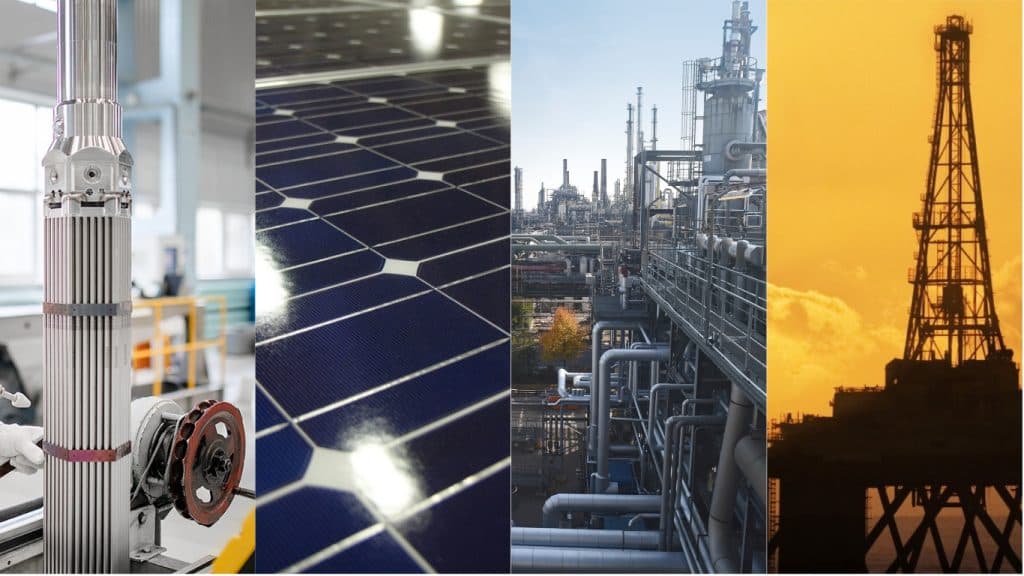
This week, we once again bring you a carefully selected list of the ten most important articles published on oEnergetice.cz. If you missed any of them, here is a selection of the articles that attracted the most interest from our readers. Best of luck in the new week!
1. What can we expect from electricity and gas prices in 2025? E.ON Energie’s perspective

Three years have passed since the collapse of Bohemia Energy, one of the largest energy suppliers. For hundreds of thousands of customers who opted for three-year fixed-price contracts at the time, a key decision-making moment has now arrived. More time has also passed since the energy crisis of 2021, but its effects are still being felt in the market. Added to this is growing pressure on the regulated component of electricity prices, driven by the investment needed in infrastructure, which affects costs for households and businesses alike.
What will the energy market look like in 2025, and what will it mean for customers? We asked several energy suppliers, and we would like to share their answers with you in the following series of interviews.Our second interview was with Lukáš Paur, energy sales manager at E.ON Energie.
Read the full article HERE.
2. European Commission to review Polish state aid for new nuclear power plant
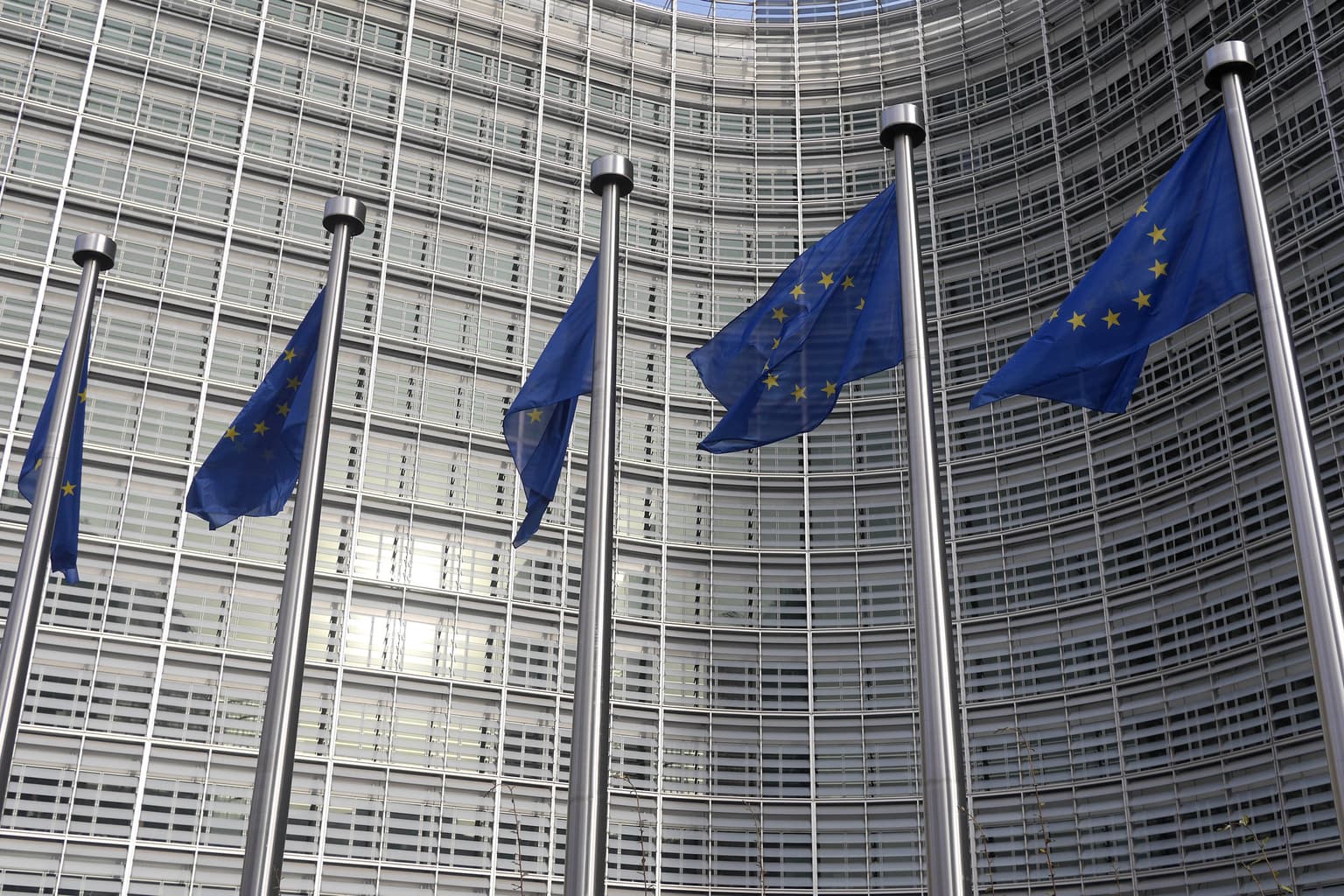
The European Commission has begun assessing whether Polish state aid for a new nuclear power plant in Lubiatowo-Kopalino complies with EU rules. Poland plans to support the 3750 MW project using a combination of three instruments. The Commission will now examine in detail whether the planned support is proportionate. The first AP1000 unit, built by US company Westinghouse, could begin commercial operation in 2033.
The European Commission announced that it had launched an in-depth investigation into the planned Polish support for the country’s first nuclear power plant. Last September, Poland submitted a plan to the Commission to support state-owned Polskie Elektrownie Jądrowe (“PEJ”) in building a new nuclear power plant in Lubiatowo-Kopalino. During its preliminary investigation, the European Commission found that the support was necessary and that the project would not go ahead without it, but it has doubts about the scale of the aid and its compliance with EU state aid rules.
Read the full article HERE.
3. Moldovan separatists reject help with energy supplies
A dispute over gas supplies between the Moldovan government and the separatist region of Transnistria is stoking political tensions. The region is no longer receiving gas after the transit agreement via Ukraine was not renewed, but the separatist government does not want to accept supplies from the European market.
Transnistria has been in an energy crisis since the New Year, after Ukraine kept its promise and halted the transit of Russian gas to Europe through its territory when a key agreement with Moscow expired.
Read the full article HERE.
4. Slovenské elektrárne begins cold tests at new Mochovce 4 nuclear unit
The new unit at Slovakia’s Mochovce nuclear power plant has reached an important commissioning milestone. Technicians have begun cold tests, during which the unit’s systems will undergo their first comprehensive testing. Slovakia resumed construction of Mochovce units 3 and 4, which had been mothballed, in 2009. The sister unit 3, with a capacity of just under 500 MW, has been producing electricity commercially since autumn 2023.
At the end of last year, Slovenské elektrárne announced the start of cold tests at the Mochovce 4 nuclear unit, which is under construction. The VVER-440 unit has a capacity of 471 MW (gross) and 440 MW (net) and, once completed, will cover around 13% of the country’s electricity consumption.
Read the full article HERE.
5. Trump: Oil and gas extraction should replace wind farms in the North Sea
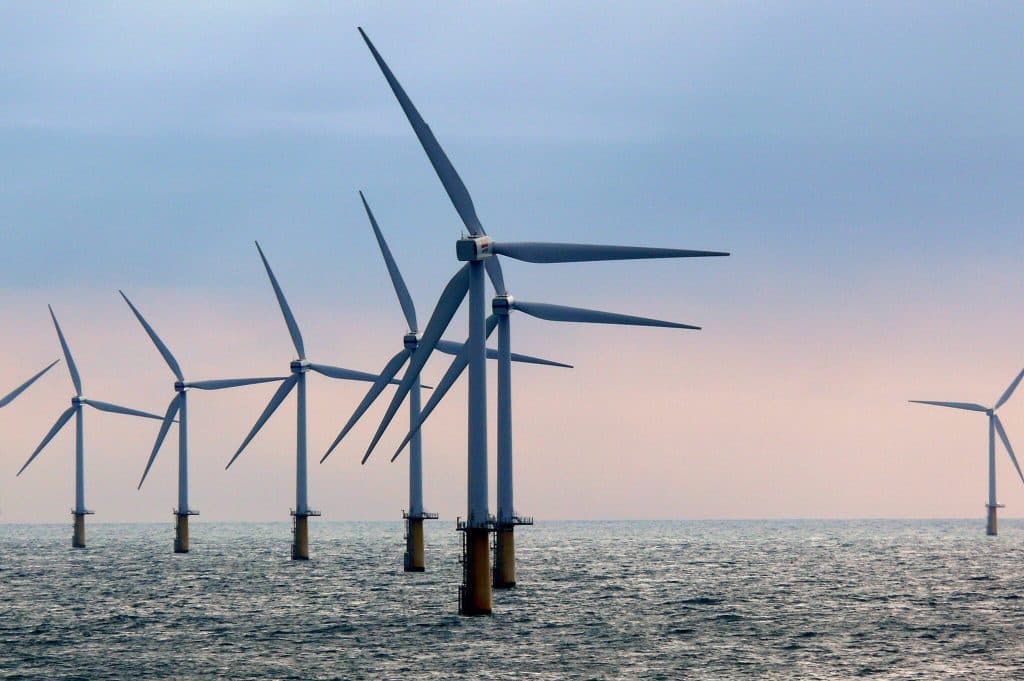
Donald Trump, who will be inaugurated as the new US president in less than two weeks, has said that the United Kingdom is making a major mistake by building offshore wind farms. Trump says the country should get rid of wind turbines in the North Sea. Instead, he says, it should revive oil and natural gas extraction in the area, which has been in long-term decline. Current plans for offshore wind farms in British waters are highly ambitious.
Newly elected US President Donald Trump, who will soon take office again, criticized the British government last week for its approach to using the North Sea. He said the government should open the sea to new oil and natural gas extraction. The North Sea is one of the world’s largest oil and natural gas deposits, although production has been declining over the long term.
Read the full article HERE.
6. German solar power reaches another milestone as installed capacity tops 100 GW
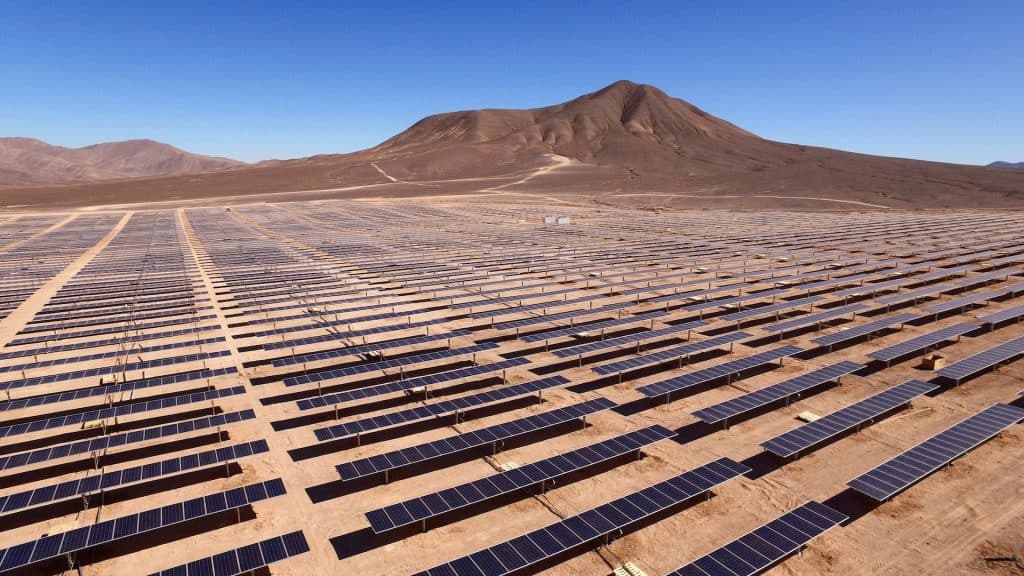
Installed photovoltaic capacity in Europe continued to grow last year, and neighbouring Germany was no exception. It even reached a new milestone, with total installed photovoltaic capacity in the country rising to 100 GW. Ground-mounted solar parks saw the strongest growth, although rooftop installations continued to drive the overall increase in installed capacity. Germany thus installed a record amount of solar capacity last year. But 2024 also set a record for the number of hours with zero or negative electricity prices.
The intensive expansion of renewables, particularly solar and wind power, which form the backbone of the country’s Energiewende, or energy transition, continues in Germany. In the past year alone, according to the country’s solar industry association BSW, citing data from Germany’s grid regulator, 17 GW of new installed solar capacity was added.
Read the full article HERE.
7. Temelín strengthens reactor water cooling with four new mobile pumps
The Temelín nuclear power plant has strengthened its reactor water-cooling safety system. Since the start of the new year, it has had four new mobile pumps powered by diesel engines at its disposal. They are ready for use in the event of a power outage at the plant. ČEZ invested hundreds of millions of crowns in their purchase, including the installation of hundreds of metres of pipes leading to the reactors, Temelín spokesperson Marek Sviták told CTK today.
Temelín uses various independent systems to cool its reactors, most of which require electricity to operate. That is also why Temelín has more than a dozen ways of supplying electricity to its safety systems. Should these systems nevertheless lose power, Temelín has additional systems that do not depend on electricity, including the newly acquired pumps. “These are four mobile pumps for two different cooling systems. Although I hope we will never need to use them, this further safety upgrade at the plant is very important. We are keeping up with the world’s best practices,” said Jan Kruml, director of the Temelín Nuclear Power Plant.
Read the full article HERE.
8. UK gas reserves are worryingly low, Centrica warns
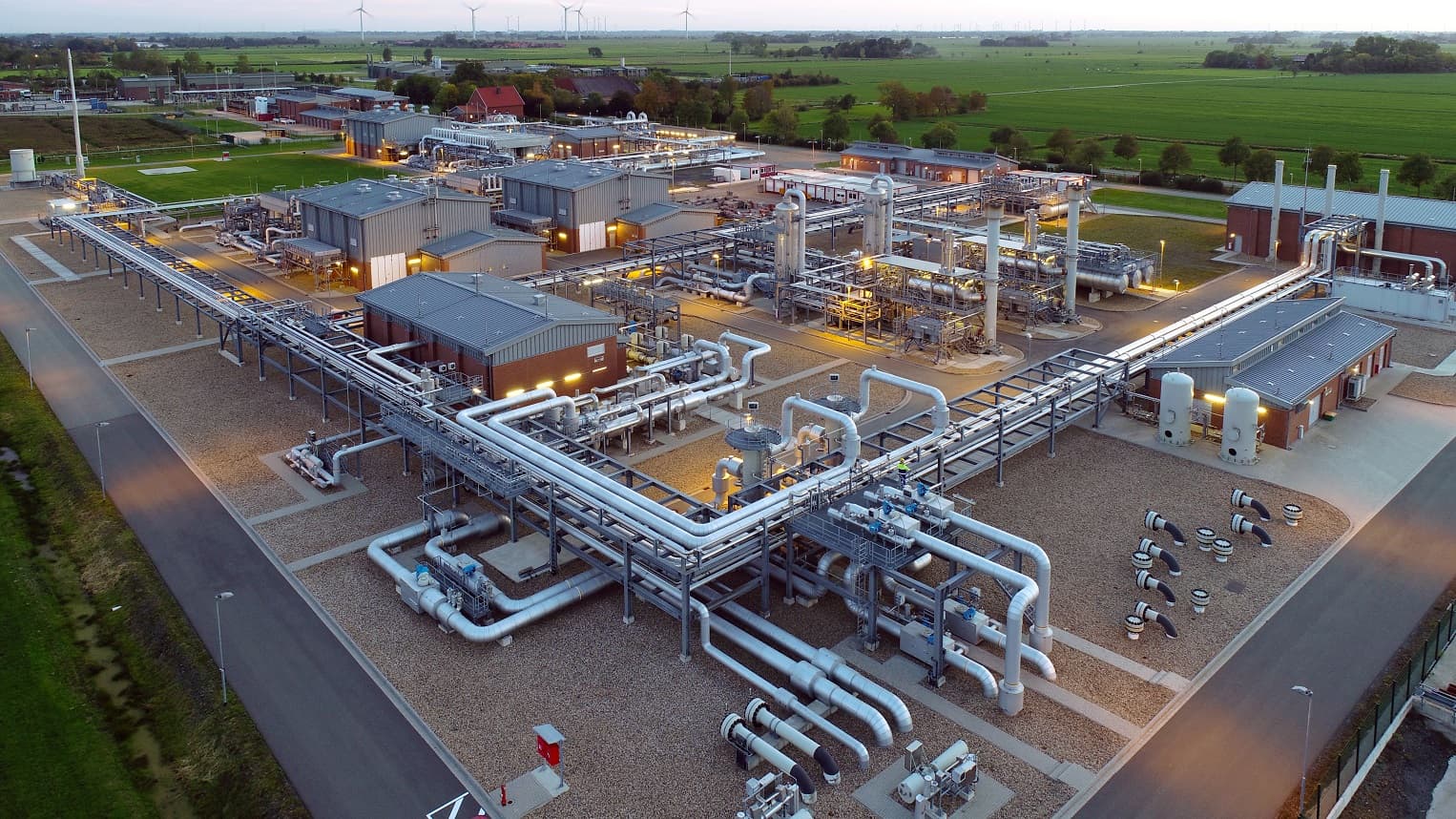
Natural gas stocks in British storage facilities are worryingly low, with less than a week’s worth of gas left after a cold spell. Energy company Centrica said today. The United Kingdom’s gas stocks are 26 percent lower than at the same time last year. Centrica operates the country’s largest natural gas storage facility at Rough, where stocks are 20 percent lower than a year ago.
Cold weather and snow affected much of Britain this week, increasing demand for gas, which is used to heat around 75 percent of homes in the country, Centrica said. The cold weather has also been accompanied by low wind speeds, reducing output from wind power plants, company chief Chris O’Shea noted.
Read the full article HERE.
9. France, Europe’s largest electricity exporter, recorded a record export volume last year
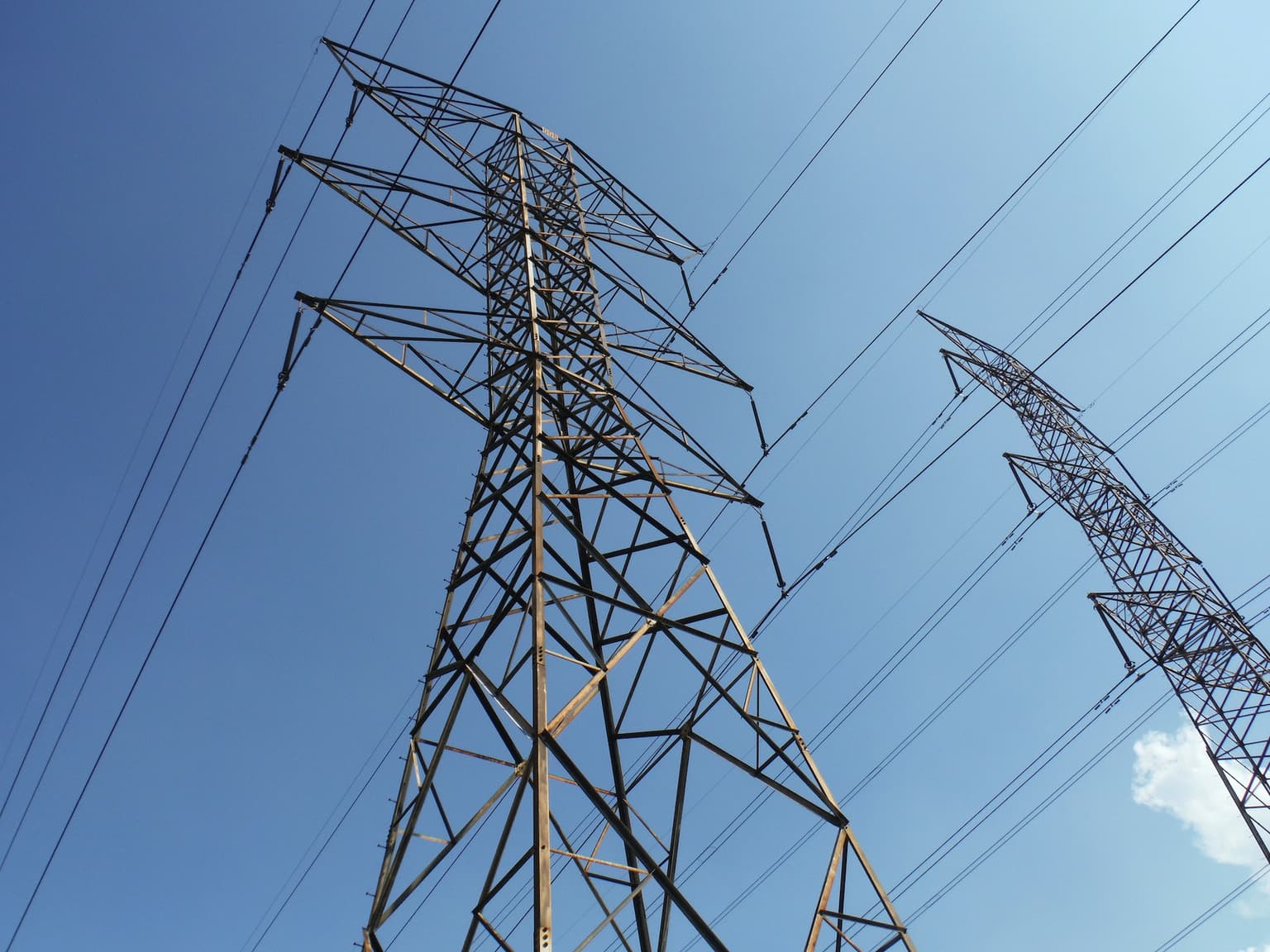
France’s net electricity exports reached 89 TWh last year, the highest figure on record. The previous record for net exports was set in 2002, at 77 TWh. High electricity exports from France were driven by strong nuclear and hydropower generationin combination with weak demand, according to the French transmission system operator.
France’s net exports rose by 37 TWh last year compared with 2023, reaching 89 TWh. France exported more than it imported across all its borders: Germany-Belgium (27.2 TWh), Italy (22.3 TWh), the United Kingdom (20.1 TWh), Switzerland (16.7 TWh) and Spain (2.8 TWh). This is according to preliminary data from French transmission system operator RTE.
Read the full article HERE.
10. Nuclear power plants will be able to produce clean hydrogen in the US, including existing ones
Sustainable hydrogen production is not just a topic in Europe; similar discussions are taking place elsewhere in the world. The United States is one such place, where nuclear power plants face competition in wholesale electricity markets not only from renewables but also from gas-fired power plants, thanks to low gas prices in local markets and the absence of emissions allowances in most states. Hydrogen production could therefore help keep nuclear power plants that would otherwise face closure in the market.
Including nuclear power plants among the sources that could produce sustainable hydrogen in the future is often a contentious issue in many countries. The list of eligible sources is not the only obstacle, however. Another important condition in many cases is that only new sources should produce green or sustainable hydrogen. This is intended to prevent situations in which electricity from existing renewable or other low-carbon sources is diverted to hydrogen production.
Read the full article HERE.
Opinion
How much do solar PV systems actually produce in December, and what does the full year look like?

Many people claim that solar PV systems produce virtually nothing in winter and generate only surplus electricity that is not needed in summer. So let’s take a look at what this “nothing” actually looks like.
December is the worst month for solar PV systems at our latitudes. The day is at its shortest around the winter solstice, and the sun is low above the horizon. The sun’s rays therefore hit the panels at a steep angle, and even the smallest obstacle nearby can cast a shadow over the roof—not to mention what happens when snow falls on the panels. Winter is therefore far from ideal for generation, while household consumption rises as temperatures fall and more heating is needed.
Read the full article HERE.
Energostat: electricity generation in the Czech Republic
Energostat: electricity generation in Germany
Find more up-to-date charts and data on Energostat
Translation disclaimer
This article is a machine translation of the Czech original and has not yet been fully reviewed. In case of any doubt, please refer to the Czech version.