Top 10 energy stories from the past week
This week, we once again bring you a carefully selected list of the ten most significant articles published on oEnergetice.cz. If you missed any of them, here is a selection of the articles that attracted the most interest from our readers. Good luck in the week ahead!
1. Norway opposes further integration into the EU energy market

Some Norwegian politicians are protesting against the adoption of EU energy regulations. The regulations aim to integrate the country more closely into the European electricity market and introduce climate protection measures.
Norway is not an EU member, but is a key member of the European Economic Area. As Euractiv reported, ahead of September's parliamentary elections, the country is at a political crossroads over its role in Europe and its relationship with the Union.
Read the full article HERE.
2. Ukraine is ready to resume gas transit across its territory

According to information reported by Bloomberg, Ukraine is ready to resume the transit of natural gas across its territory, based on comments by Ukrainian President Volodymyr Zelenskyy. However, the gas would come from Azerbaijan and continue on to Europe. The only condition for restarting the transit is for the two sides to reach an agreement quickly.
After meeting Moldovan President Maia Sandu, Zelenskyy said Ukraine's infrastructure could be used to transit Azerbaijani gas. The main topic of the talks was natural gas supplies.
Read the full article HERE.
3. Hydrogen pipeline to link Africa with Europe, with five countries signing declaration of intent
Government representatives from Algeria, Austria, Italy, Germany and Tunisia signed a joint letter of intent to build a hydrogen pipeline that would connect southern Europe with North Africa. The pipeline would give Europe access to Africa's huge potential for hydrogen production.
At a meeting in Rome, also attended by representatives from Switzerland and the European Commission, the five countries agreed on plans to build a hydrogen pipeline more than 3 500 kilometres long. The pipeline is expected to transport more than 163 TWh of gas per year, of which 55 TWh would go to Germany.
Read the full article HERE.
4. Polish prime minister: EU must carry out a full and critical review of the Green Deal
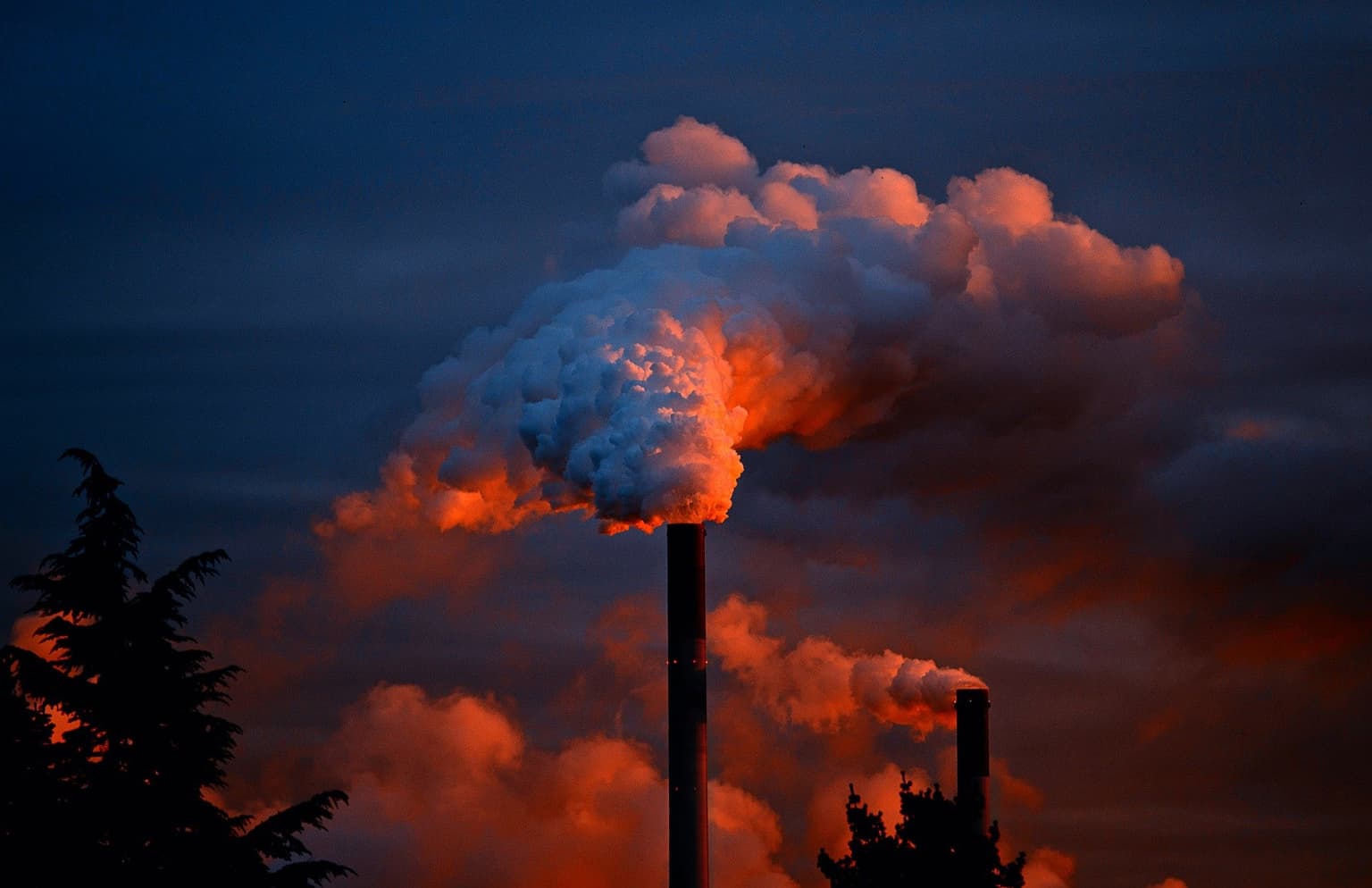
With natural gas and electricity prices having risen sharply in recent years, calls for possible reform of the Green Deal, or the European Green Deal, are growing louder in Europe. Polish Prime Minister Donald Tusk, whose country currently holds the rotating presidency of the Council of the European Union, also commented on the issue last week. Tusk said the Union should conduct a thorough and critical assessment of the current system.
The European Green Deal has long been a major political issue, given its significant impact on European industry and consumers. Last week, Polish Prime Minister Donald Tusk said he wanted to review and potentially amend EU regulations, including those related to the Green Deal. Among other things, the deal aims to accelerate reductions in greenhouse gas emissions.
Read the full article HERE.
5. Strategic partnership: Russia plans gas pipeline to Iran

The Russian and Iranian presidents signed a 20-year strategic partnership agreement covering defence, energy, technology and trade, including plans for Russian gas supplies. The pipeline project, with a capacity of up to 55 billion m³ per year, builds on a memorandum between Gazprom and the National Iranian Gas Company (NIGC). Initial supplies are expected to use existing infrastructure through Azerbaijan, Reuters reported.
Russian President Vladimir Putin and Iranian President Masoud Pezeshkian signed a comprehensive strategic partnership agreement between the two countries at a meeting in Moscow on 17 January 2025. The 20-year “strategic partnership” treaty covers areas ranging from defence and technology to energy and trade.
Read the full article HERE.
6. China breaks its own record: added over 350 GW of renewables in 2024
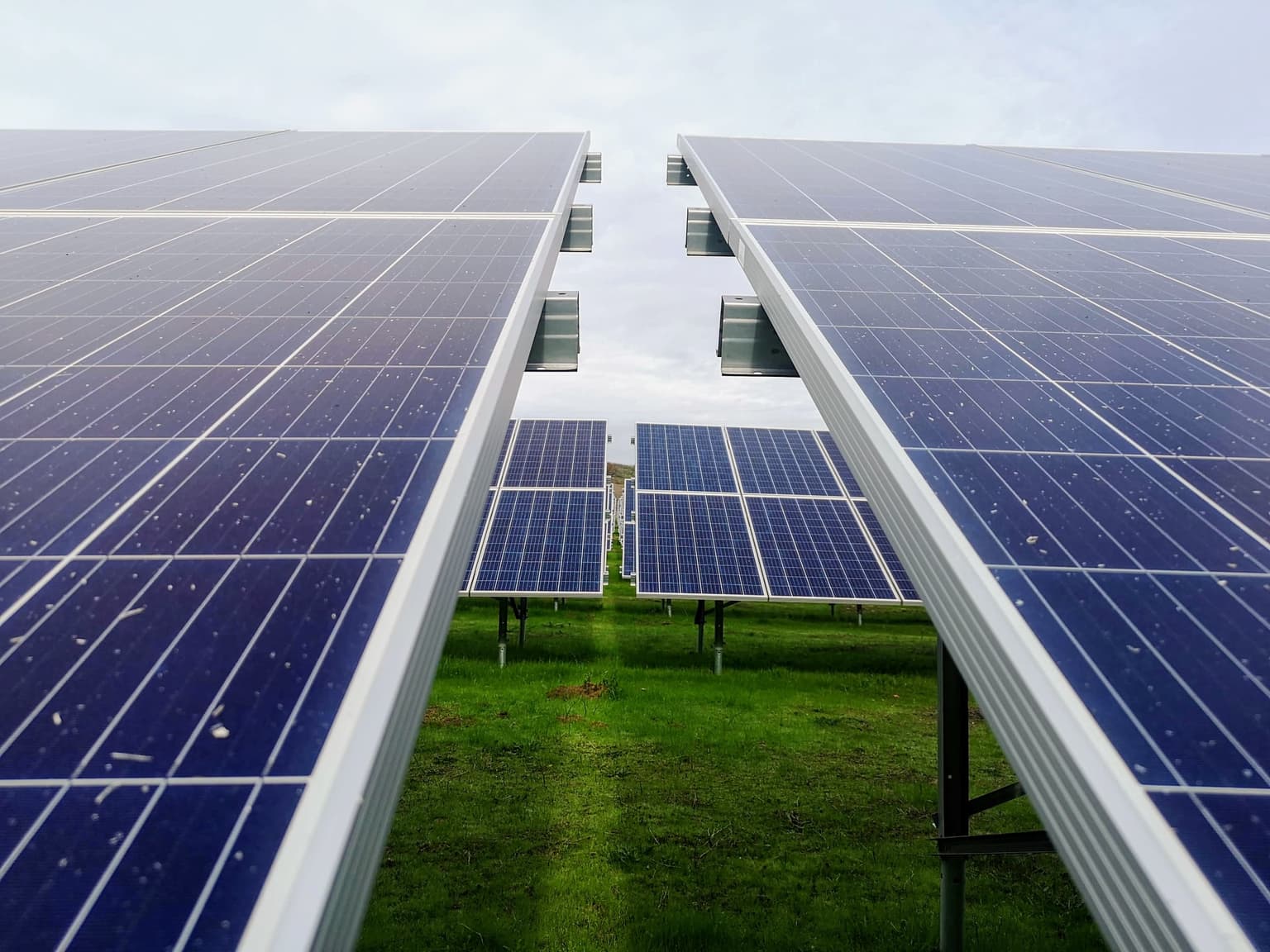
China accelerated the expansion of renewable energy sources (RES) last year, beating its own 2023 record for newly added installed capacity. As a result, total installed solar capacity rose by 45.2% year on year, while wind capacity increased by 18%. Despite the rapid expansion of RES, however, CO2 emissions in China rose by 0.8% year on year last year.
By the end of last year, China had 887 GW of solar power and 520 GW of wind power in operation. The country added 278 GW of new solar capacity and just under 80 GW of wind capacity last year. Reuters reported, citing China's National Energy Administration.
Read the full article HERE.
7. Wind farm protest: German region receives hundreds of thousands of objections
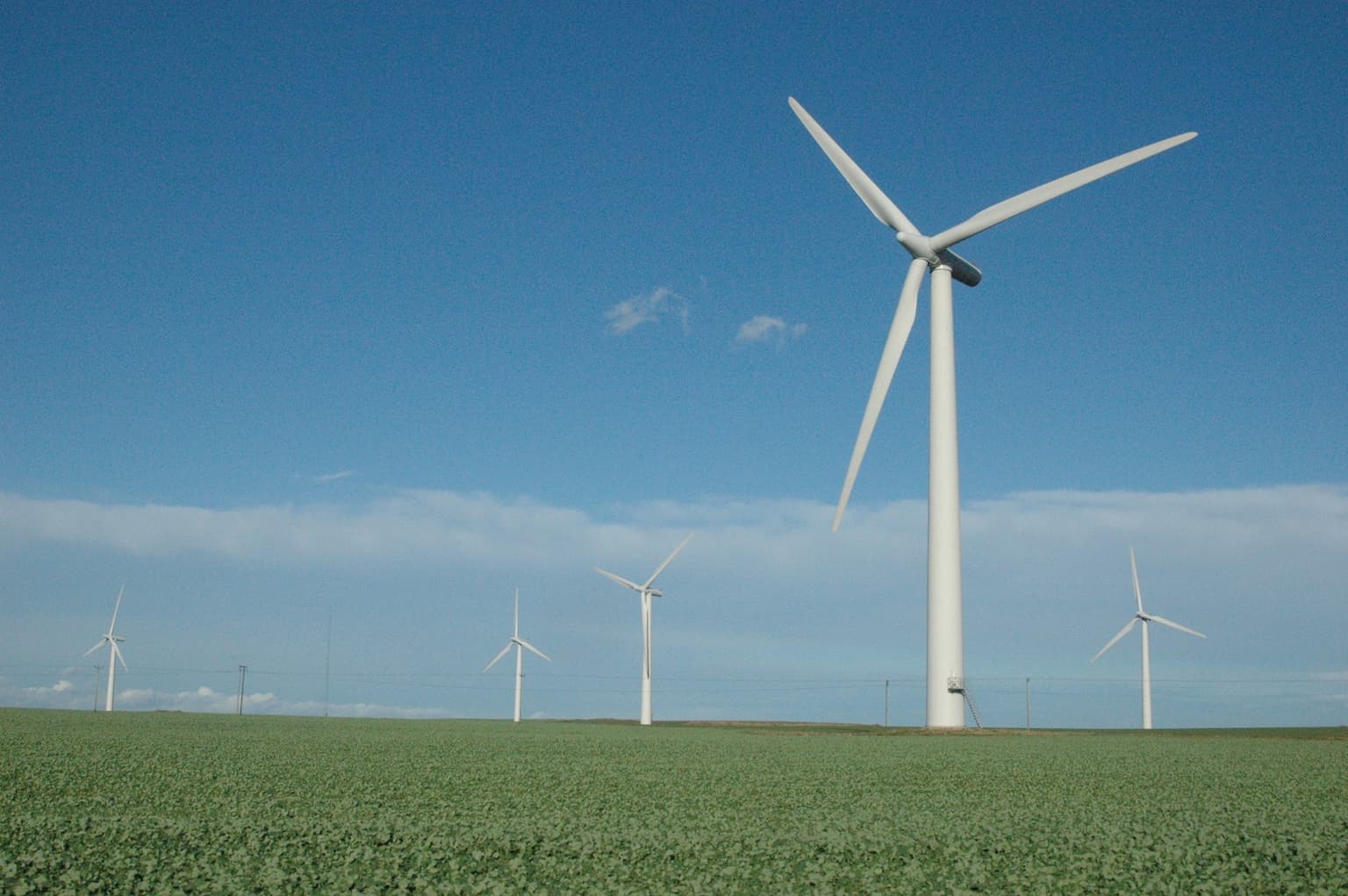
Hundreds of thousands of comments are delaying plans for wind farm development in the German region of Neckar-Alb. New figures show that only a few thousand residents are behind the objections.
The German region of Neckar-Alb, with a population of around 720,000, received 440,000 objections to plans for areas designated for wind farms. The sheer number of objections drew attention to the region from across Germany. An analysis of the objections found that only 6 660 people were behind the statements made by the “Gegenwind Neckar-Alb” citizens' initiative.
Read the full article HERE.
8. Slovakia’s Mochovce nuclear power plant plans to launch district heating within three years
Slovakia’s Mochovce nuclear power plant is expected to start supplying heat to the nearby town of Tlmače within three years. As part of the reconstruction of the central boiler house in the town, which has a population of around 3,500, biomass- and gas-fired boilers will be replaced. The power plant plans to supply more than 6 GWh of emissions-free heat to the town each year.
Slovenské elektrárne announced that, as part of efforts to make greater use of the Mochovce nuclear power plant, it would focus on supplying heat to the town of Tlmače. The project is at the stage of selecting a technical solution and assessing its economic feasibility.
Read the full article HERE.
9. Coal demand falls, North Bohemian Mines supplied 14 million tonnes to the market last year
Demand for lignite continues to decline. North Bohemian Mines supplied 14 million tonnes to the market last year, compared with 15.64 million tonnes the year before. The company is licensed to mine at Bílina, near Most, until 2030. It is not currently planning layoffs. This was told to the Czech News Agency (ČTK) by Lukáš Kopecký, spokesperson for North Bohemian Mines.
“Demand for coal products has been declining over the years as a result of ongoing decarbonisation and customers switching to other energy sources. We expect this trend to continue in the coming years,” Kopecký said.Read the full article HERE.
10. Trump halts new offshore wind farm projects, shares in European developers fall
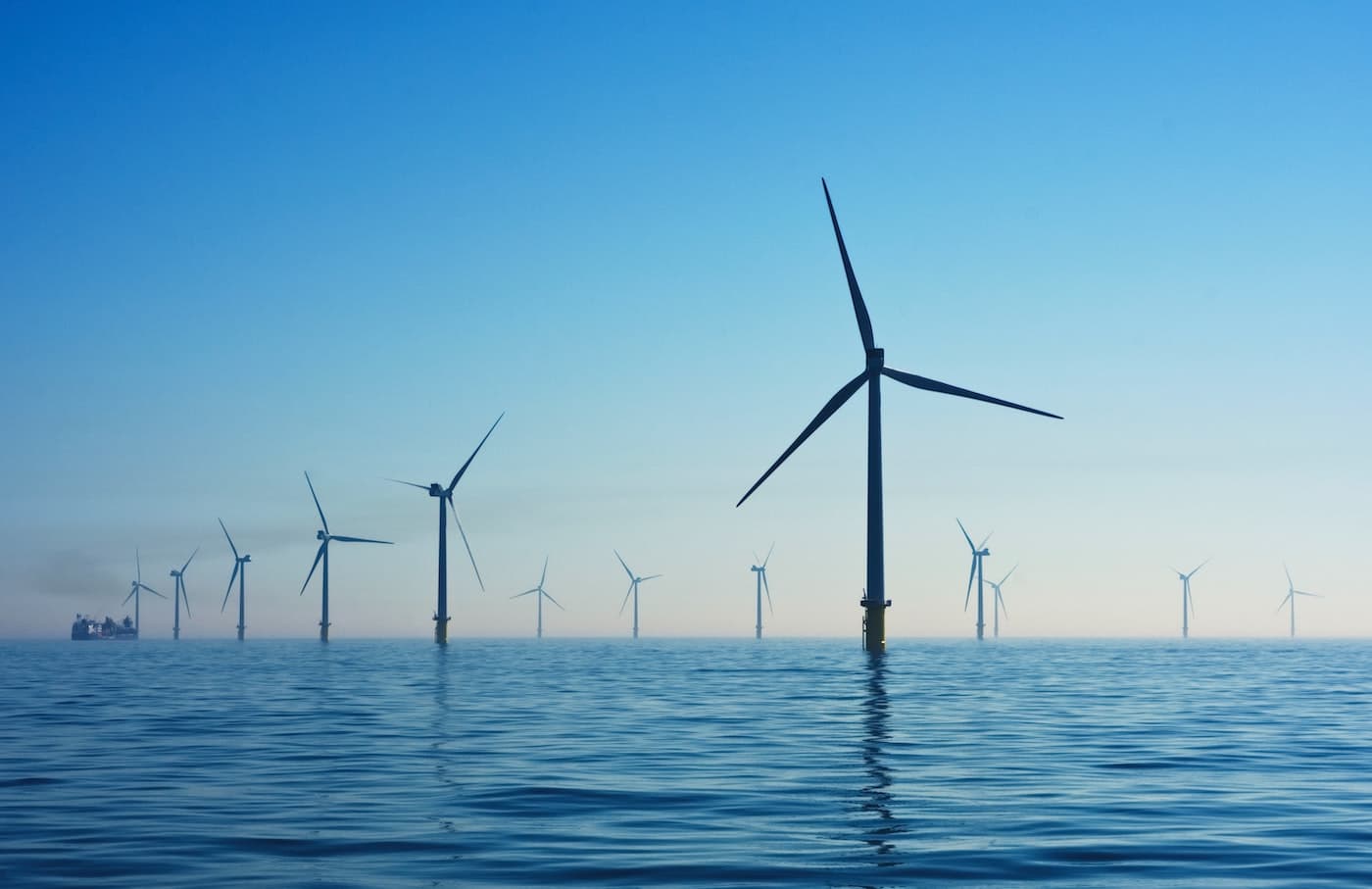
Donald Trump, who was inaugurated as president of the United States last week, was busy on his very first day in office. One of his first moves in his second term was to suspend leases for federal land for offshore wind farm construction. The move also affected European renewable energy project developers, whose shares fell in response.
The new US president, Donald Trump, has long been known for his support of the fossil fuel industry and his opposition to renewables. His first moves in office are therefore not particularly surprising, although their impact extends beyond the United States. Last Monday, Trump suspended the leasing of additional areas to offshore wind farm developers, saying, according to Reuters, that wind turbines are ugly, expensive and harmful to wildlife.
Read the full article HERE.Energostat: electricity generation in the Czech Republic
Data in this chart is also available in 15-minute resolution60min15minEnergostat: electricity generation in Germany
Data in this chart is also available in 15-minute resolution60min15minFind more up-to-date charts and data on Energostat
Translation disclaimer
This article is a machine translation of the Czech original and has not yet been fully reviewed. In case of any doubt, please refer to the Czech version.