27 October 2026, 10:17
Loading...
Top 10 energy stories from the past week
oEnergetice.cz
7 September 2025, 19:47

This week, we once again bring you a carefully selected list of the ten most important articles published on oEnergetice.cz. If you missed any of them, here is a selection of the stories that caught our readers’ attention most. Good luck in the new week!
1. China to launch nationwide emissions trading system

China plans to introduce absolute emissions limits for industry and some businesses. It intends to do so as part of a nationwide emissions trading system. Introducing absolute limits is new for China, which has so far used measures focused on emissions intensity, as reported by ESGNews.
The move signals the country’s transition to a fully functioning national carbon market, which is expected to be operational by the end of this decade and replace fragmented provincial systems. Absolute emissions limits will be applied to selected sectors from 2027, replacing the current system based on carbon intensity benchmarks. By 2030, an ETS based on absolute emissions-reduction targets is expected to be fully in place nationwide, replacing the patchwork of pilot systems launched after 2021.
Read the full article HERE.
2. German government approves measures to lower electricity prices
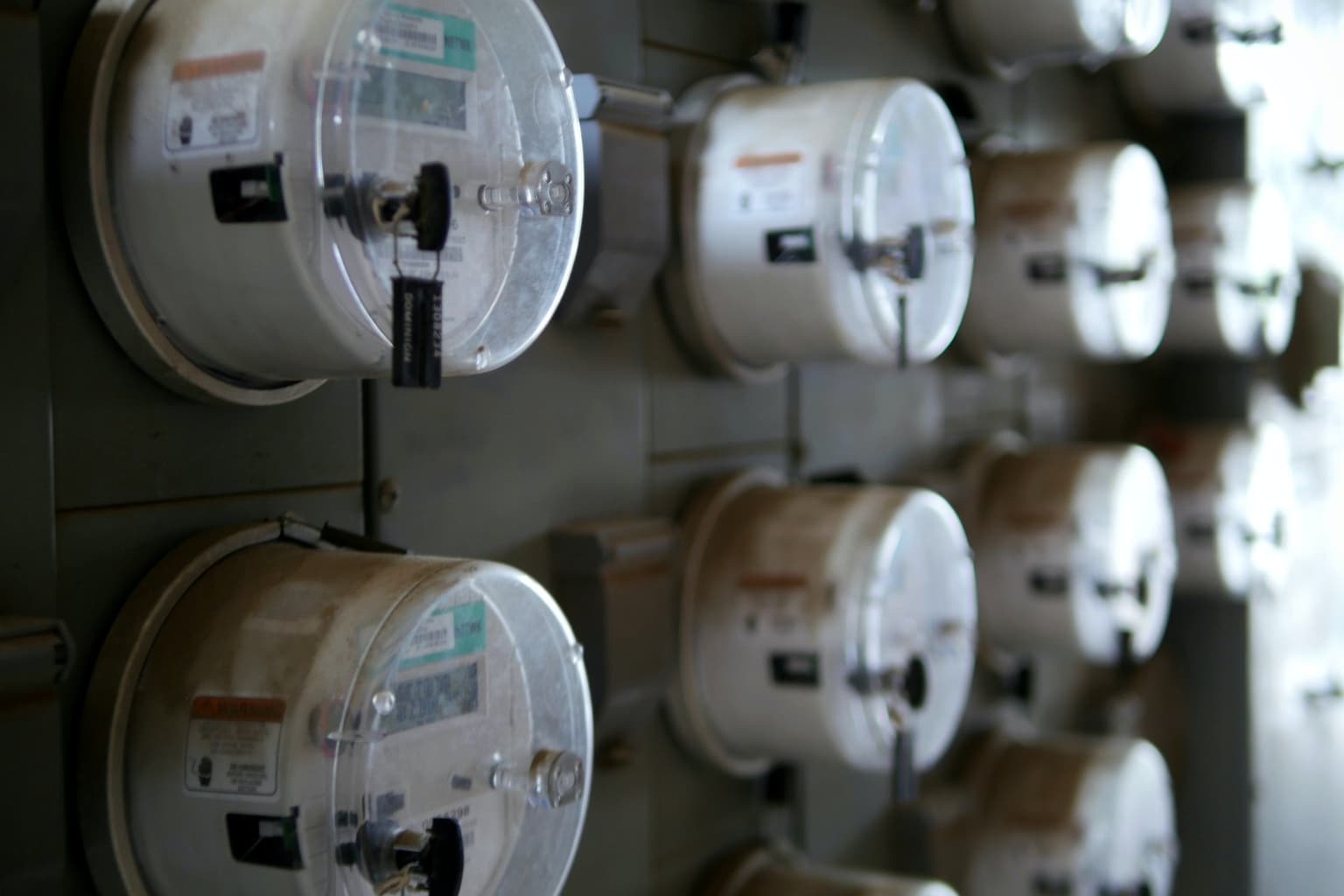
Berlin, 3 September (CTK) – The German government today approved a draft law to cut electricity grid connection charges and reduce electricity tax. Cabinet spokesperson Stefan Kornelius announced the decision at a press conference. The aim is to lower the final price of electricity, which is among the highest in Europe.
Households are also expected to benefit from the lower charges, while the electricity tax cut will apply only to businesses in manufacturing, agriculture and forestry. The coalition agreement between Chancellor Friedrich Merz’s conservative CDU/CSU alliance and the Social Democrats (SPD) originally pledged to cut electricity tax for everyone. After a protracted dispute, however, the parties in government eventually agreed that households would not benefit from the cut for the time being.
Read the full article HERE.
3. Franco-German energy agreement: new impetus for Czechia and the EU

Germany and France have agreed on a joint approach to shaping European energy policy. This is to include nuclear power as a low-carbon source. The move could bridge the two countries’ long-standing dispute over the role of nuclear power in Europe’s green transition. The agreement could also help Czechia move closer to carbon neutrality.
The two countries adopted a joint economic agenda that envisages a proposal for a new European energy policy by 2040. It is to be in line with the European Commission’s recommendation, which sets a target of reducing greenhouse gas emissions by 90% from 1990 levels by that year. The core principle is to be equal treatment of all technologies that can contribute to achieving climate neutrality. Alongside renewables, nuclear power and other low-carbon solutions will therefore also be recognised at the European level.
Read the full article HERE.
4. Continued coal mining at the Vršany mine near Most depends on government, miners say

It is currently unclear when coal mining at the Vršany open-pit mine in the Most region will end, according to the mining company. The operation will become unprofitable before replacement energy sources can be built. Petr Lenc, head of mining companies Severní energetická and Vršanská uhelná, told the Czech News Agency (CTK). The decision is up to the government, he said. Remediation work is continuing at the ČSA mine near Most and could be completed by 2027. Instead of the planned large lake, a smaller body of water is being created, and the miner will transfer the difference in revitalisation costs to the state. The Friends of the Earth movement welcomes the decision to leave part of the site to nature and is calling for the savings to go to municipalities.
Given high emissions allowance prices, brown coal production in the Most region is falling. “Above all, we need clear signals from our government about how long—or whether at all—the state wants us to keep certain energy sources or energy commodities, meaning coal, on standby,” Lenc said. The company is preparing to end mining. In May, following an agreement with state-controlled ČEZ, the government decided that mining at the Bílina brown coal mine would end in 2030. ČEZ CEO Daniel Beneš said at the time that this should also mark the end of coal-fired power generation in the Czech Republic. He said he expected it to be the last coal mine or open-pit mine to close.
Read the full article HERE.
5. Four municipalities in the Vysočina region call referendums on wind farms
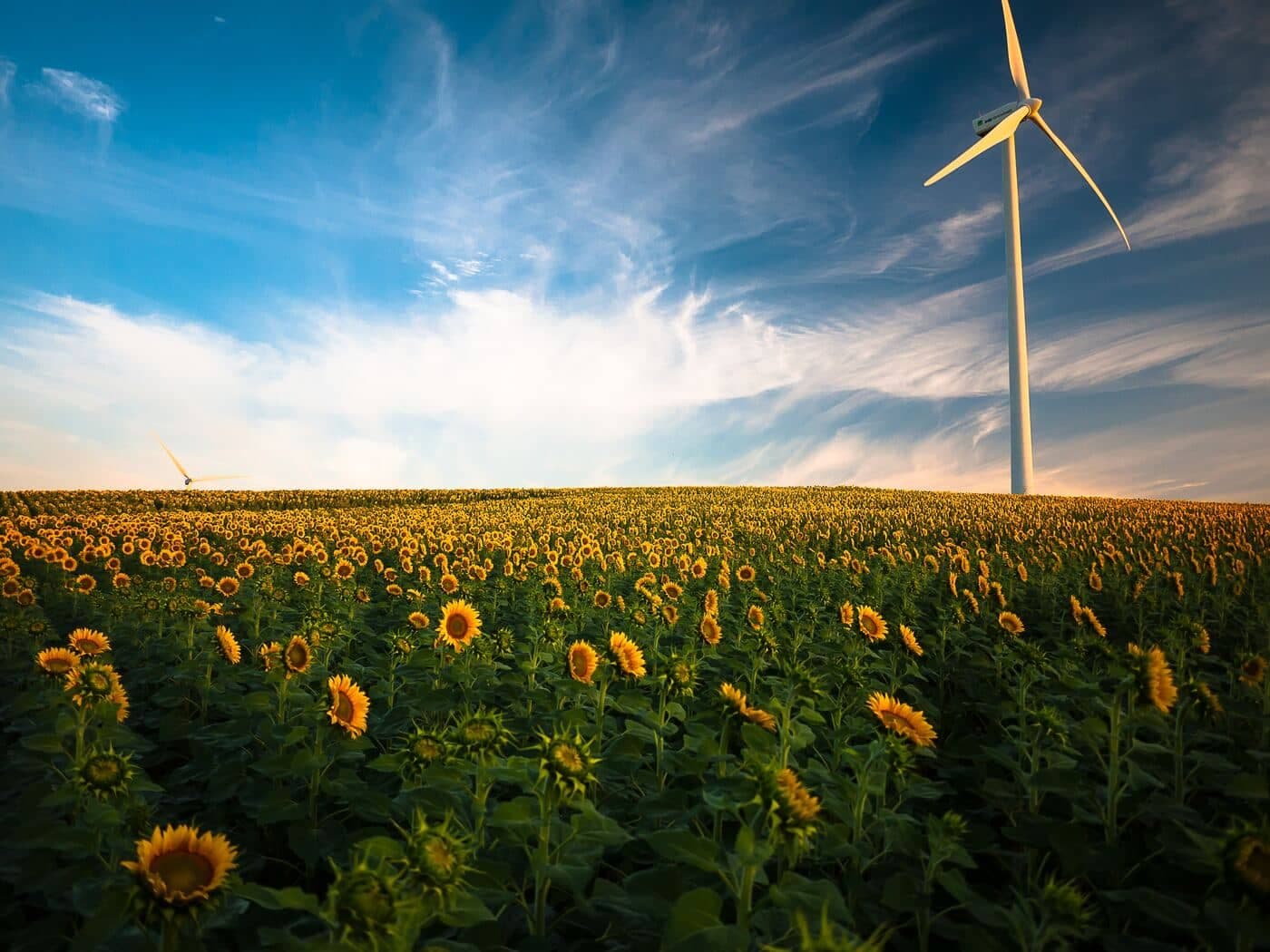
Some municipalities in the Vysočina region are preparing local referendums on plans to build wind farms, to be held alongside the parliamentary elections. Councils in Polná, Černovice, Věžnička and Menhartice have already called referendums for the election dates of 3 and 4 October. Councillors in Stonařov, in the Jihlava area, will consider a proposal from a referendum initiative committee on 17 September. The Czech News Agency (CTK) learned this from municipal representatives and the Interior Ministry’s website.
The initiative committee seeking to hold a referendum in Stonařov, which has 1,100 residents, submitted signature sheets to the municipal office in early July and subsequently clarified some details at its request. “We submitted signature sheets with around 360 signatures to the municipal office, which, according to our calculations, should meet the legal requirement for calling a referendum,” Michal Ryšavý of the initiative committee told CTK.
Read the full article HERE.
6. Plzeňská teplárenská commissions 30 MW, CZK 120 million electric boiler to use cheap power
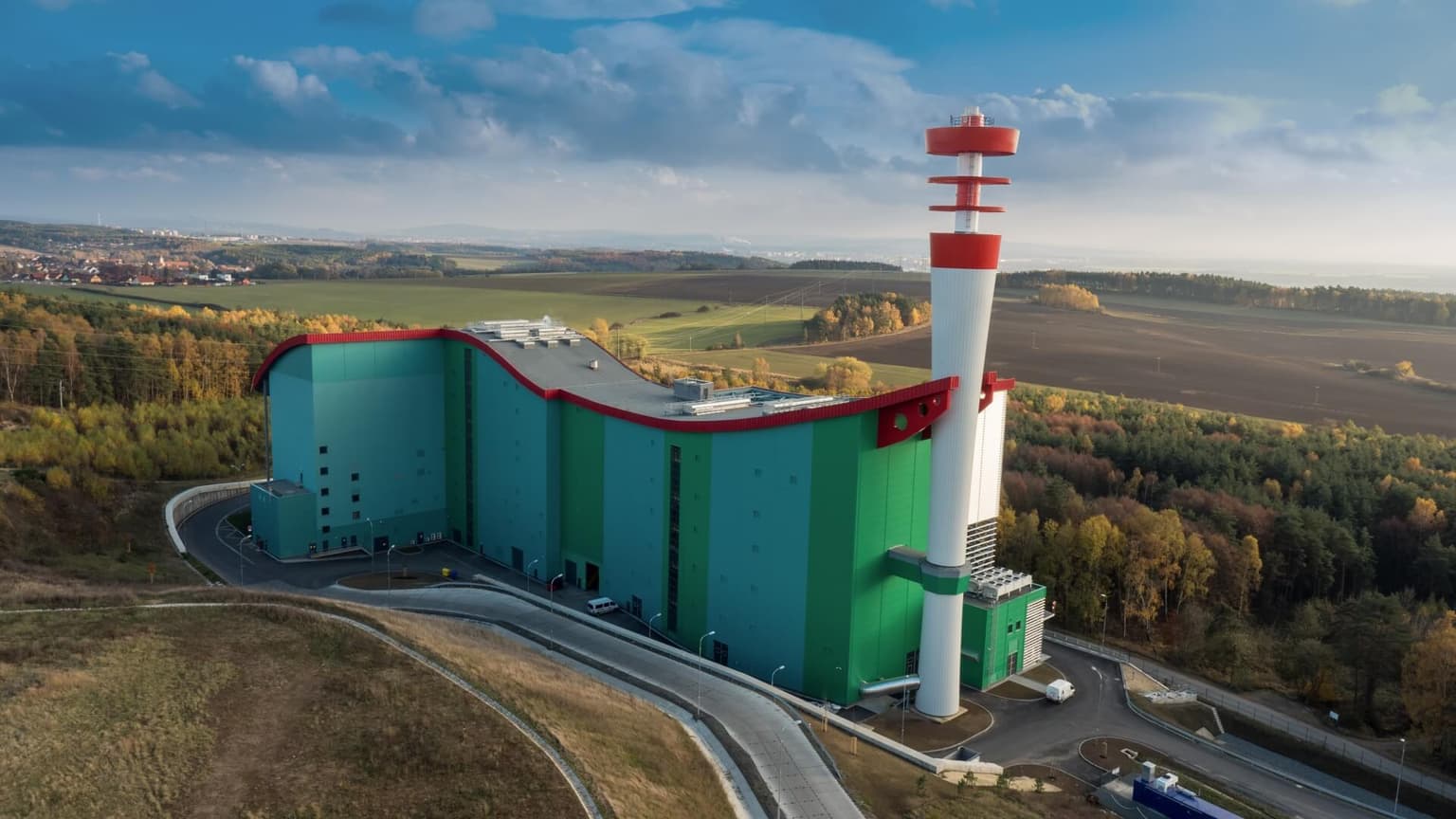
Plzeňská teplárenská, the largest heat supplier in western Czechia, has begun a six-month trial run of a new 30 MW electric boiler. The CZK 120 million project is connected to the steam technology at the company’s site in Doubravka. It is a response to increasingly frequent low or even negative electricity prices caused by a surplus of renewable generation, Václav Pašek, head of the company, told the Czech News Agency (CTK). The company is majority-owned by the city of Plzeň, with 35% owned by Daniel Křetínský’s EPH group.
“The electric boiler uses cheap electricity to produce heat, and we supply medium-pressure steam to the district heating system,” Pašek said.
Read the full article HERE.
7. Investment fund to build CZK 200 million battery storage facility near Olomouc

A battery storage facility worth CZK 200 million will be built near Olomouc. The 10-megawatt (MW) facility will help stabilise the electricity grid and generate revenue by trading electricity, whose price fluctuates throughout the day depending on demand and renewable generation. It will be built by the WATT & BUILD investment fund, part of the Axelor group. The group plans to bring the facility near Olomouc online in the first quarter of next year. Adam Šmákal, head of energy at Axelor, told the Czech News Agency (CTK) today.
Construction is due to start this autumn. “We are tendering for suppliers of batteries and other components while also finalising all the permits. Once the work itself is completed, the facility will go straight into operation,” Šmákal said. The fund is currently completing a similar 2.5 MW battery storage facility in Mydlovary, South Bohemia.
Read the full article HERE.
8. Fico: Slovakia wants to normalise ties with Russia and is increasing gas imports

Slovak Prime Minister Robert Fico said during a meeting with Vladimir Putin that Slovakia wants to normalise relations with Russia. According to Fico, Slovakia is also increasing its imports of natural gas via the TurkStream pipeline, the last active pipeline route for Russian gas deliveries to Europe. These steps, however, are not in line with EU policy, which plans to completely phase out imports of Russian energy commodities by the end of 2027.
Although the share of Russian gas in meeting the EU’s energy needs has fallen sharply in recent years, supplies continue via pipelines and by sea in liquefied form (LNG). Slovakia is one of the countries receiving gas that flows to Europe through the TurkStream pipeline.
Read the full article HERE.
9. Nuclear power plants generated a record amount of electricity last year

Annual electricity generation from nuclear power plants reached a record high last year. Nuclear reactors worldwide generated 2667 TWh, 7 TWh more than the previous record set in 2006. The annual capacity factor reached 83%. The vast majority of reactors commissioned over the past decade are in Asia, as are most of the units currently under construction. After a shift away from nuclear generation following the Fukushima accident in Japan, nuclear reactors are once again gaining ground as a stable, low-emissions source of electricity.
The World Nuclear Association published its World Nuclear Performance Report, analysing developments in the sector in 2024. Its main finding is that annual nuclear power generation worldwide has surpassed its previous record. Last year, the 2006 record of 2660 TWh was exceeded by 7 TWh, 18 years later.
Read the full article HERE.
10. China commissioned 21 GW of coal-fired power plants in the first half, the most since 2016

China brought 21 GW of new coal-fired power plants online in the first half of this year, the highest figure for that period since 2016. Researchers at the Finnish Centre for Research on Energy and Clean Air (CREA) said the figures resulted from an increase in permits for new coal-fired capacity in 2022-2023. The international news agency Reuters reported.
The strong first half of the year for new coal-fired power plants in China foreshadows further developments in 2025. According to the China Electricity Council’s outlook, up to 80 GW of new coal-fired capacity could be brought online this year, which would be the highest figure in the past 10 years.
Read the full article HERE.
Energostat: electricity generation in the Czech Republic
Data in this chart is also available in 15-minute resolution60min15min
Energostat: electricity generation in Germany
Data in this chart is also available in 15-minute resolution60min15min
Find more up-to-date charts and data on Energostat
Translation disclaimer
This article is a machine translation of the Czech original and has not yet been fully reviewed. In case of any doubt, please refer to the Czech version.
Sdílejte článek prostřednictvím:
Topics:Energy Weekly
You might also like
27 October 2026, 06:15
26 October 2026, 19:59

26 October 2026, 14:24