26 October 2026, 19:59
Loading...
Top 10 energy stories from the past week
oEnergetice.cz
21 December 2025, 21:00

This week, we once again bring you a carefully selected list of the ten most important articles published on oEnergetice.cz. If you missed any of them, here is a selection of the articles that attracted the most interest from our readers. Best of luck in the week ahead!
1. Kladno without coal-fired heat: What does the plant’s closure mean for residents?

Kladno heating plant, part of the Sev.en Česká energie group, has announced that alongside electricity generation, it will also end heat production, which the plant supplies to customers in Kladno through TEPO. Operations based on coal combustion will cease by March 2027 at the latest, with major implications for the city’s heat supply.
According to the plant’s management, the reason is clear: operations are not economically sustainable because of rising carbon allowance prices, persistently low electricity prices and unfavorable supply contract terms.
Read the full article HERE.
2. Government approves shifting all support scheme costs to the state, lowering electricity prices
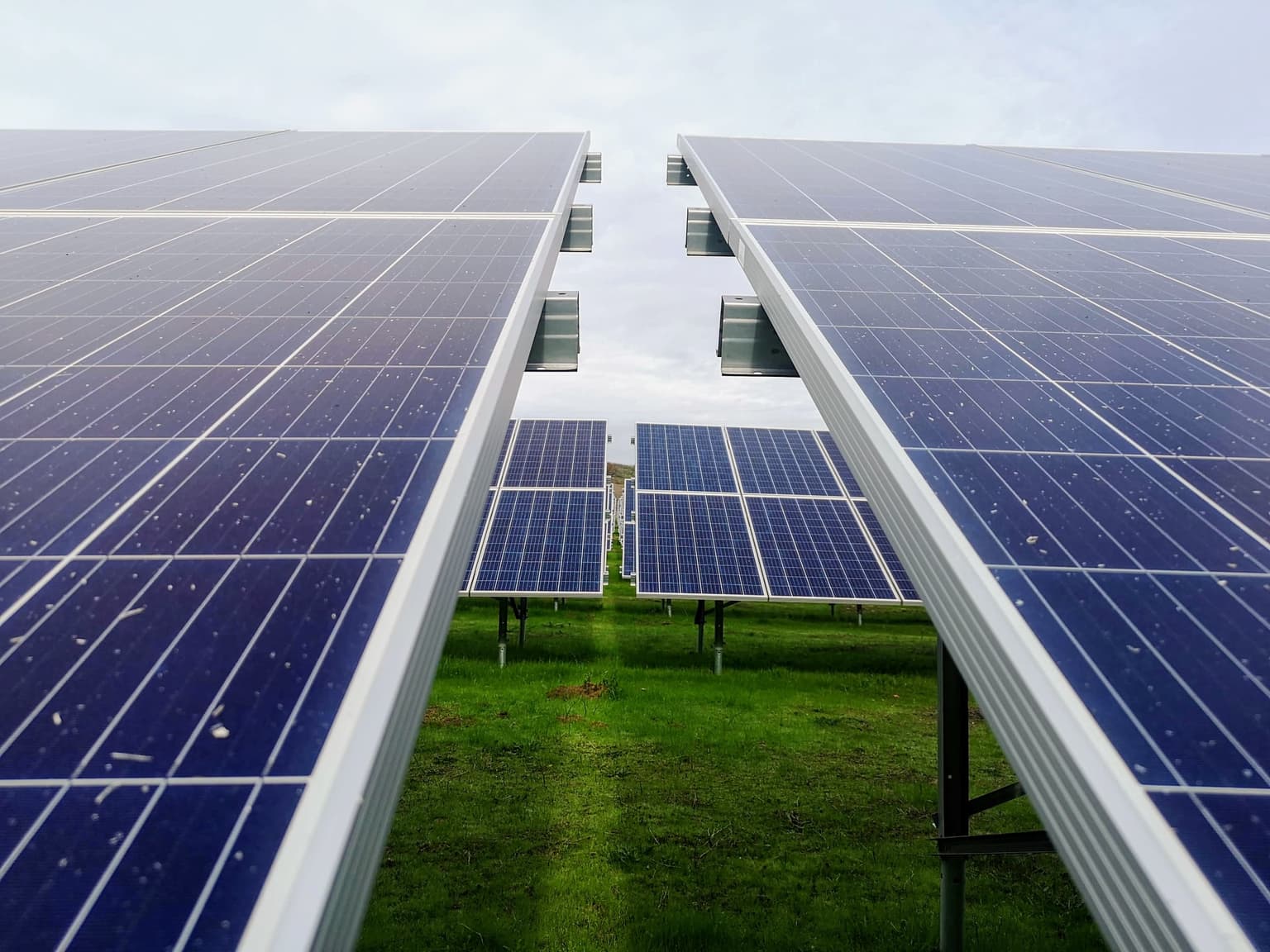
Next year, the state will take over all funding for supported energy sources (POZE). This will add around 17 billion Kč to the 2026 state budget, bringing total state spending on the charges to more than 41 billion Kč. The ANO, SPD and Motorists government approved the move today, aiming to reduce regulated electricity prices. Compared with this year, the measure should cut the regulated component of energy bills by more than 15 percent for households, and by even more for businesses. Industry and Trade Minister Karel Havlíček (ANO) said this at a press conference after today’s cabinet meeting. POZE funding has so far been shared between the state and consumers.
Most consumers should therefore save on electricity next year compared with this year. In addition to the regulated component of the electricity price, the component set by suppliers is also gradually falling.
Read the full article HERE.
3. Distributors have received thousands of applications to connect standalone batteries to the grid

Energy companies are seeing strong interest in connecting standalone battery storage systems to the grid. Since September, they have received thousands of applications to connect storage facilities with a total capacity of hundreds of gigawatt-hours (GWh). Industry representatives say most applications come from just a handful of entities. They are therefore looking for ways to distinguish speculative applications with no real project behind them from genuine ones. This is according to comments from the Czech Association for Energy Storage AKU-BAT CZ and data from domestic distributors.
"This is partly the result of investment mania based on historical data, when revenues from providing balancing services were very high. This often made it possible to recoup an investment within just two years. But with supply growing and these services becoming available from abroad, revenues are falling significantly, and many investments may no longer pay off," said Martin Panáč, chairman of the board of AKU-BAT CZ.
Read the full article HERE.
4. Battle for Lukoil assets reaches its climax. Saudi firm likely to acquire vast portfolio
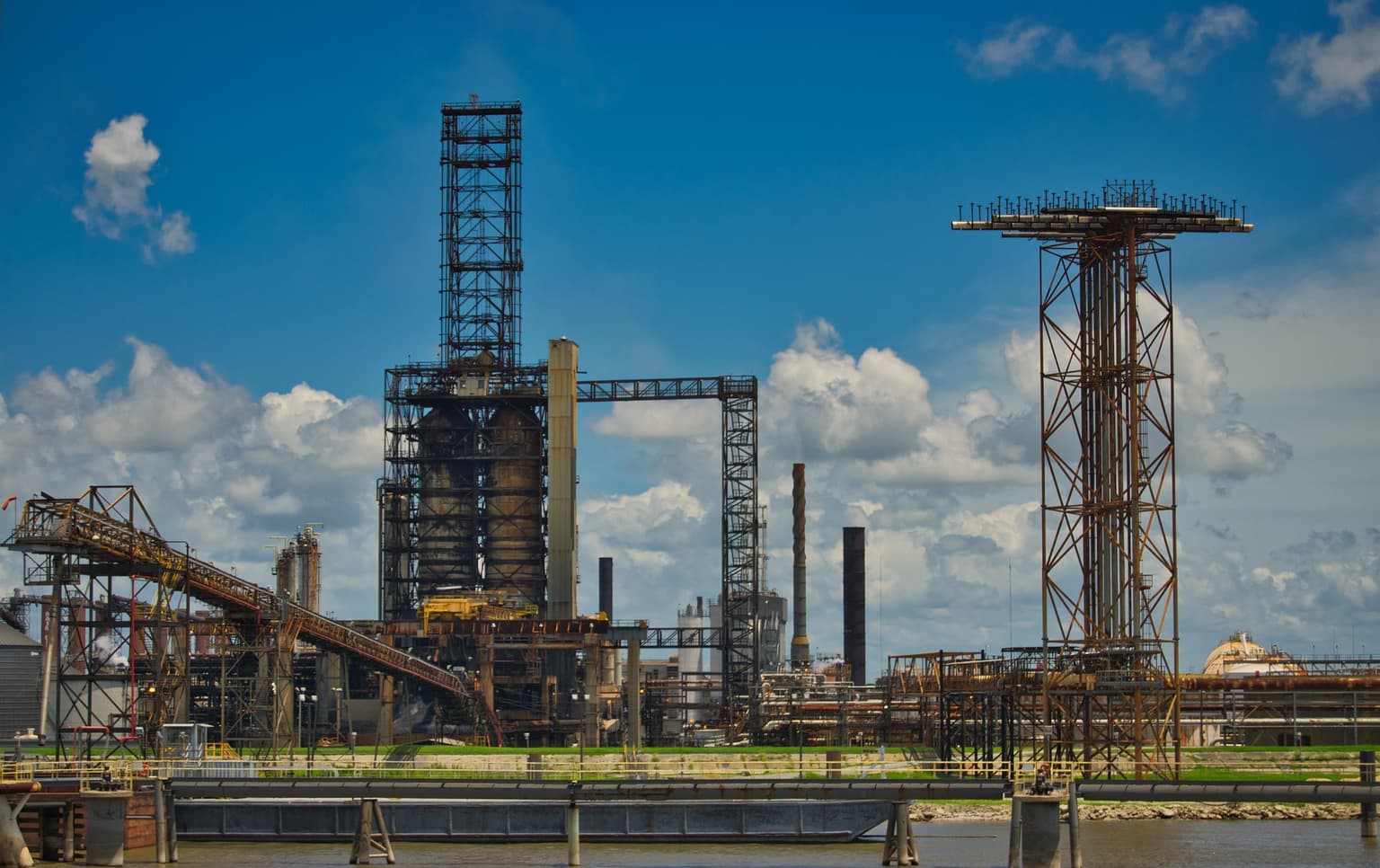
The sale of Russian oil group Lukoil’s foreign assets is nearing its conclusion. The portfolio, worth around 22 billion dollars and attracting a wide range of interested buyers, is likely to be acquired by Saudi Arabia’s Midad Energy. The sale covers oil fields, refineries and petrol stations across Europe, the Middle East and Central Asia.
Lukoil’s decision to divest its foreign assets is a direct consequence of sanctions that the United States imposed on Russia’s energy sector in October. The measures targeted Russia’s largest oil producers, including Lukoil and Rosneft, to increase pressure on Moscow over the war in Ukraine. Shortly afterward, Lukoil announced that it had begun reviewing bids for the sale of its international operations.
Read the full article HERE.
5. Flamanville 3 reaches full power for the first time
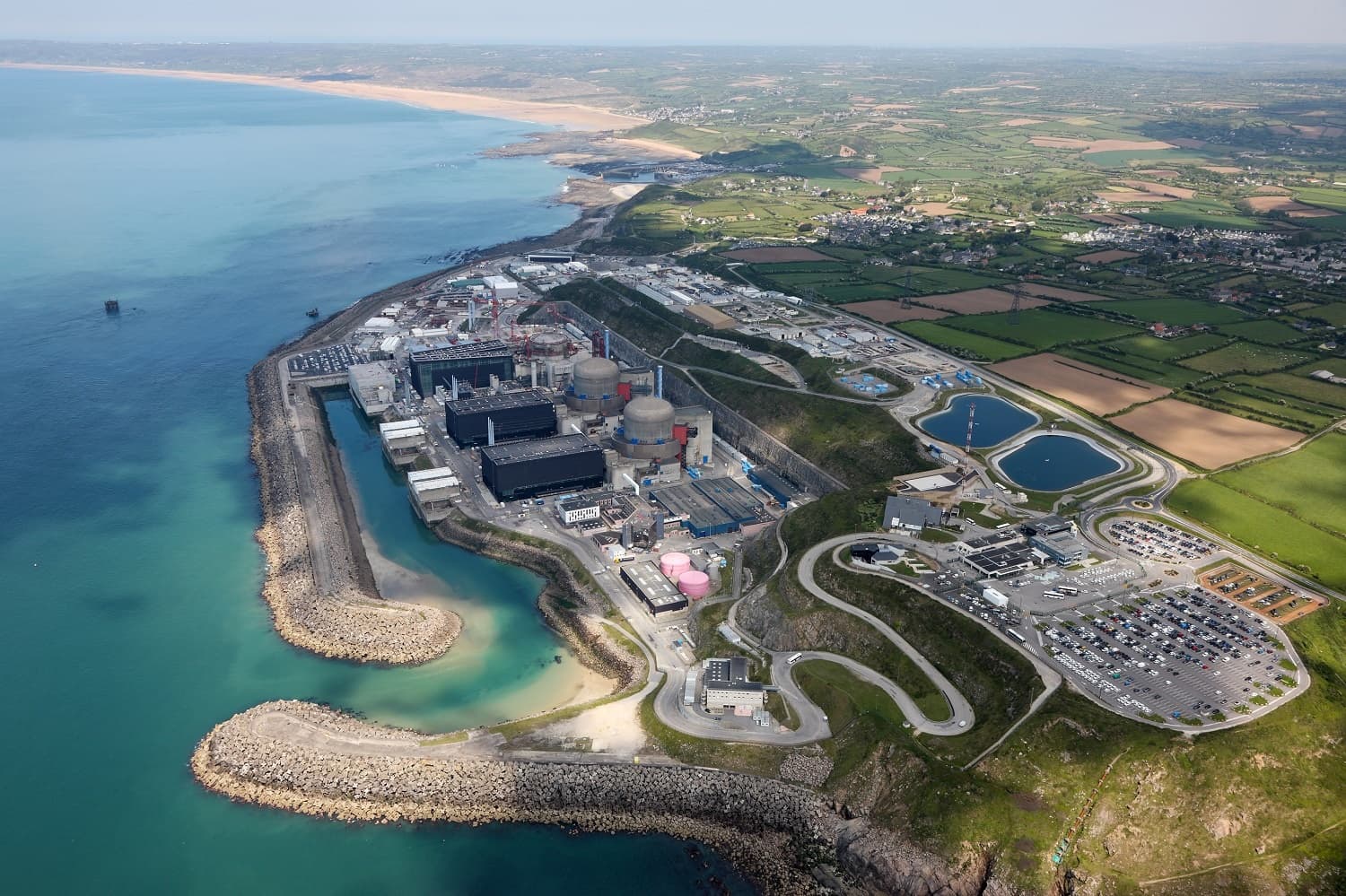
France’s Nuclear Safety and Radiation Protection Authority (Autorité de Sûreté Nucléaire et de Radioprotection, ASNR) has approved raising the output of the Flamanville 3 unit above 80% of its rated capacity. At 11:37 on Sunday, 14.12.2025, the unit reached 100% power for the first time.
Flamanville 3 is an EPR pressurized water reactor with an electrical output of 1650 MWe. ASNR approved the start of the unit’s power ramp-up in May 2024. This was followed by fuel loading and the reactor’s commissioning, which began in September 2024.
Read the full article HERE.
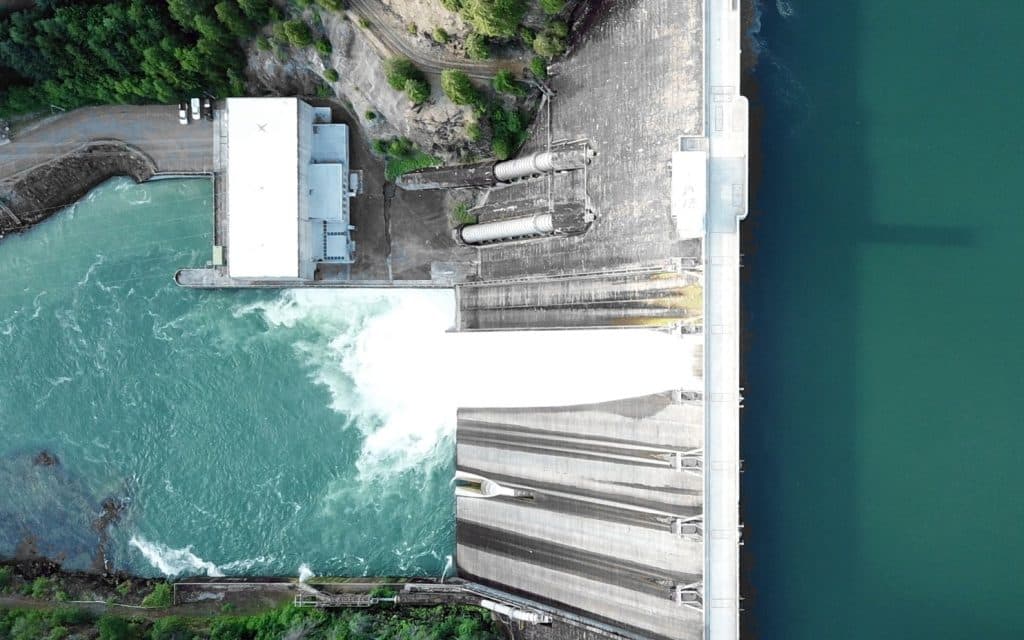
6. ČEZ completes 840 million Kč upgrade of Dlouhé stráně hydropower plant

ČEZ Group has completed a two-year upgrade of the Dlouhé stráně pumped-storage hydropower plant in the Šumperk region, investing 840 million Kč. After a successful 72-hour trial run, the plant’s units returned to normal operation. The upgrade will improve safety and extend the service life of the pumped-storage plant, which is important for stabilizing the Czech energy system. ČEZ Group spokesperson Vladislav Sobol told the Czech News Agency today.
During the upgrade, technicians focused mainly on renewing key parts of the turbine-generator units, which have been in service for almost 30 years. "Last year and this year, we gradually replaced the stator windings and realigned both units. We also modified the spherical valve, upgraded the control system hardware, modernized the excitation system, repaired the hydraulic motors and continued the internal coating work on the water conduits from the upper reservoir to the turbine," said Róbert Heczko, head of ČEZ’s hydropower plants.
Read the full article HERE.
7. European Commission proposes scrapping ban on sales of new cars with combustion engines

The European Commission wants to abandon its current plan to ban sales of new cars with combustion engines from 2035. The move comes in response to strong pressure, particularly from Germany. While some member states and manufacturers say flexibility is needed, others warn that it would be a step backward for climate protection and create uncertainty for electric vehicle makers. European consumers are moving away from combustion engines, but most often opt for a compromise in the form of hybrids.
In an interview published on Euroactiv at the beginning of December, European Commission transport spokesperson Anna-Kaisa Itkonen confirmed that the ban on sales of new cars with combustion engines from 2035 remains in force. The transition to zero-emission mobility is seen as key to Europe’s competitiveness.
Read the full article HERE.
8. Germany needs a plan to phase out gas and oil, government advisers say
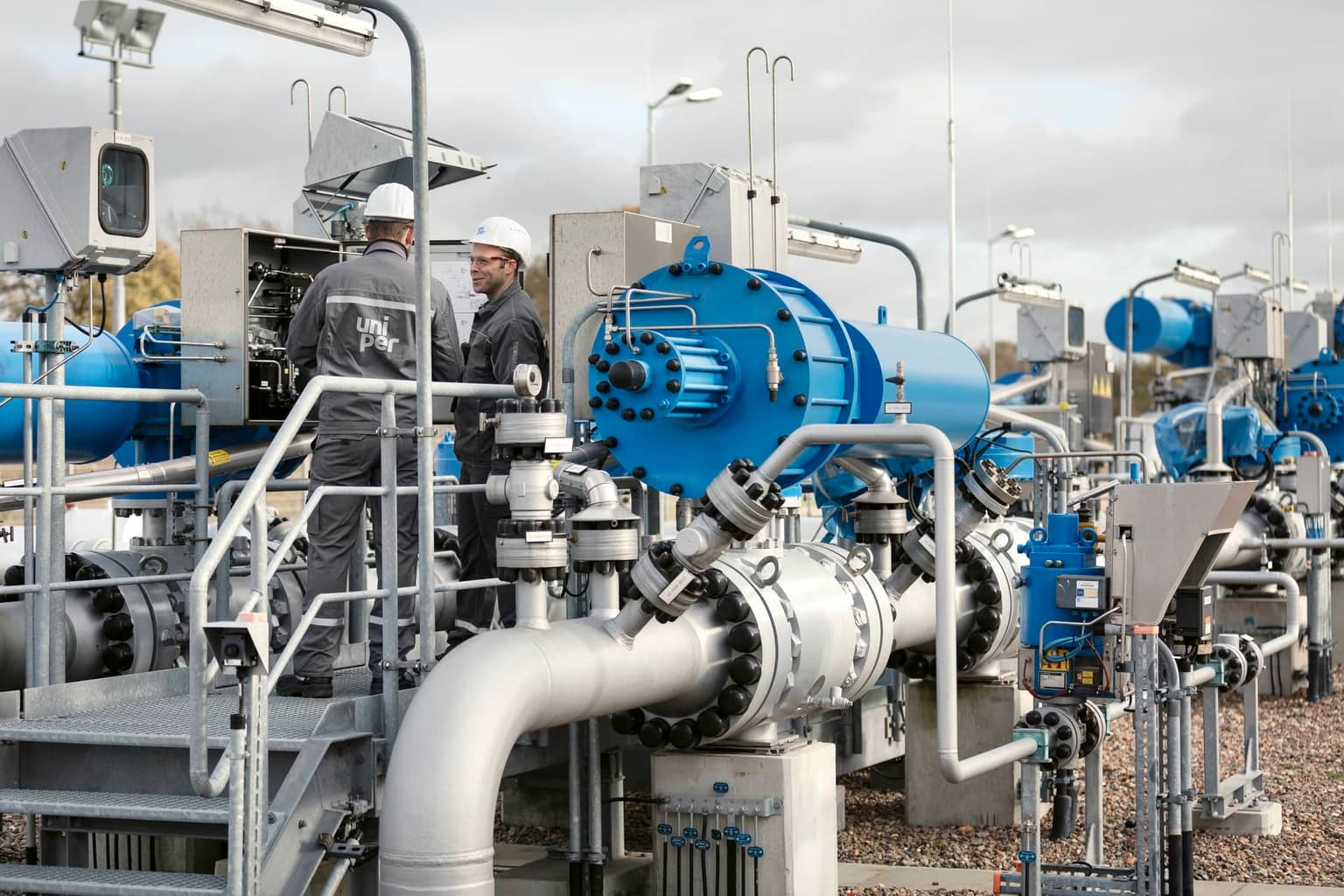
Germany lacks a strategy for phasing out natural gas and oil, warns a government expert commission tasked with monitoring the energy transition. While the phase-out of coal is on track, according to the advisers, there are no binding milestones or mechanisms for a managed reduction in gas and oil consumption. Unless the government presents a specific plan soon, experts say the transition could lead to economic losses, infrastructure problems and risks to the reliability of energy supplies during decarbonization.
In its new report, the German government’s independent expert commission on monitoring the energy transition warns that while the move away from coal is enshrined in legislation and progressing as planned, there is no strategy at all for gradually phasing out natural gas and oil. The commission says the government must urgently develop phase-out scenarios for both energy sources, or the energy transition will be uncoordinated and exposed to significant risks.
Read the full article HERE.
9. EU seeks to change carbon border rules, making it easier for non-EU countries to export electricity

The European Commission is reportedly preparing changes to its Carbon Border Adjustment Mechanism (CBAM) to address uncertainties surrounding electricity imports from non-EU countries. The carbon border system has been in its transitional phase for several years and is due to become fully operational next year. The changes could resolve potential electricity exporters’ concerns about how the carbon intensity of imported electricity is calculated.
The EU’s carbon border system has raised concerns about its impact for several years, particularly in the case of electricity imports. Under the current rules, the carbon footprint of electricity imported from non-EU countries would be calculated using the average values of those countries’ electricity mixes. This has raised concerns that coal-fired electricity imports could paradoxically be cheaper than imports from renewable sources (RES).
Read the full article HERE.
10. European gas market is vulnerable: North Sea attack could trigger price shock
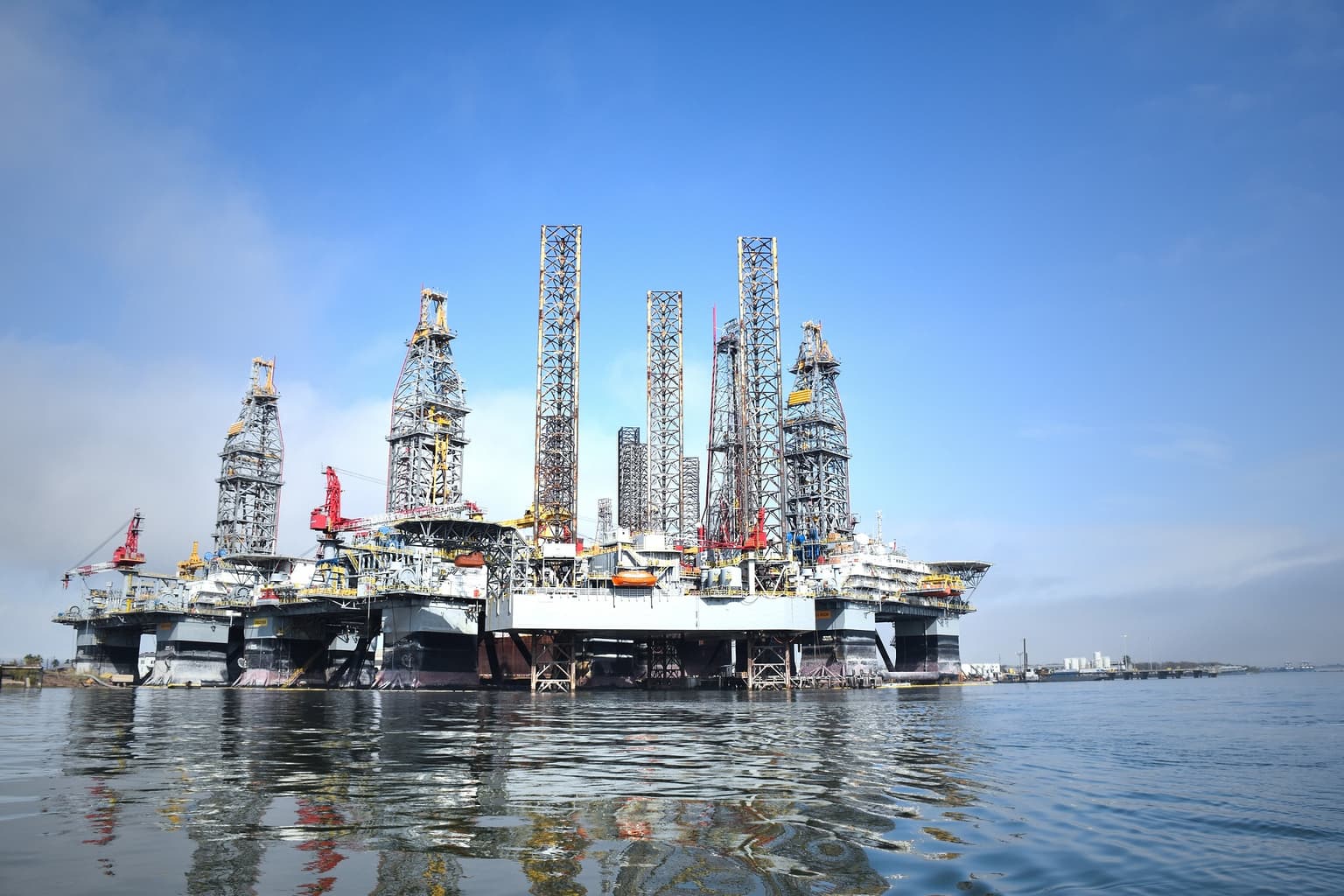
European natural gas supplies remain vulnerable to security risks even two years after the energy crisis. Analysts warn that a potential attack on Norwegian gas infrastructure could trigger a sharp rise in prices and destabilize a market currently heavily positioned for a decline. A combination of large speculative short positions, lower storage levels and geopolitical uncertainty increases systemic risk for the winter season, they say.
According to analysts, North Sea gas infrastructure in Europe is highly vulnerable to targeted attacks. Norway supplies around 30% of the European Union’s natural gas. Any disruption would have an immediate impact on prices and market stability, said Nadia Martin Wiggen, director of UK investment firm Svelland Capital, during a webinar hosted by Montel.
Read the full article HERE.
Opinion
Will e-fuels really save us?

The run-up to Christmas sometimes brings pleasant surprises. The European Commission is slowly beginning to reconsider its position on the ban on combustion engines. MEP Zdechovský writes.
The article is full of words such as "dictatorship" and "ban on combustion-engine cars"; the author calls a Commission member an "ultra-green fanatic." Yet this article, like his other statements on electromobility, offers no context for the issue. So let’s briefly look at why this subject is being debated at all and whether a possible amendment to the directives for the automotive sector would really be so significant.
Read the full article HERE.
Energostat: electricity generation in the Czech Republic
Data in this chart is also available in 15-minute resolution60min15min
Energostat: electricity generation in Germany
Data in this chart is also available in 15-minute resolution60min15min
Find more up-to-date charts and data on Energostat
Translation disclaimer
This article is a machine translation of the Czech original and has not yet been fully reviewed. In case of any doubt, please refer to the Czech version.
Sdílejte článek prostřednictvím:
Topics:Energy Weekly
You might also like

26 October 2026, 14:24