26 October 2026, 19:59
Loading...
Top 10 energy stories from the past week
oEnergetice.cz
18 January 2026, 21:16

This week, we once again bring you a carefully selected list of the ten most important articles published on oEnergetice.cz. If you missed any of them, here is a selection of the stories that attracted the most interest from our readers. Good luck in the new week!
1. Preparations for Poland’s first nuclear power plant continue
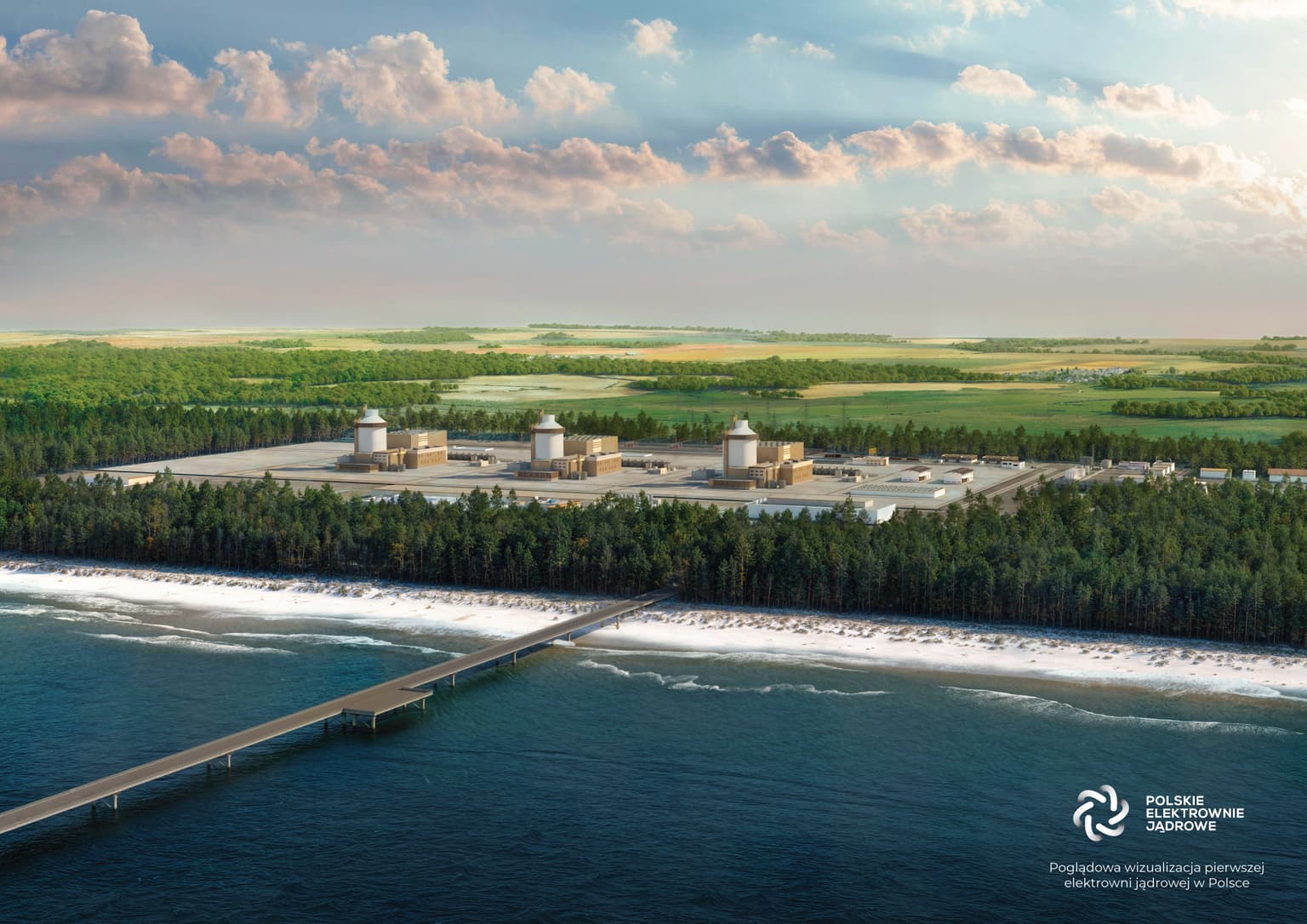
Polskie Elektrownie Jądrowe (PEJ) has signed an amendment to the Engineering Development Agreement (EDA) with the Westinghouse–Bechtel consortium. The amendment enables the next phase of work on the project to build Poland’s first nuclear power plant.
In November 2022, the then Polish government selected Westinghouse’s AP1000 reactor technology for construction at the Lubiatowo-Kopalino site (Pomerania, northern Poland). The project calls for a power plant with three AP1000 units.
Read the full article HERE.
2. German chancellor: Nuclear phase-out was a major strategic mistake

German Chancellor Friedrich Merz described the nuclear phase-out as a “major strategic mistake” in a speech to the German Chamber of Commerce and Industry in Dessau. The video was posted by Clash Report on its X account. Bringing nuclear power plants back online, along with high electricity prices, is a topic for the current government.
More than 60 years after the first nuclear reactor began operating, Germany shut down its last operating nuclear power plants in April 2023. At the time, the country’s three nuclear power plants accounted for just 5% of electricity generation. This milestone marked the end of a phase-out that had lasted more than two decades and was launched by the federal government under then Chancellor Angela Merkel.
Read the full article HERE.
3. Can Venezuelan oil replace Canadian oil in the US?

Following the abduction of President Nicolás Maduro from the country, speculation has emerged that the United States is preparing to resume imports of Venezuelan oil to reduce its dependence on Canadian supplies. The heavy crude found in Venezuela’s oil fields is a direct competitor to the oil produced by Canada. But is it really that simple to replace Canadian oil with Venezuelan crude?
US imports of oil from Canada surpassed imports from Venezuela in 1999, shortly after Hugo Chávez was elected president and began introducing measures that led to a sharp decline in Venezuelan oil production. Since then, the volume of Venezuelan oil flowing into the US has gradually fallen from an initial 60 million barrels a month to just 4 million barrels at the end of 2025. The exception was the period from 2019 to 2023, when US sanctions on Venezuelan oil meant that the South American country exported no oil to the United States.
Read the full article HERE.
4. Sub-Saharan Africa is expanding its LNG export capacity
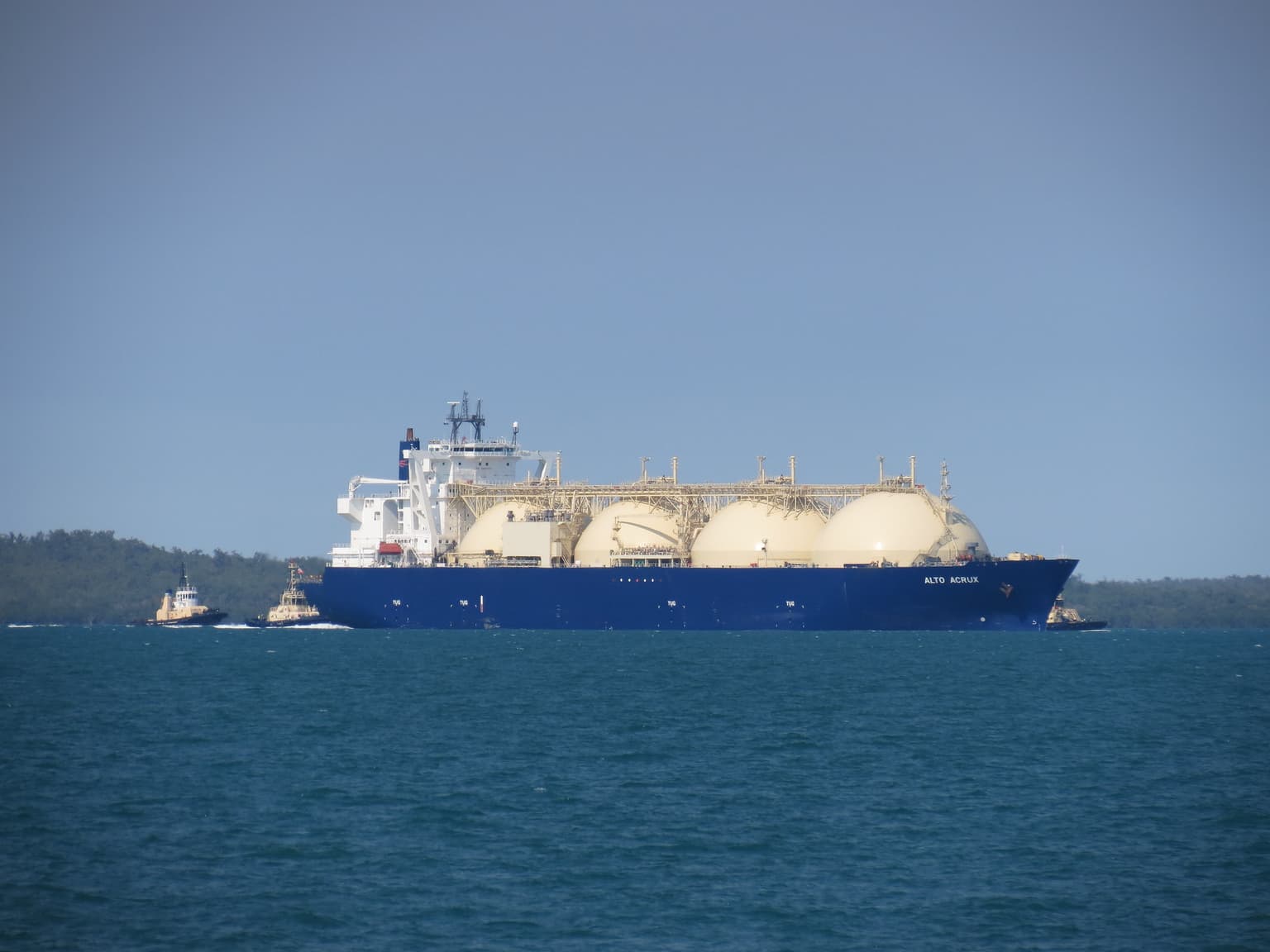
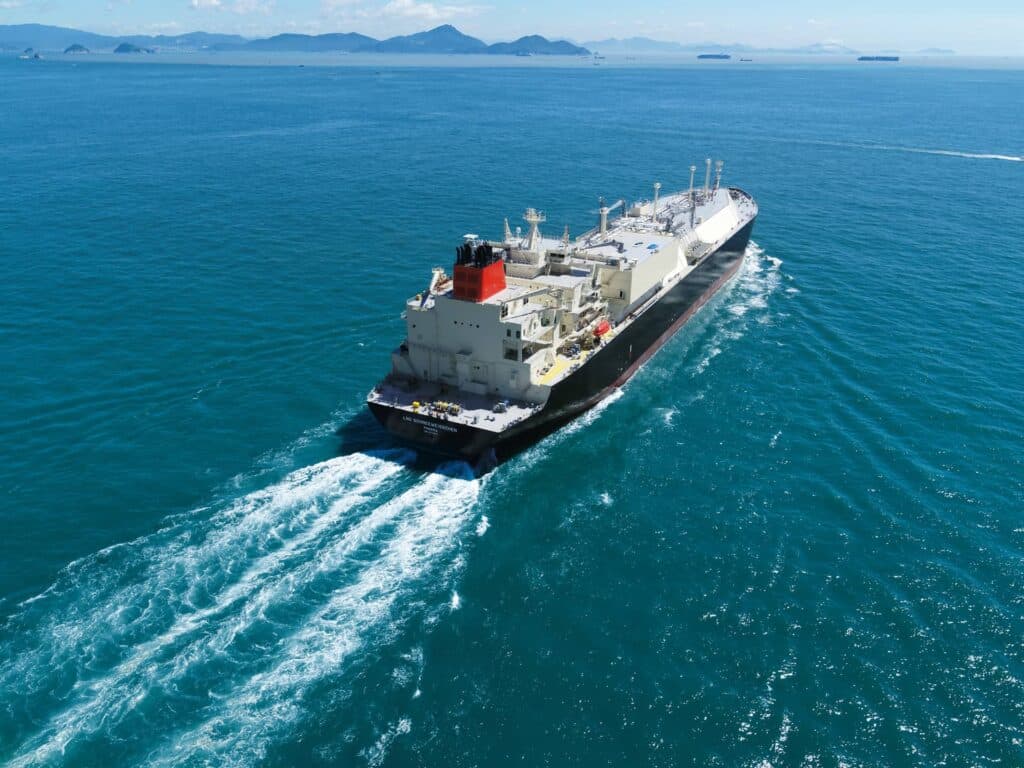
The centre of gravity in the global liquefied natural gas trade is gradually shifting. While traditional African gas hubs in North Africa, especially Egypt and Algeria, remain important suppliers, an increasing share of new LNG capacity is being developed south of the Sahara. A substantial portion of additional volumes for the global market, and particularly for Europe, is expected to come from there over the next decade, writes Oilprice.
According to available estimates, LNG exports from Sub-Saharan Africa could rise by around 175% by 2034, from just under 36 billion cubic metres in 2024 to approximately 98 billion cubic metres a year. In absolute terms, this is not enough to make the region dominant over others, but it is a significant increase that is gradually changing the balance of power in the market.
Read the full article HERE.
5. EDF estimates the cost of six new French nuclear units
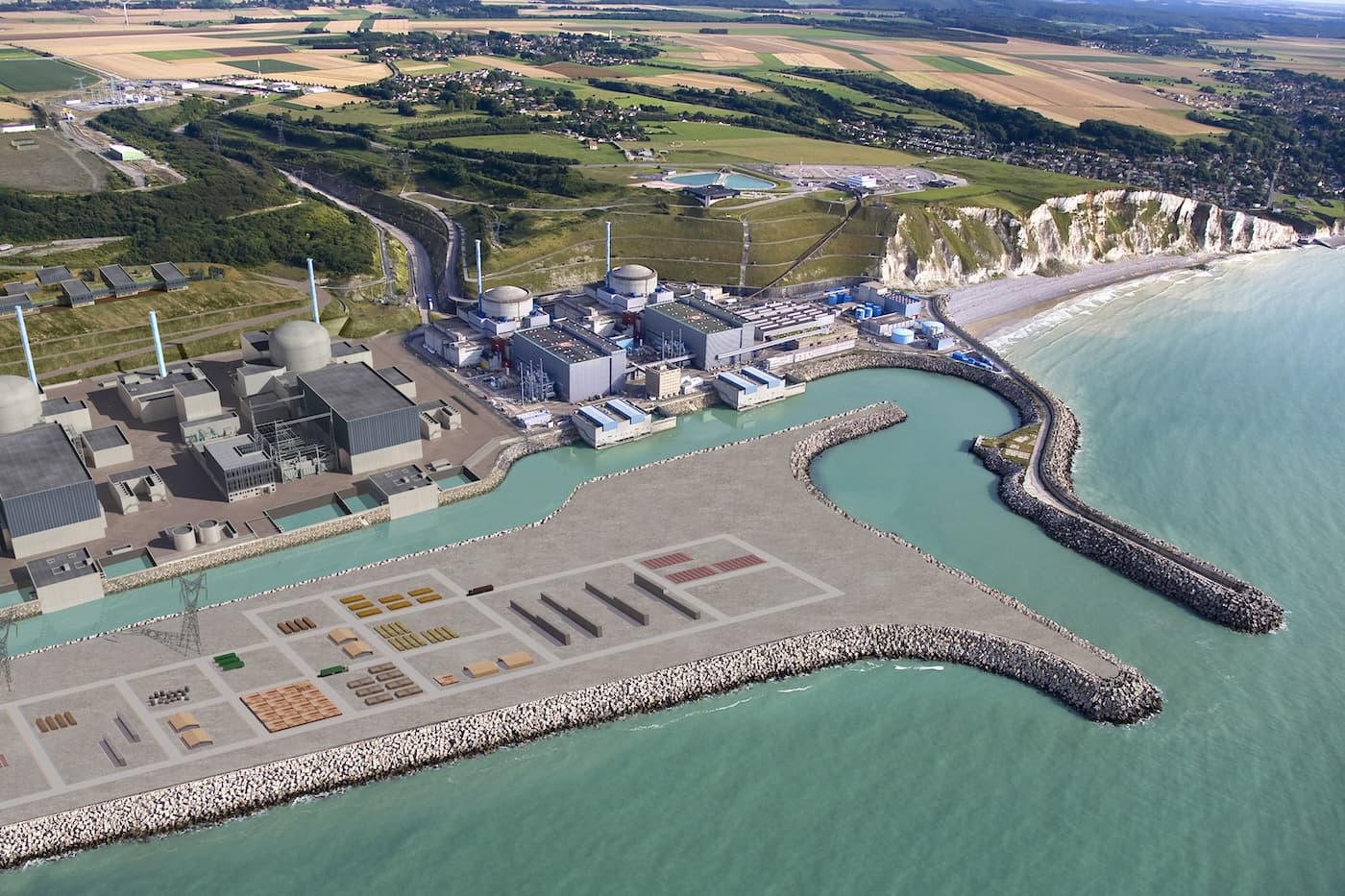
Plans to build six new EPR2 nuclear reactors in France are taking clearer shape. EDF has published an initial cost estimate of nearly EUR 73 billion. France plans to build the new units at the Penly, Gravelines and Bugey power plants, with the first expected to come online in 2038. The European Commission is now reviewing the proposed state support for the programme. EDF expects a final decision on the construction of 10 GW of new installed capacity this year.
French energy company EDF published its first cost estimates for the EPR2 programme, which includes six new nuclear reactors. Building three pairs of new units at the Penly, Gravelines and Bugey power plants is expected to cost a total of EUR 72.8 billion (around CZK 1.76 trillion) in 2020 prices. The EPR2 units will be based on the EPR design, with an installed capacity of around 1650 MW. The newly built units would therefore have a combined capacity of up to 10 GW.
Read the full article HERE.
6. Czech solar power plants generated 20% more in 2025, but growth slowed
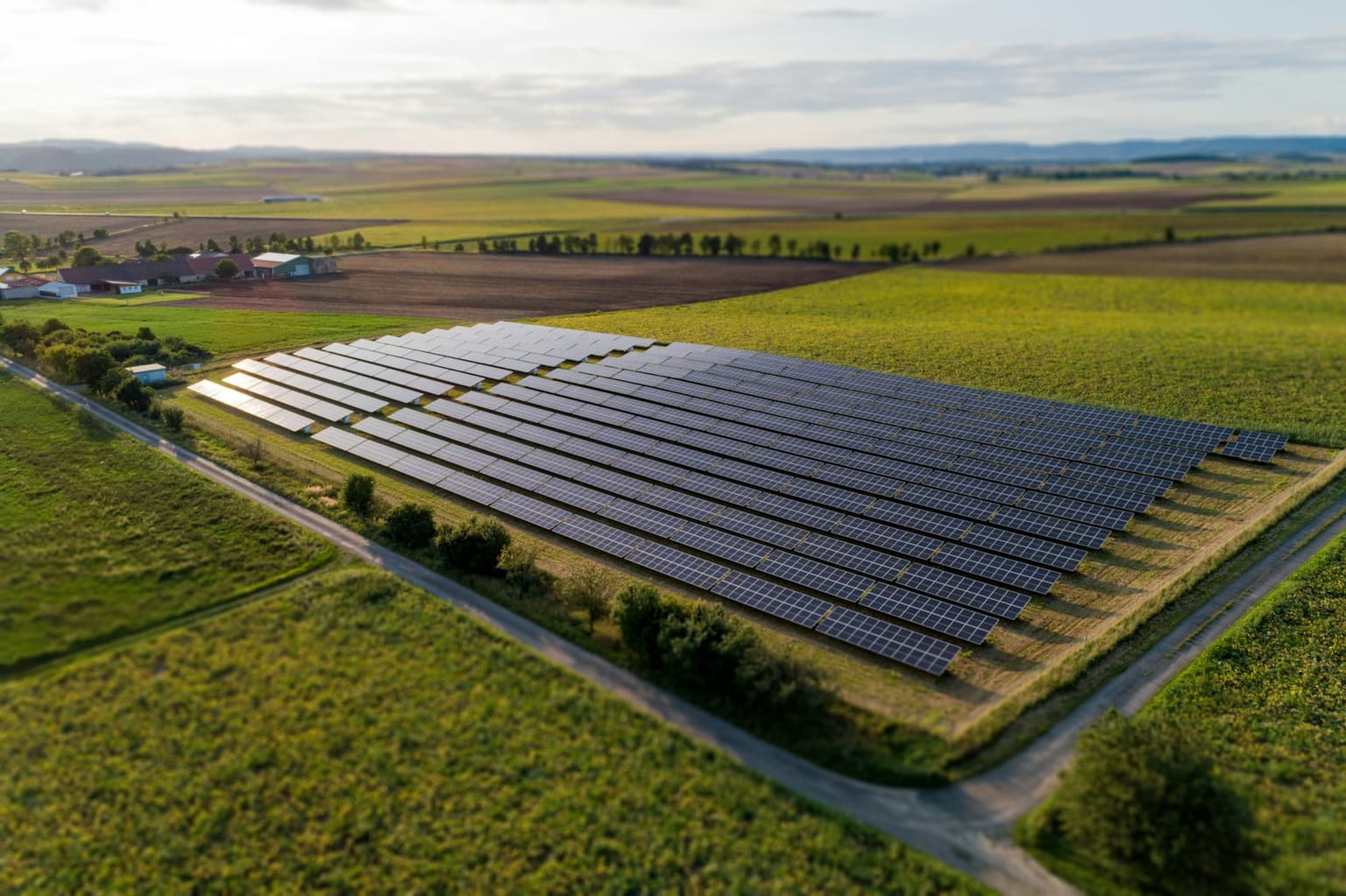
Solar power plants in Czechia generated a total of 4.7 TWh of electricity in 2025, up 20.5% year on year. Their share of total electricity generation reached 6.6%, while total installed capacity approached 5 GW. Although solar power is the fastest-growing source, the pace of construction is slowing: new installed capacity was almost 20% lower year on year.
In recent years, solar power has once again become one of the key pillars of the transformation of the Czech energy sector. After a break of more than a decade following the solar boom of 2010 and 2011, photovoltaic sources have once again become among the fastest-growing sources of electricity in the Czech Republic.
Read the full article HERE.
7. Volvo halts battery factory project as Europe faces fierce competition
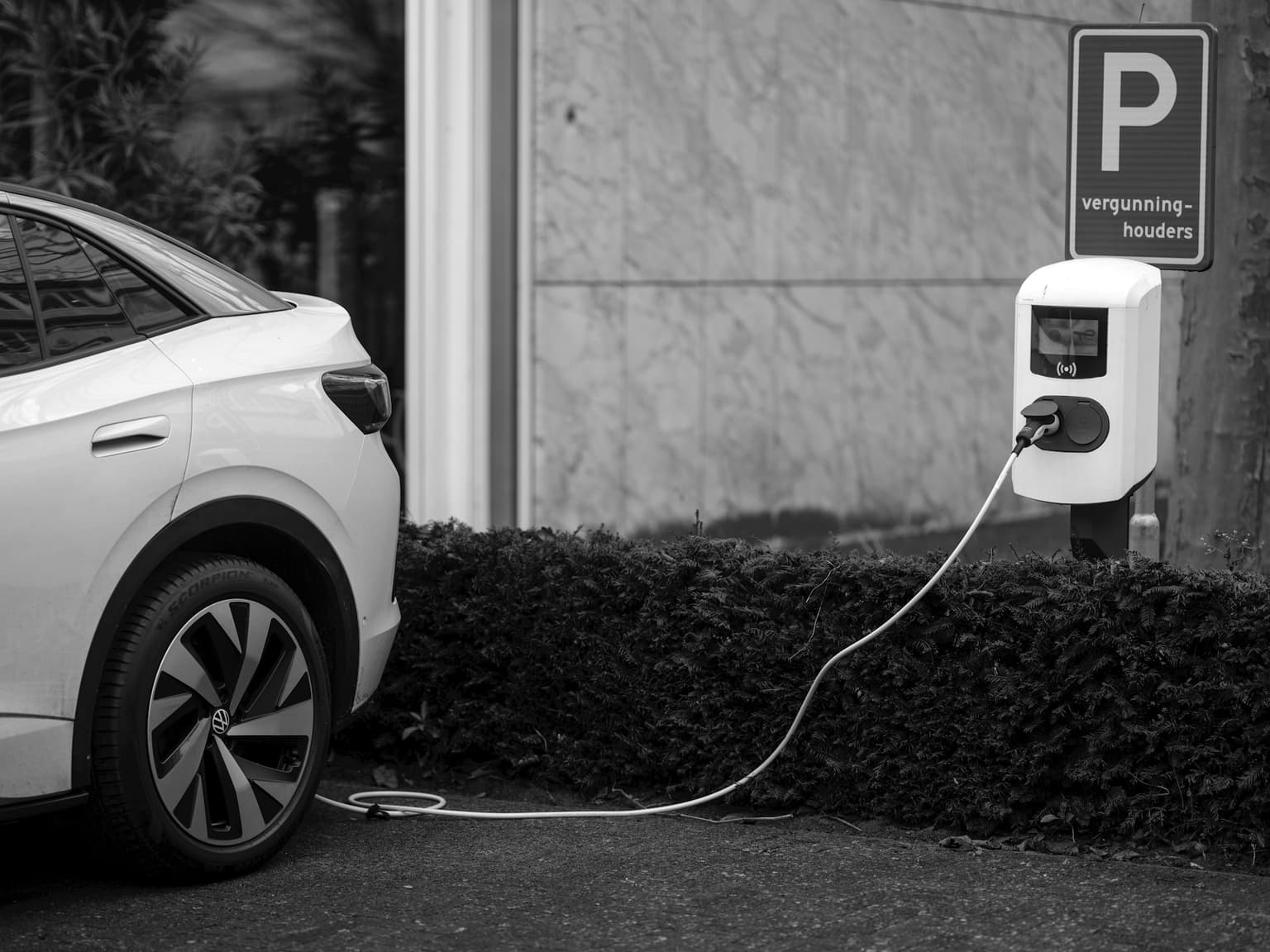
Volvo Cars is pausing work on a project to build a battery factory in Sweden after failing to find a suitable technology partner.
As Euractiv reported, the Swedish automaker’s decision highlights the growing challenges Europe as a whole faces in its efforts to build a competitive domestic battery manufacturing industry. Costs and global competition in the sector are exceptionally high.
Read the full article HERE.
8. Slovakia to work with Rothschild & Co on financing a new nuclear unit
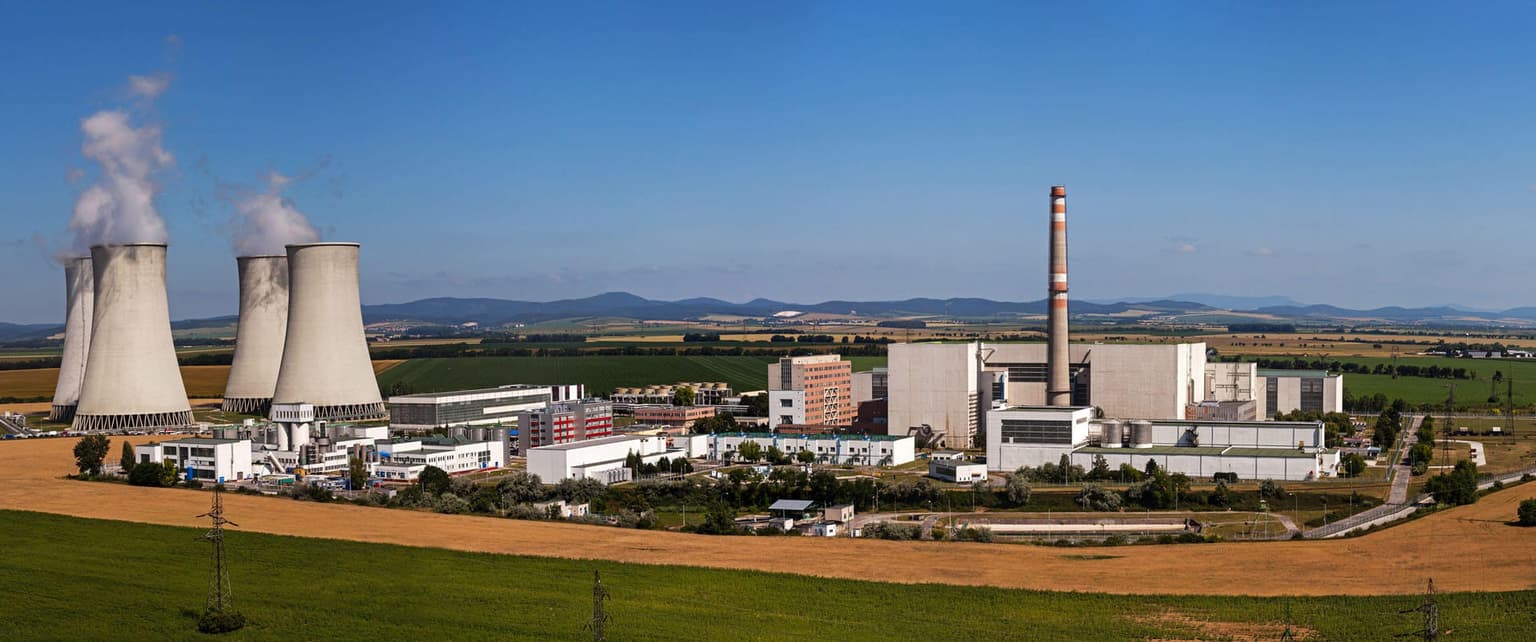
Following a tender, the Slovak Republic selected Rothschild & Co as financial adviser for a planned new nuclear power project. The advisory firm is expected to help primarily with structuring and defending the project’s financial arrangements during the European Union’s state aid review process.
New unit at Jaslovské Bohunice
In May 2024, the Slovak government formally approved plans to build a new unit with a capacity of approximately 1200 MWe near the existing Jaslovské Bohunice nuclear power plant. In September 2025, ministers approved the text of a proposed intergovernmental agreement with the United States “on the construction of a new nuclear unit…”, which is to be state-owned and have an installed capacity of at least 1000 MW.
Read the full article HERE.
9. South Korea’s Saeul 3 reactor receives operating licence, commercial operation expected in August

South Korea’s Nuclear Safety and Security Commission (NSSC) has issued an operating licence for unit 3 of the Saeul nuclear power plant, previously known as Shin Kori 5. The APR1400 pressurised water reactor has an installed capacity of 1,400 MWe and a design life of 60 years.
Korea Hydro & Nuclear Power (KHNP) said it now plans to begin loading nuclear fuel into the reactor core. This will be followed by around eight months of testing, including a gradual increase in output, with the aim of starting commercial operation in August.
Read the full article HERE.
10. Spain to support pumped-storage hydropower, with tens of millions of euros available

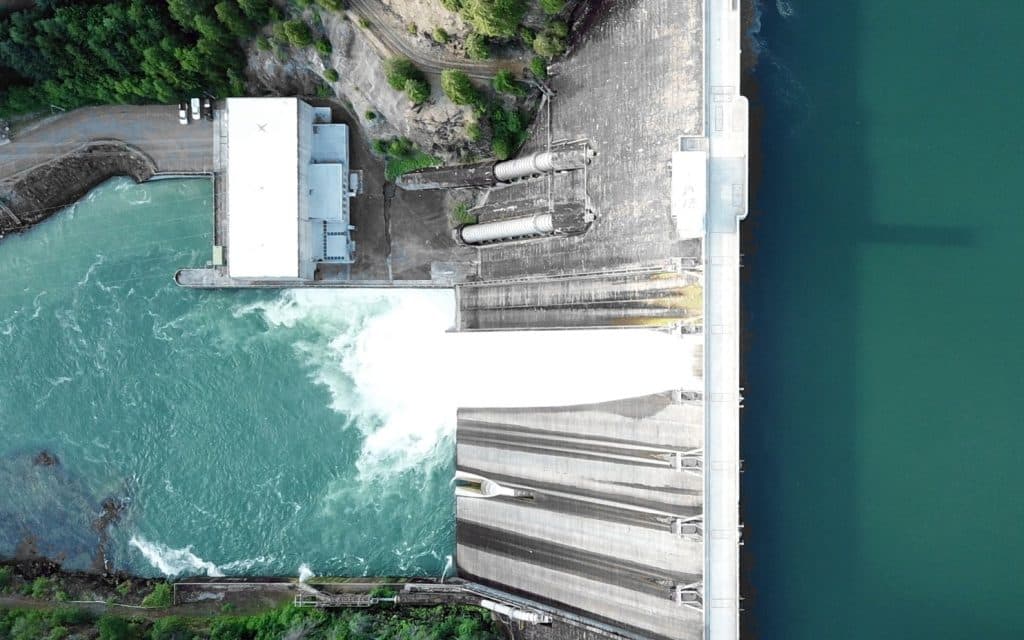
As installed solar and wind power capacity in the grid grows, so does the need for flexibility and energy storage. While battery storage has increasingly become a focus in recent years, another storage technology has played an indispensable role in power systems for decades: pumped-storage hydropower. Spain is now supporting its further development and modernisation through a new support programme, which will offer up to EUR 90 million, or more than CZK 2 billion.
The growing share of intermittent renewable sources in the power systems of many countries is making them more challenging to stabilise. Alongside flexible generation, energy storage plays a key role, particularly battery storage and pumped-storage hydropower. While the battery storage sector is booming, the construction of new pumped-storage plants is constrained by the limited number of suitable sites. Nevertheless, this segment of the energy industry is also set to grow.
Read the full article HERE.
Energostat: electricity generation in the Czech Republic
Data in this chart is also available in 15-minute resolution60min15min
Energostat: electricity generation in Germany
Data in this chart is also available in 15-minute resolution60min15min
Find more up-to-date charts and data on Energostat
Translation disclaimer
This article is a machine translation of the Czech original and has not yet been fully reviewed. In case of any doubt, please refer to the Czech version.
Sdílejte článek prostřednictvím:
Topics:Energy Weekly
You might also like

26 October 2026, 14:24