This week, we once again bring you a carefully selected list of the ten most important articles published on oEnergetice.cz. If you missed any of them, here is a selection of the articles that attracted the most interest from our readers. Good luck in the week ahead!
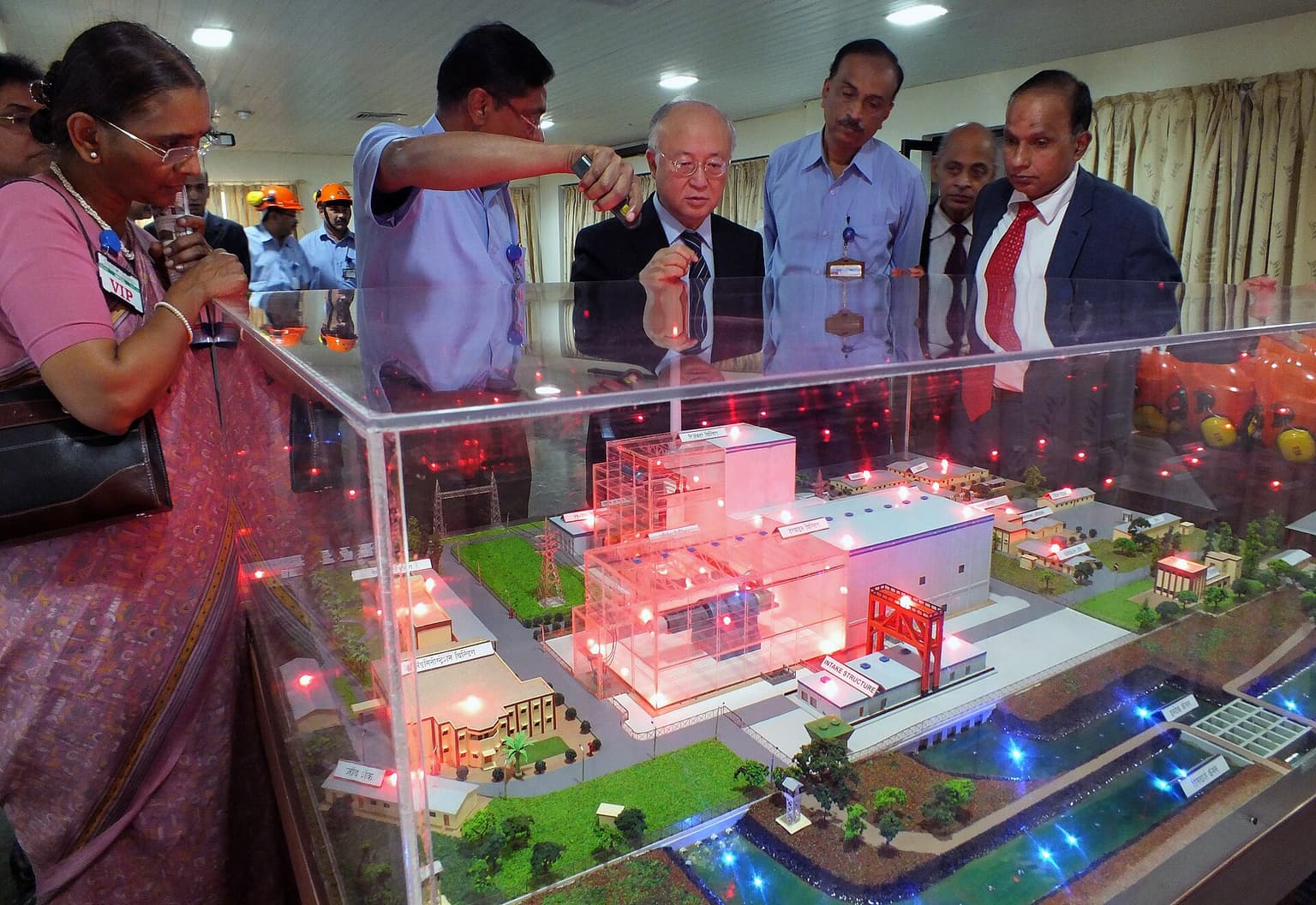
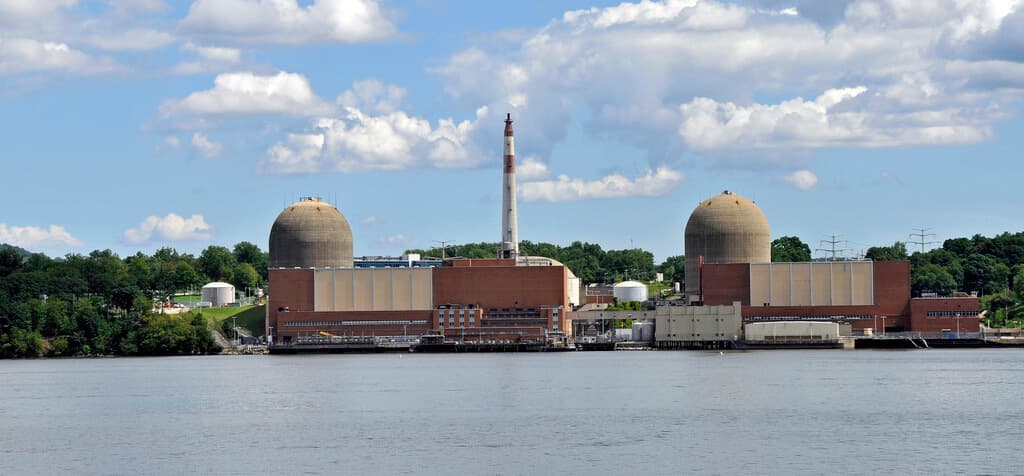
Unit 2 of the Tarapur nuclear power plant in India has been reconnected to the grid. One of the world’s oldest commercial reactors still in operation has been granted a licence to operate for another decade. This was reported by the official press agency of the Indian government.
India’s nuclear fleet reached a significant milestone in February this year, when a new unit at the Rajasthan power plant first reached full operating power. The restart of Unit 2 at the Tarapur nuclear power plant is another milestone. In June, the Atomic Energy Regulatory Board (AERB) approved the restart and authorised the unit to operate for another 10 years.
The share of electricity generated from renewable energy sources in Germany’s gross electricity consumption reached a record 58% in the first half of this year. Renewables also accounted for a similar share of total electricity generation. Higher wind power output was the main contributor to the new all-time high.
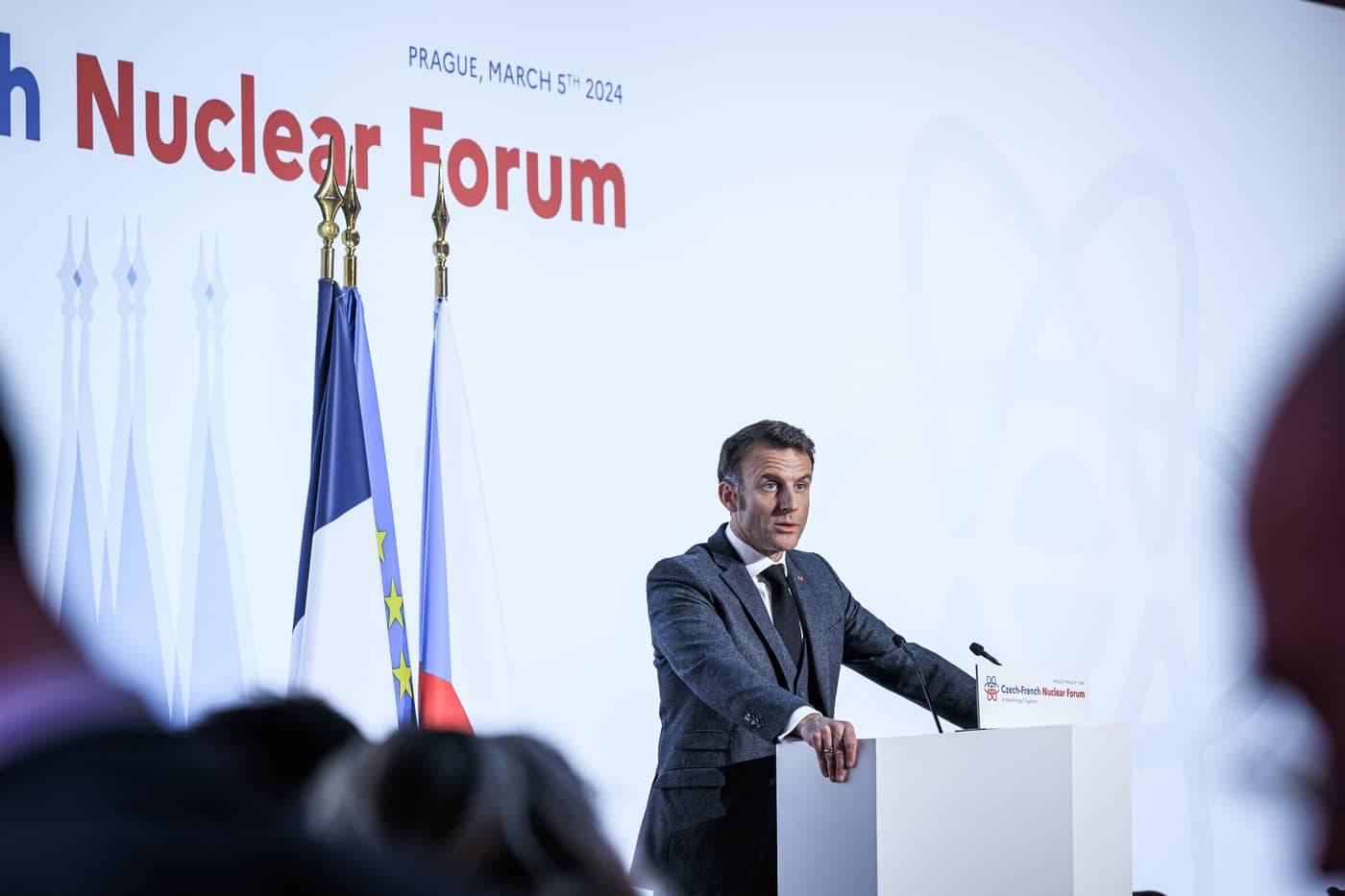
One of the key questions in Czech energy in recent months has been whether and how the state should gain full control over the generation business of ČEZ. France faced a similar question with EDF. Its offer documents show why the state ultimately decided to take over the company in full.
Since the last election to the Chamber of Deputies, the debate over ČEZ’s future has moved beyond the political statements that have accompanied the company for several years and into the realm of concrete steps towards nationalisation. At the beginning of June, the company’s general meeting approved a plan to split up ČEZ and transfer some activities considered less important to the state to a new subsidiary. According to plans made public, the subsidiary would primarily take over electricity and gas trading and distribution activities.
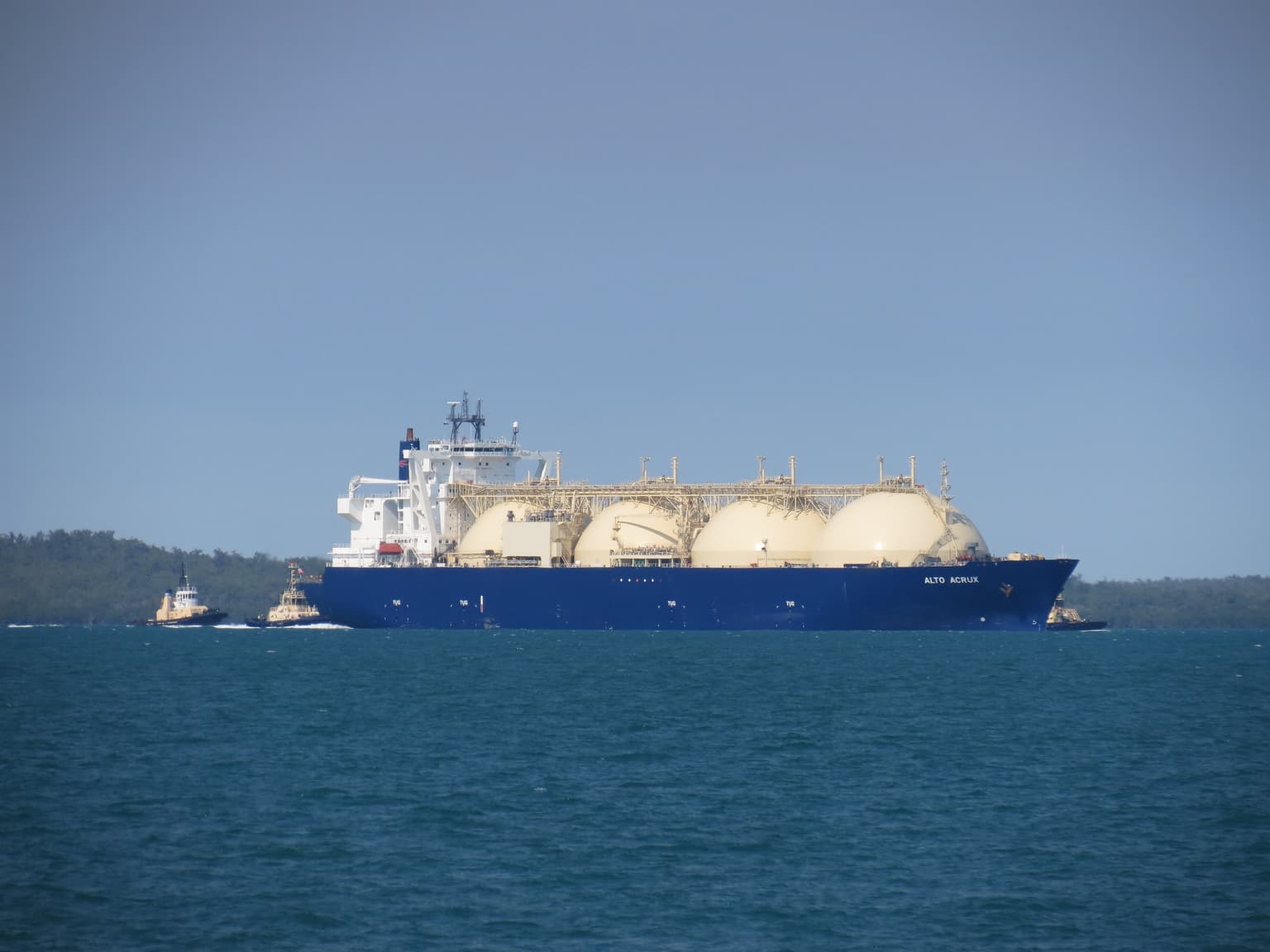
US exports of liquefied natural gas (LNG) to Latin America and the Caribbean surged in June to their highest level in more than three years. Brazil became the largest buyer, significantly increasing imports amid higher electricity demand. Global trade flows are also shifting. For the first time in almost two years, Europe did not take the majority of US LNG, according to data from S&P Platts Commodity Insights.
In June, the United States exported almost 1.38 billion m³ of natural gas in the form of LNG to Latin America and the Caribbean, an increase of approximately 55% compared with May. This was the highest monthly volume since May 2023 and nearly 10% higher year on year.
A new analysis by the OECD Nuclear Energy Agency shows that current policy ambitions for nuclear energy far exceed the actual pace of construction. Achieving the most ambitious development scenarios will depend not only on the choice of technology, but especially on the availability of skilled workers, supply chain capacity and access to financing.
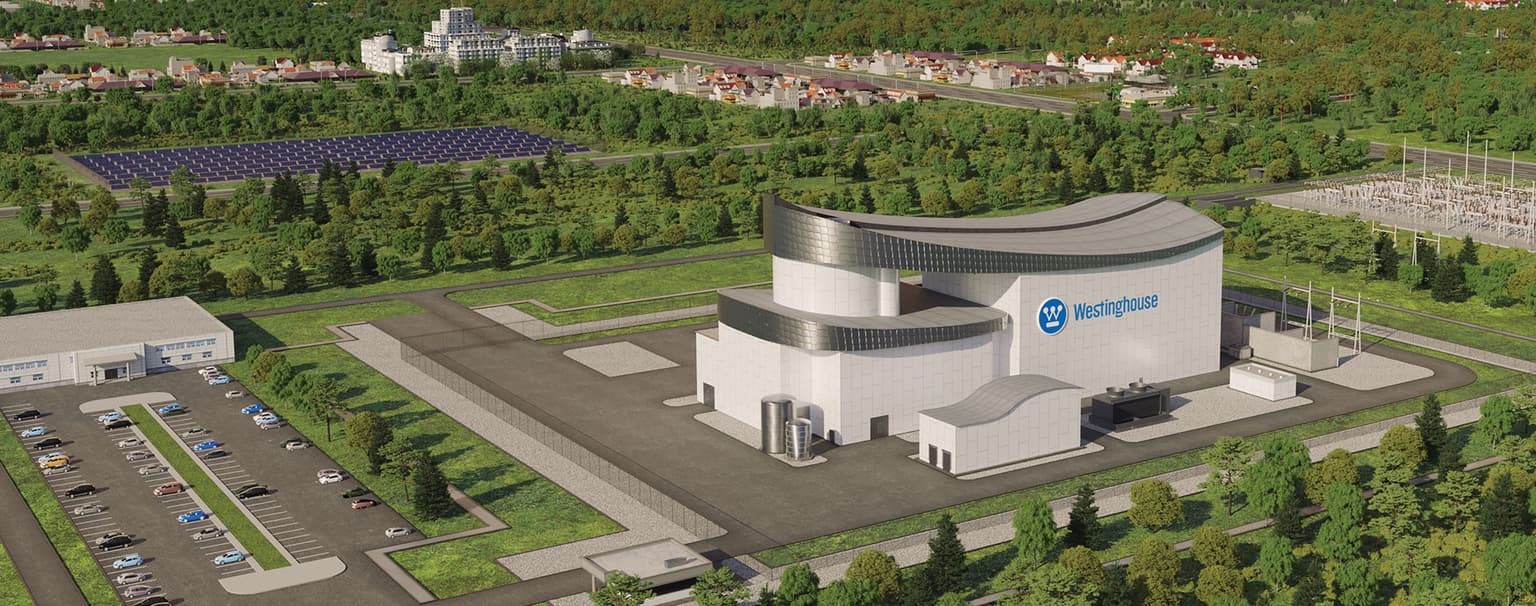
Polish company Orlen Synthos Green Energy (OSGE) has asked the government to introduce a support scheme for the construction of 14 BWRX-300 small modular reactors (SMRs). If the European Commission approves the proposed support, it could be the first use of a Contract for Difference (CfD) mechanism for small modular reactors in the European Union. OSGE plans to bring the first unit online in 2032, according to a press release.
The application covers 14 reactors at three sites: Włocławek, Stawy Monowskie near Oświęcim, and Stalowa Wola. It is the first phase of OSGE’s wider programme, which envisages building up to 26 BWRX-300 units. If these plans come to fruition, Poland could become one of the first European operators of a large fleet of small modular reactors.
The European Commission has published new quarterly reports (Q3 and Q4) on the electricity and gas markets, giving an overview of European energy in 2025. The reports confirm the continued growth of electricity generation from renewable energy sources, with solar power recording the strongest growth. Solar electricity generation in the EU reached a record 275 TWh in 2025, up 18% year on year. Generation from offshore wind farms rose by 4%, or approximately 3 TWh.
Growth was also reflected in new installations. Renewable capacity additions remained at a record level in 2025, approaching 70 GW. Most of this came from solar PV, which added 56 GW of new installed capacity. Wind farms, including both onshore and offshore projects, added a further 13 GW. The European Commission’s figures therefore confirm that solar power remains the main driver of new renewable capacity in the EU.
US company Air Products is overhauling its clean hydrogen strategy. The company has decided to scale back projects in the United States and strengthen its position in Middle Eastern markets.
As reported by RenewablesNow, the conglomerate has announced its involvement in one of the world’s largest green hydrogen projects in Saudi Arabia. At the same time, it is scaling back its presence in the US market. These changes reflect the challenges facing emerging hydrogen markets, as energy companies adjust their investment plans to demand that is lower than originally expected.
The US nuclear regulator (NRC) has proposed a major overhaul of radiation protection rules. It is the most significant legislative change in the sector in decades. The measures, promoted by the administration of President Donald Trump, aim to reduce administrative burdens and operating costs and speed up approval processes for new nuclear reactors.
A key element of the proposal is the complete repeal of the long-standing standard known as ALARA (short for As Low as Reasonably Achievable). This principle has required nuclear facility operators to minimise radiation exposure for workers and the public, even when exposure was already well below legal limits.
The United Kingdom’s energy policy could change significantly in the coming weeks. Rising oil prices, disruptions to supplies from the Middle East and an expected change in the leadership of the British government have reopened the debate over the future of oil and natural gas production in the North Sea. Two long-debated projects are in the spotlight: the Rosebank oil field and the Jackdaw gas field.
While the outgoing Labour government of Prime Minister Keir Starmer based its energy policy primarily on developing renewable energy and gradually phasing out fossil fuels, the ongoing war between Israel and Iran has fundamentally changed the way energy security is viewed. Restrictions on shipping through the Strait of Hormuz and rising oil prices have again highlighted Europe’s vulnerability to disruptions in global energy supplies.
Data in this chart is also available in 15-minute resolution60min15min
Energostat: electricity generation in Germany
Data in this chart is also available in 15-minute resolution60min15min
More up-to-date charts and data are available on Energostat
Translation disclaimer
This article is a machine translation of the Czech original and has not yet been fully reviewed. In case of any doubt, please refer to the Czech version.