Top 10 energy stories of the past week
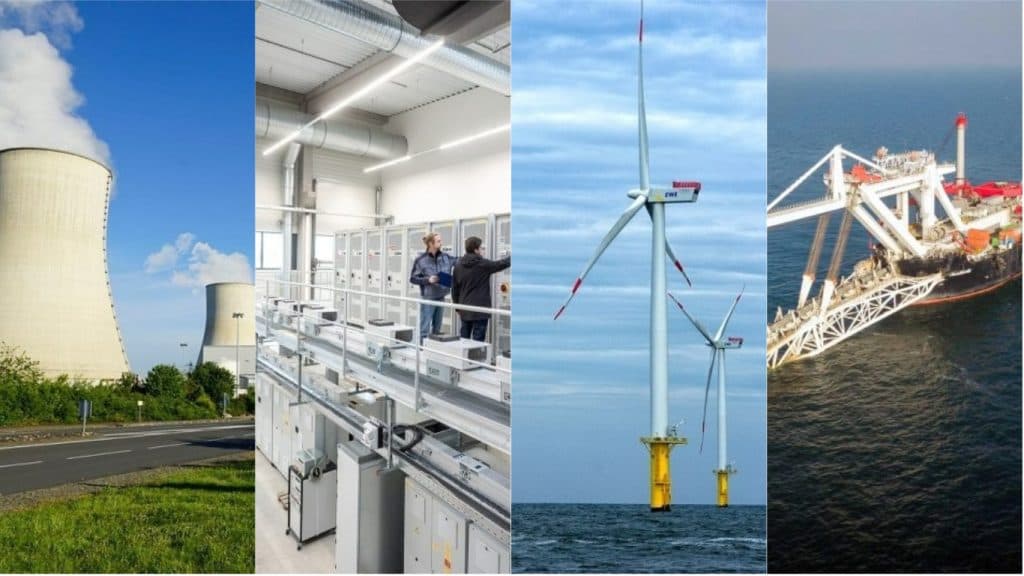
This week, once again, we bring you a carefully selected list of the ten most important articles published on oEnergetice.cz. If you missed any of them, here is a selection of the articles that attracted the most interest from our readers. Have a great week ahead!
1. French regulator warns of risks from frequent load-following at nuclear power plants

Increasingly frequent load-following by French nuclear reactors is raising concerns about the additional burden on control room operators, the country’s nuclear safety authority (ASNR) said on Thursday. EDF has also announced an initiative to study the impact of more frequent load-following on the ageing of reactor components.
Adjusting nuclear reactor output in response to demand or market signals is becoming more common amid the transformation of the French and European energy sectors. The growing need for load-following, linked to the increasing share of renewables in electricity generation, is changing day-to-day operations.
Read the full article HERE.
2. Do we need baseload power?

The need for baseload power is cited as a justification for operating nuclear power plants or gas-fired power plants using natural gas with carbon capture.
For many years, there has been a debate about whether or not future energy systems will need baseload power. Evidence of this can be found in a discussion from almost 10 years ago, available here, in which even then only a few experts considered the concept of baseload power essential. Most participants already agreed that a future mix built on intermittent renewables would require a different energy system architecture and leave less room for the traditional concept of baseload generation.
Read the full article HERE.
3. Fiala: Deal on Dukovany may not be signed before current government’s term ends
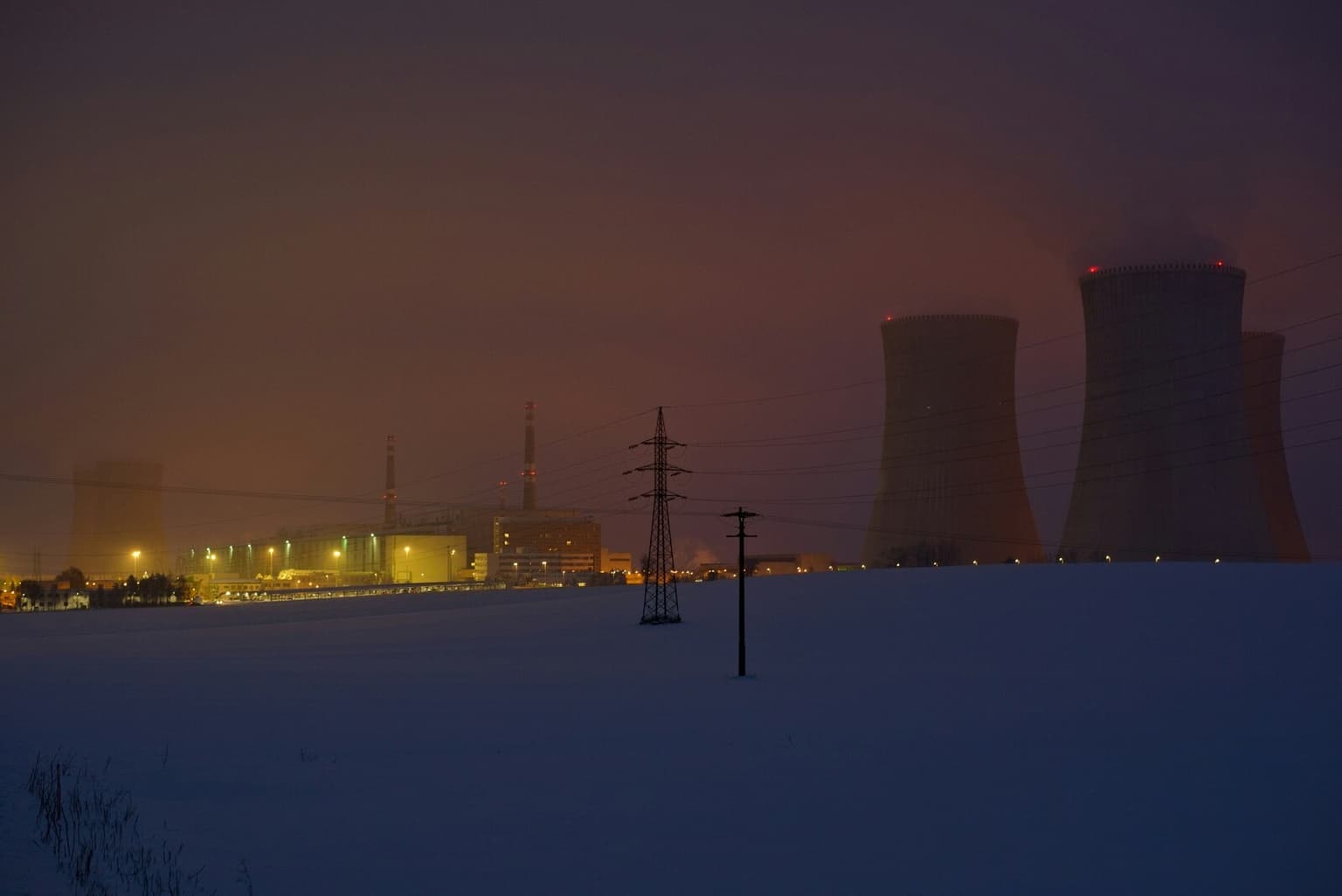
The final contract for the construction of nuclear units at Dukovany may not be concluded before the current government’s term ends. The timing will depend on a court ruling. Prime Minister Petr Fiala (ODS) acknowledged this today in an interview with Radiožurnál. However, he said that the planned start-up of the first reactor in 2036 is not currently at risk. Karel Havlíček, deputy chairman of the ANO movement, called the conclusion of the tender an incredible fiasco and an international embarrassment.
The final agreement with Korea’s KHNP was originally due to be signed on 7 May, but the Regional Court in Brno blocked the signing the day before by issuing an interim injunction. It did so at the request of French company EDF, which filed a lawsuit challenging a decision by the Office for the Protection of Competition (ÚOHS). The office had ruled that the tender was in order. The court has yet to rule on EDF’s lawsuit.
Read the full article HERE.
4. California is curtailing renewable generation more often. Solar curtailment rose by nearly a third last year

The US state of California continues to develop renewable energy at a rapid pace, particularly by building solar power plants. However, as their installed capacity grows, so does the need to curtail their output each year. Last year was no exception: the volume of unused generation rose again, reaching a new record.
California Independent System Operator (CAISO), which operates most of California’s grid, is curtailing increasing amounts of renewable generation to balance supply and demand. According to the US government’s Energy Information Administration (EIA), last year CAISO curtailed 3.4 TWh of solar and wind generation. This was a year-on-year increase of 29 %.
Read the full article HERE.
5. Poland seeks a partner for its second nuclear power plant. It won’t be easy
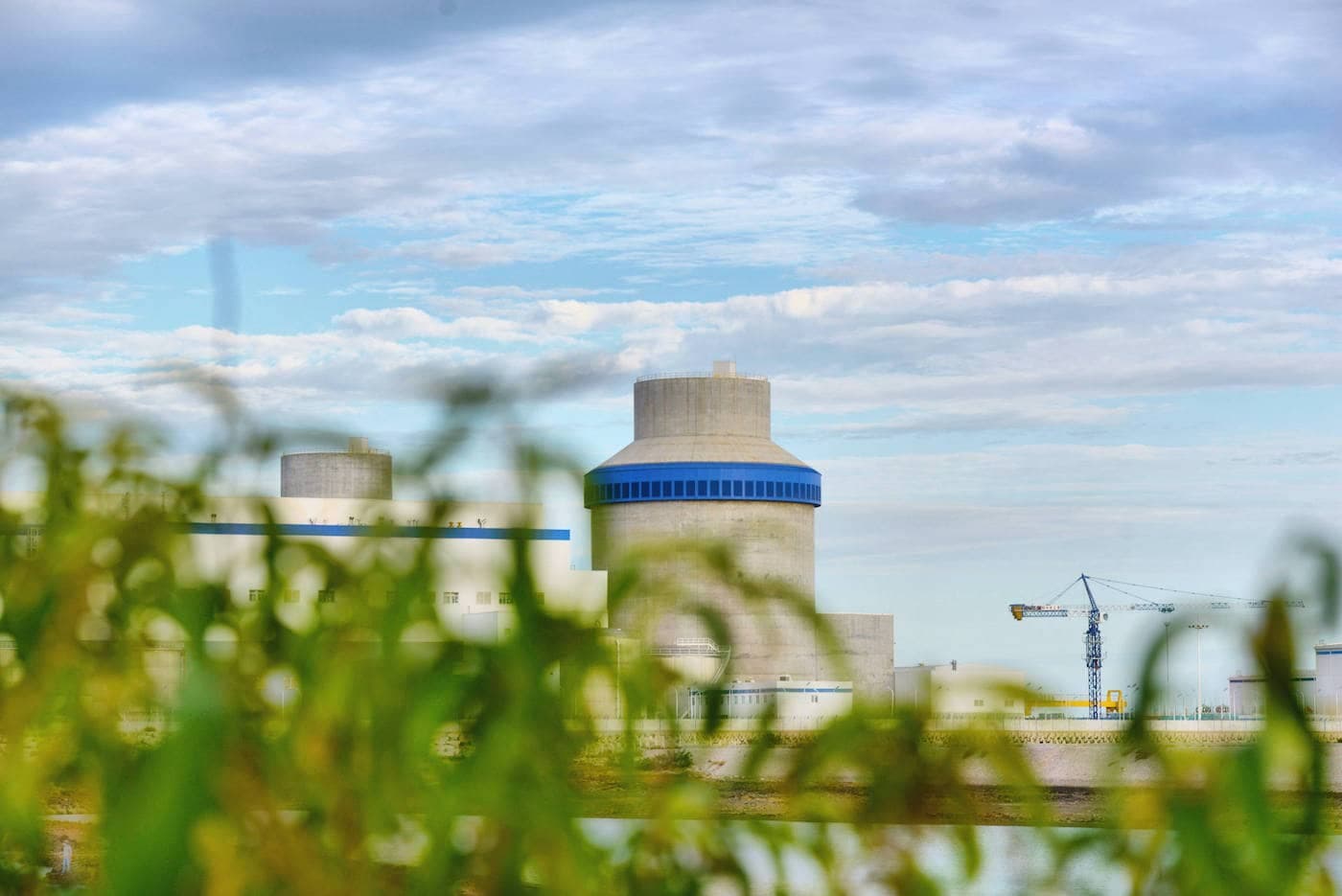
Poland will begin seeking an investor for its second nuclear power plant in June this year. The process will be more complex this time, as the country is looking not just for a technology supplier but for a strategic partner that will also invest capital in the project.
Poland is continuing to decarbonise its energy sector, which remains heavily dependent on electricity generated from hard coal and lignite. While coal-fired power generation still accounted for approximately three-quarters of total generation in 2021, this year its share is slightly above half. Solar and wind power plants, which Poland is investing in on a massive scale, have made a particularly significant contribution.
Read the full article HERE.
6. Government discussing several options for resolving Dukovany situation, Výborný says

According to Agriculture Minister and Christian Democrats leader Marek Výborný, the government is discussing several possible courses of action following the postponement of the contract signing with Korea’s KHNP for the construction of new reactors at the Dukovany nuclear power plant. Concerned about potential damages, the Regional Court in Brno—which is considering EDF’s challenge to a decision by the Office for the Protection of Competition (ÚOHS)—was urged to publish its ruling as soon as possible. Výborný declined to say which options ministers are considering. He supports the government entering into talks with KHNP so that both sides can jointly seek a solution. He told reporters today.
It is not certain that KHNP will extend its offer to build nuclear units at Dukovany; the company will have to consider any request from the Czech side and assess the circumstances before making a decision, Harry Chang, vice-president of KHNP’s nuclear power plant project division in the Czech Republic, told Czech Television today. The current offer is valid until the end of June. “We are discussing various options for how to proceed; there are several,” Výborný said. He added that KHNP’s offer is dramatically more advantageous.
Read the full article HERE.
7. ČEZ inspects Unit 3 reactor pressure vessel at Dukovany after eight years

During a planned outage of Unit 3 at the Dukovany nuclear power plant, engineers also inspected the reactor pressure vessel. An inspection of this scope is carried out on each of Dukovany’s four units once every eight years. They have now confirmed that Unit 3 is ready for further operation. Plant spokesperson Jiří Bezděk told the Czech News Agency (ČTK) today. The unit has been undergoing a planned outage since 21 March and is expected to resume supplying electricity in June.
“In line with international practice, we want to operate all our units for at least sixty years. A key requirement is having perfect knowledge of the condition of critical components, and especially the state of the reactor pressure vessels,” said Bohdan Zronek, a member of ČEZ’s board of directors and director of its nuclear energy division.
Read the full article HERE.
8. 23,000 participants registered to share electricity; interest hit a record in April

Nearly 23,000 participants registered with the Electricity Data Centre (EDC) can now share electricity with one another in Czechia. Since the beginning of last September, they have shared more than ten gigawatt-hours (GWh) of electricity, equivalent to the monthly consumption of more than 3,000 households. In April, a record month so far, the volume shared rose by more than 150 percent compared with the previous month, to 4.68 GWh. The Electricity Data Centre (EDC) announced the figures to the Czech News Agency (ČTK) today. People interested in sharing electricity have been able to register with the centre since August, while actual sharing began in September.
According to the EDC, the increase in electricity sharing is being driven not only by favourable weather but, above all, by the steady growth in the number of interested participants. Total registrations rose by more than 2,000 over the past month, reaching 22,880 at the end of April. “We are also seeing a significant increase in the number of generation and consumption points. Their number has almost doubled since the beginning of the year, and by the end of April 11,096 generation points and 15,549 consumption points were connected to the EDC system,” Kusý noted.
Read the full article HERE.
9. Reuters: Kyiv wants to import gas via the Trans-Balkan pipeline at lower fees

Ukraine’s energy regulator has approved a mechanism for importing gas from Greece via the Trans-Balkan pipeline. The approved mechanism is expected to help the country avoid high transit fees. The Reuters news agency reported this today, citing Ukraine’s energy ministry.
Ukraine is currently facing a gas shortage because Russian air strikes this year have led to a significant drop in domestic production. The country is now importing gas via Slovakia and Hungary. It has not yet used the Trans-Balkan pipeline for supplies because of higher transit fees. Gas from LNG terminals in Greece has to pass through Bulgaria, Romania and Moldova, Reuters notes.
Read the full article HERE.
10. Trump’s nuclear offensive: faster licensing, less regulation, greater ambitions

President Donald Trump has signed four executive orders aimed at fundamentally reforming US nuclear policy. A key measure is cutting the time needed to license nuclear power plants from ten years to 18 months. The change is intended to accelerate the development of nuclear energy, which the administration considers essential to meeting growing electricity demand from artificial intelligence and data centres, Reuters reports.
The reform focuses on reassessing the operations of the Nuclear Regulatory Commission (NRC), which the White House describes as too conservative and excessively risk-averse. The goal is to simplify administrative processes, reduce the regulatory burden and strengthen cooperation between the departments of energy and defense. The Trump administration also plans to review the NRC’s staffing and strengthen its ties with key government institutions to make it easier to advance the construction of nuclear facilities.
Read the full article HERE.
Energostat: electricity generation in Czechia
Energostat: electricity generation in Germany
More up-to-date charts and data are available on Energostat
Translation disclaimer
This article is a machine translation of the Czech original and has not yet been fully reviewed. In case of any doubt, please refer to the Czech version.