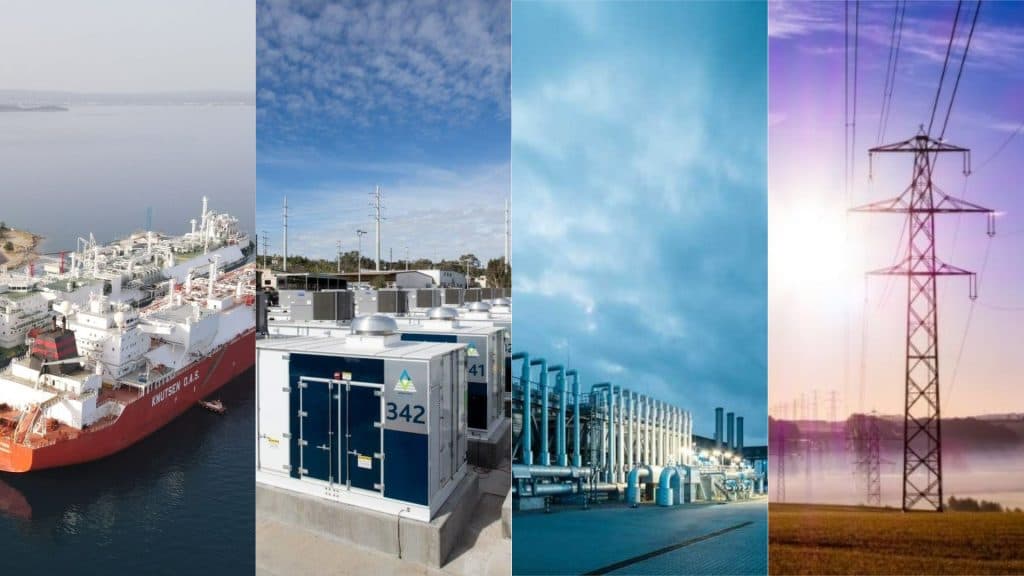
This week, we bring you another carefully selected list of the ten most important articles we published on the oEnergetice.cz website. If you missed any of them, here is a selection of the articles that attracted the most interest from our readers. Good luck in the new week!
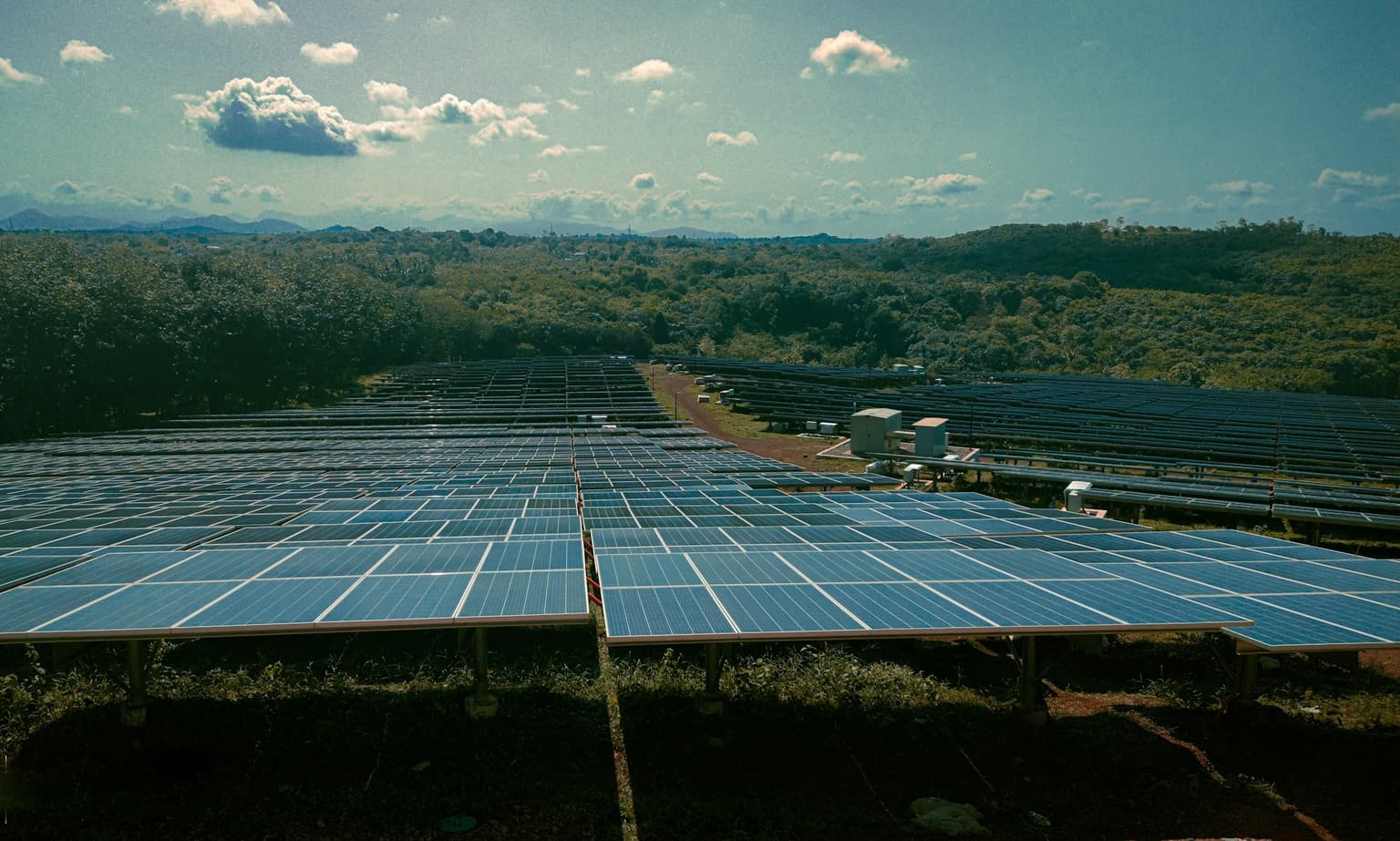
The cannibalisation of renewables has long been a subject of debate, particularly in the context of the rapid growth in solar capacity in recent years. Rising installed solar capacity is having a negative impact on the economics of solar power, as it leads to lower realised prices for the electricity generated. In Germany, support for renewables has been funded from the federal budget for several years, rather than through the charges originally paid by consumers. Last quarter alone, the German government had to spend more than EUR 5 billion on support for renewables, particularly solar power.
Germany continues to develop renewable energy, primarily solar and wind power plants. To meet its targets in this area, the country has been using an auction system for years, in which project developers bid for minimum guaranteed prices for their projects. While electricity consumers previously covered the cost of support, Germany has been paying these costs from the state budget since 2022.
Ukraine may face "critically low" gas stocks this coming winter if it continues replenishing them at the current rate. It is therefore essential not only to speed up the filling of storage facilities, but also to boost domestic production and actively develop alternative energy sources that could help cover any supply shortfalls, the Montel News website reports.
Gas stocks in Ukrainian underground storage facilities have risen from record lows of below 3% in May to 13% of capacity, but are still well below last year's level of 20% for the same period, according to data from Gas Infrastructure Europe. For comparison, gas storage facilities in the Czech Republic are currently almost 70% full.
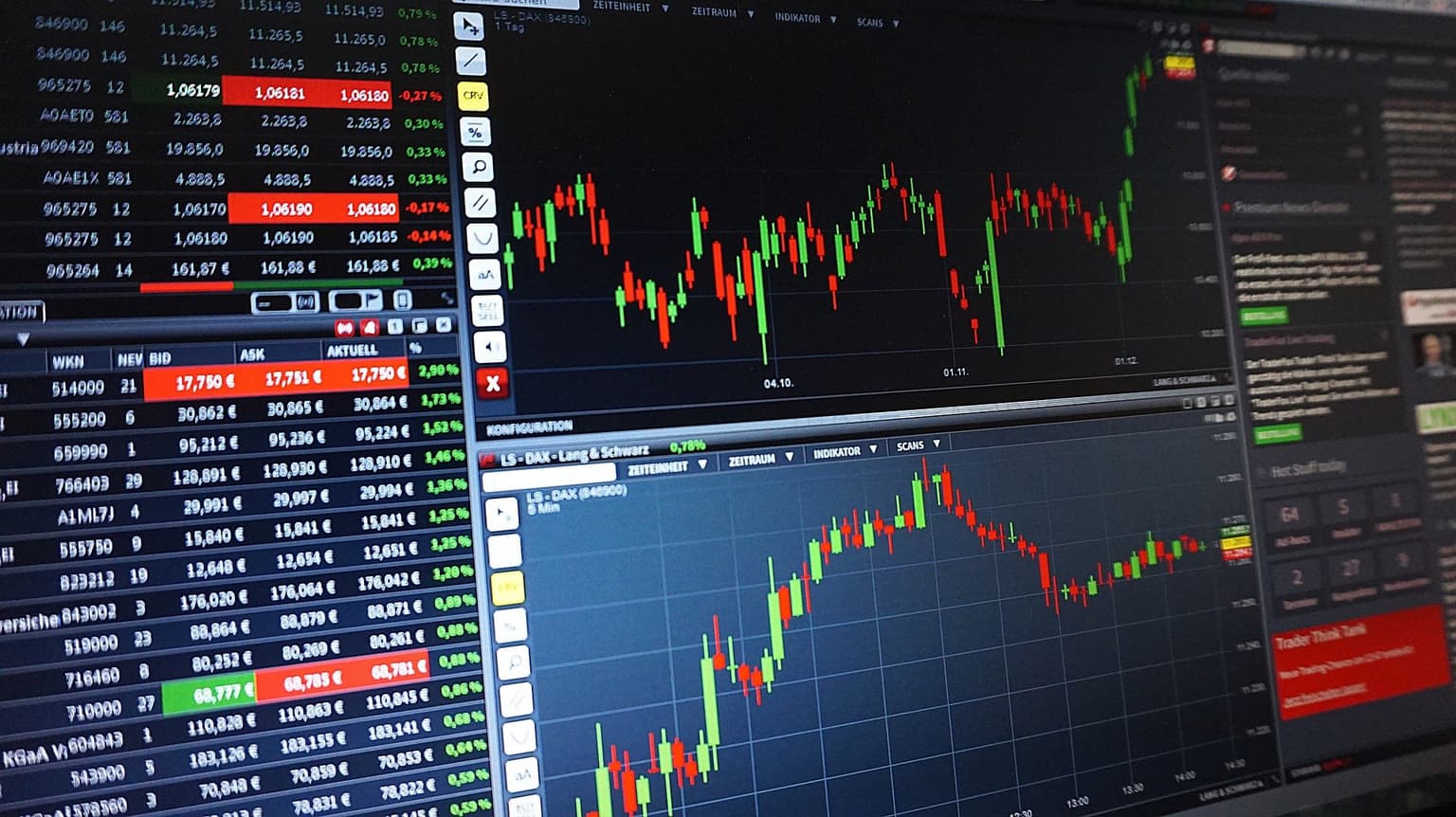
The number of hours with negative electricity prices in Europe has risen significantly this year, primarily due to high output from solar power plants and stagnant electricity consumption. According to analysts at Montel, the third quarter of this year is expected to set a record for negative electricity prices.
In 2025, the number of hours in which wholesale electricity prices fall below zero has risen sharply across Europe. The trend is the result of a combination of high renewable energy output, particularly from solar power plants, and stagnant or only slightly growing electricity demand.
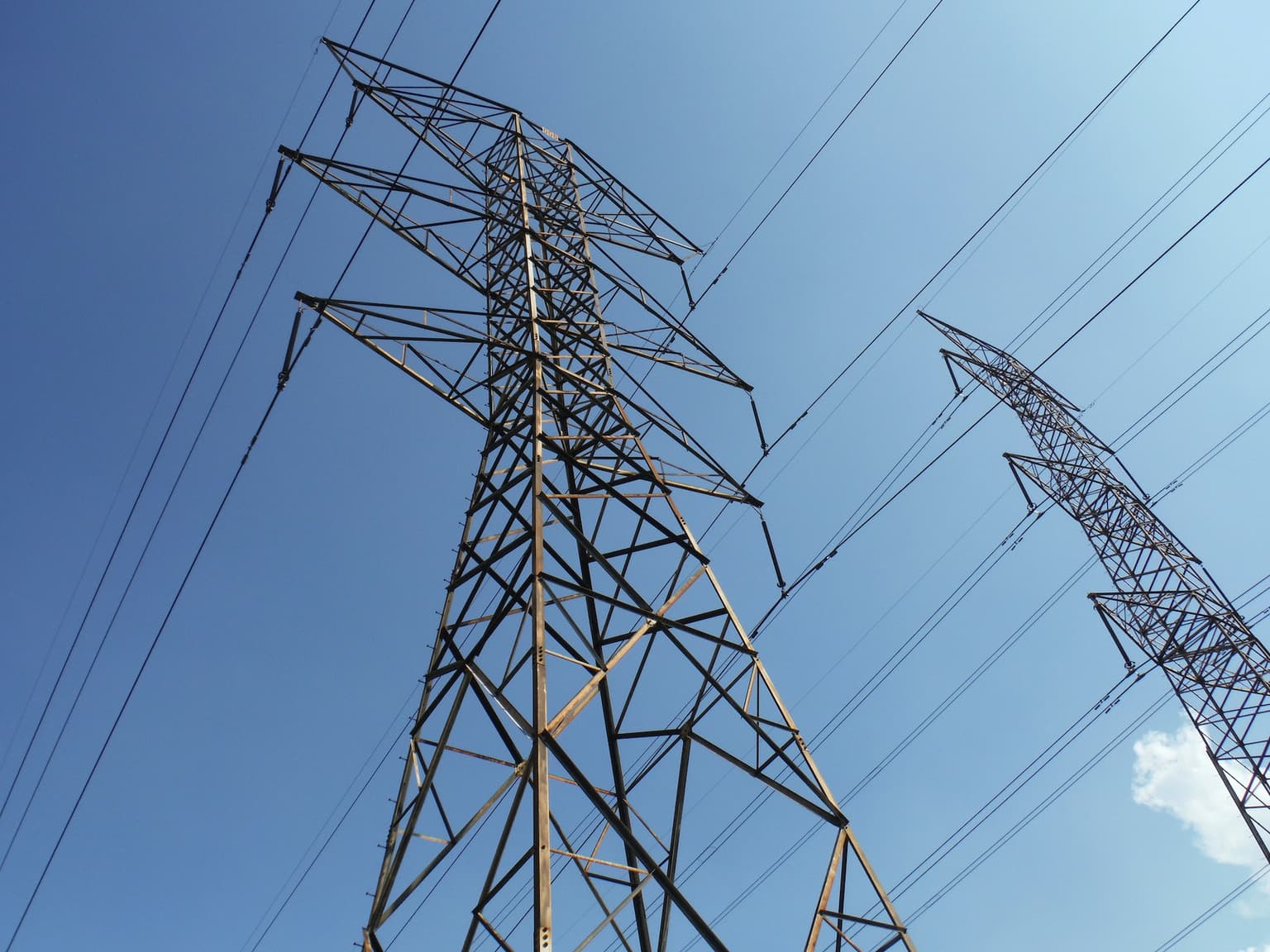
Transmission system operator ČEPS found damage to the V412 line during emergency inspections of key power lines. The line connects the Ústí nad Labem and Central Bohemian regions with Prague. A cracked insulator string did not affect grid operations. Technicians will repair the fault next week. In total, the state-owned grid operator inspected more than 370 kilometres of lines. ČTK was told today by ČEPS spokesperson Hana Klímová. The company said the damaged line was not connected to the recent major power outage in the Czech Republic.
ČEPS carried out the emergency aerial inspections using thermal imaging in response to the extensive power outage on Friday, 4 July. According to Minister of Industry and Trade Lukáš Vlček (STAN), around one million customers were left without electricity. The Czech Republic has 6.3 million consumption points.
The German government's plan to subsidise electricity prices for industry is raising concerns about market stability and the future of electricity trading. Experts say guaranteed prices could undermine market principles. The main criticism is that the plan could weaken price formation and incentives for flexible demand management.
Germany is considering introducing a guaranteed electricity price of around EUR 50/MWh for energy-intensive businesses. This is significantly lower than the current market price for the reference contract for the coming year, which is around EUR 87/MWh. The government's aim is to help the competitiveness of German industry, which faces high costs compared with the US or China.
The town of Kalletal, with a population of 13,000, is one of Germany's most sustainable communities. At a June conference on the sustainable future of municipalities, Mayor Mario Hecker spoke to Ekonews about the town's sustainability strategy. The town is currently negotiating with investors on a project to build an electrolyser to produce green hydrogen.
The town, located in North Rhine-Westphalia near Bielefeld, adopted its sustainability strategy in 2021. It covers five thematic areas and sets out 83 specific targets. “We've already ticked off most of them,” says Mario Hecker. He came to Prague for the Sustainable Future of Municipalities conference, which included the award ceremony for the 2025 Green Municipality of the Year competition.
As Europe seeks to develop sustainable and scalable forms of energy storage, alternatives to conventional pumped-storage plants and batteries are increasingly emerging. One of the most technologically intriguing projects is StEnSea (Stored Energy in the Sea), which combines the principle of pumped-storage with the use of pressure from deep seawater.
Reports recently appeared in the media claiming that this technology was tested off the coast of Norway in 2025, but no official report of such a test exists, including in Norwegian media. The technology was also examined in the study “Energilagring under havflata”, which looked solely at the potential for using subsea pressure energy storage in Norwegian conditions, specifically through the StEnSea technology. Among other things, it assessed technical feasibility, suitable sites (such as deep fjords on the west coast) and potential synergies with renewable energy. The technology itself was last tested in 2017 in Lake Constance, Switzerland. Its development is led by the German institute Fraunhofer IEE in cooperation with Norwegian partners. As part of its research, the institute has also conducted techno-economic studies on using the technology for balancing services.
IHI Corporation (IHI) and GE Vernova (GEV) have completed a new facility for testing gas turbines that burn pure ammonia. This is intended to be another step towards bringing the technology to market by 2030. GEV announced the news in a press release.
Across Europe, the share of solar and wind power has reached record levels over the past two months. Fossil fuels, particularly coal, are meanwhile falling to historic lows, according to a survey by global energy think tank Ember. How do the individual energy sources compare in the figures?
“Europe is becoming a solar superpower. European nations are harnessing abundant sunshine and wind like never before. The growth of cheap renewable energy is gradually freeing Europe's energy system from its dependence on volatile fossil fuel prices. A major opportunity now lies in developing battery storage and flexibility, so renewable energy can also be used in the morning and evening, when fossil fuel prices are still high,” said Ember analyst Chris Rosslowe.
Berlin, 16 July (ČTK correspondent) – Former German Chancellor Gerhard Schröder is now willing to testify before the state parliament's investigative committee in Mecklenburg-Western Pomerania, which is examining the construction of the controversial Nord Stream 2 gas pipeline. He had previously refused, citing his health, the DPA news agency reported. Schröder, however, wants to speak to committee members only remotely via the internet and without the public present.
Schröder, who is 81, was due to testify before the investigative committee in the state parliament in Schwerin in mid-January. The legislators are examining possible Russian influence on regional politicians who approved the construction of the Nord Stream 2 pipeline linking Germany and Russia across the Baltic Sea.
Discussions about which energy sources we should use very often revolve around their cost. But especially when using weather-dependent, variable sources, it is necessary to assess how the entire energy mix works and what it costs. From this perspective, let's look at the options available to the Czech Republic.
Recently, KHNP and ČEZ signed a contract to build two new nuclear units, and preparations for their construction are expected to get underway. At the same time, a campaign by green anti-nuclear activists is once again intensifying, criticising the use of “extremely expensive” nuclear power and the failure to use “extremely cheap” renewables. It is therefore worth taking a closer look at whether this view, put forward for example by the Facts on Climate organisation, reflects reality.
Energostat: electricity generation in the Czech Republic
Data in this chart is also available in 15-minute resolution60min15min
Energostat: electricity generation in Germany
Data in this chart is also available in 15-minute resolution60min15min
Find more up-to-date charts and data on Energostat
Translation disclaimer
This article is a machine translation of the Czech original and has not yet been fully reviewed. In case of any doubt, please refer to the Czech version.