This week, we once again bring you a carefully selected list of the ten most important articles published on oEnergetice.cz. If you missed any of them, here is a selection of the articles that attracted the most interest from our readers. Good luck in the new week!

The record set by China’s EAST tokamak, which sustained fusion plasma in so-called H-mode for 1066 seconds at the beginning of the year, did not last long. According to France’s CEA (French Alternative Energies and Atomic Energy Commission), the WEST device operating in France broke it last week by nearly five minutes. This breakthrough brings us closer to harnessing energy from the fusion of hydrogen atoms and demonstrates the growing momentum in fusion research, as well as the race between laboratories around the world to achieve longer plasma stability.
The new record for sustaining extremely hot plasma is 1337 seconds, or 22 minutes and 17 seconds. During the test, the plasma reached a temperature of 50 million degrees Celsius, approximately three times hotter than the Sun’s core. This result surpassed the previous record set by China’s EAST tokamak on 20 January, when the 1,000-second mark was exceeded for the first time. China reached 1066 seconds, a significant advance in fusion research.
Read the full article HERE.
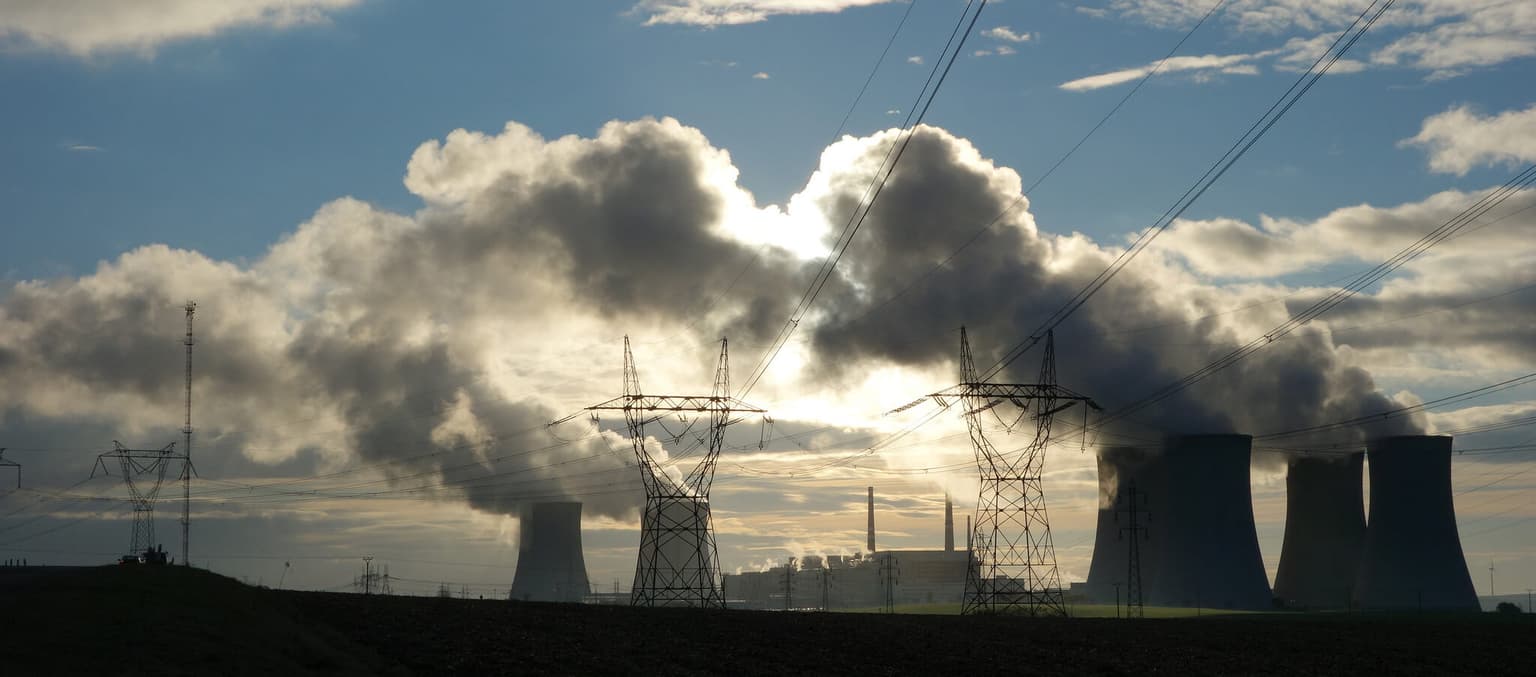
The Ministry of Industry and Trade has agreed with ČEZ to amend the schedule for signing key contracts needed to complete the fifth unit of the Dukovany nuclear power plant. The second implementation contract and the electricity purchase agreement will be signed three months later.
ČEZ and the Ministry of Industry and Trade have already signed several contracts setting out how the project will be carried out. These contracts include, among other things, a so-called sales option, which, subject to specified conditions, is intended to ensure that ČEZ can sell the project company Elektrárna Dukovany II, a. s., to the Czech state.
Read the full article HERE.
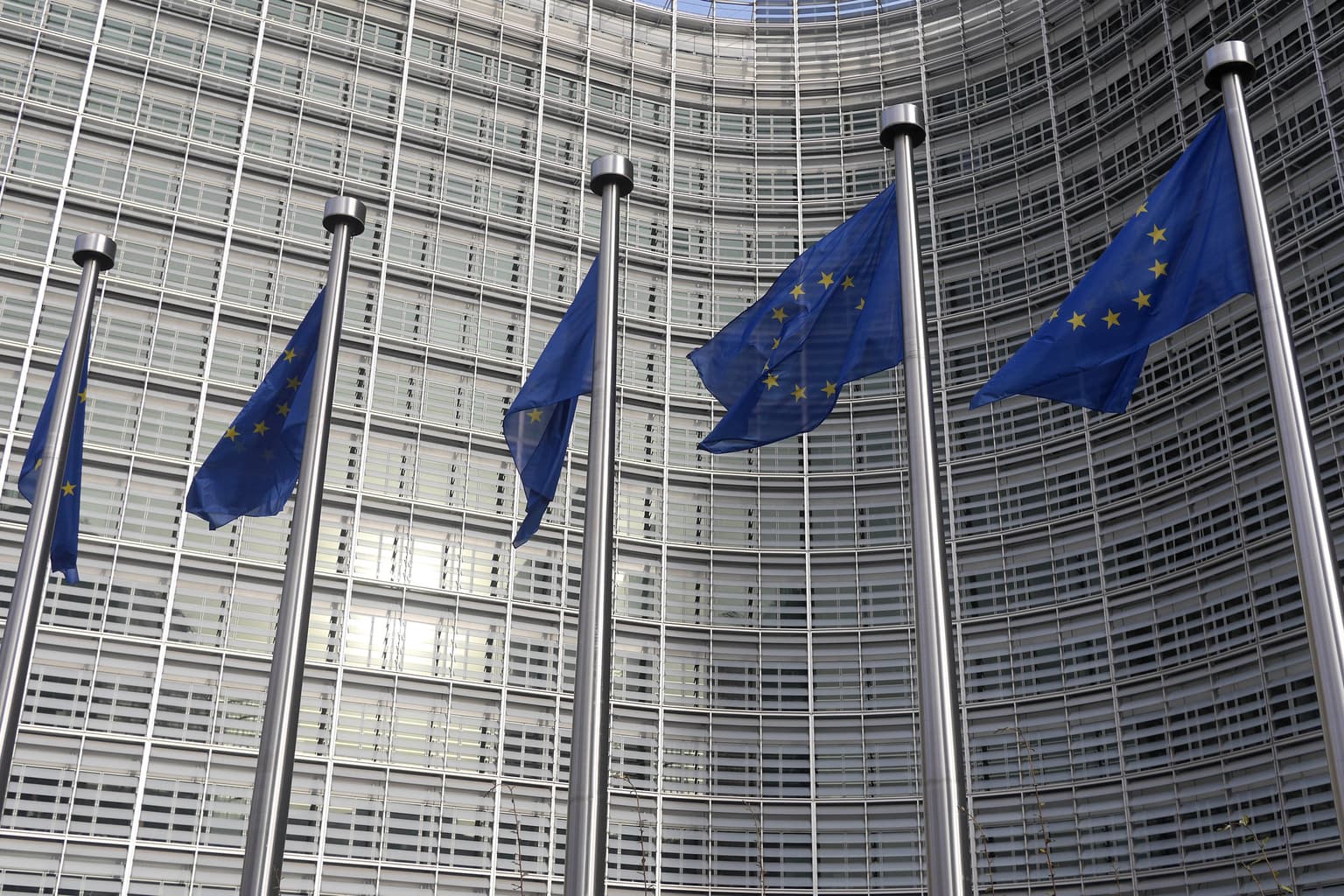
Several major EU countries are calling for the carbon border tariffs (CBAM) to be expanded in the coming years to help repay more than 300 billion euros of pandemic-era debt. However, not all countries agree.
As talks approach on the next seven-year EU budget, the question of how to cover repayments on the 300-billion-euro debt is becoming increasingly pressing. The debt was incurred in 2021 to stabilise an economy ravaged by Covid.
Read the full article HERE.
The regulation governing the filling of underground gas storage facilities, introduced by the European Union during the energy crisis in response to falling Russian gas flows and uncertainty over supplies during the winter, continues to provoke mixed reactions. Under the current rules, the regulation is due to expire at the end of this year, although there is still speculation about extending it. The European energy traders’ association (ETE) has now also come out against an extension, arguing that the market should not be disrupted by such measures when it is operating under normal conditions.
The European Union introduced the requirement to fill gas storage facilities in the summer of 2022, setting a target of 80% by 1 November. A higher target of 90% was set for subsequent years. In recent weeks, however, voices from industry and individual EU countries have increasingly called for the current targets to be lowered. The need to fill storage facilities ahead of the next winter has pushed natural gas prices up in recent months, as the market expects strong demand for gas over the summer.
Read the full article HERE.
Czechia continues to lag significantly in the development and use of wind power. Last year, wind farms covered one percent of electricity consumption in the Czech Republic, with the share stagnating in recent years. Across Europe, wind power’s share of consumption rose to 20 percent last year. This is according to a report published today by WindEurope.
According to the Czech Renewable Energy Chamber, five new wind turbines were connected to the grid in Czechia last year in Jívová, in the Olomouc region, and two wind farms in the Bruntál region. Another wind farm was built in the Karlovy Vary region. Wind power capacity increased by 16 megawatts year on year in 2024, reaching approximately 371 megawatts (MW). Wind farms generated a total of 0.7 terawatt-hours (TWh) of electricity in the Czech Republic last year. The chamber says at least two more wind farms are expected to be built this year.
Read the full article HERE.
 Energy company ČEZ ESCO has signed its first contract with Třinecké železárny for direct electricity supplies from a producer using a specific source located outside the customer’s premises. For at least three years, the steelworks will take 4.4 gigawatt-hours (GWh) of electricity annually from the Vrskmaň solar power plant in the Chomutov region, approximately 500 kilometres from the steelworks. ČTK was informed of the deal today by the ČEZ Group.
The agreement with Třinecké železárny is ČEZ’s first so-called off-site PPA contract, under which the electricity source is located outside the customer’s premises. Supplies to the steelworks will come from the solar power plant in Vrskmaň near Chomutov, 500 kilometres away. It was built on the site of the former Jan Šverma mine, in an area previously used for technical facilities; the mine shaft had been used to handle mining equipment. The solar plant, with an installed capacity of 4.78 MW, has been operating since last summer.
Read the full article HERE.
 Brussels, 26 February (ČTK correspondent) – The European Commission (EC) today presented a plan to cut energy costs for businesses and households, complete the energy union, attract investment and improve preparedness for potential energy crises. The plan aims to save Europeans 45 billion euros (CZK 1.1 trillion) this year, rising to 260 billion euros (CZK 6.5 trillion) annually by 2040. Energy Commissioner Dan Jørgensen announced the plan today, with details published on the EC’s website.
“High energy prices are damaging our ability to compete; we pay three or four times as much for energy as our competitors in the United States. At the same time, our citizens cannot afford their energy bills, which is unacceptable. We must bring energy prices down significantly,” Jørgensen said at a press conference.Read the full article HERE.

The development of the gas sector in the Czech Republic faces key challenges: many see decarbonisation simply as a move away from gas, while the gas industry sees it as a gradual shift to renewable gases. In the second part of our interview with Josef Kotrba, head of the Czech Gas Association, find out how he views the future of natural gas, the role of hydrogen and the transition to renewable alternatives.
We also discussed why a long-term strategy is key to the sector’s stability and how a realistic approach by policymakers can ensure an effective transition without excessive reliance on subsidies.
Read the full article HERE.
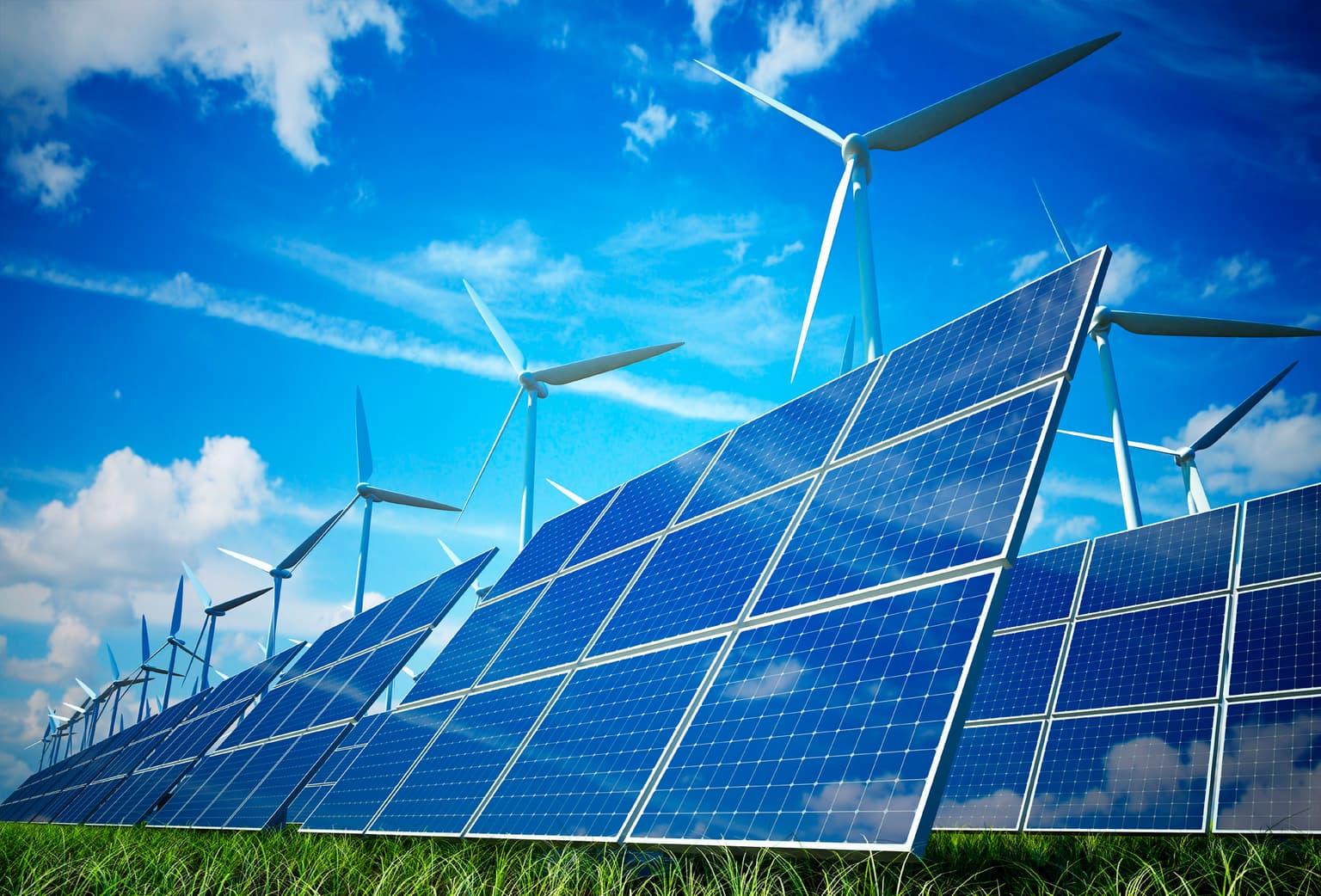 Ensuring sufficient generation capacity during periods of low renewable electricity output has long been a key issue for Germany’s energy sector. Backup gas-fired power plants are expected to be one part of the solution, but the original plans have so far fallen through along with the previous government. Some experts say Germany will therefore continue to face a need for electricity imports and high price volatility in short-term electricity markets.
As available capacity in the system declines, particularly coal-fired power plants, volatility in energy markets has increased in recent years. During periods of high renewable generation, electricity prices fall to zero or below, while at other times they can soar to thousands of euros per MWh. Last year was a record-breaker for negative electricity prices. Similarly, several periods during last winter and this winter saw low wind power generation drive prices sharply higher.
Read the full article HERE.
The decarbonisation that Czech energy, industry and transport must undergo is intended to reduce carbon dioxide emissions, but it could also boost innovative Czech companies. If we fail to keep pace with the rest of Europe, some industries may instead move to countries that have prepared better for the “green transition” and created more attractive conditions for investors.
According to the Ministry of the Environment, investments to reduce the carbon footprint of domestic industry will amount to approximately CZK 2.8 trillion by 2030. Boston Consulting Group (BCG) estimates that the cumulative total will reach CZK 3.2 trillion by 2050 (equivalent to around CZK 100–200 billion annually through 2050 and 1.5–3 percent of GDP).
Read the full article HERE.
Before signing the final contract for the project, the Czech government will ask South Korean company KHNP, which is expected to build two nuclear reactors at Dukovany, to guarantee that Czech companies will account for at least 30 percent of construction work. The overall requirement is for Czech industry to be involved in 60 percent of the project. Industry and Trade Minister Lukáš Vlček (STAN) said this at a press conference today.
Vlček travelled to South Korea on a working visit last week. The minister said the main aim was to discuss the next steps in preparing the project and the involvement of Czech industry.
Read the full article HERE.