24 September 2026, 11:23
Loading...
Czechia seeks further measures from Poland to prevent water loss around Turów mine

oEnergetice.cz, ČTK
10 December 2025, 18:22
The Czech Republic is demanding further measures from Poland to prevent groundwater from flowing across the border near the Turów coal mine. According to a Polish hydrogeological model forecasting groundwater developments around the mine, water levels may decline in the future. Czech experts assessed the model as well-balanced, and outgoing Environment Minister Petr Hladík (KDU-ČSL) has also used it as a basis to request the mining plan for the Turów mine from Poland’s Minister of Climate and Environment. The Ministry of the Environment said this today in a press release provided to ČTK.
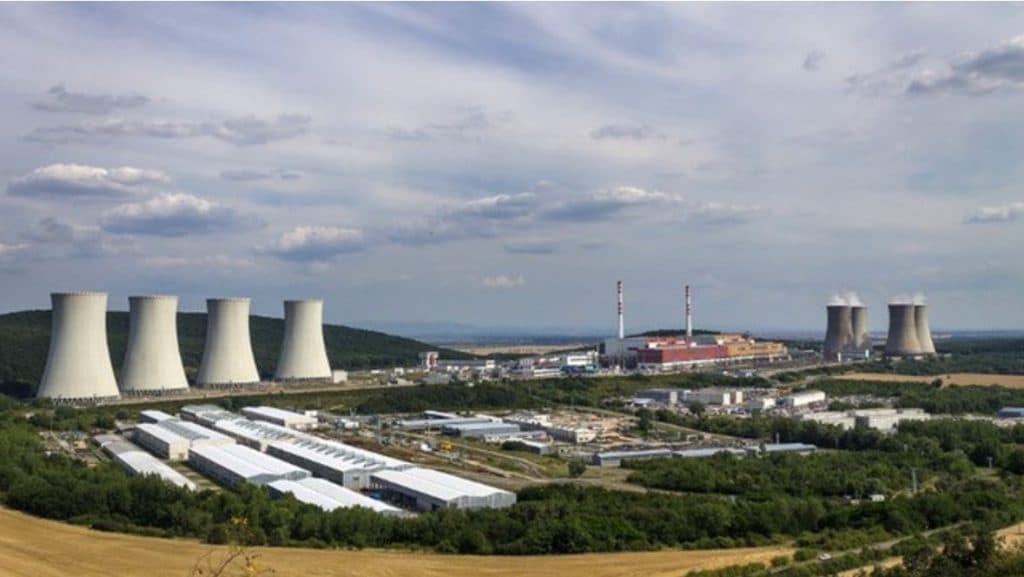
The Turów mine near the Czech-Polish border primarily supplies coal to the neighbouring power plant. PGE Group, which owns both the mine and the power plant, plans to mine until 2044. The mine is planned to be gradually expanded to 30 square kilometres along the road from Zittau to Bogatynia. An underground barrier is intended to prevent water from draining from Czech territory, while an embankment planted with greenery is meant to protect residents on the Czech side from noise and dust from the mine.
According to Hladík, Czech specialists examined the Polish hydrogeological model, based on data up to the first half of last year, for several months. “Experts concluded that the updated model corresponds to reality and is correct. The model’s results and conclusions correspond to the current development of monitored groundwater levels. The model confirms that groundwater from Czech territory could flow away in deeper aquifers. I therefore asked Poland’s Minister of Climate and Environment to provide the current mining plan for the Turów mine through to the end of this year, noting that we also want to know what measures Poland will take to minimise the anticipated decline in water levels,” Minister Hladík said.
An underground sealing wall was built at the Turów mine in the past, but according to the model, water is seeping from the isolated area into areas below it that are no longer sealed. This is where groundwater flows into the mine. The model’s authors therefore expect water levels to decline.
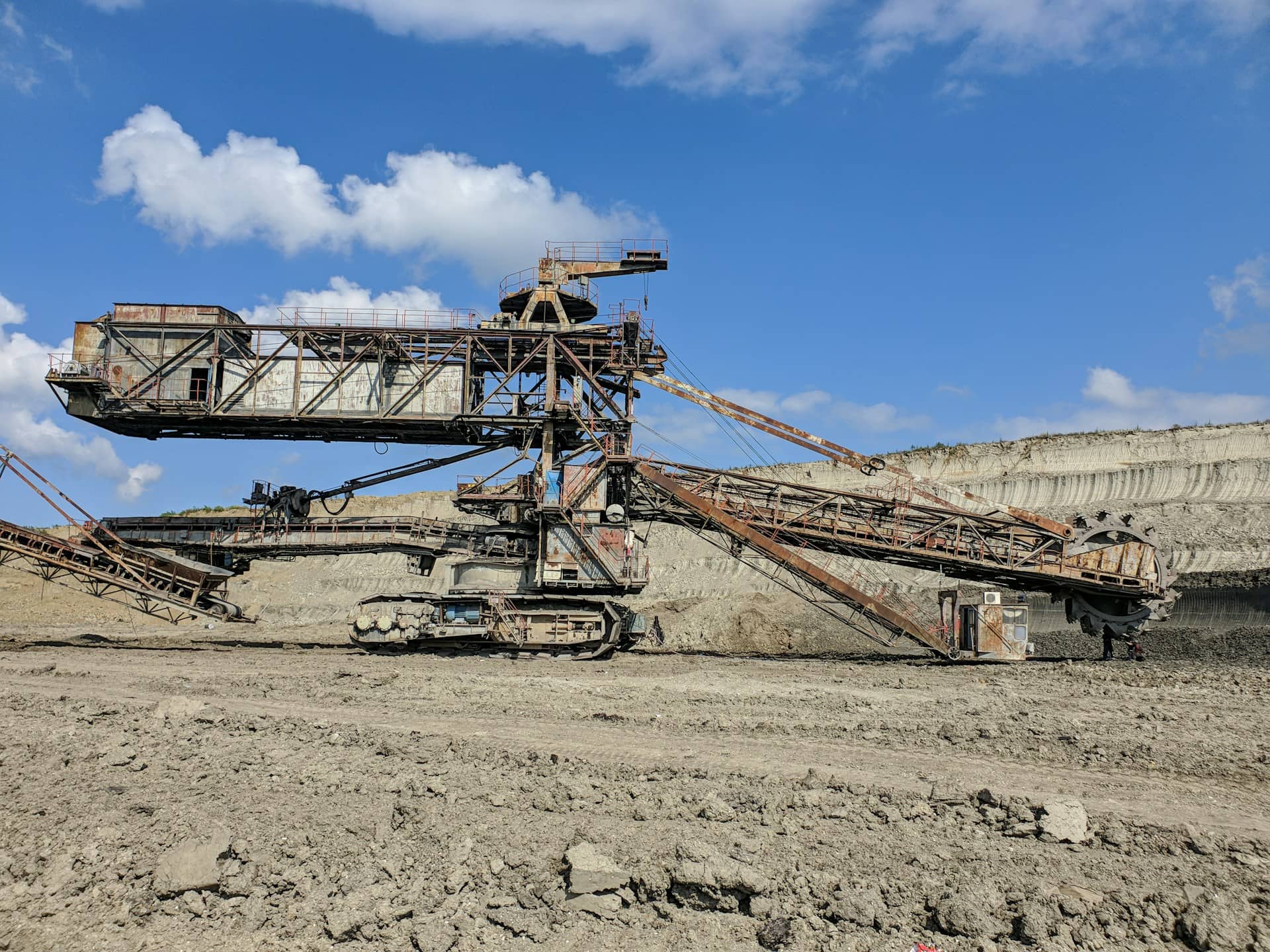
Coal mine. Source: Pixabay
Projects ensuring drinking water for residents in border areas of the Liberec Region who lost access to it because of mining are co-financed by the Turów Fund. It was established under the Czech-Polish agreement on addressing the impacts of mining at the Turów mine. Three years ago, PGE and Poland paid the Czech Republic EUR 45 million (around CZK 1 billion) in compensation for damages. Of this, EUR 35 million went into the transparent account of the Turów Fund, administered by the Liberec Region. It currently holds nearly CZK 723 million including interest.
Using money from the fund as well as the Environment Operational Programme, Severočeská vodárenská společnost (SVS) is currently building a new water treatment plant in Machnín and a connected supply pipeline for the Liberec Region, the Ministry of the Environment noted. The two projects will cost a combined CZK 470 million excluding value-added tax. Their completion will ensure sufficient drinking water for residents in the Hrádek nad Nisou and Chrastava areas, the ministry said.
Money from the fund should also secure water supplies for residents of Frýdlant and the surrounding area. This year, the Liberec Region provided nearly CZK 24 million from the fund to support project preparation. Plans include increasing the capacity of the water treatment plant in Frýdlant, connecting water supply systems in Bulovka and Dětřichov, and upgrading networks in Frýdlant. Construction work could begin next year.
Translation disclaimer
This article is a machine translation of the Czech original and has not yet been fully reviewed. In case of any doubt, please refer to the Czech version.
Sdílejte článek prostřednictvím:
You might also like

24 September 2026, 10:30
24 September 2026, 06:56
23 September 2026, 17:27