Ecuador's Indigenous people or the oil industry: who will win?

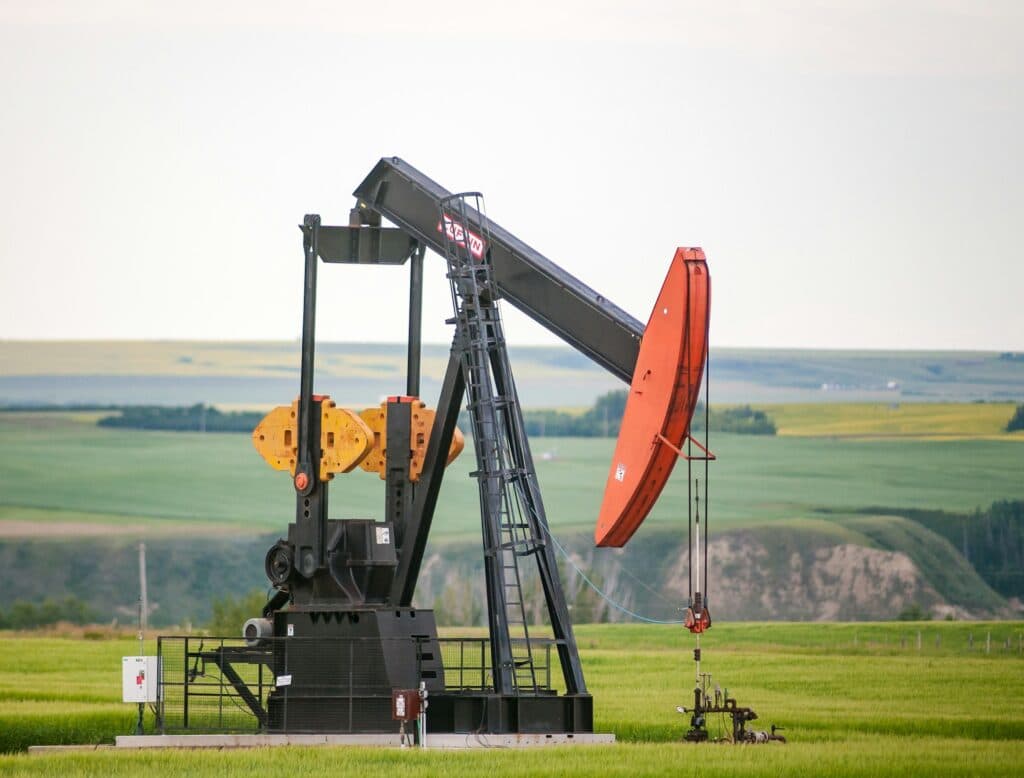
Efforts by the Indigenous Waorani people to protect their territory from the oil industry continue in Ecuador. The Amazon rainforest faces extensive activities aimed at increasing oil production, regardless of Indigenous people or endemic plant and animal species.
The current protest began on December 25, disrupting production at the Ishpingo oil field for several days. The Waorani community has long fought Ecuador's oil lobby, with mixed success. One example is this year's nationwide referendum on ending extraction in the ITT cluster of oil fields, which is located in Yasuní National Park.
According to a statement by Ecuador's Ministry of Energy, an agreement has been reached with the Indigenous population and the protest will end in the coming days. The talks were attended by Minister Andrea Arrobo, along with several other Ecuadorian energy officials. The protest led to production being halted for several days, with estimated “losses” of around 17 000 barrels of oil per day.
The protest was prompted by the government's failure to keep its promises to the Indigenous people. The ministry acknowledged its unfulfilled commitments and expressed its willingness to address them. As a result, cleanup work following oil extraction has begun, internet access is being provided to the Indigenous community, along with supplies of food, medicine and blankets.
Long-running disputes
Disputes over extraction have been going on in Ecuador for a long time. It is worth noting that Ecuador produces around 500 000 barrels of oil per day. The successes achieved in limiting production have therefore been only partial, but are worth recalling.
In 2019, the Waorani people won a legal dispute that secured protection for a territory of approximately 200 000 hectares. The ruling is an important precedent. It was a small victory not only for Indigenous people, but also for the Amazon and its climate.
The second milestone worth mentioning came this year, when a nationwide referendum was held on halting extraction at the Ishpingo, Tambococha and Tiputini (ITT) oil fields. They are located in Yasuní National Park. The referendum came out in favour of ending extraction, with 59 percent of voters supporting the measure. The government and state oil company Petroecuador thus committed to complying with the referendum results within a one-year deadline.

As can be seen, the current protests took place in the same area covered by the August vote. It can therefore be inferred that extraction will continue here for as long as possible. In conclusion, it should be added that even if the commitments to end extraction are fulfilled, this is only a partial success and a small fraction of what will continue. The ITT deposit in Block 43 produces around 55 000 barrels per day. For comparison, that is roughly one-tenth of total production.
Translation disclaimer
This article is a machine translation of the Czech original and has not yet been fully reviewed. In case of any doubt, please refer to the Czech version.




